 Free shipping on orders over £29,85
  Shipping Tracking!


 Google
 Facebook
How do you cut resin paving?
Achieve clean, accurate cuts without damaging your resin paving
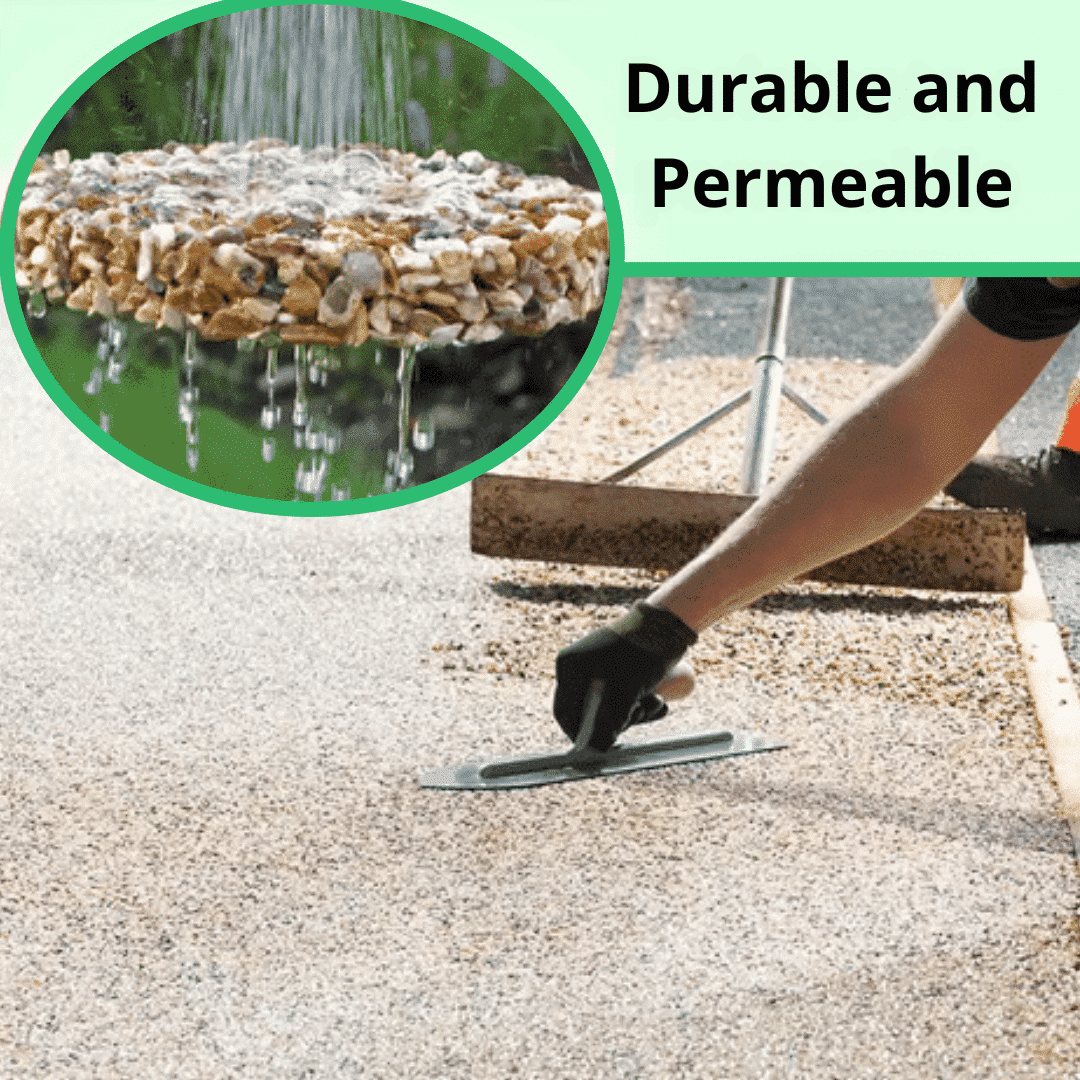
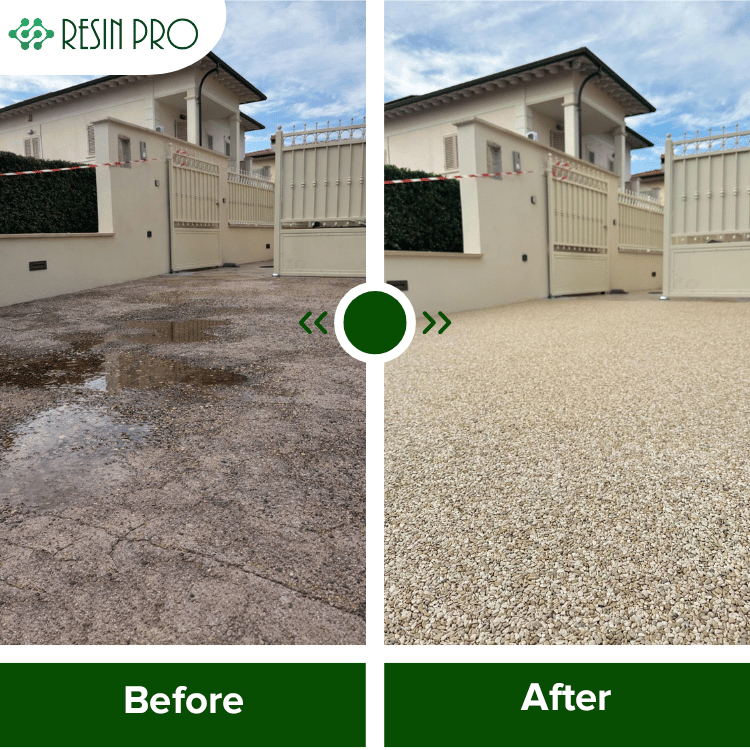
Resin paving offers attractive, durable, and low-maintenance surfaces for driveways, paths, and patios. Sometimes, you may need to cut your resin paving—whether for creating expansion joints, installing utility access points, or achieving neat borders. This guide covers safe and effective methods for cutting resin paving while preserving the integrity and aesthetics of your surface, supporting both new installations and modifications on existing areas.
What You’ll Need
- “Flowstone” – Complete Permeable Floor Kit with Pebbles and Resin: for creating or repairing continuous, decorative resin paving.
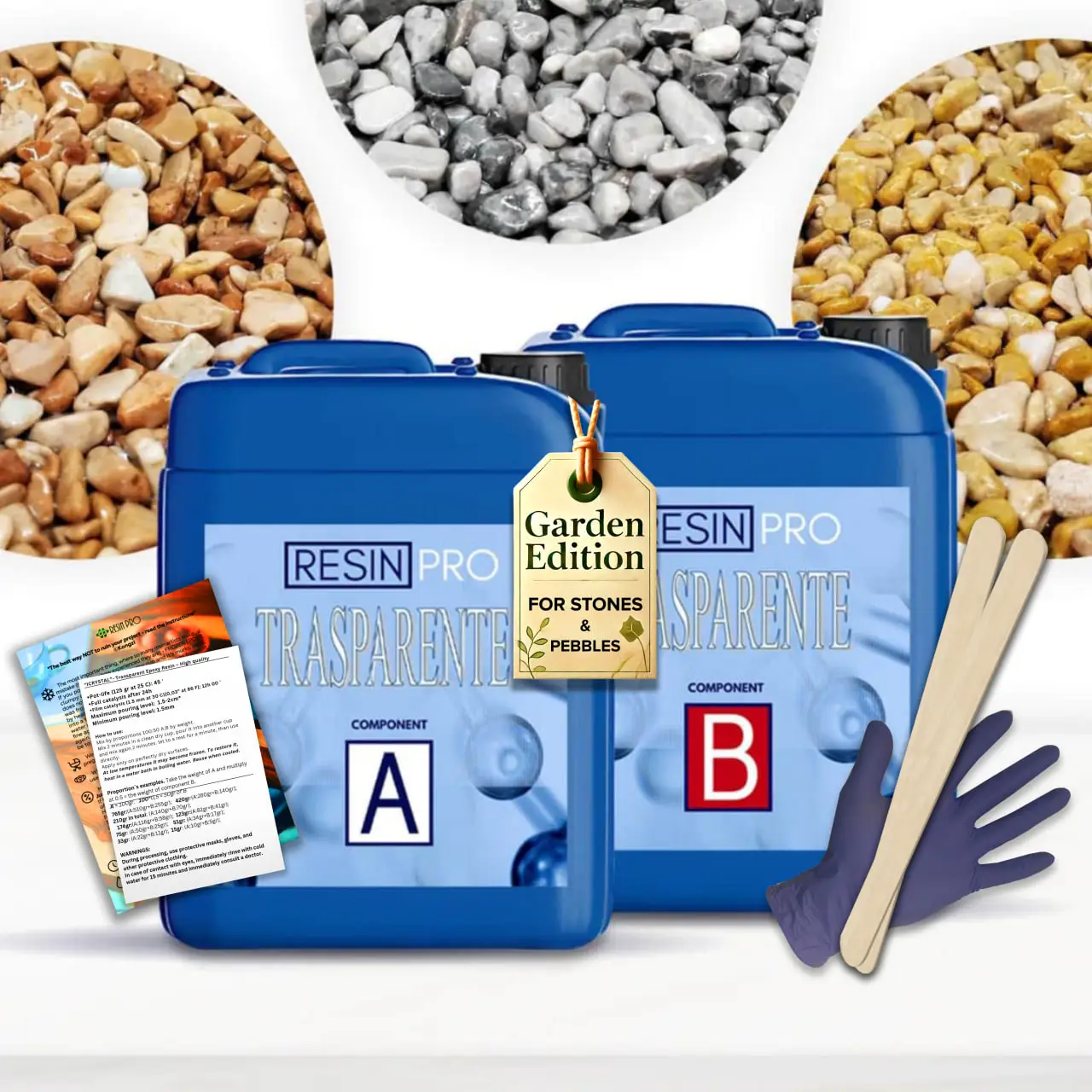
- “Trasparente” – Epoxy Binder for Coloured Pebbles and Grits: use as a binder for coloured aggregates in cut or rejoined areas.
- “Polirock” – Polyurethane Binder for White Stones, 2kg Two-Component Kit: for white or light-coloured stone areas to ensure clarity and stability.
- Groundtex Woven Weed Membrane 2m x 10m — Geotextile Fabric for Flowstone & Resin Bound Driveways: ensures a stable, weed-resistant base, especially if relaying or replacing sections.
- Angle grinder or consaw with a diamond blade suitable for resin-bound aggregate
- Measuring tape and chalk or marker
- Protective gear (goggles, gloves, dust mask)
- Vacuum or broom for dust control
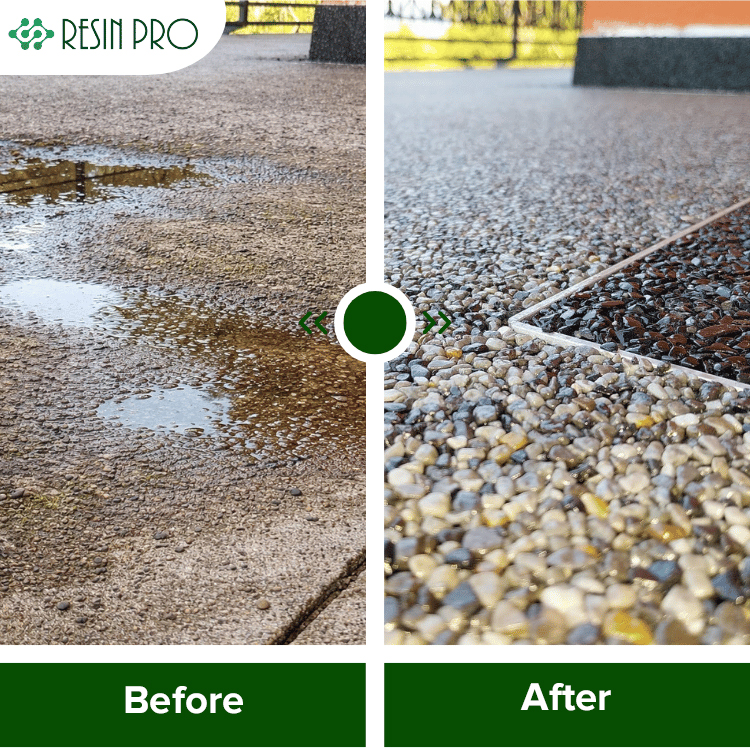
Choosing the Best Blade for Resin Paving
Always use a diamond blade designed for hard aggregates and resin-bound surfaces when cutting. This minimises dust and edge chipping, producing a cleaner finish. For maintenance or intricate work in decorative areas, continuous rim blades are ideal as they reduce vibration and avoid damage to the binder or stones.
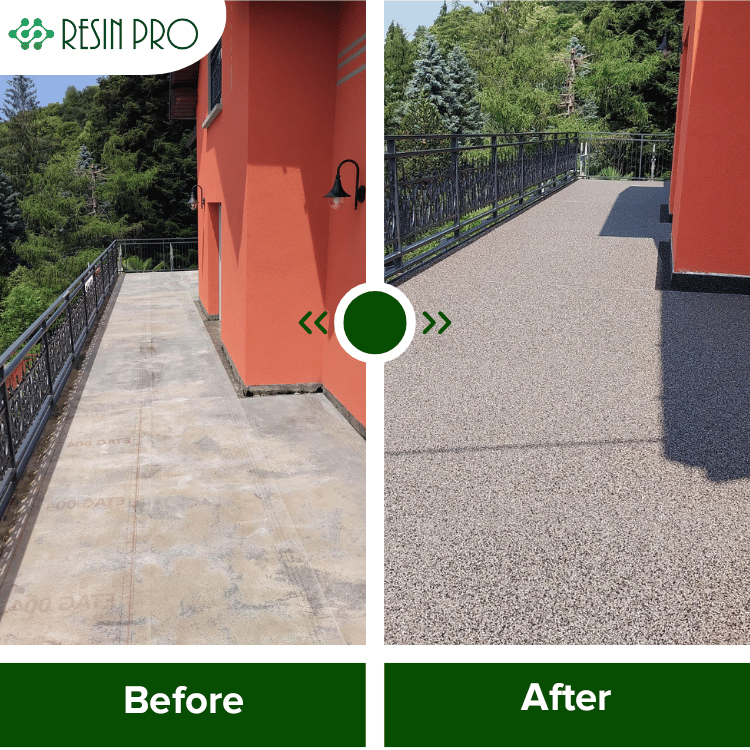
Step 1: Plan Your Cut and Mark the Surface
Before making any cuts, take time to plan your work and measure thoroughly. Decide on the exact location and direction of each cut—whether you are making expansion joints, exposing an underlying feature, or tidying edges near walls or borders. Ensure the area is dry and free from debris, which helps to mark clear cutting lines and prevents displacement during cutting.
Use a measuring tape to mark out the required lines accurately. Chalk or a high-contrast marker will help you see your cut lines easily on resin surfaces. For curved cuts, consider using a flexible template or garden hose as a guide. Mark cutting lines with precision for accurate results, as any drift could affect the fit and appearance of replacement sections.
Step 2: Select the Correct Cutting Tools and Safety Gear
Cutting resin paving requires suitable equipment to achieve a clean, controlled finish. A handheld angle grinder or a portable consaw fitted with a continuous rim diamond blade is recommended—these blades minimise chipping and dust. Confirm that your tools are powerful enough for the aggregate used in your resin surface.
It is essential to wear personal protective equipment. Always wear protective goggles, gloves, and a dust mask when cutting to safeguard against flying debris and dust. If working in a confined area, ensure good ventilation or consider using a dust extraction attachment. Set tool speed according to the aggregate’s hardness and binder type.
Step 3: Perform the Cut with Care
With your resin paving firmly in place and guides marked, position the cutting tool at the starting point. Begin with a shallow pass along the marked line to score the surface—this helps prevent the blade from drifting. Gradually deepen the cut in several passes, keeping the tool level and steady throughout.
Apply gentle, even pressure rather than forcing the blade through. Use a slow, steady approach to minimise heat and surface chipping. Allow the tool to do the work—excess force may cause the resin matrix to overheat, burn, or fracture the stones. Periodically pause to vacuum or brush away dust so you can check your progress and see the cut clearly.

Step 4: Clean and Finish the Cut Edge
Once the cut is complete, remove any loose debris, dust, and cut pieces from the edge. If you have exposed new aggregate or broken the resin bond at the margin, you can repair the edge using an appropriate binder. For areas with coloured stones, apply “Trasparente” – Epoxy Binder for Coloured Pebbles and Grits to seal and restore appearance. Where white stones are present, use “Polirock” – Polyurethane Binder for White Stones, 2kg Two-Component Kit for a clear, durable finish.
If you need to rejoin two surfaces or fill expansion joints, prepare a small mix of binder and matching aggregate, then carefully fill the gap, tamping and smoothing for a seamless look. Allow adequate curing time before the area receives foot or vehicle traffic.
Tips and Common Mistakes When Cutting Resin Paving
Take your time—rushing leads to uneven edges or accidental cracks. Always double-check measurements and ensure the resin has cured fully before attempting to cut. Avoid cutting in wet or humid conditions, as moisture can raise dust and weaken the surface. Clean tools between cuts to prevent resin build-up on blades. If relaying or expanding areas, don’t neglect ground stabilisation—use a woven weed membrane for stable, weed-resistant foundations.
Maintaining Surface Permeability After Cutting
Repair any disrupted resin bonds with suitable binders after cutting to preserve the paving’s draining properties. Use a compatible resin binder to seal exposed aggregate and maintain the continuous permeability of your resin paving—this helps prevent water pooling and extends the life of your outdoor surface.
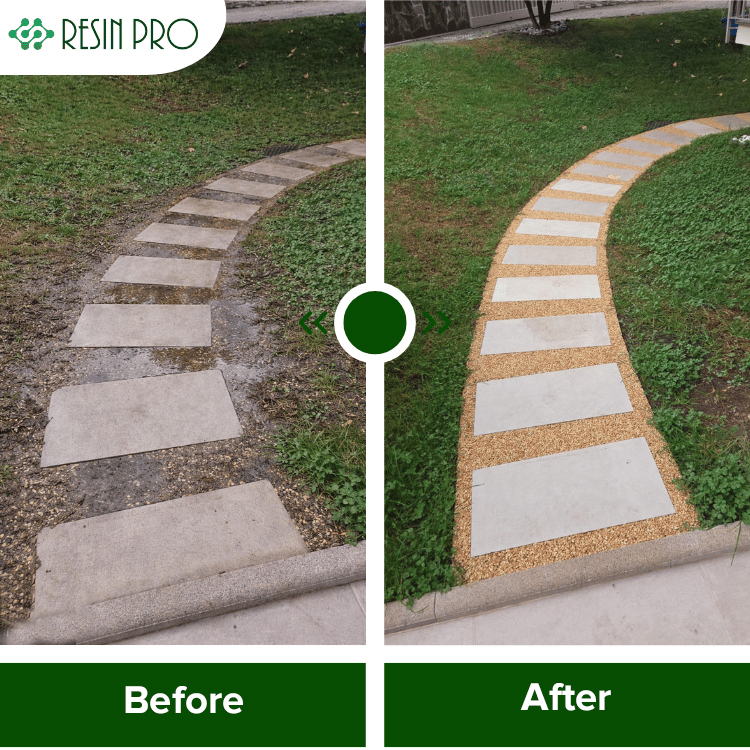
- "Flowstone" – Complete Permeable Floor Kit with Pebbles and ResinPrice range: £49.95 through £3,915.45"Flowstone" is a permeable pebble and resin floor kit for UK outdoor spaces featuring durable, draining surfaces and guidance for all skill levels.
- "Trasparente" – Epoxy Binder for Coloured Pebbles and GritsPrice range: £33.45 through £397.95"Trasparente" epoxy binder is a transparent, UV-stable resin for coloured pebble floors in the context of cutting resin paving.
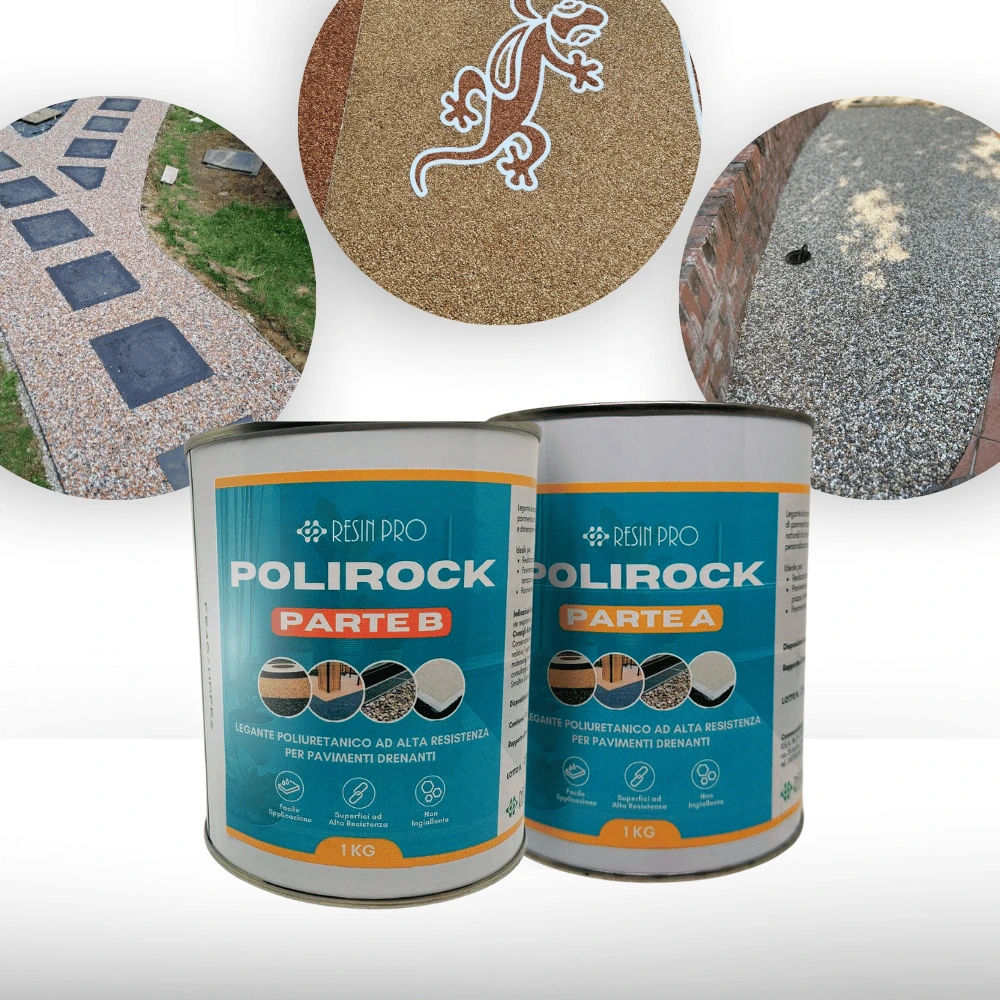 "Polirock" – Polyurethane Binder for White Stones, 2kg Two-Component Kit£61.95POLIROCK is a two-component polyurethane binder designed for durable, clear and weather-resistant outdoor white stone surfaces.
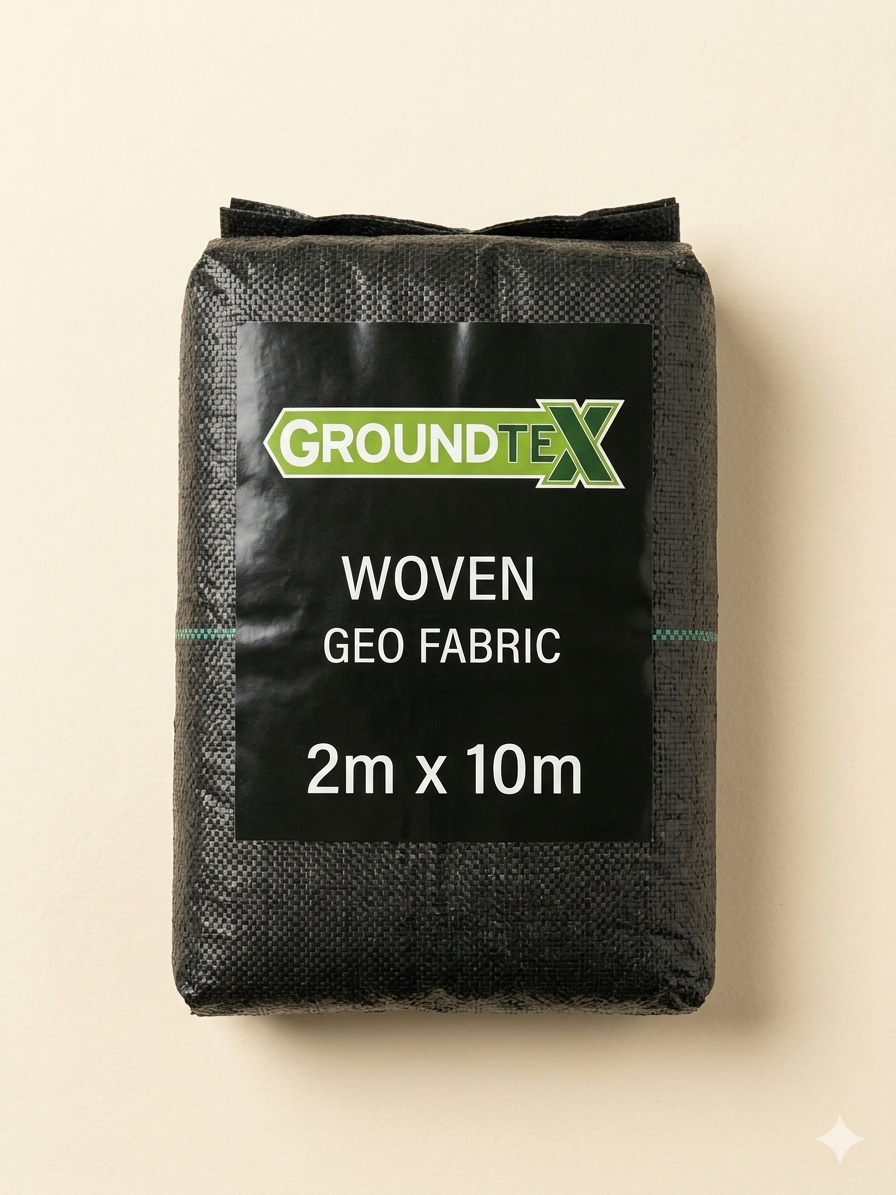 Groundtex Woven Weed Membrane 2m x 10m — Geotextile Fabric for Flowstone & Resin Bound Driveways£27.85Groundtex Woven Weed Membrane provides ground preparation for resin bound and bonded surfaces under the theme How do you cut resin paving?
Frequently Asked Questions
What tools are best for cutting resin paving?
An angle grinder or consaw fitted with a diamond blade is ideal for clean, precise cuts in resin paving.
Can resin paving be trimmed or shaped after installation?
Yes, cured resin paving can be cut or trimmed carefully with appropriate equipment and technique.
How do I repair a cut edge in resin paving?
Use a suitable resin binder mixed with matching aggregate to fill and seal cut edges for durability and appearance.
Does cutting resin paving affect its permeability?
If repaired correctly with permeable resin, the drainage function will be maintained at the cut site.
What safety precautions are necessary when cutting resin paving?
Always wear eye protection, gloves, and a dust mask, and work in a well-ventilated area to protect against dust and debris.
Which binder should I use for different aggregate colours?
Use a polyurethane binder for white stones and epoxy binder for coloured or dark aggregates for the best appearance and stability.