 Free shipping on orders over £29,85
  Shipping Tracking!


 Google
 Facebook
How to apply epoxy paint?
Essential steps for a flawless and durable epoxy coating


Applying epoxy paint creates a tough, long-lasting surface ideal for floors in garages, workshops, homes, and beyond. This guide covers the complete process for achieving a seamless epoxy coating – from surface preparation to that shiny, hard-wearing finish. Whether you’re a professional or a first-time DIYer, these steps will help you get the best possible results.
What You’ll Need
- “Epoxyprimer” – Universal Water-Based Two-Component Epoxy Floor Primer: Prepares surfaces for epoxy, ensuring strong adhesion and durability.
- Resin & Paint Application Rollers – Short-Pile, Large, and Sponge Types: For applying primer and epoxy evenly.
- Tooth Shaped Spatula for Epoxy Resin Application: Achieve a uniform resin layer, especially on larger or intricate areas.
- Mixing buckets and sticks
- Protective gloves and safety goggles
- Masking tape for edges

Setup Your Workspace for Success
Organising your tools and ensuring your workspace is clean and well-ventilated makes application smoother and safer. Lay out rollers, spatulas, protective wear, and masking tape before you begin. Good preparation reduces errors and saves time.
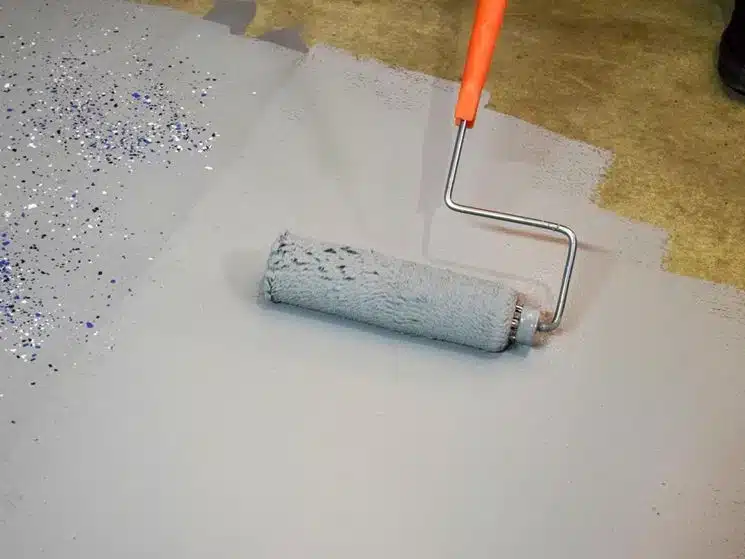
Step 1: Prepare and Clean the Surface
Thorough preparation guarantees lasting results. Begin by clearing the floor or surface of obstacles, dust, and debris. Remove any existing coatings or loose materials with a scraper or suitable cleaner. Scrub oily or greasy areas with a degreaser and allow the surface to dry completely. The goal is a dry, stable, and dust-free surface; if dealing with concrete, fill cracks and holes beforehand. Careful masking around perimeters minimises the risk of accidental epoxy spread.
Step 2: Prime the Substrate for Adhesion
For optimal bonding, use a dedicated primer before applying the epoxy paint. “Epoxyprimer” – Universal Water-Based Two-Component Epoxy Floor Primer is formulated for concrete, timber, screed, and tiles. Mix the two components as per instructions, then apply evenly with a roller or brush. This step maximises adhesion and helps prevent future peeling or delamination. Allow the primer to cure fully — typically 24 to 48 hours at room temperature — before proceeding.
Always allow primer to fully cure before applying epoxy paint.
Step 3: Mix and Apply the Epoxy Paint
Thorough mixing is key for the correct chemical reaction. Use a clean container to mix the epoxy resin and hardener in the exact ratio specified by your product. Stir for several minutes until the blend is uniform. Starting at one edge, pour the mixed resin and spread it using a Tooth Shaped Spatula for Epoxy Resin Application or a short-pile roller, depending on the area size and texture required.
Apply epoxy paint methodically in thin, even coats to promote bubble-free curing and prevent uneven finish. Work systematically and avoid overlapping previously cured areas.

Step 4: Achieve a Flawless Finish and Cure
Once covered, go over the surface with a Resin & Paint Application Roller to smooth out any lines and ensure a consistent layer. If a second coat is needed for high-traffic or coloured finishes, wait for the first layer to become tack-free, then repeat the process. Allow the final application to cure undisturbed for the full recommended period, generally 24 to 48 hours. Avoid heavy foot traffic or moving furniture until the floor is fully hardened.
Ventilation and timing are crucial for a professional finish.

Tips, Mistakes, and Troubleshooting
Proper room temperature and low humidity are essential — apply epoxy paint in mild, dry conditions for best results. Mix components exactly as directed to prevent sticky or partially cured floors. Bubbles can be removed with a spiked roller or lightly blowing with a heat gun while still wet. If coverage appears thin or patchy, a second coat can rectify most inconsistencies.
Curing, Care and Next Steps
Allow fresh epoxy surfaces time to fully cure before exposing them to moisture or heavy loads. Patience at this stage leads to a finish that is both beautiful and highly durable for years to come.

- "Epoxyprimer" – Universal Water-Based Two-Component Epoxy Floor PrimerPrice range: £156.45 through £286.45Epoxyprimer is a water-based two-component floor primer designed for reliable adhesion on various surfaces including concrete and timber.
- Resin & Paint Application Rollers – Short-Pile, Large, and Sponge TypesPrice range: £3.62 through £5.09Rollers designed for precise and uniform application on epoxy resin surfaces, suitable for both professionals and DIY use.
- Tooth Shaped Spatula for Epoxy Resin Application£3.45The Tooth Shaped Spatula supports precise and even epoxy resin application on various surfaces, suited to the theme of applying epoxy paint.
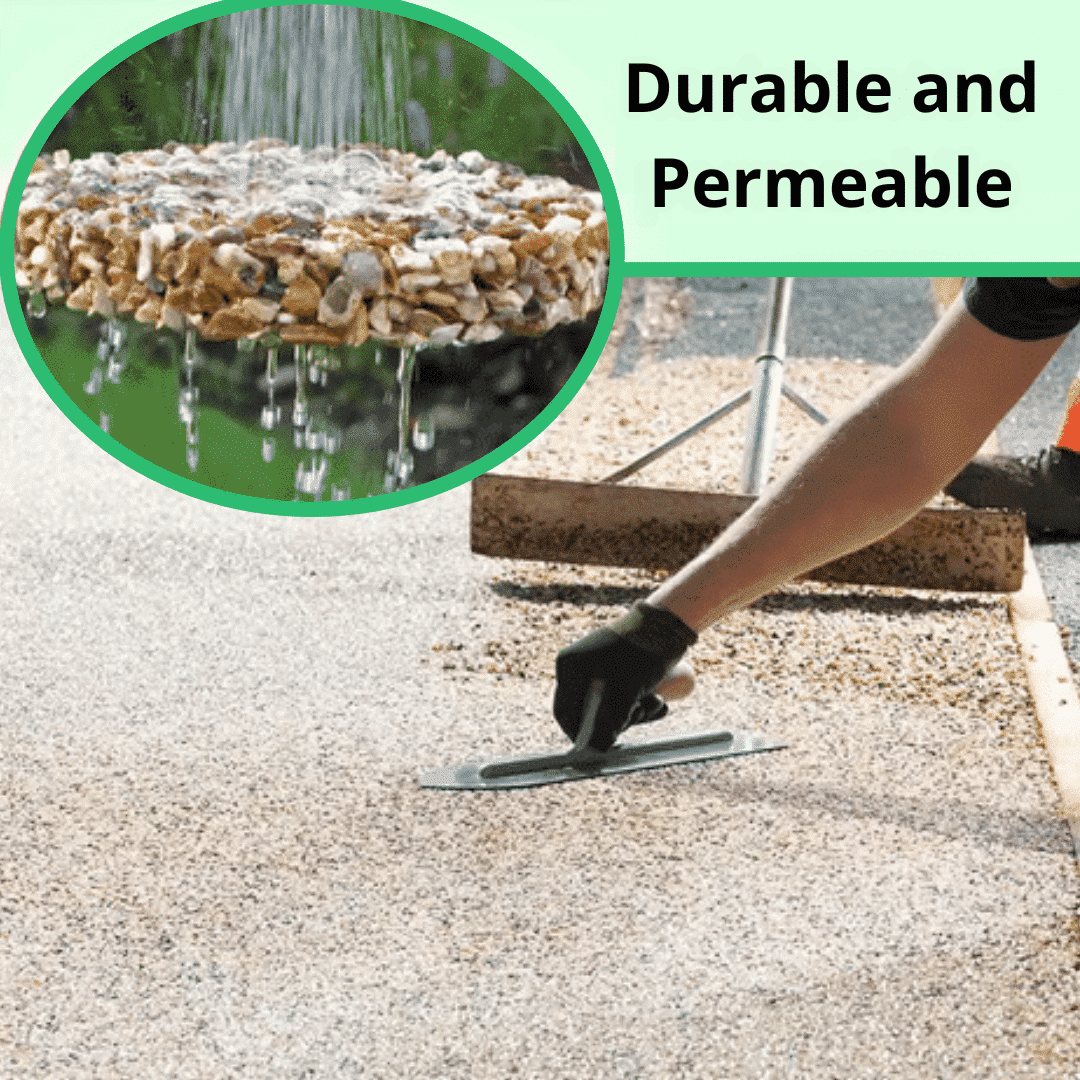 "Flowstone" – Complete Permeable Floor Kit with Pebbles and ResinPrice range: £49.95 through £3,915.45The "Flowstone" kit offers a durable permeable pebble and resin flooring system suitable for outdoor surfaces with simple guidance for application.
Frequently Asked Questions
Can epoxy paint be used on wood or tiles?
Yes, epoxy paint is suitable for dry, stable surfaces such as wood and tiles if they are properly prepared and primed.
How long does the primer need to cure before painting?
Epoxy primer typically cures in 24 to 48 hours at room temperature; paint only once it's fully cured.
Can I apply epoxy paint indoors?
Yes, but ensure good ventilation, wear gloves and goggles, and choose a low-odour system suitable for interior use.
What are the ideal conditions for epoxy application?
Apply epoxy paint between 15–25°C and avoid high humidity for best adhesion and finish.
How do I prevent or remove bubbles in epoxy paint?
Apply thin coats, roll evenly, and use a spiked roller or heat gun on the wet surface to eliminate bubbles.
Will epoxy paint yellow in sunlight?
Standard epoxy may yellow outdoors; for UV-exposed areas, choose pigmented coatings or a compatible UV-resistant topcoat.
How should I clean the floor before application?
Sweep and vacuum thoroughly, then wash with degreaser if needed. The surface must be totally dry before priming.