 Free shipping on orders over £29,85
  Shipping Tracking!


 Google
 Facebook
How do you maintain a synthetic resin field?
Simple steps to keep resin surfaces safe and attractive outdoors
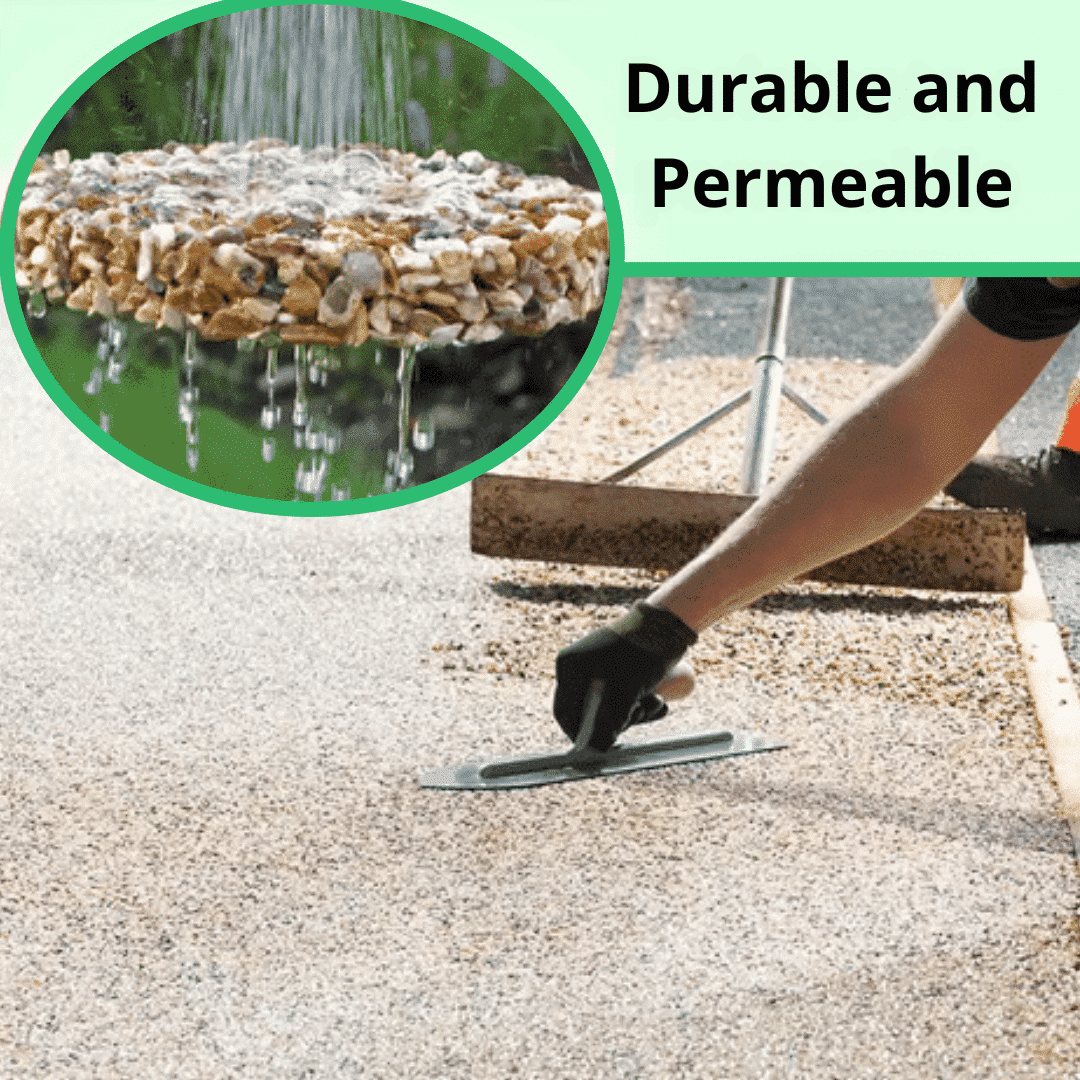
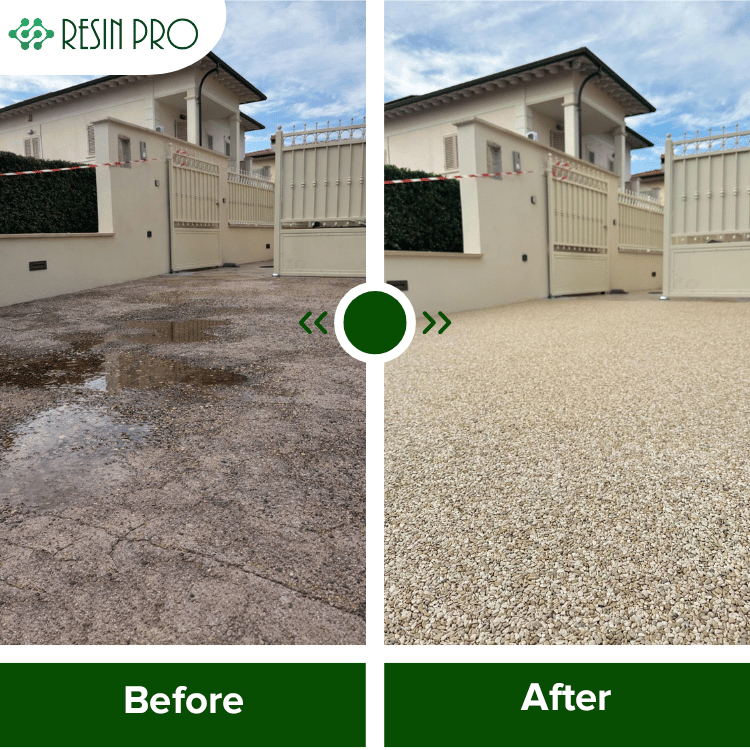
A well-maintained synthetic resin field offers outstanding durability, safe usage, and a pristine appearance year-round. Whether you are caring for a resin-bound driveway, footpath, or decorative outdoor surface, the right routine helps maximise its lifespan and resist the typical British weather. Follow these expert steps to ensure your resin field remains functional and visually appealing for years to come.
What You’ll Need
- “Flowstone” – Complete Permeable Floor Kit with Pebbles and Resin: For filling and repairing decorative permeable fields or re-laying small sections.
- “Trasparente” – Epoxy Binder for Coloured Pebbles and Grits: For topping up or repairing coloured resin-bound areas.
- “Polirock” – Polyurethane Binder for White Stones, 2kg Two-Component Kit: Ideal for refreshing or maintaining resin fields with white or natural stones.
- “Resinstone” – One-Component Methacrylic Resin for Concrete Floors and Driveways: Suitable for surface sealing or periodic protection of concrete resin fields.
- Soft-bristled brush or outdoor broom
- Low-pressure hose or watering can
- pH-neutral cleaner (avoid harsh solvents or acidic detergents)
- Protective gloves
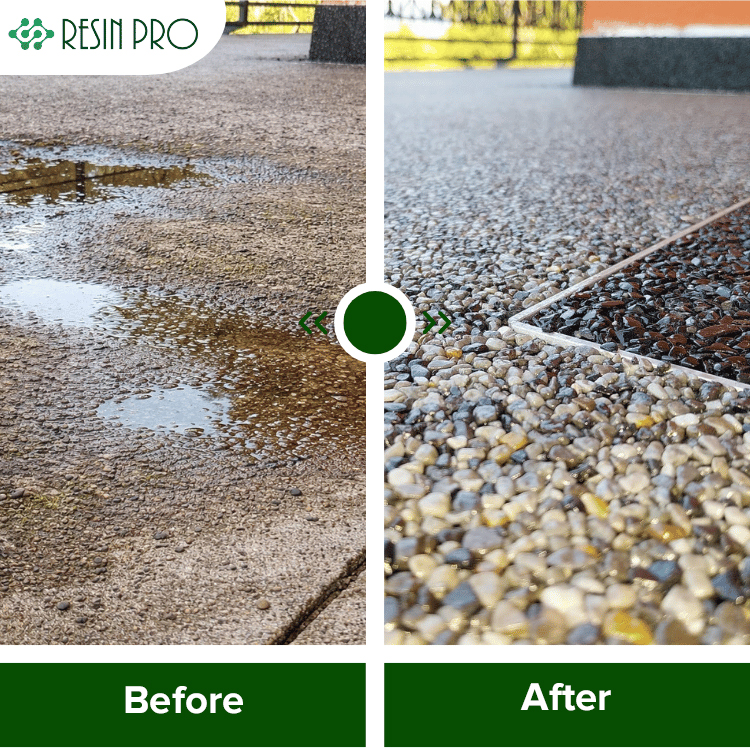
Essential Tools and Products for Resin Field Maintenance
Ensure you have the right cleaning tools and purpose-designed resin materials for the job. Select a complete kit or individual binders to match the existing field type and finish.
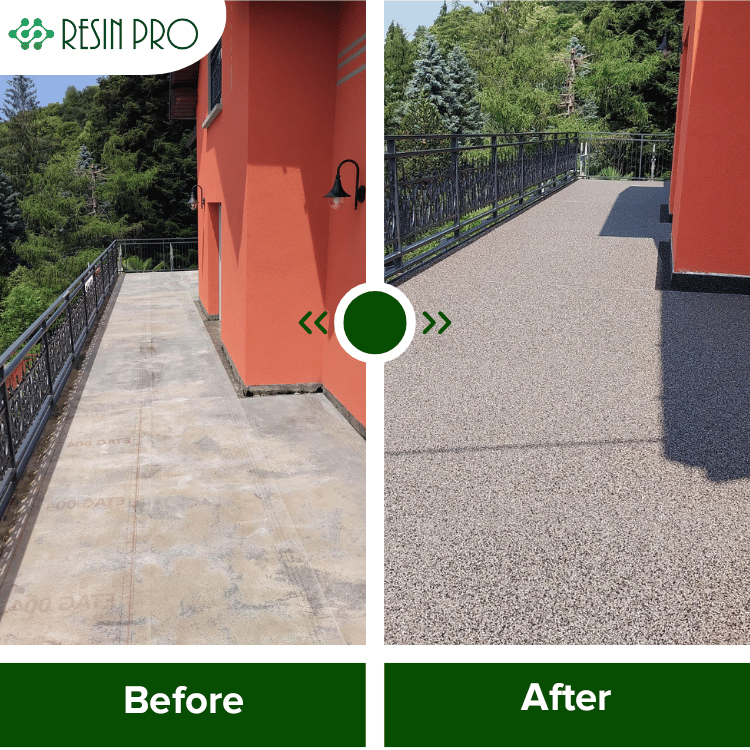
Step 1: Remove Debris and Loose Dirt Regularly
To start, sweep the entire resin field gently using a soft-bristled brush or an outdoor broom. Focus on clearing leaves, twigs, litter, and any loose granules that may gather in corners or near drains. This minimises the risk of organic stains, moss growth, or surface abrasion caused by grit underfoot.
During autumn or in windy locations, you may need to repeat this step weekly to keep your surface in top condition. Avoid using metal tools or aggressive scraping, as they may damage the resin layer or dislodge stones.
Step 2: Perform Gentle but Thorough Cleaning
For routine cleaning, use a low-pressure hose or a watering can to gently rinse the surface. Apply a pH-neutral cleaner diluted with water, then brush in circular motions to lift stubborn dirt or light algae.
Do not use high-pressure washers directly on the field, as they can erode resin and disturb stone aggregates. Rinse thoroughly with clean water to remove all soap and allow the surface to dry naturally. Regular cleaning helps preserve the resin’s appearance and prevents slippery patches forming, especially in damp weather.
Step 3: Inspect for Cracks, Chips, or Dull Spots
Walk over the resin field carefully, looking for signs of wear, surface cracks, loose stones, or areas losing their gloss. Early detection of these issues allows targeted repairs before water can enter and cause further damage.
If you spot minor depletion, topping up with “Trasparente” – Epoxy Binder for Coloured Pebbles and Grits (for coloured aggregate) or “Polirock” – Polyurethane Binder for White Stones can restore the surface and maintain a seamless look. Always follow product instructions for preparation and application, and avoid repairing in cold, damp weather for best results.

Step 4: Address Water Pooling and Drainage
Proper drainage is a hallmark of resin-bound surfaces, but over time, blockages or substrate movement can lead to puddling. Inspect drains and edges to ensure free flow and clear any obstructions from grates or channels.
Should you notice persisting water pooling, consider local repairs or relaying the affected area using a “Flowstone” – Complete Permeable Floor Kit with Pebbles and Resin. This kit is designed for permeable surfaces, providing natural water dispersion ideal for the UK climate.
Step 5: Reseal as Needed for Long-Term Protection
Depending on usage and seasonal exposure, resin fields may benefit from occasional resealing every few years. This restores surface gloss, improves resistance to stains and UV rays, and strengthens mechanical integrity.
For concrete-based resin areas, apply a protective layer such as “Resinstone” – One-Component Methacrylic Resin. For stone or aggregate finishes, use the matching binder to refresh the surface. Only reseal on a clean, dry, and mild-weather day for optimal results.
Tips and Common Mistakes to Avoid
Prevent harsh chemical spills by using gentle, non-abrasive cleaners at all times. Address stains promptly—especially from oils, drinks, or plant matter—before they penetrate the resin layer. Avoid using de-icing salt in winter as it can degrade some systems; opt for sand to provide grip instead.
Never apply resin products or cleaners to damp or frozen surfaces, as this may result in poor adhesion or clouding. Finally, address local repairs before they escalate, and always follow the manufacturer’s instructions for any resin-based maintenance or repairs.
Keep Your Resin Field Looking Its Best
Regular, simple maintenance extends the life and appeal of synthetic resin fields. Address minor issues early and use suitable binders or surface protectors for lasting results—even in busy public or outdoor areas.
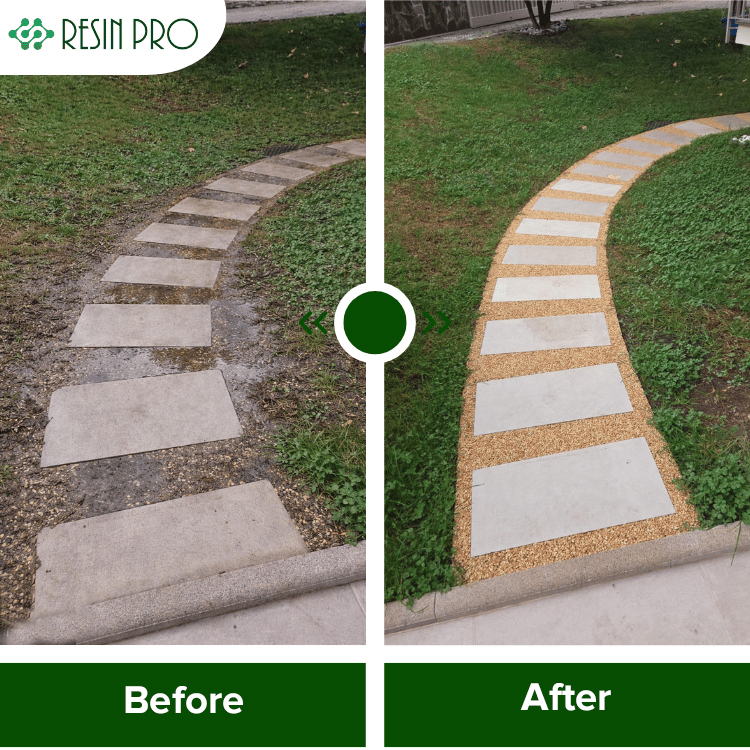
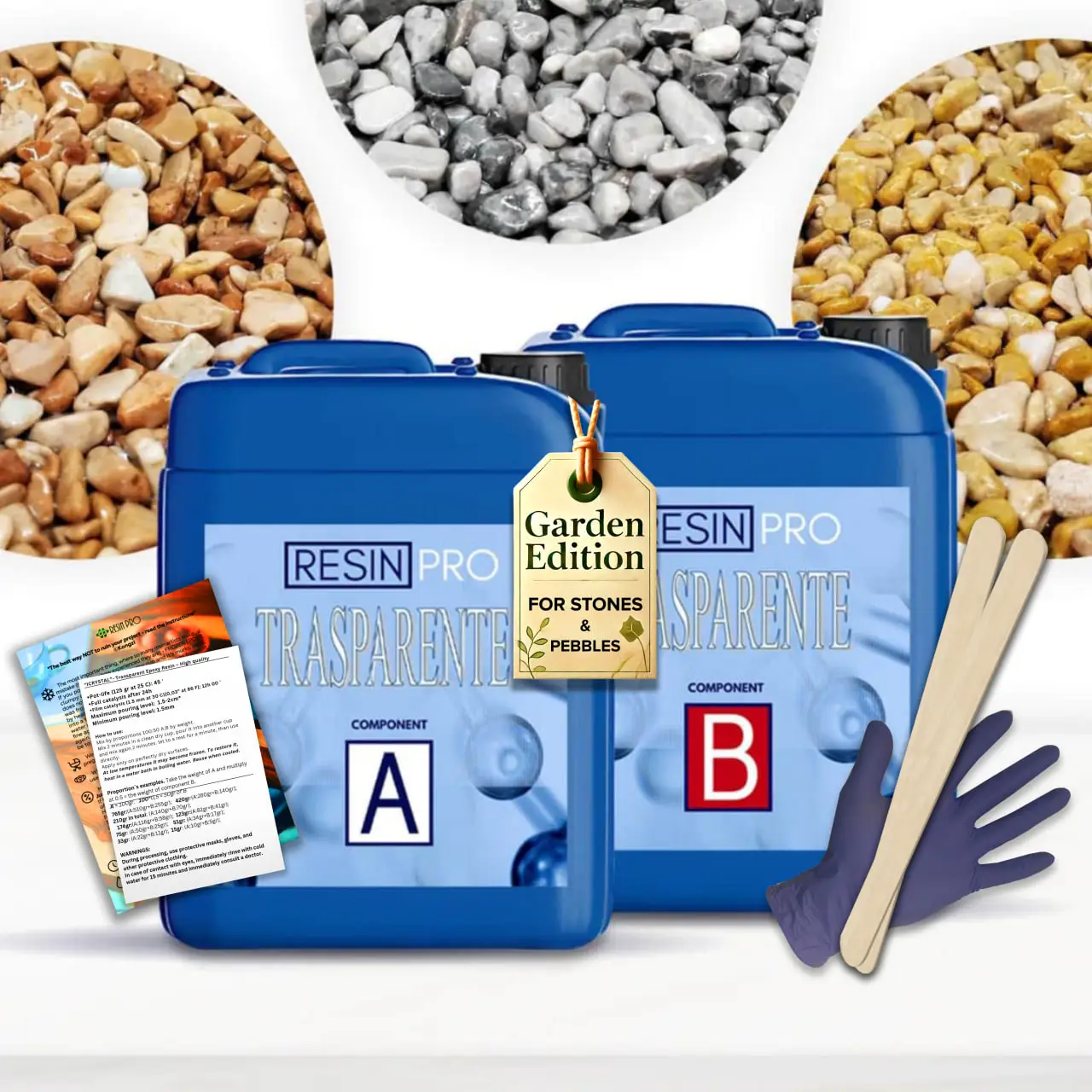
- "Flowstone" – Complete Permeable Floor Kit with Pebbles and ResinPrice range: £49.95 through £3,915.45Flowstone is a durable, permeable pebble and resin kit for driveways, footpaths and patios, suited to UK outdoor maintenance and renovation.
- "Trasparente" – Epoxy Binder for Coloured Pebbles and GritsPrice range: £33.45 through £397.95A transparent epoxy binder designed for coloured pebbles and grits, offering UV resistance and a clear finish suitable for synthetic resin field…
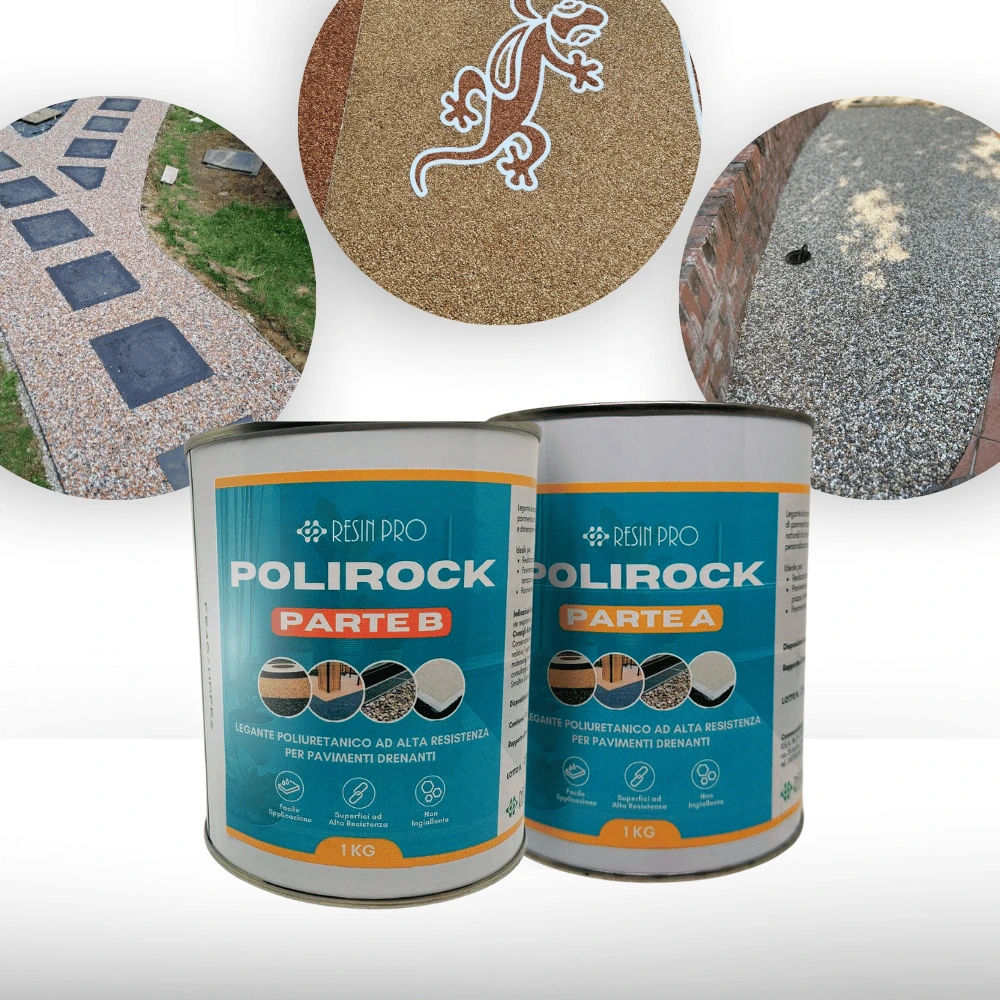 "Polirock" – Polyurethane Binder for White Stones, 2kg Two-Component Kit£61.95POLIROCK is a two-component polyurethane binder designed for durable, clear, and weather-resistant stone surfaces outdoors.
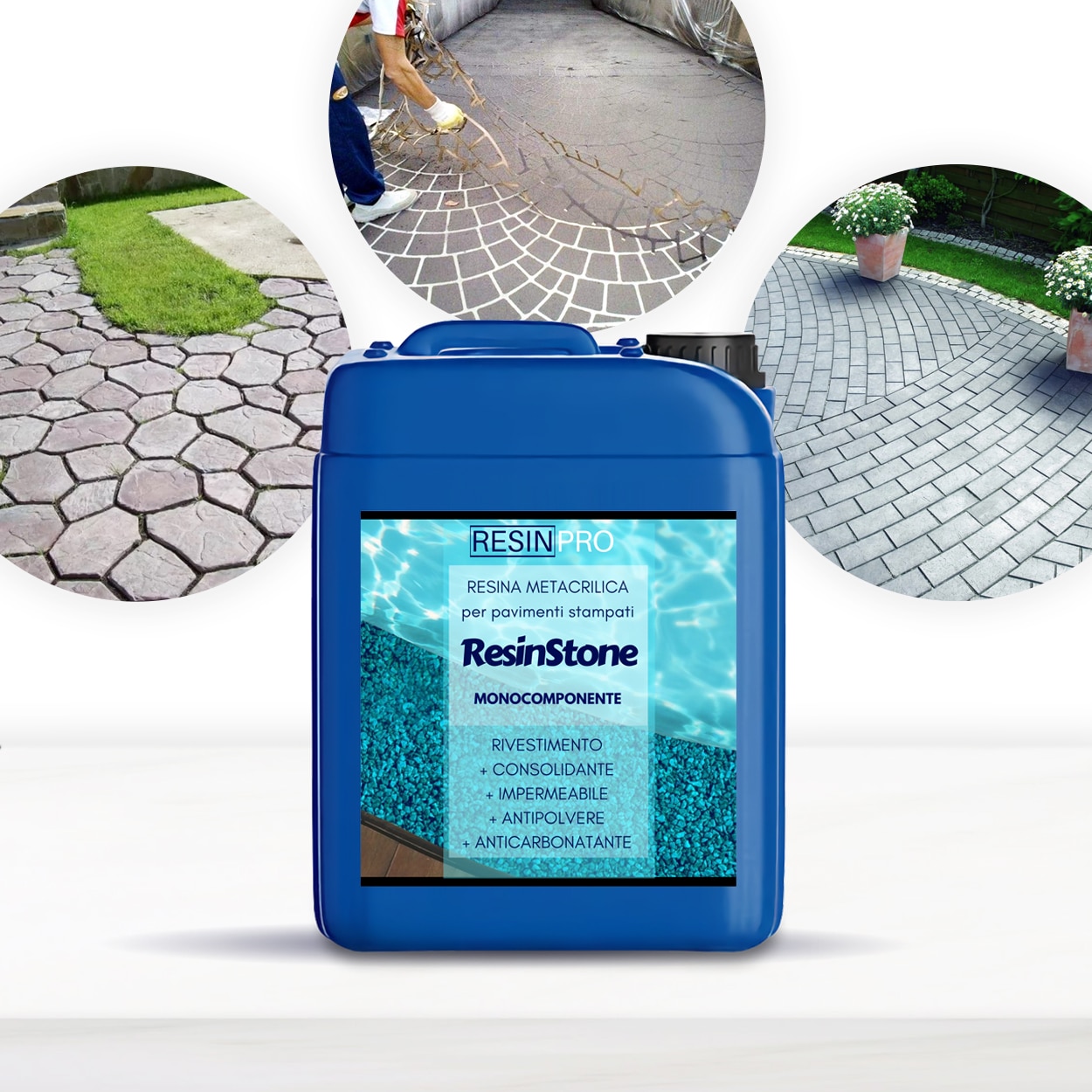 "Resinstone" – One-Component Methacrylic Resin for Concrete Floors and DrivewaysPrice range: £36.71 through £336.48"Resinstone" is a one-component methacrylic resin designed for sealing concrete floors and driveways with durable and breathable protection.
Frequently Asked Questions
What is the best way to clean a synthetic resin field?
Sweep regularly and use a pH-neutral cleaner with low-pressure water. Avoid pressure washers, as these can damage the resin.
Can pressure washers be used on a resin field?
High-pressure washers are not recommended, as they may loosen stones or erode the resin layer. Use gentle cleaning methods.
How can small cracks in the resin field be repaired?
Use a matching resin binder for spot repairs. Address cracks promptly to prevent water ingress and wider damage.
How often should a synthetic resin field be resealed?
Typically every 2–3 years, or sooner if surface gloss diminishes or wear becomes visible on high-traffic areas.
Do resin fields support moss or algae growth?
While resin is less prone to moss than other surfaces, it is still important to remove organic debris promptly and clean routinely.
Can resin-bound surfaces be used year-round?
Yes, synthetic resin fields are designed for year-round use. However, avoid severe mechanical impacts, especially when frozen.