 Free shipping on orders over £29,85
  Shipping Tracking!


 Google
 Facebook
How are epoxides obtained?
Understanding epoxide origins for resin art, restoration, and more
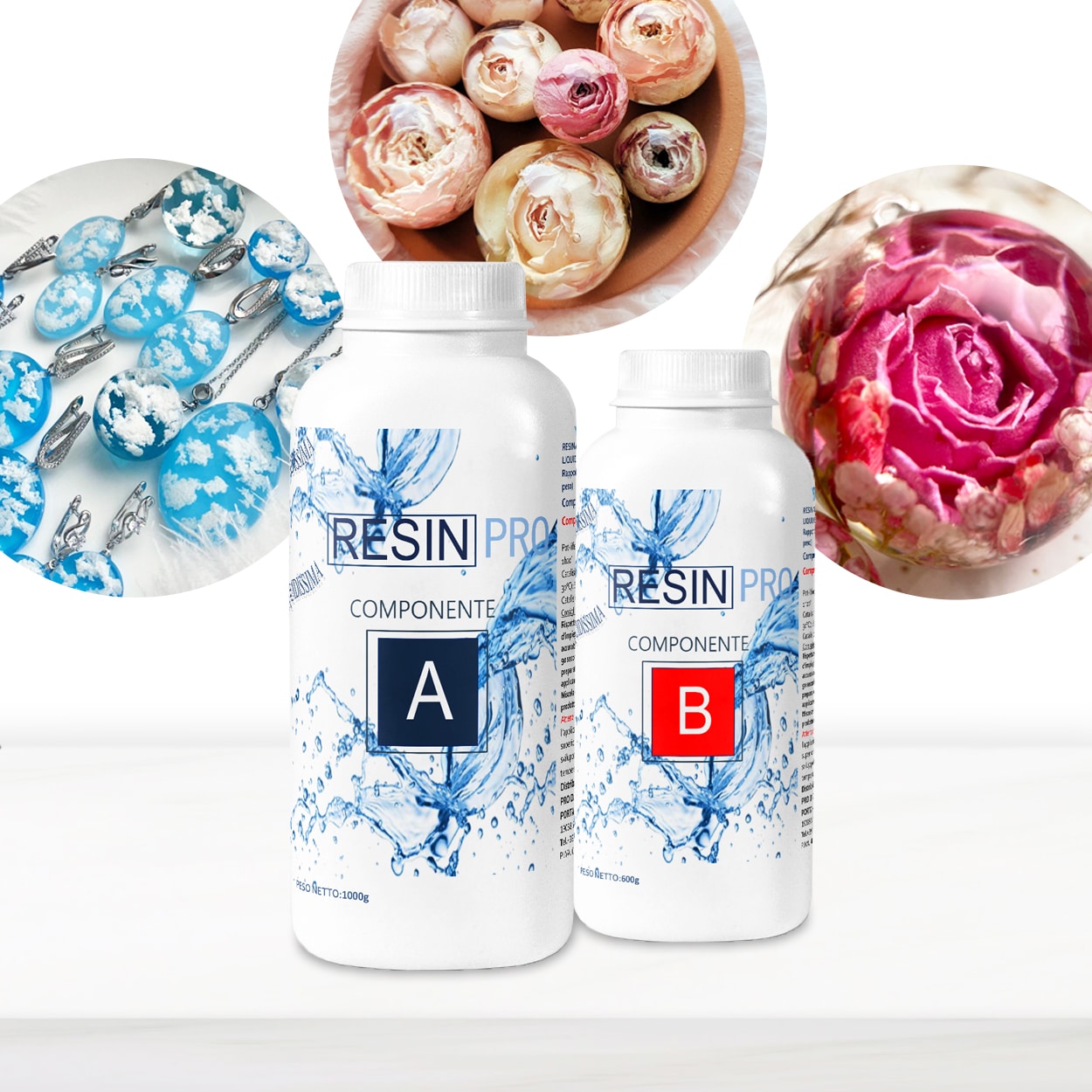

Epoxides are essential chemical building blocks used in countless resin-based art, restoration, and industrial projects. This page explains how epoxides are produced, the differences between popular epoxy resin types, and who each is best suited for—whether you are a resin artist, wood restorer, or composite enthusiast seeking clarity, durability, or technical reliability for your next project.
Understanding Epoxides: How They Are Produced and Used
An epoxide is a reactive organic compound featuring a three-membered ring from oxygen and two carbon atoms. Industrially, epoxides are typically obtained by oxidising alkenes or through the reaction of halohydrins with a base. The resulting epoxides serve as key raw materials in epoxy resins, which are then formulated for diverse needs—from crystal-clear jewellery casting to high-strength composite bonding and waterproofing for timber. Choosing the right formulation is crucial, as each resin displays unique viscosity, curing, and structural properties catering to the demands of resin crafters, makers, and technical trades.
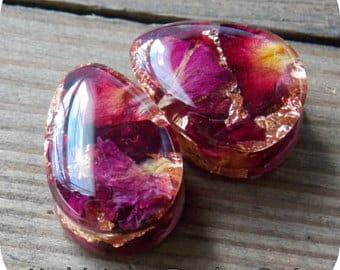
Visualising Epoxide Applications
Epoxides form the backbone of diverse resin projects — from brilliantly clear jewellery to rugged composite laminates. The chemical structure of epoxides allows modification and tuning, enabling artists and makers to achieve the perfect balance of strength, flexibility, and clarity in their creations. Real-world outcomes showcase how mastering epoxide chemistry delivers visually striking and technically robust outcomes.
“Liquidissima” – Epoxy Resin For Creations & Jewellery
“Liquidissima” – Epoxy Resin For Creations & Jewellery demonstrates the value of epoxides for artistic and precise applications. This two-component formula is specially developed for intricate castings, providing High Transparency for clear, detailed designs, Low Viscosity for complex moulds, and Minimised Air Bubbles for a flawless finish. Its Long Working Time is especially beneficial for elaborate jewellery or mixed media art pieces where accuracy is paramount. If your projects require a water-clear finish and extra time to achieve every detail, this resin is the preferred choice among jewellery makers and passionate hobbyists.
“EpoxyWood” – Wood Restoration Epoxy Resin for Deep Penetration and Waterproofing
When it comes to restoration, “EpoxyWood” – Wood Restoration Epoxy Resin for Deep Penetration and Waterproofing stands apart thanks to its Waterproofing ability and exceptional Reinforcement qualities. This resin features an Aesthetic Finish with a warm straw-yellow tint, enhancing natural wood grain, and is Eco-Conscious—being solvent and cruelty free. Its Versatile Use extends to not only furniture but also boat hulls and even fibreglass reinforcement. With ultra-low viscosity, it deeply penetrates wood, forming a hard and waterproof bond ideal for conservators and professionals working to extend the life of treasured pieces.
Pure Isopropyl Alcohol 99.9% – For Epoxy Resin Projects & DIY
Essential to high-quality resin work, Pure Isopropyl Alcohol 99.9% – 1000ml Bottle for Epoxy Resin Projects & DIY offers High Purity: and reliable Bubble Removal: from resin surfaces, playing a vital support role in achieving clarity in finished pieces. Used for Versatile Use: including cleaning electronics and preparing silicone moulds, this product can also be utilised for Creative Application: when blending pigment powders or creating unique visual effects in resin art. It is a preferred tool for artists aiming for crystal-clear, professional results free from surface imperfections.
“Carbon Resin” – Epoxy Resin for Carbon Fiber & Fiberglass Coating
“Carbon Resin” – Epoxy Resin for Carbon Fiber & Fiberglass Coating exemplifies epoxide technology in technical crafts and industrial settings. With High impact resistance, Easy application, and Glossy, professional finish, this resin ensures robust impregnation of fabrics like carbon fibre and fibreglass. Its Room temperature curing means convenience and consistency for composite engineers, model builders, and anyone requiring durable, resilient surfaces without the need for specialised equipment. It is engineered for structural reliability where strength and aesthetic finish are essential.
Tips for Selecting and Working with Different Epoxy Resins
When choosing an epoxy resin, always match the product’s viscosity, curing time, and finish to your project’s demands. For detailed moulds or clear castings, opt for options designed for High Transparency and Long Working Time. For woodwork, seek penetrating formulations with Reinforcement and Waterproofing properties. In composite work, prioritise impact resistance and smooth impregnation. Always work in a clean, dry environment, and use high-purity alcohols for surface preparation or flaw correction. Test small areas before full application to ensure compatibility, especially when combining unique materials or seeking a specific aesthetic effect.
Project Success with the Right Epoxide
Choosing the correct epoxy resin transforms your project results. Whether reinforcing timber, eliminating bubbles in resin art, or laminating carbon fibre, selecting the formulation that aligns with your priorities — be it clarity, penetration, or structural performance — ensures lasting quality and a flawless professional outcome.
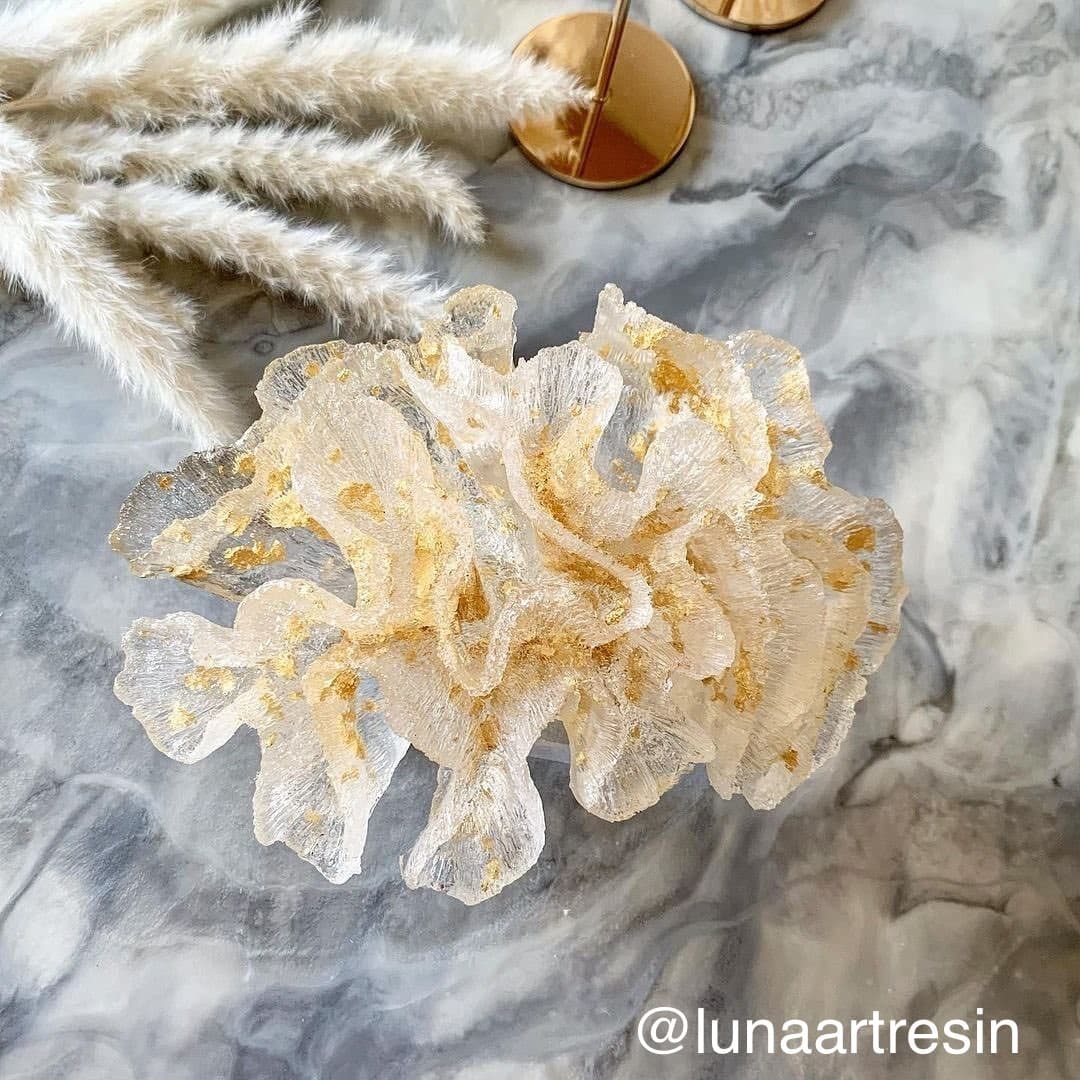
- "Liquidissima" – Epoxy Resin For Creations & JewelleryPrice range: £12.85 through £31.85Liquidissima epoxy resin offers clarity and longer working time for detailed jewellery with a clear, self-levelling finish.
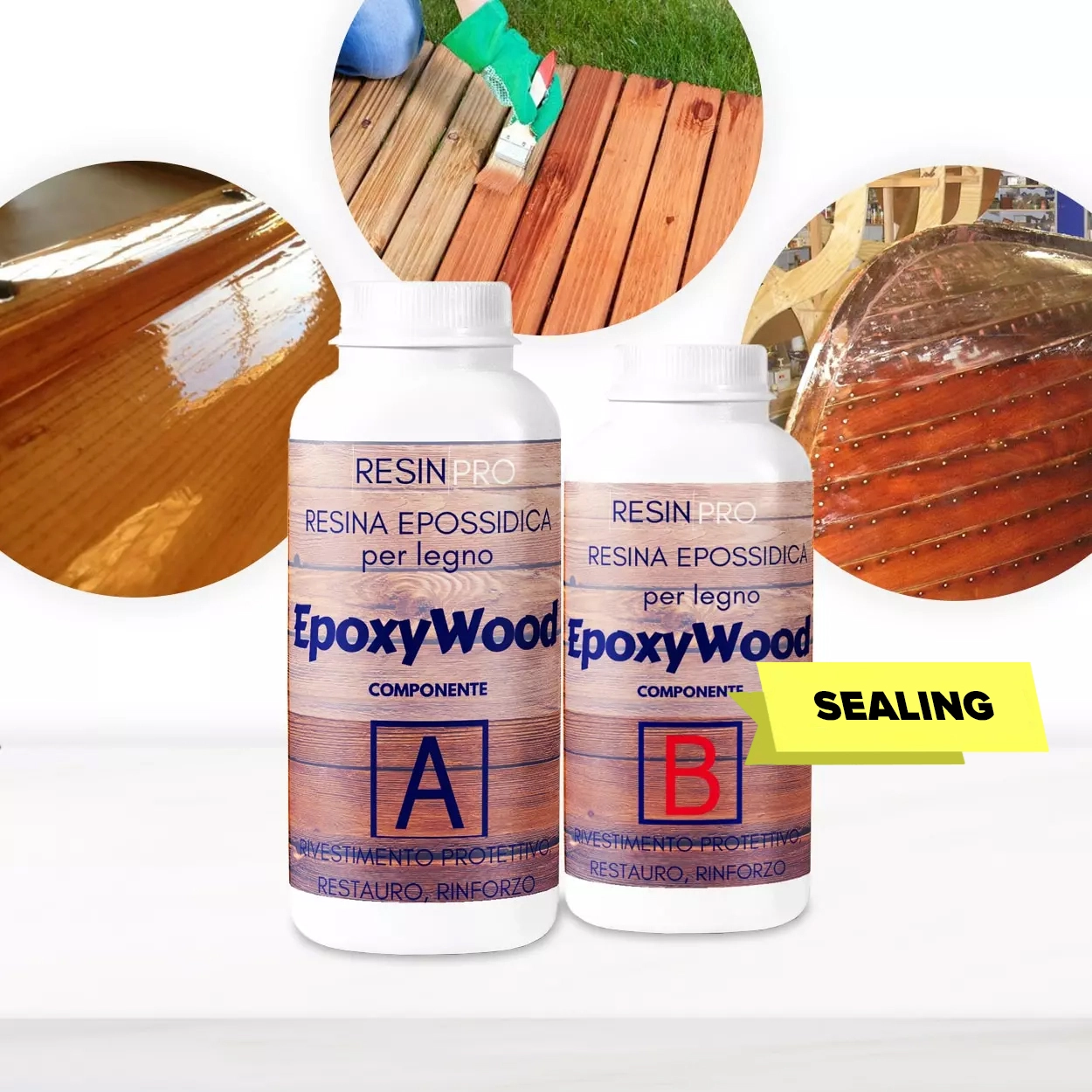 "EpoxyWood" – Wood Restoration Epoxy Resin for Deep Penetration and WaterproofingPrice range: £27.95 through £41.95EpoxyWood is designed for repairing and protecting wooden surfaces with deep penetration and a waterproof, natural finish.
- Pure Isopropyl Alcohol 99.9% – 1000ml Bottle for Epoxy Resin Projects & DIYPrice range: £10.45 through £20.95Pure Isopropyl Alcohol 99.9% in 1000ml is designed for epoxy resin projects to aid bubble removal and creative effects.
 "Carbon Resin" – Epoxy Resin for Carbon Fiber & Fiberglass CoatingPrice range: £19.95 through £37.95Epoxy resin designed for carbon fibre and fibreglass offering reliable impregnation and structural integrity in composite applications.
Frequently Asked Questions
What are the main differences between epoxy resins?
Epoxy resins differ in viscosity, curing time, transparency, and specific use cases, such as jewellery, wood reinforcement, or composite fabrication.
Which epoxy resin type is best for jewellery?
Low-viscosity, high-transparency resins like Liquidissima are preferred for intricate moulds and jewellery making.
Which resin should I use for restoring exterior wood?
EpoxyWood is specifically designed to seal, penetrate, and reinforce wood surfaces exposed to weather.
How do I eliminate bubbles from epoxy resin surfaces?
Applying pure isopropyl alcohol to wet resin helps release trapped air, resulting in a smooth finish.
What resin is best for carbon fibre and fibreglass?
Formulations like Carbon Resin are ideal, ensuring bubble-free impregnation and durable structural results.
Are epoxy resins suitable for both professional and DIY applications?
Yes, different epoxy resins are tailored for professionals, hobbyists, and artists, depending on required properties.