 Free shipping on orders over £29,85
  Shipping Tracking!


 Google
 Facebook
How to use antifosphate resins?
Expert advice for preparation, mixing, and applying antifosphate resins
Mastering antifosphate resin application ensures professional-level results for restoration, waterproofing, and artistic or modelling projects. This step-by-step guide covers the essential preparation, mixing, and curing techniques, empowering both beginners and experienced users to achieve long-lasting, high-quality finishes.

What You’ll Need
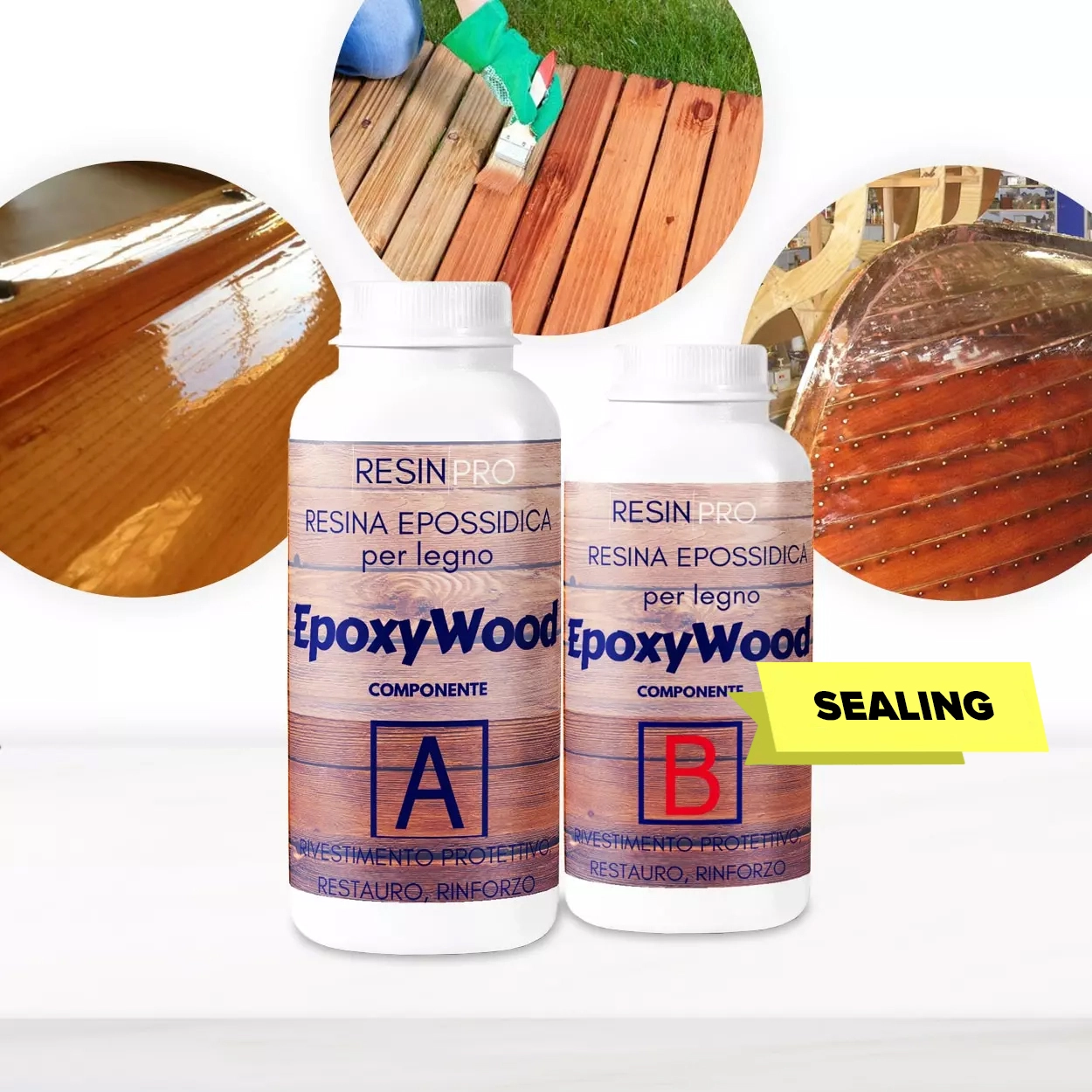
- “EpoxyWood” – Wood Restoration Epoxy Resin for Deep Penetration and Waterproofing: Ideal for reinforcing and waterproofing wooden surfaces.
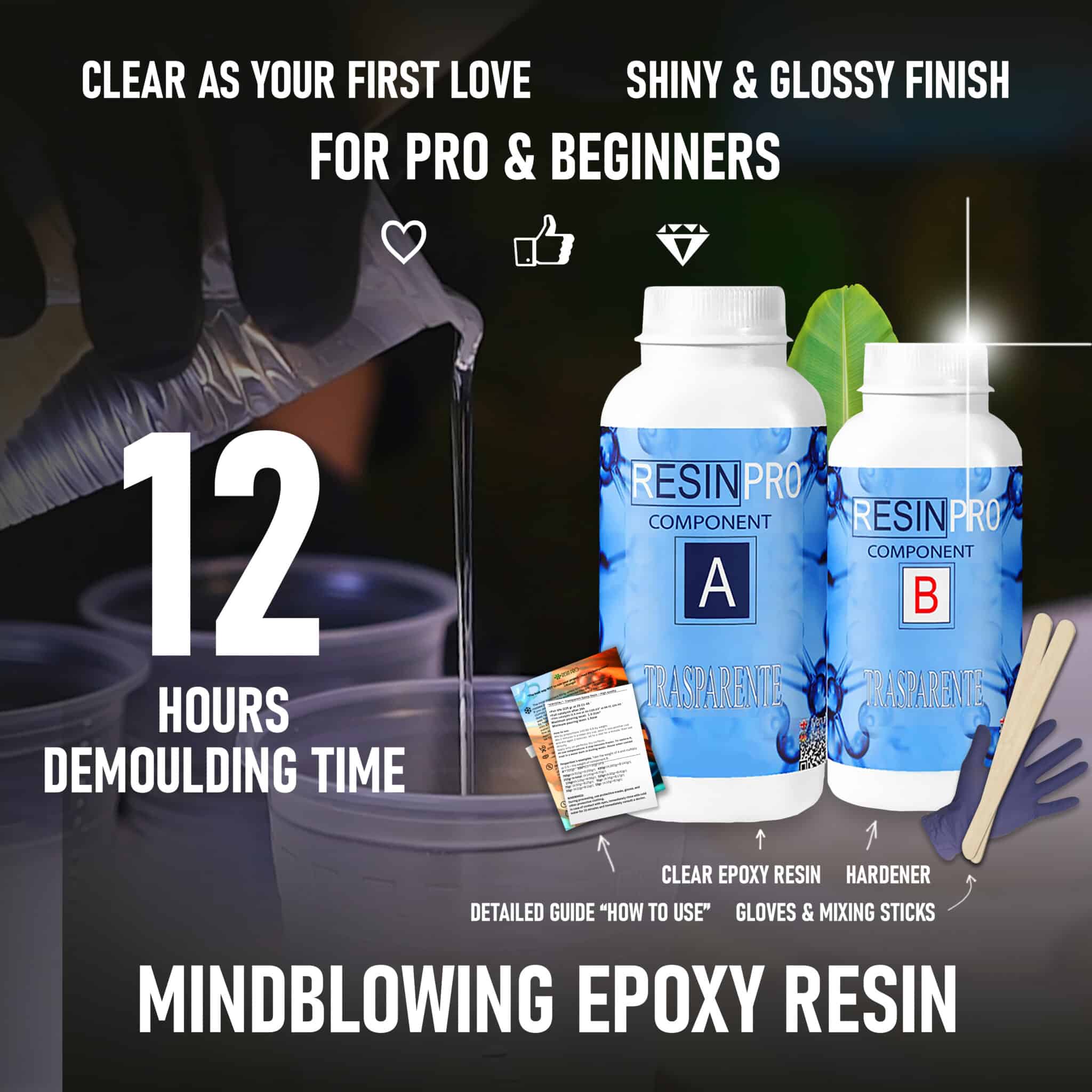
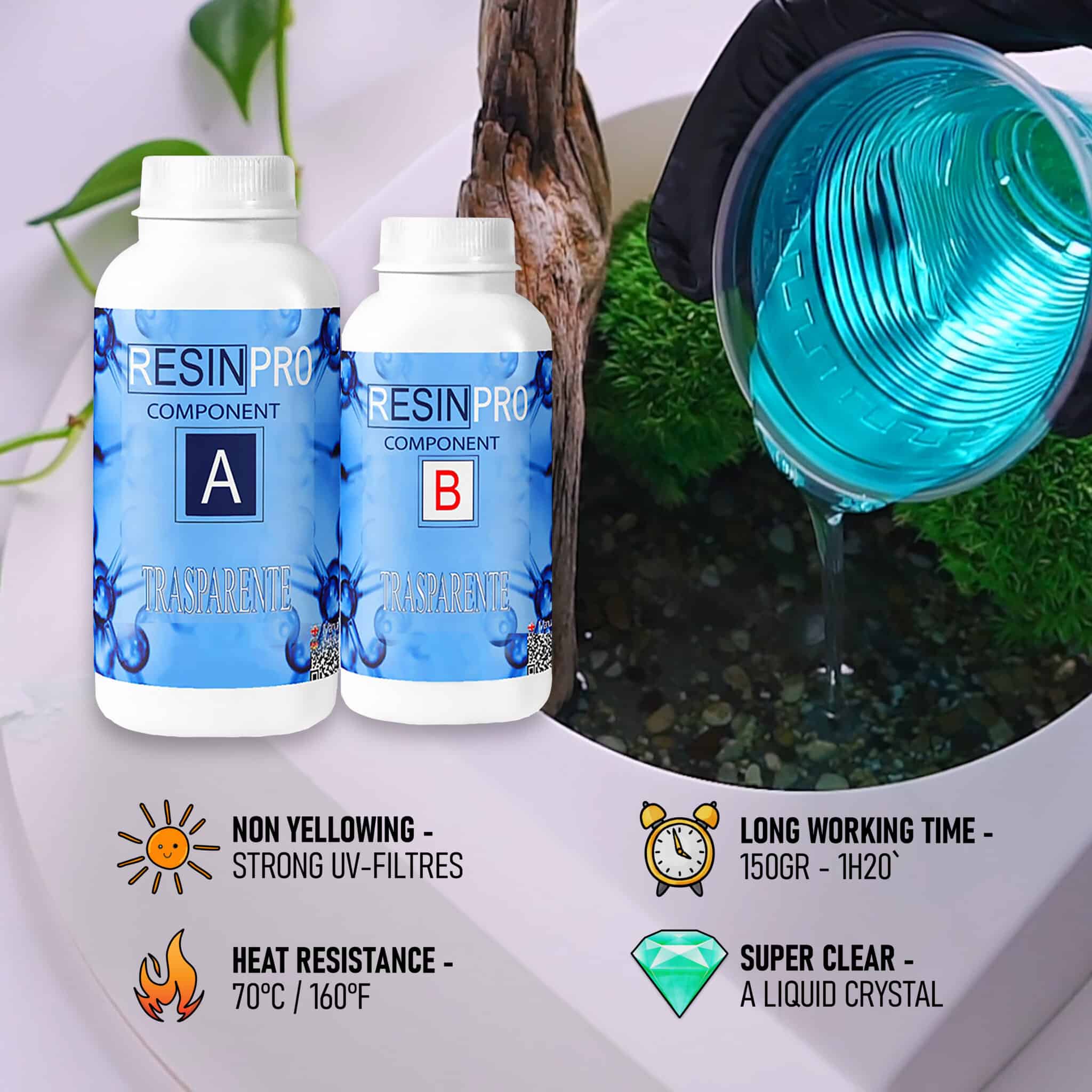
- “Trasparente” – Multipurpose Clear Epoxy Resin for Casting – Up to 2cm: Perfect for clear, detailed castings up to 2cm thick.
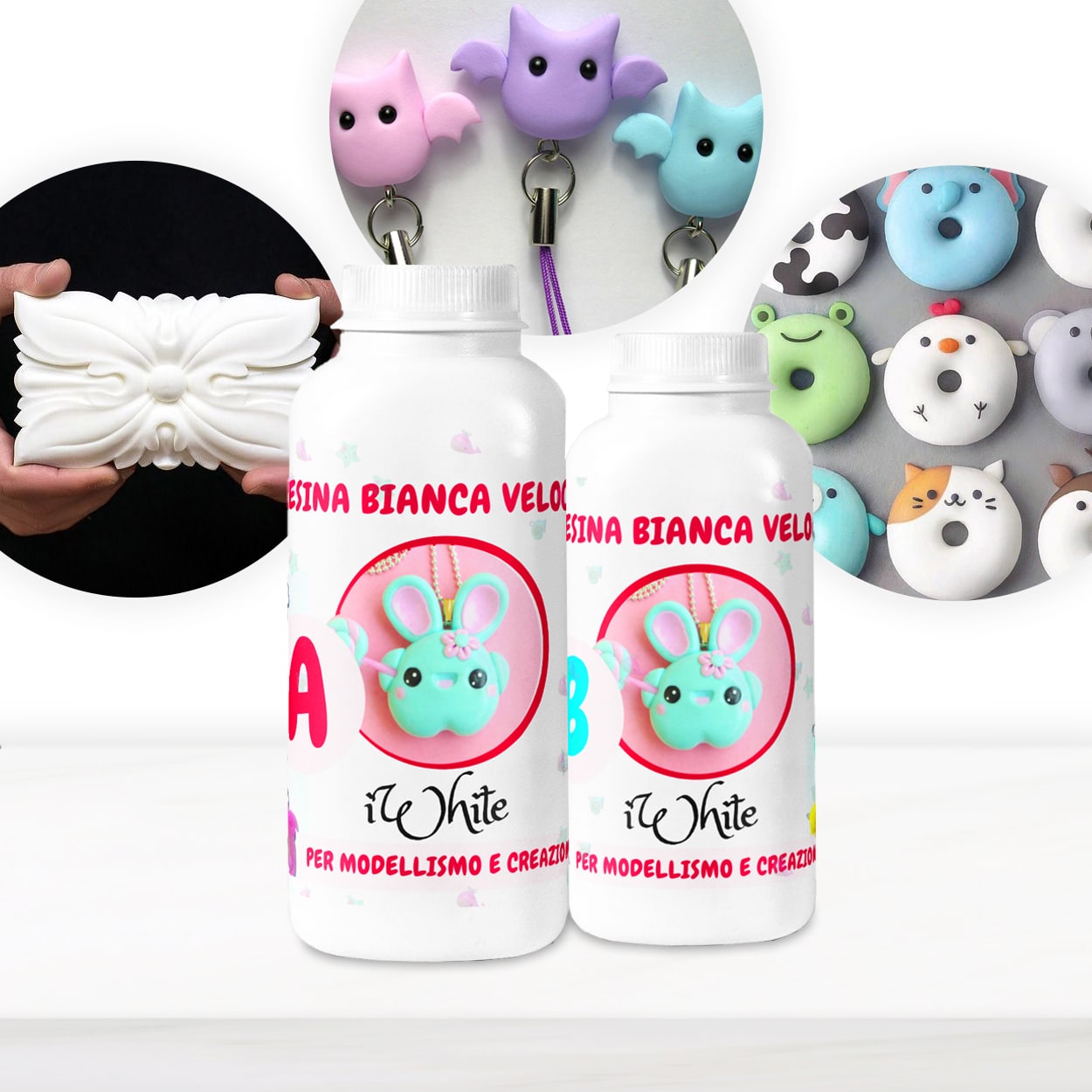
- “IWhite” – Polyurethane Casting Resin – White, Fast-Curing Two-Part System: For rapid prototyping and mould making.
- “Art Pro” – Clear Epoxy Resin for Artists and Surface Coating: Suited for thin resin art coatings and flat surfaces.
- Mixing containers and stirring sticks
- Nitrile gloves, eye protection, and protective clothing
- Sandpaper or abrasive pads (for surface prep)
- Masking tape (for edge control)
- Well-ventilated workspace
Essential Tools and Workspace Preparation
Choose a dust-free, well-ventilated area for all resin mixing and application. Lay out all your tools before starting. Prepare personal protective equipment, containers, and surface protection so everything is within easy reach.
Step 1: Prepare the Surface
Ensure surfaces are clean, dry, and free from dust before you begin. Sand down any roughness and remove loose particles with a lint-free cloth. Paying attention to preparation minimises the risk of contamination, bubbles, or poor adhesion. For wood, make sure it is fully dry and sanded; for moulds, ensure all release agents are removed.
Mask off adjacent areas if necessary, especially on flat or vertical surfaces where resin run-off could occur. Good preparation is crucial in achieving professional and durable outcomes.

Step 2: Measure and Mix the Resin
Refer to your resin’s specific instructions for the required mixing ratio. For example, “Art Pro” – Clear Epoxy Resin for Artists and Surface Coating features a 3:2 ratio by weight, while other products may differ. Use accurate scales or supplied measuring tools.
Measure and mix precisely to avoid curing failures. Start by pouring the hardener and resin into a clean container, and stir slowly to prevent aeration. Scrape the sides and base to incorporate all material. Incomplete mixing can lead to sticky or soft spots in the final product.
Step 3: Apply the Resin Carefully
Pour or spread resin onto your prepared surface, ensuring a smooth coat or complete mould fill. For wood reinforcement or waterproofing, work the product such as “EpoxyWood” – Wood Restoration Epoxy Resin for Deep Penetration and Waterproofing into the grain using a brush or roller. For art projects, use a spreading tool for even coverage and to achieve a glass-like finish.
When casting with “Trasparente” – Multipurpose Clear Epoxy Resin for Casting – Up to 2cm, pour in layers not exceeding 2cm to avoid overheating. Use protective equipment throughout—work in a well-ventilated area and use protective gloves—as uncured resin can irritate skin or airways.


Step 4: Curing and Finishing Touches
Allow the resin to cure undisturbed for the time recommended by the product (e.g., 12–24 hours for full hardness). Avoid moving the piece or exposing it to dust during this period.
Do not rush curing times, as this affects long-term durability. If working with rapid-cure formulations like “IWhite” – Polyurethane Casting Resin – White, Fast-Curing Two-Part System, demould gently once fully set. For finishing, sand any rough edges, and buff or polish for a high-gloss surface where required.
Tips, Common Mistakes, and Troubleshooting
Store leftover resin correctly to maintain quality. Keep containers tightly closed and in a cool, dry place. Always use resins within their shelf life for best results.
Common pitfalls include inadequate mixing, pouring too thick, or working in cold/humid environments, which can all affect curing. Crack prevention relies on following recommended pour depths; for example, never exceed 2cm per layer with “Trasparente”. If you notice surface haze or bubbles, apply heat gently (e.g., use a heat gun) in a controlled manner. Clean up spills immediately and dispose of used mixing utensils responsibly.

Safety Focus: Handling and Aftercare
Dispose of resin waste safely and avoid pouring excess down drains. After use, wipe tools with a suitable solvent and wash hands thoroughly. Label containers clearly and store out of reach of children and pets.
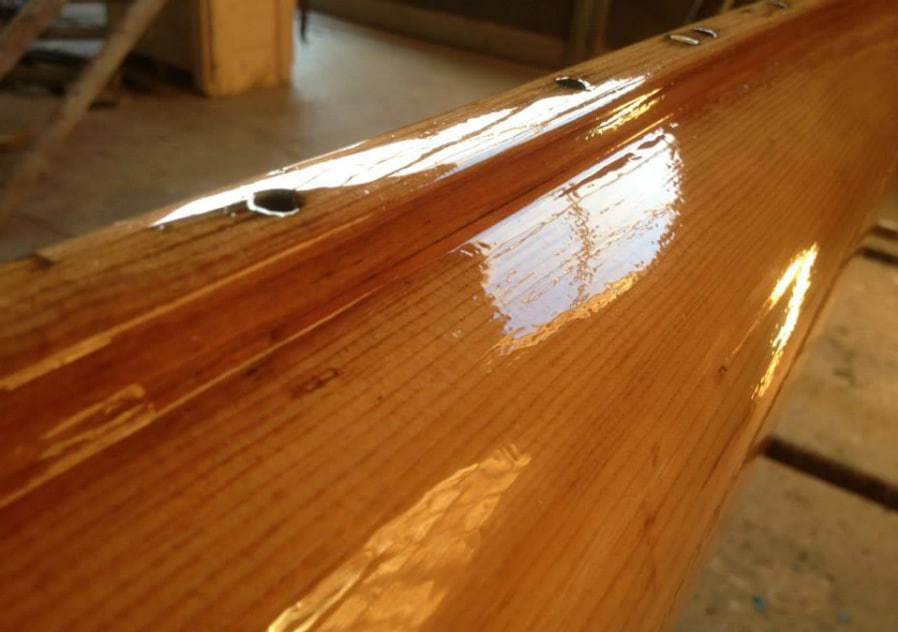
- "EpoxyWood" – Wood Restoration Epoxy Resin for Deep Penetration and WaterproofingPrice range: £27.95 through £41.95EpoxyWood is designed for wood restoration with deep penetration and waterproofing, offering a warm finish suitable for woodworking projects.
- "Trasparente" – Multipurpose Clear Epoxy Resin for Casting – Up to 2cmPrice range: £8.95 through £397.95"Trasparente" is a clear multipurpose epoxy resin suitable for casting layers up to 2cm with a self-levelling, glossy finish.
- “IWhite” – Polyurethane Casting Resin – White, Fast-Curing Two-Part SystemPrice range: £24.00 through £36.95“IWhite” is a fast-curing polyurethane resin designed for detailed casting and fast prototyping in a craft or modelling context.
 "Art Pro" – Clear Epoxy Resin for Artists and Surface CoatingPrice range: £19.95 through £267.95"Art Pro" clear epoxy resin is suitable for artists and crafters requiring durable, transparent coatings with UV protection and easy mixing.
Frequently Asked Questions
How should I prepare surfaces before applying antifosphate resin?
Ensure surfaces are clean, dry, and sanded. Remove all dust for proper resin adhesion.
What is the correct mixing ratio for antifosphate resins?
Always check the manufacturer's instructions—ratios may vary. Measure accurately by weight or volume as directed.
What temperature is best for curing antifosphate resin?
Ambient temperatures between 18°C and 24°C help achieve a strong, bubble-free cure.
How can I prevent bubbles when using antifosphate resin?
Mix slowly to avoid aeration. Use a heat gun carefully after pouring to dispel bubbles.
What is the maximum recommended thickness per pour?
Never exceed the pour thickness recommended in instructions, often 1–2cm per layer, to avoid overheating or incomplete curing.
What protective gear should I use with antifosphate resin?
Wear nitrile gloves, safety goggles, and long sleeves. Work in a ventilated area to minimise exposure.
Can I colour or pigment antifosphate resin?
Yes, most antiphosphate resins can be coloured with compatible pigments. Add pigment during mixing for best results.