 Free shipping on orders over £29,85
  Shipping Tracking!


 Google
 Facebook
How to renew resin grout?
Step-by-step guide for long-lasting, rejuvenated joints
If your resin grout is showing signs of ageing, discolouration, or cracking, renewing it can transform both the look and durability of your tiled or stone surfaces. This guide walks you through each stage of the renewal process, from preparation to application and curing, ensuring professional results whether revamping a kitchen, bathroom, patio, or decorative outdoor area.
We’ll highlight proven techniques and essential tools so you can achieve a flawless finish while maximising the lifespan of your grouted joints.
What You’ll Need
- Protective gloves, dust mask, cleaning cloths and safety goggles
- Grout removal tool or oscillating multi-tool
- Vacuum or brush for dust removal
- Bucket of clean water and mild detergent
- Mixing spatula and application trowel
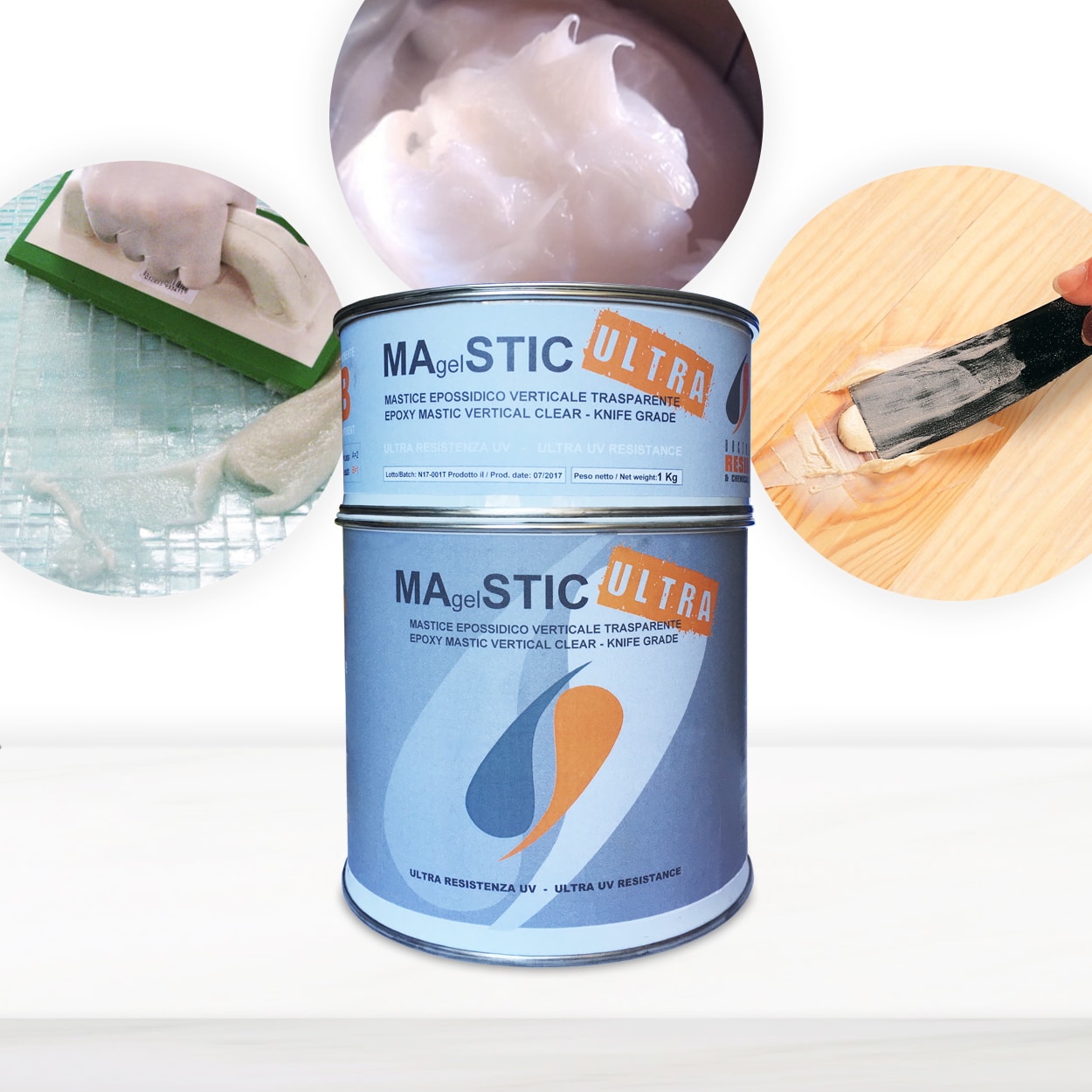
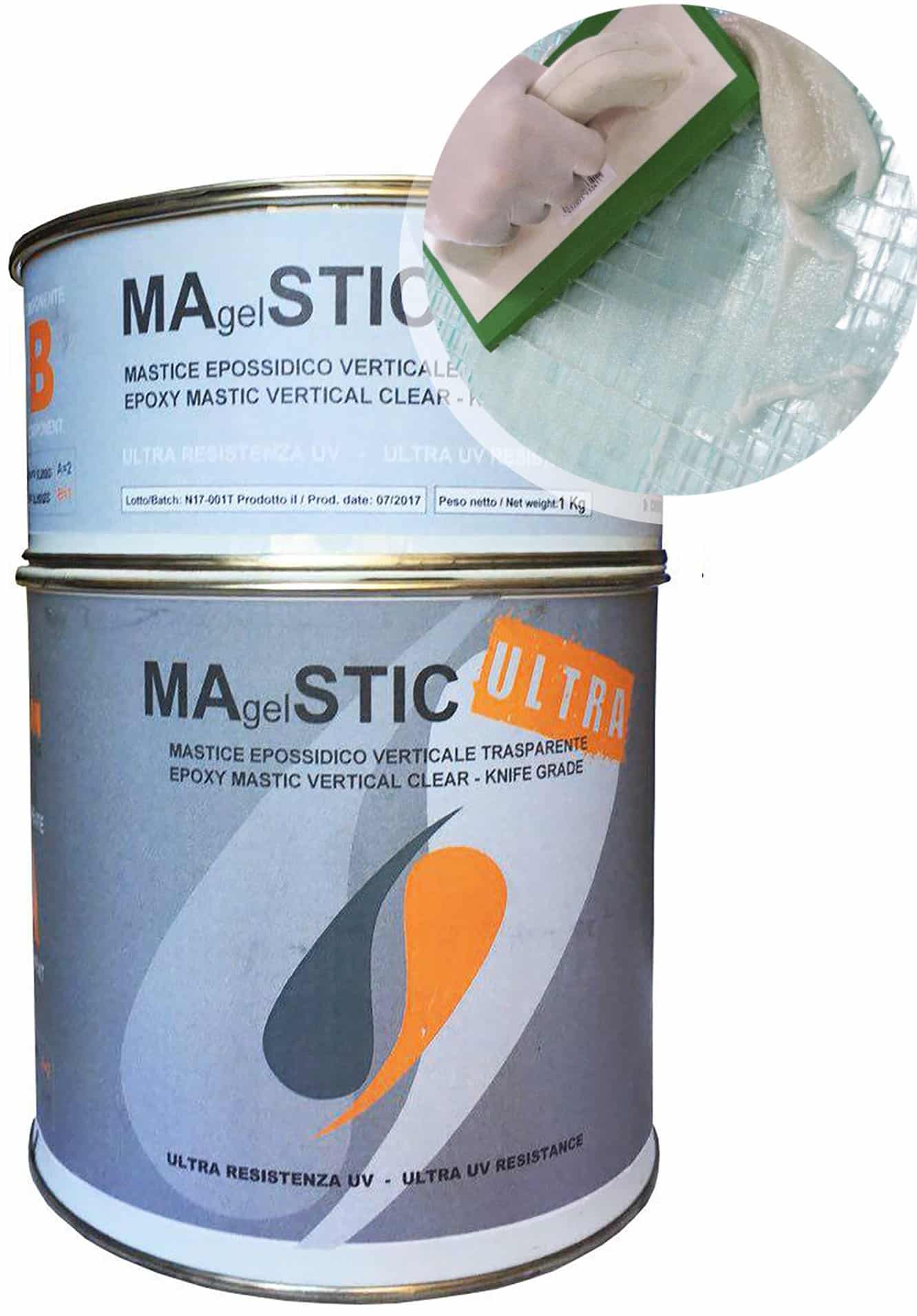
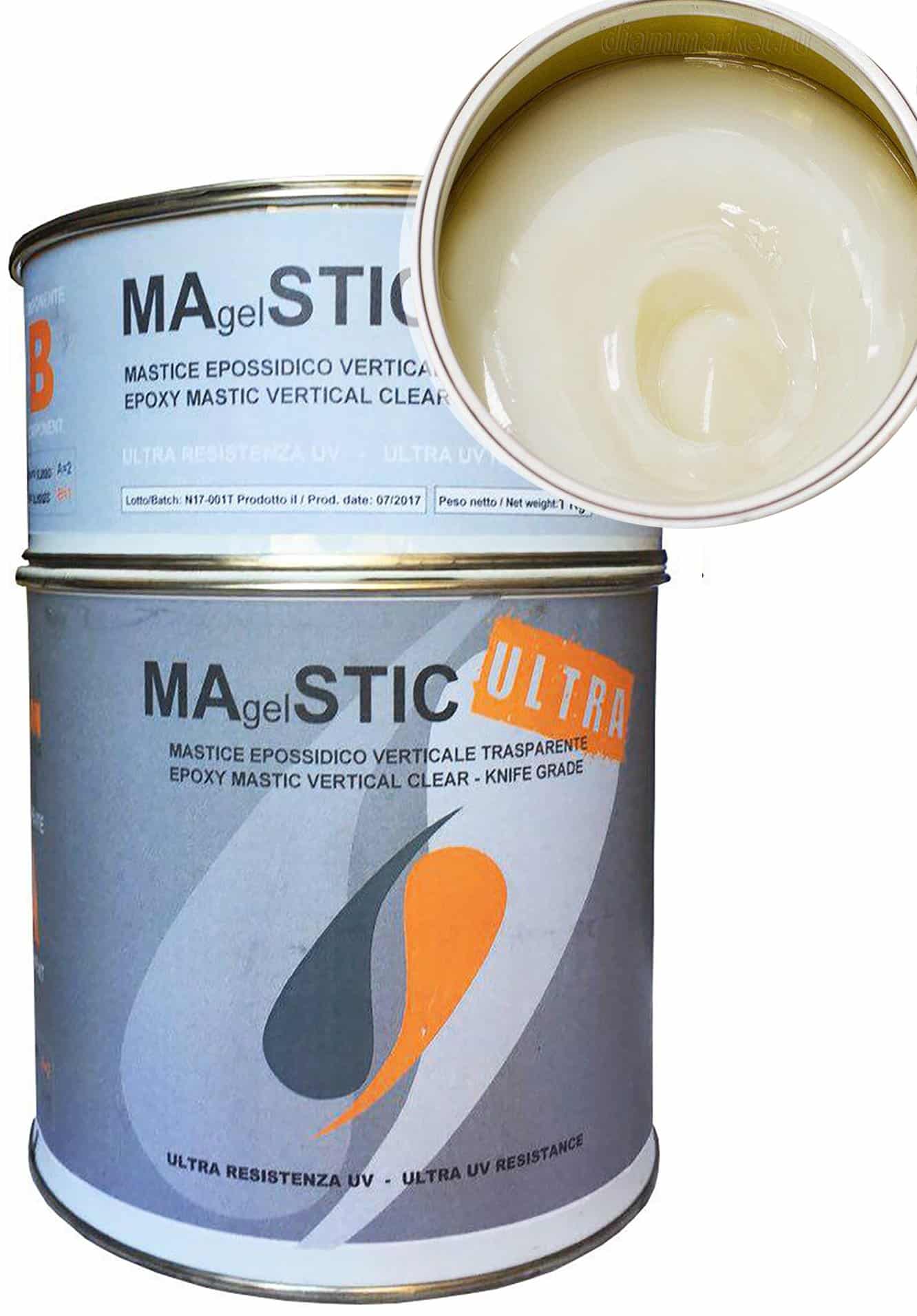
- “Magelstick” – Epoxy Mastic for Stone, Metal, and Cement Bonding and Grouting (for restoring grout in stonework or vertical joints)
- “Polirock” – Polyurethane Binder for White Stones, 2kg Two-Component Kit (for outdoor, permeable, white-stone joints)
- “Trasparente” – Epoxy Binder for Coloured Pebbles and Grits (for coloured pebble or decorative grout renewal)
- “Flowstone” – Complete Permeable Floor Kit with Pebbles and Resin (for comprehensive outdoor floor or full joint restoration)
Essential Tools and Product Choices for Each Surface
The right tools and resin are critical to renewing grout successfully. For stone or vertical joints, epoxy mastics are ideal. For outdoor, permeable floors, opt for polyurethane or transparent epoxy binders formulated for your aggregate colour. Always match your product to the surface and environment for best results.
Step 1: Remove Old or Damaged Grout
Begin by carefully extracting the existing resin grout using a grout removal tool or oscillating multi-tool fitted with a suitable blade. Work slowly to avoid damaging surrounding tiles or stones. Focus on areas that are cracked, loose, or discoloured, and remove any sections that have lost adhesion to the substrate.
Remove all loose or damaged grout to ensure the new application bonds securely to the substrate. Vacuum or brush away any dust and debris left behind, as these will hamper the adhesion of your new resin grout.
Step 2: Clean and Prepare the Surface
With the old grout removed, thoroughly clean the joints, surrounding tiles, and stones. Use mild detergent and clean water to remove any grease, dirt, or remnants of the old grout. After cleaning, rinse with fresh water and allow the area to dry completely.
Cleanliness is key—any dust, oil, or moisture remaining in the joints could weaken the bond or cause imperfections in the finished result.

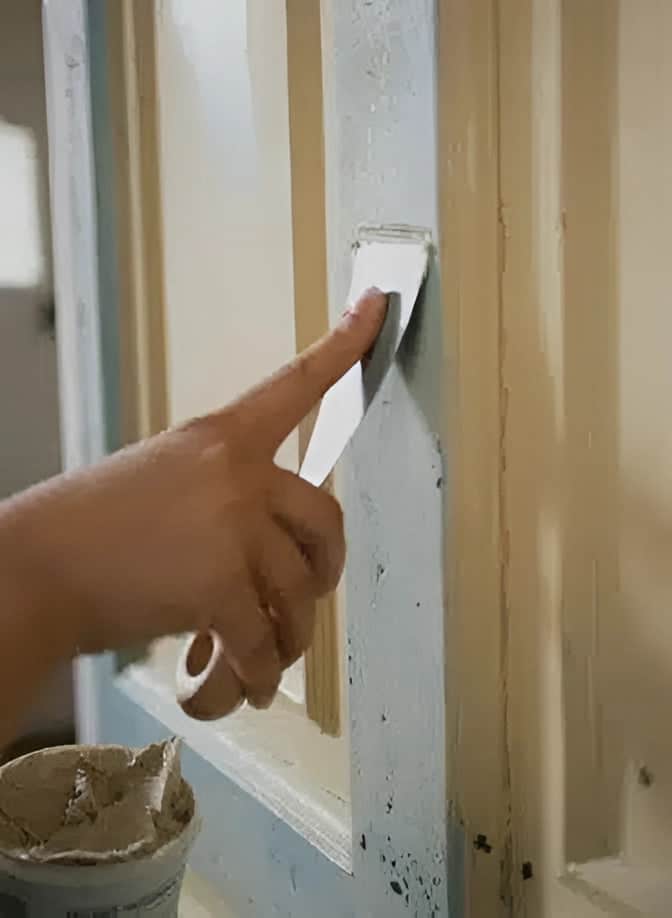
Step 3: Mix Your Resin Grout
Prepare your chosen resin grout or binder according to product instructions. Carefully follow the specified mixing ratios and stir components thoroughly for an even consistency. For vertical stone, metal, or cement surfaces, “Magelstick” – Epoxy Mastic for Stone, Metal, and Cement Bonding and Grouting is well-suited as its thixotropic formula prevents sagging and allows for precise, neat joints.
If working outdoors with white stone or natural gravel, “Polirock” – Polyurethane Binder for White Stones offers weather resistance and a clear, non-yellowing finish. For coloured aggregates or decorative effects, choose “Trasparente” – Epoxy Binder for Coloured Pebbles and Grits for UV-stable durability.
Test compatibility on a small area first if you are unsure which binder best matches your substrate or design.
Step 4: Apply the New Resin Grout
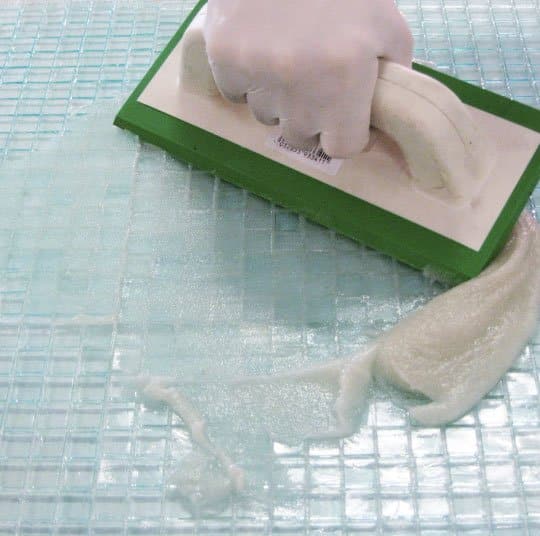
Once mixed, swiftly apply the resin grout to your prepared joints using a trowel or spatula, pressing it firmly into each space and ensuring complete fill. For easy and thorough renewal of larger outdoor areas, or when working on permeable floors, the “Flowstone” – Complete Permeable Floor Kit with Pebbles and Resin provides comprehensive instructions and all-in-one materials.
Apply resin grout in small, manageable batches—epoxy and polyurethane products have set working times. Ensure joints are level with surrounding surfaces, wiping away excess before the resin begins to harden.


Step 5: Finishing and Curing
Check for uniform fill and smooth any irregularities immediately before the resin starts to set. Avoid disturbing the area during curing as early movement can disrupt the finish or compromise bond strength. Refer to the product guidelines for full curing times—typically, surfaces can be lightly used after 10–24 hours and fully cured in 1–3 days depending on the product and conditions.
Allow proper curing time for long-lasting, resilient joints—avoid moisture, impact, or cleaning until the resin is fully set.
Tips for a Perfect Finish and Common Mistakes to Avoid
Always work in well-ventilated spaces and protect nearby surfaces. Plan your work to avoid extreme temperatures or high humidity, as these can affect curing and adhesion. Overfilling, insufficient cleaning, or rushing the cure will undermine your results. If in doubt, consult your product’s instructions for mixing, coverage, and aftercare.
Visual Guides for Professional Resin Grout Renewal
Before-and-after projects show the dramatic difference proper renewal can make. Visual step-by-steps, surface close-ups, and project photos illustrate the improved finish, from restored interior tile grout to revitalised outdoor pebble surfaces.
- "Magelstick" – Epoxy Mastic for Stone, Metal, and Cement Bonding and Grouting"Magelstick" Epoxy Mastic is designed for precise bonding and grouting on stone, metal and cement, suitable for renewal of resin grout in restoration…
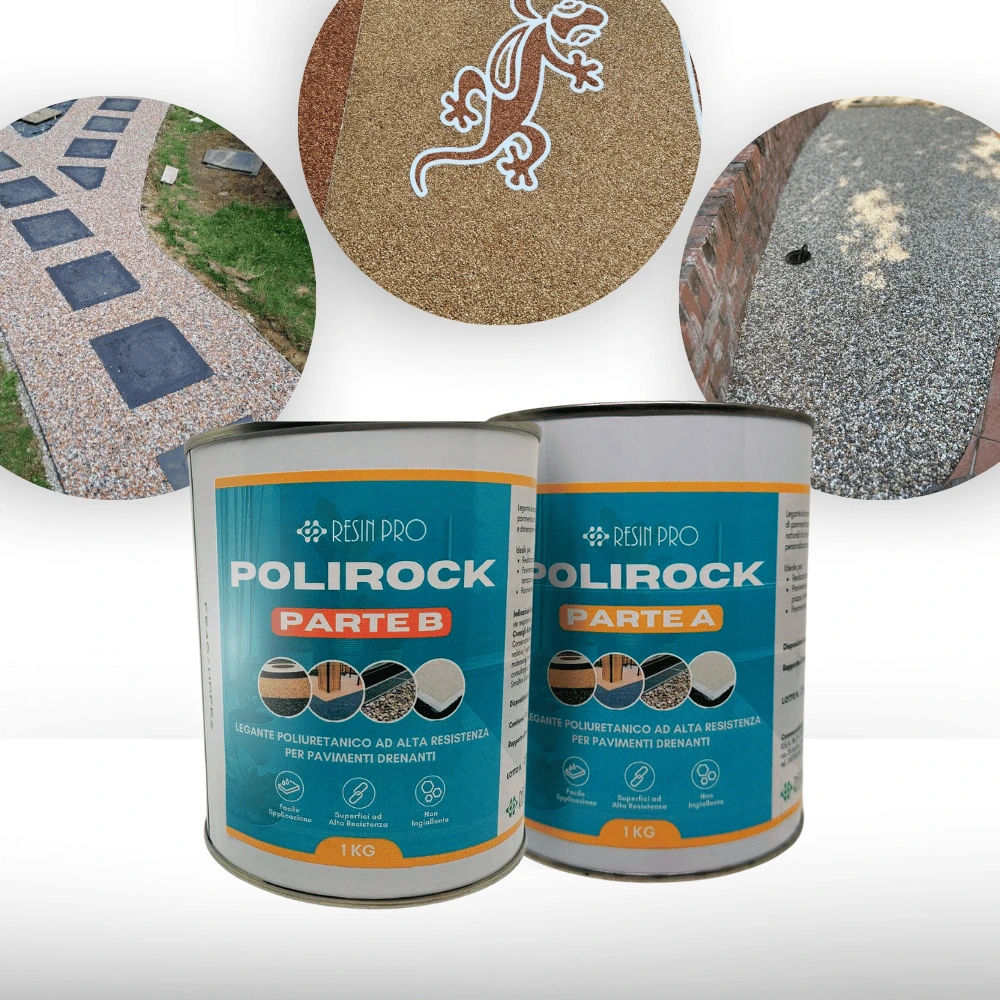
- "Polirock" – Polyurethane Binder for White Stones, 2kg Two-Component Kit£61.95Polirock is a two-component polyurethane binder designed for durable, decorative outdoor stone surfaces with permeable and anti-slip finish.
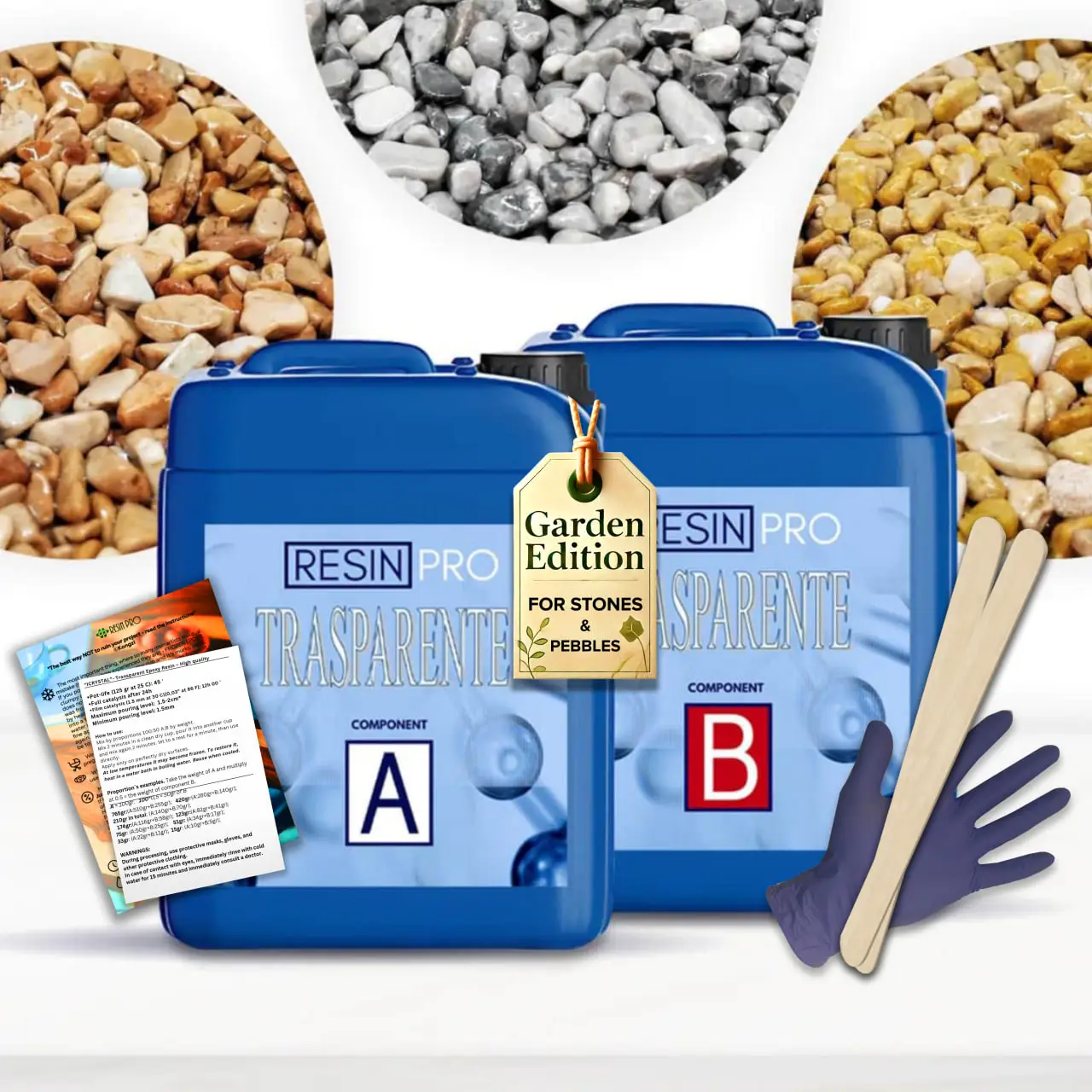 "Trasparente" – Epoxy Binder for Coloured Pebbles and GritsPrice range: £33.45 through £397.95Transparent epoxy binder designed for coloured pebbles and grits, providing a clear, UV-resistant finish suitable for decorative floors.
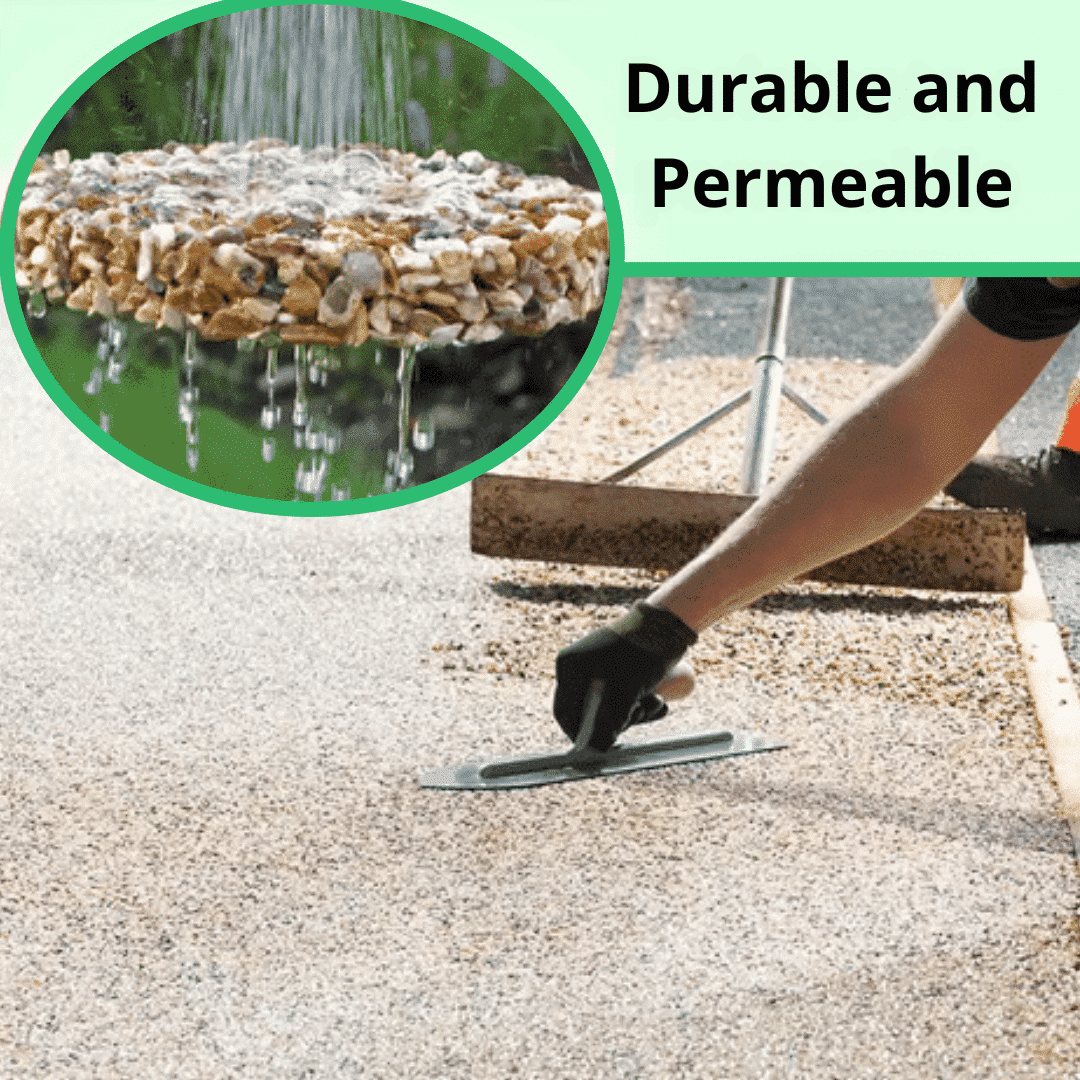 "Flowstone" – Complete Permeable Floor Kit with Pebbles and ResinPrice range: £49.95 through £3,915.45"Flowstone" is a durable, permeable pebble and resin kit for outdoor flooring with an easy application process for renewing patios and paths.
Frequently Asked Questions
What is the best resin grout type for my project?
Choose an epoxy mastic for stonework, polyurethane for white outdoor aggregates, or transparent epoxy for coloured pebbles.
How long does renewed resin grout typically last?
When properly applied, resin grout can last 10–20 years with minimal maintenance, especially on protected or indoor surfaces.
Is resin grout renewal a DIY-friendly project?
Yes—most products are suitable for DIY use. Simple tools and following instructions closely are key for success.
How do I prevent yellowing or discolouration of resin grout?
Use UV-stable binders on exposed surfaces and select products specifically formulated to resist yellowing.
When is it safe to use the area after resin grout renewal?
Light use is generally possible after 10–24 hours, while full curing and heavy use may require up to 3 days.
Must I remove all the old resin grout before applying the new?
It's best to remove any loose, damaged, or discoloured grout to ensure the new resin bonds securely.