 Free shipping on orders over £29,85
  Shipping Tracking!


 Google
 Facebook
How to Tell Resin from Ivory?
Simple techniques to distinguish resin objects from real ivory

Distinguishing resin from ivory can be challenging, especially as modern manufacturing techniques recreate the look and feel of genuine ivory with remarkable accuracy. Whether you’re an antique enthusiast, collector, or jewellery maker, knowing how to tell these materials apart is crucial for authenticity, ethical reasons, and proper care. This guide breaks down the most reliable, practical ways to identify resin and ivory so you can feel confident in your assessments.

What You’ll Need
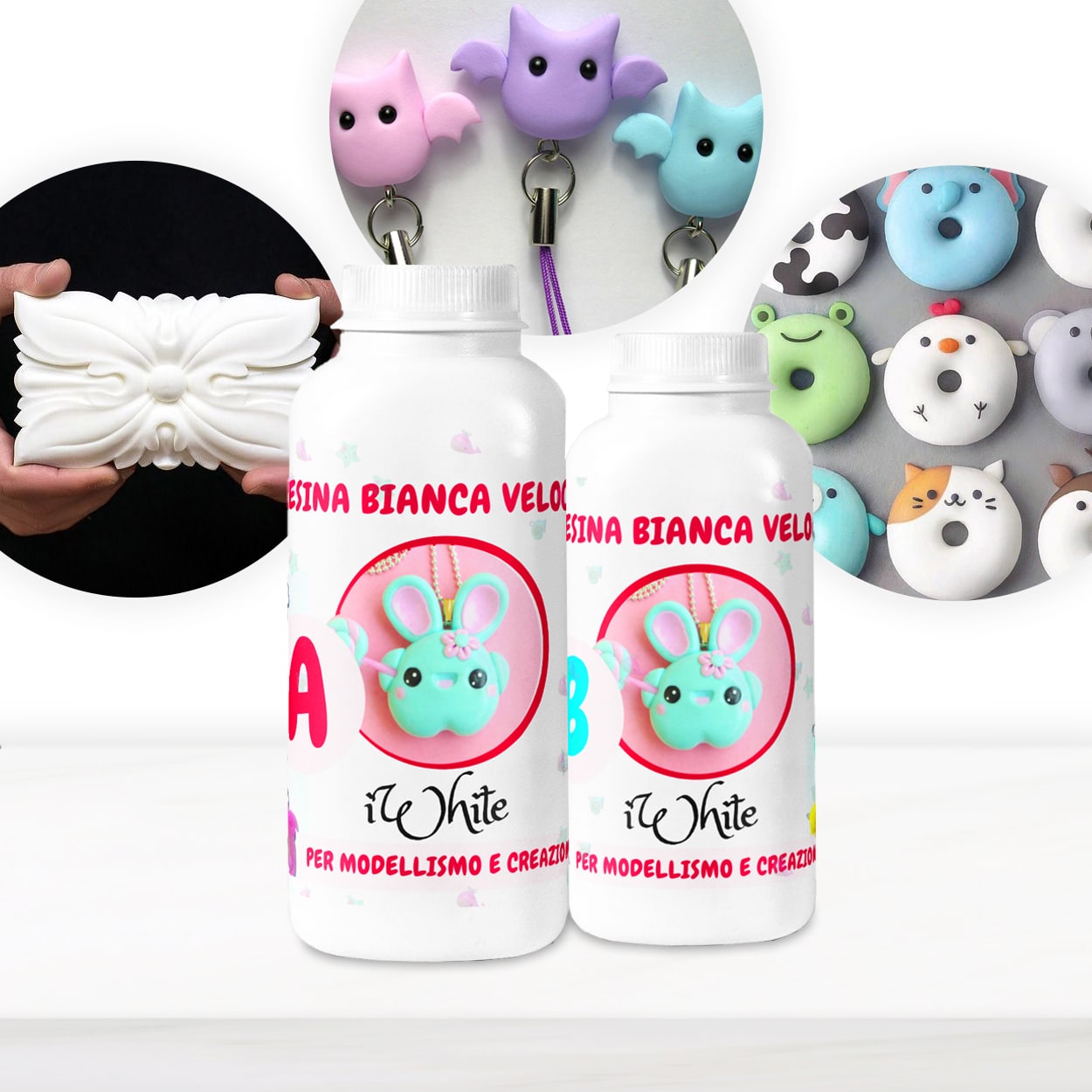
- “IWhite” – Polyurethane Casting Resin – White, Fast-Curing Two-Part System: A reference for visual and tactile comparison if you have a known resin piece.
- “Icrystal” – Clear Epoxy Resin – Odourless Formula – Up to 1.5cm: Compare high clarity resin to real ivory for transparency checks.
- “Liquidissima” – Epoxy Resin For Creations & Jewellery: Useful for comparing fine detail and surface appearance with ivory objects.
- “Trasparente” – Multipurpose Clear Epoxy Resin for Casting – Up to 2cm: A versatile resin sample to observe finish and gloss versus natural ivory.
- Magnifying glass (optional but enhances inspection)
- Strong light source
- Pin or needle (for discreet surface tests)

See real examples of resin vs ivory
View side-by-side images to understand subtle differences in texture, colour, and gloss between modern resin pieces and genuine ivory. Lighting and magnification can be especially revealing for fine details.
Step 1: Inspect the Visual Details
Begin by carefully examining the object under a strong light. Visual differences between resin and ivory are often noticeable when you know what to look for. Genuine ivory displays a subtle cross-hatch or ‘engine-turned’ pattern called Schreger lines, which appear as a criss-cross or V-shaped feature on cut surfaces. Resin, on the other hand, may show swirls, bubbles, or a uniform appearance without visible grain.
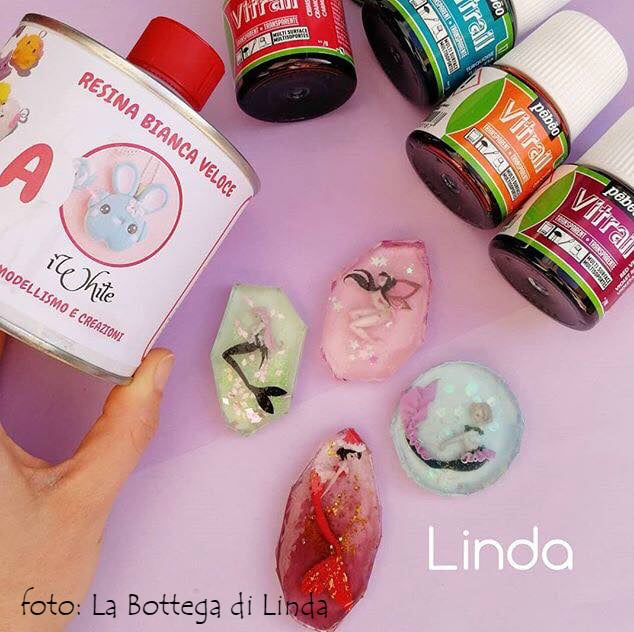
If you have access to reference resin pieces, such as those made from “IWhite” Polyurethane Casting Resin, compare the texture and finish side by side. Resin materials often look too perfect, cloudy, or glossy in a way not typical of traditional ivory.
Step 2: Check Texture and Temperature
Ivory has a dense, fine-grained feel and is noticeably cool to the touch, warming slowly in your hand. Tactile clues when handling objects include gentle warmth from real ivory, versus a quicker warming sensation from resin, which can feel more plasticky or lightweight.
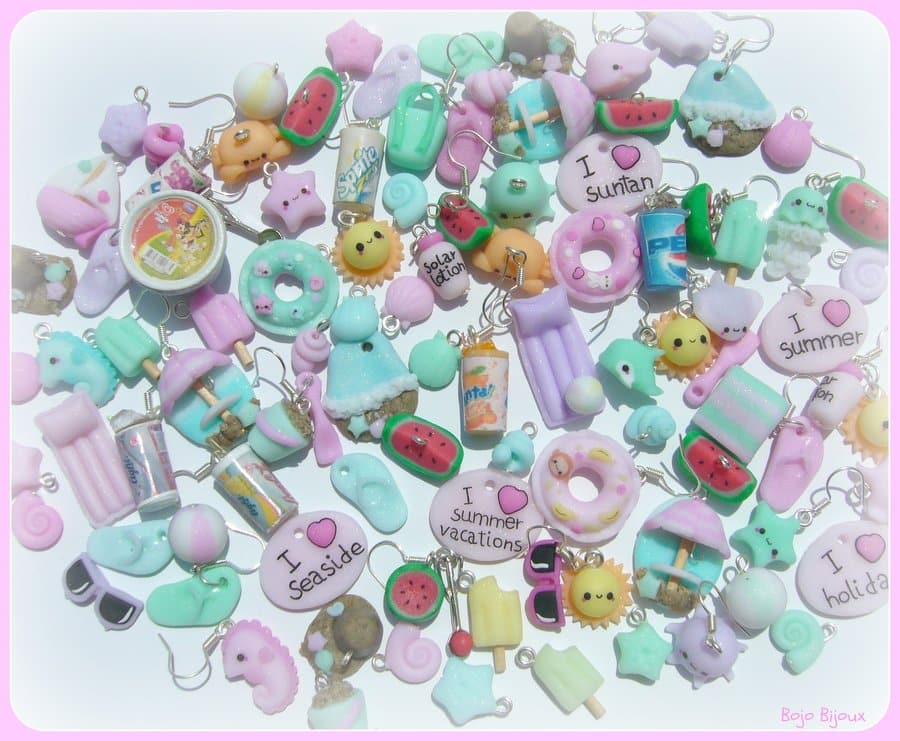
Run your fingertip over the surface. Resin may feel smoother, slightly tacky, or completely uniform, especially on items cast with “Liquidissima” epoxy resin, whereas ivory often features delicate ridges and a more organic texture from traditional carving techniques.
Step 3: Use the Pin Test for Surface Hardness
In an inconspicuous area, gently press a pin or needle into the surface. Ivory is extremely hard and will normally resist penetration or scratching. Resin, particularly types like “Trasparente” Casting Resin, though durable, tends to show slight indentation or even leave a mark, depending on the specific formula and cure.
Take care not to damage valuable items. This test is best reserved for pieces with questionable authenticity or where marks won’t affect value.

Step 4: Observe Transparency and Colour Under Light
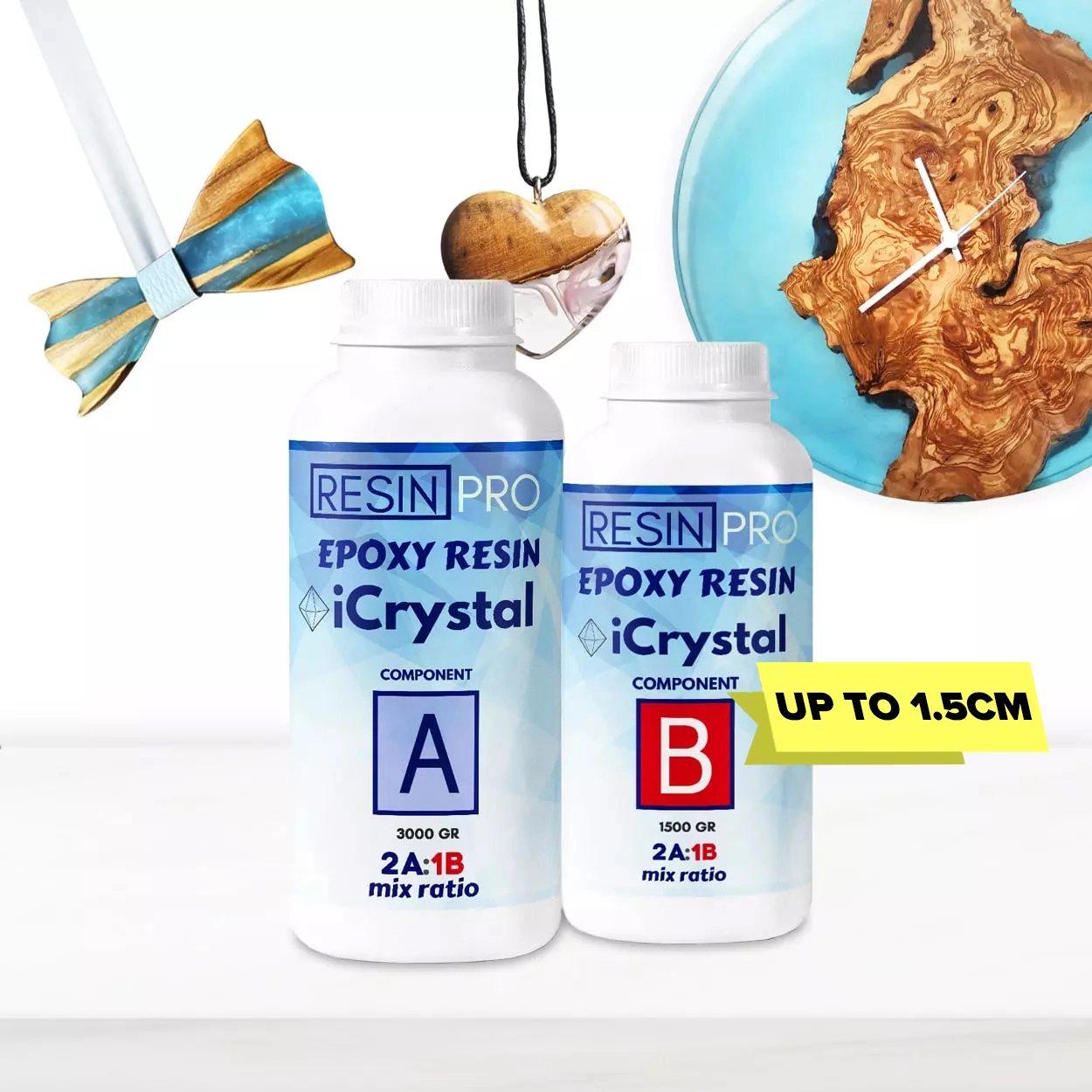
Hold the object up to a bright light. True ivory is only slightly translucent at very thin sections, whereas clear resin pieces—like those made with “Icrystal” Clear Epoxy Resin—may glow or transmit more light. Ivory’s colour is naturally off-white, creamy, or yellowed with age. Resin is often bright white, perfectly clear, or can be artificially toned to resemble ivory, but is less likely to develop authentic patina over time.
Step 5: Listen for the Right Sound
Lightly tap the suspected item against your teeth or a hard surface. Ivory produces a sharper, crisper sound, while resin makes a duller, more muted tap. Listening for the right sound can add a useful clue when visual and tactile checks are inconclusive. Use caution to avoid chipping or damaging the piece.


Step 6: Consider Smell and Chemical Tests
When gently warmed, ivory emits a faint, organic aroma, but resin, especially fresh epoxy or polyurethane, may have a subtle chemical scent. However, once cured, most high-quality resins are odourless and hypoallergenic, as seen with products like “Icrystal” – Odourless Formula. Avoid harsh chemical tests on valuable or antique pieces, as they may cause damage.
Tips and Troubleshooting
When in doubt, always use a combination of the tests above rather than relying on a single characteristic. Some high-end resin objects, especially those cast with professional systems such as those offered by ResinPro, closely imitate the grain and warmth of ivory. Patina and age are good clues—genuine ivory yellows with time and develops microcracks, while resin generally remains stable in colour.
Avoid invasive or destructive tests if the item’s historic or monetary value is high. For professional identification, consider consulting an expert or requesting scientific analysis (such as UV light examination or spectroscopy), especially for antiques or heirloom pieces.

Trusted products to help differentiate
Reference real samples of casting resin and epoxy resins when practising your identification skills. Using known materials enables easier comparison and builds confidence when distinguishing between resin and ivory in the future.
- “IWhite” – Polyurethane Casting Resin – White, Fast-Curing Two-Part SystemPrice range: £24.00 through £36.95IWHITE White Polyurethane Casting Resin is a fast-curing, fluid two-part system for detailed, rapid prototyping and moulding.
- "Icrystal" – Clear Epoxy Resin – Odourless Formula – Up to 1.5cmPrice range: £12.45 through £341.45"Icrystal" is a transparent epoxy resin designed for clear coatings and artistic use, suitable for projects requiring an odourless formula.
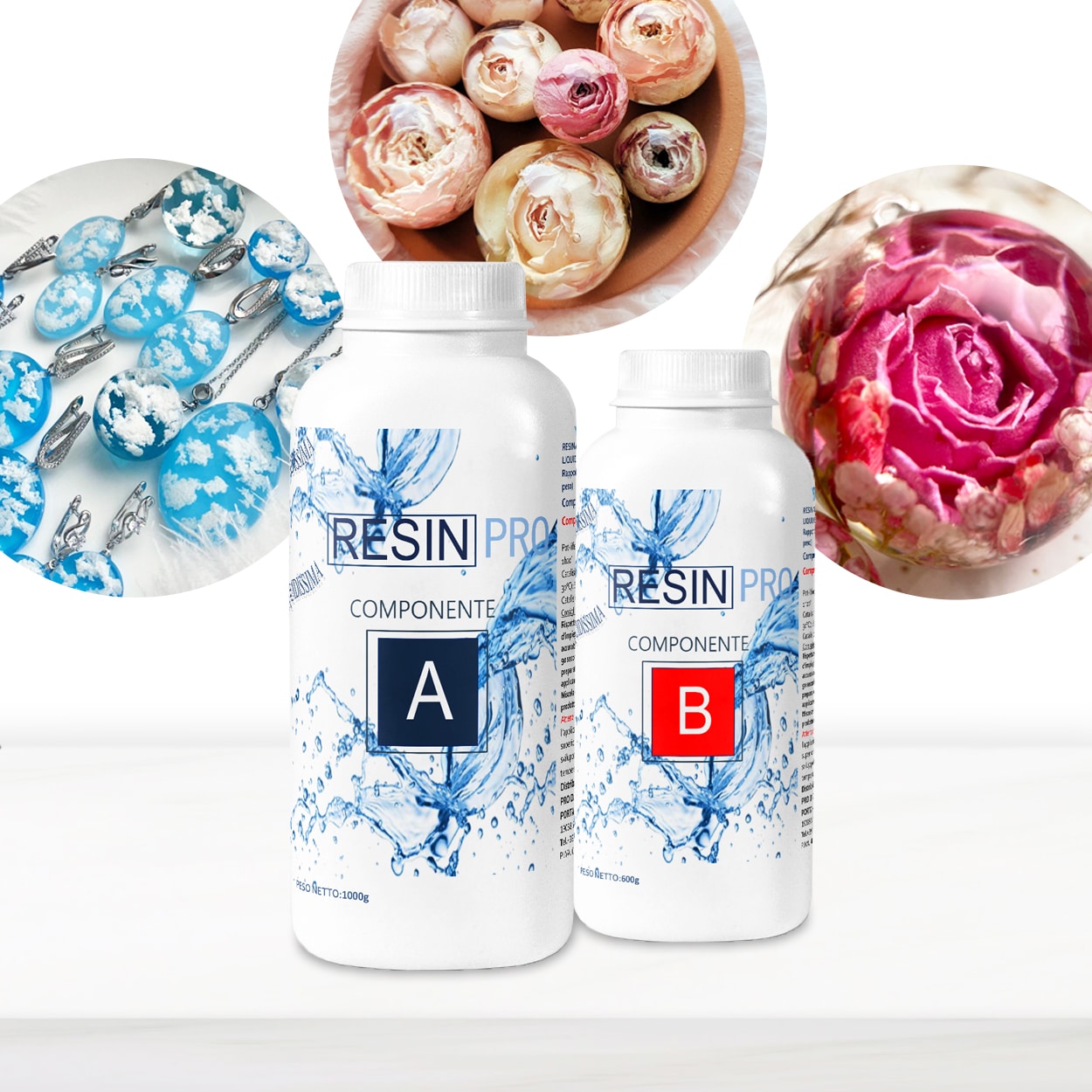 "Liquidissima" – Epoxy Resin For Creations & JewelleryPrice range: £12.85 through £31.85"Liquidissima" epoxy resin provides exceptional clarity and a self-levelling finish, suitable for detailed artistic and jewellery creations.
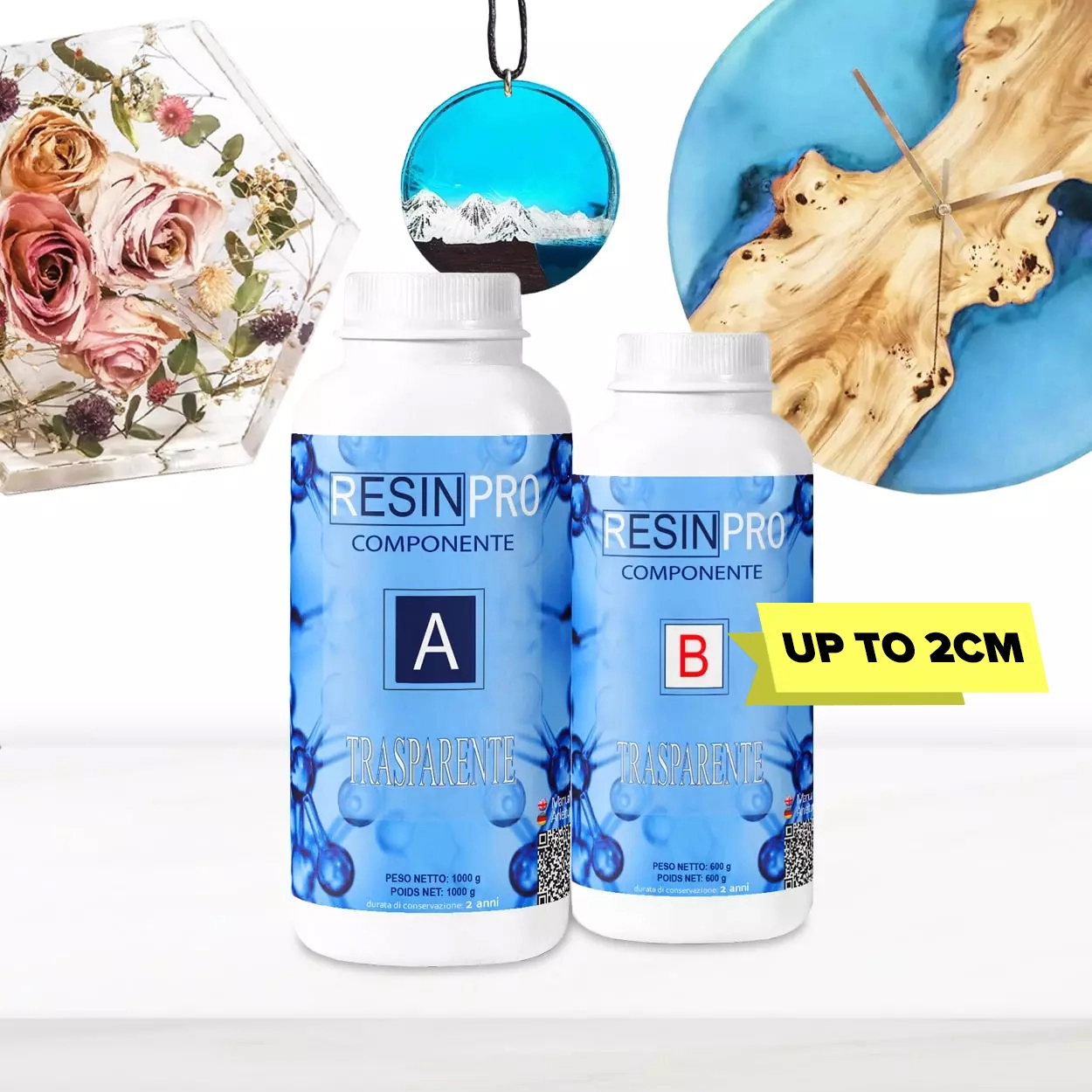 "Trasparente" – Multipurpose Clear Epoxy Resin for Casting – Up to 2cmPrice range: £8.95 through £397.95"Trasparente" is a clear epoxy resin designed for casting up to 2cm layers, suitable for various DIY and woodworking projects requiring a glossy…
Frequently Asked Questions
How do I recognise Schreger lines in ivory?
Schreger lines are visible as fine, cross-hatched or V-shaped patterns when inspected with a magnifier on cut ivory surfaces.
Will resin change colour or develop a patina?
Resin generally remains stable in colour and lacks the yellowing patina and microcracks characteristic of aged ivory.
Can epoxy resin ever fool experts?
High-quality resin casts can imitate ivory well, but careful examination using multiple tests usually reveals the difference.
Is the pin test safe for antique ivory?
It is not recommended on valuable or historic pieces, as even small marks may reduce value or cause damage.
Does ResinPro resin have a plastic smell?
Most ResinPro resins are odourless once cured. Only uncured or newly mixed products may have a slight odour.
Are there weight differences between ivory and resin?
Ivory is denser and heavier than most resin pieces of similar size, but this test is unreliable alone.
What if I cannot tell resin from ivory?
Consider consulting a qualified expert or requesting laboratory analysis for conclusive identification.