 Free shipping on orders over £29,85
  Shipping Tracking!


 Google
 Facebook
What is the difference between thermoplastic and thermosetting resins?
A detailed guide to resin types, properties, and best uses

Understanding the difference between thermoplastic and thermosetting resins is crucial for anyone working with casting, prototyping, woodworking, or composite applications. This guide is for makers, crafters, and industrial users seeking clarity on resin types and selecting the right materials for their specific project requirements. We compare key properties, use cases, and highlight leading products to help you make informed choices.
Thermoplastic vs Thermosetting Resins: An Overview
The primary distinction between thermoplastic and thermosetting resins lies in their response to heat and their structure after curing. Thermoplastic resins can be repeatedly softened and moulded with heat, making them suitable for applications where reshaping is needed after the initial processing. In contrast, thermosetting resins undergo a chemical transformation during curing that creates irreversible crosslinked bonds, resulting in a rigid, durable material that cannot be remelted or reshaped with heat. Thermosetting resins are widely used in projects demanding long-lasting strength, stability, and resistance to heat or chemicals, such as deep pour tables, composite coatings, or artistic castings.
Thermosetting Resin Results in Practice
Thermosetting resins deliver permanent and durable castings ideal for artistic, structural, or functional objects. Their chemical transformation during curing ensures that finished parts retain shape, clarity, and resistance, showcasing the key advantages over thermoplastic varieties.
Polyform – Polyurethane Casting Resin – Fast-Setting for Prototyping
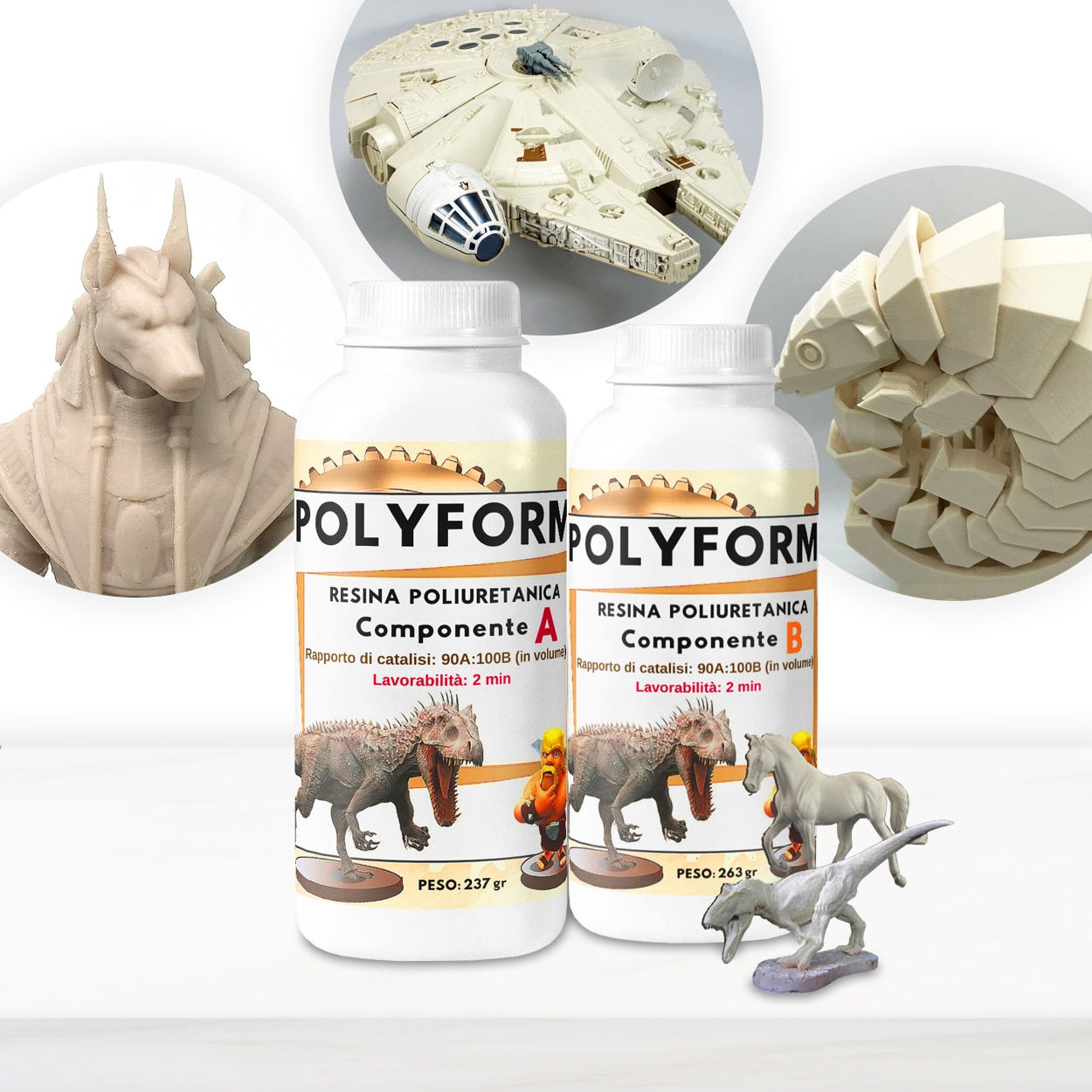
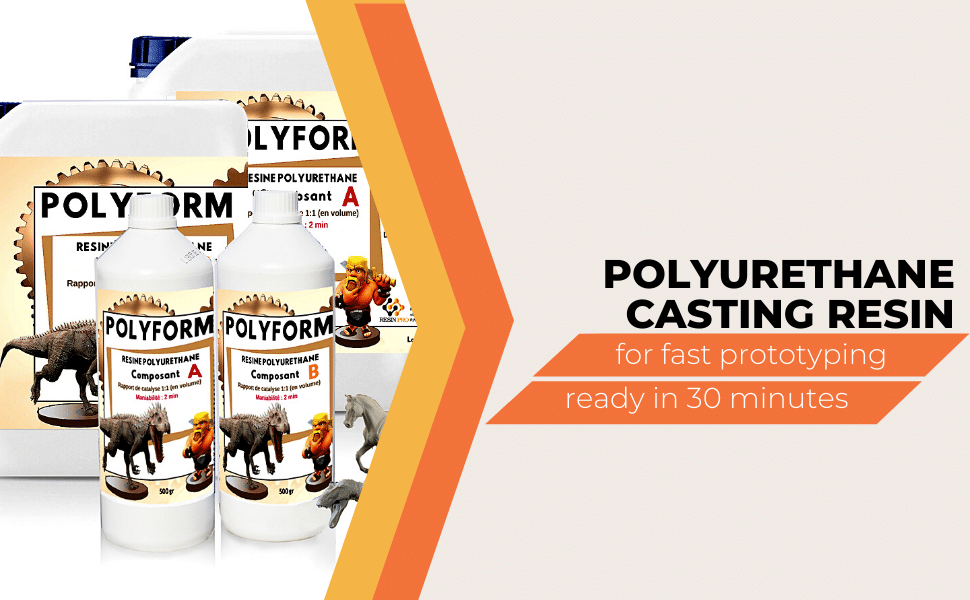
Polyform – Polyurethane Casting Resin – Beige represents the thermosetting category with exceptional speed and reliable performance. Curing in approximately 5 minutes and suitable for demoulding in just 30 minutes, this beige polyurethane resin is specifically tailored for rapid prototyping and small batch manufacturing using detailed silicone moulds. Once cured, Polyform cannot be reshaped, offering robust hardness at Shore A 100 for wear resistance and durability. It is non-toxic when fully set, safe for hobby and professional use, and not intended for applications requiring colour modification or use in very cold environments.
“Carbon Resin” – Epoxy Resin for Carbon Fibre & Fibreglass Coating
“Carbon Resin” – Epoxy Resin for Carbon Fiber & Fiberglass Coating is another high-performance thermosetting option, formulated for superior impregnation of technical fabrics such as carbon fibre and fibreglass. Combining ease of application, room temperature curing, and a glossy, professional finish, this epoxy resin delivers the structural integrity and mechanical strength desired in advanced composites and model building. Unlike thermoplastic resins, once cured it offers permanent, bubble-free results able to withstand impact and demanding mechanical stresses.
“Epoxytable 10-Ten” – Deep Pour Epoxy Resin for Tables, Up to 10cm Casting
For thick, intricate castings and popular river table projects, “Epoxytable 10-Ten” – Deep Pour Epoxy Resin for Tables, Up to 10cm Casting stands out. This thermosetting resin supports single pours up to 10cm with low exothermic reaction, minimising overheating and bubbles. With superior UV filters for non-yellowing over 5 years and heat resistance up to 70°C, it creates long-lasting, crystal-clear slabs or creative centrepieces impractical for thermoplastic options, which could deform or lose structural integrity under similar conditions.
“Trasparente” – Multipurpose Clear Epoxy Resin for Casting – Up to 2cm
“Trasparente” – Multipurpose Clear Epoxy Resin for Casting – Up to 2cm is ideal for crystal-clear, artistic, or small-scale casting and woodworking. Certified non-toxic, ultra-clear, and UV-resistant, this thermosetting epoxy offers up to 2cm thick glossy castings for jewellery, restoration, or crafters’ projects. Its durable, self-levelling finish showcases the hallmark features of thermosetting resins, including resistance to scratching, solvents, and irreversible hardening after curing, unlike conventional thermoplastics.
Choosing the Right Resin for Your Project
Selecting between thermoplastic and thermosetting resins should be based on your project’s end use. For applications where permanence, structural strength, heat and scratch resistance, as well as bubble-free clarity are essential, thermosetting resins like epoxy and polyurethane are best suited. These resins are highly recommended for creative woodworking, deep pours, advanced composites, and detailed silicone casting. Thermoplastic resins have benefits in industries requiring future flexibility or recycling but are much less common in creative and professional casting scenarios due to their limitation to soften with heat and reduced permanence. For more detailed product insights, browse our 3D models product category, Multipurpose epoxy resins, and Resins for Tables and Surfaces Finishes.
Surface Preparation and Resin Selection Tips
Thorough surface cleaning and humidity control are important before pouring any resin. Always match resin type to your needs—use deep-pour options for tables, fast-setting resins for prototyping, and ensure compatibility with your working environment for the best outcome.
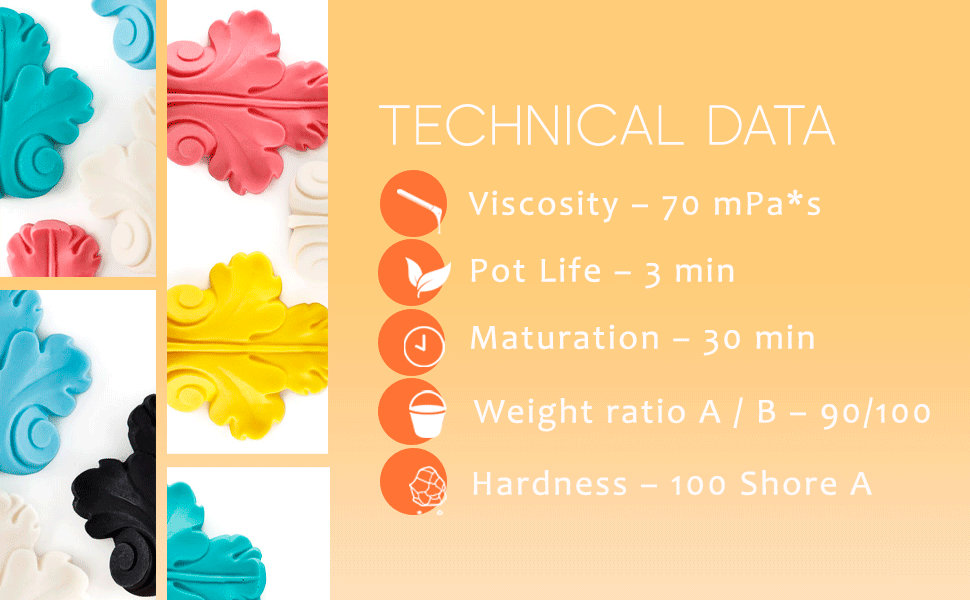
- “Polyform” – Polyurethane Casting Resin, Beige, Fast-Setting for PrototypingPrice range: £15.95 through £141.95Polyform polyurethane casting resin is a beige, fast-setting material suitable for detailed prototyping and small batch production.
- "Carbon Resin" – Epoxy Resin for Carbon Fiber & Fiberglass CoatingPrice range: £19.95 through £37.95Epoxy resin designed for carbon fibre and fibreglass composites, offering durable, bubble-free impregnation and a glossy finish.
 “Epoxytable 10-Ten” – Deep Pour Epoxy Resin for Tables, Up to 10cm CastingPrice range: £35.95 through £351.95“Epoxytable 10-Ten” is a suitable epoxy resin for deep casting tables and artistic projects up to 10cm thick.
 "Trasparente" – Multipurpose Clear Epoxy Resin for Casting – Up to 2cmPrice range: £8.95 through £397.95"Trasparente" is a clear multipurpose epoxy resin offering a crystal-clear, glossy finish with up to 2cm layer thickness, suitable for casting and…
Frequently Asked Questions
Can thermoplastic resins be remelted or reused after setting?
Yes, thermoplastic resins can be reheated and reshaped multiple times, unlike thermosetting resins which set permanently.
Do thermosetting resins soften or melt when exposed to heat after curing?
No. After curing, thermosetting resins do not soften or melt, even under high temperatures—they remain rigid and stable.
Which type of resin should I use for fast prototyping?
Thermosetting polyurethane casting resins like Polyform offer exceptionally fast curing and high detail reproduction for prototyping.
What are typical applications for thermoplastic versus thermosetting resins?
Thermoplastics are used in injection moulding and products needing reshaping, while thermosetting resins are ideal for permanent castings and durable structures.
Can you colour Polyform casting resin?
No, Polyform is not suitable for colouring with dyes—it is sold as a beige finished resin for prototyping and small batch casting.
What resin should I use for thick pour applications like river tables?
Use deep pour epoxy like Epoxytable 10-Ten for castings up to 10cm. It cures safely in thick layers and provides durable, clear results.
Do epoxy resins offer UV protection against yellowing?
Yes. Products like “Trasparente” have integrated UV filters and warranties for anti-yellowing performance, ideal for artistic and furniture projects.
What fundamentally makes thermosetting resins different from thermoplastic resins?
Thermosetting resins form irreversible crosslinked structures when cured, remaining hard and stable, while thermoplastics can be repeatedly melted and reformed.