 Free shipping on orders over £29,85
  Shipping Tracking!


 Google
 Facebook
Which silicone rubber is suitable for clay moulds?
Choose the ideal silicone rubber for accurate clay mould reproduction
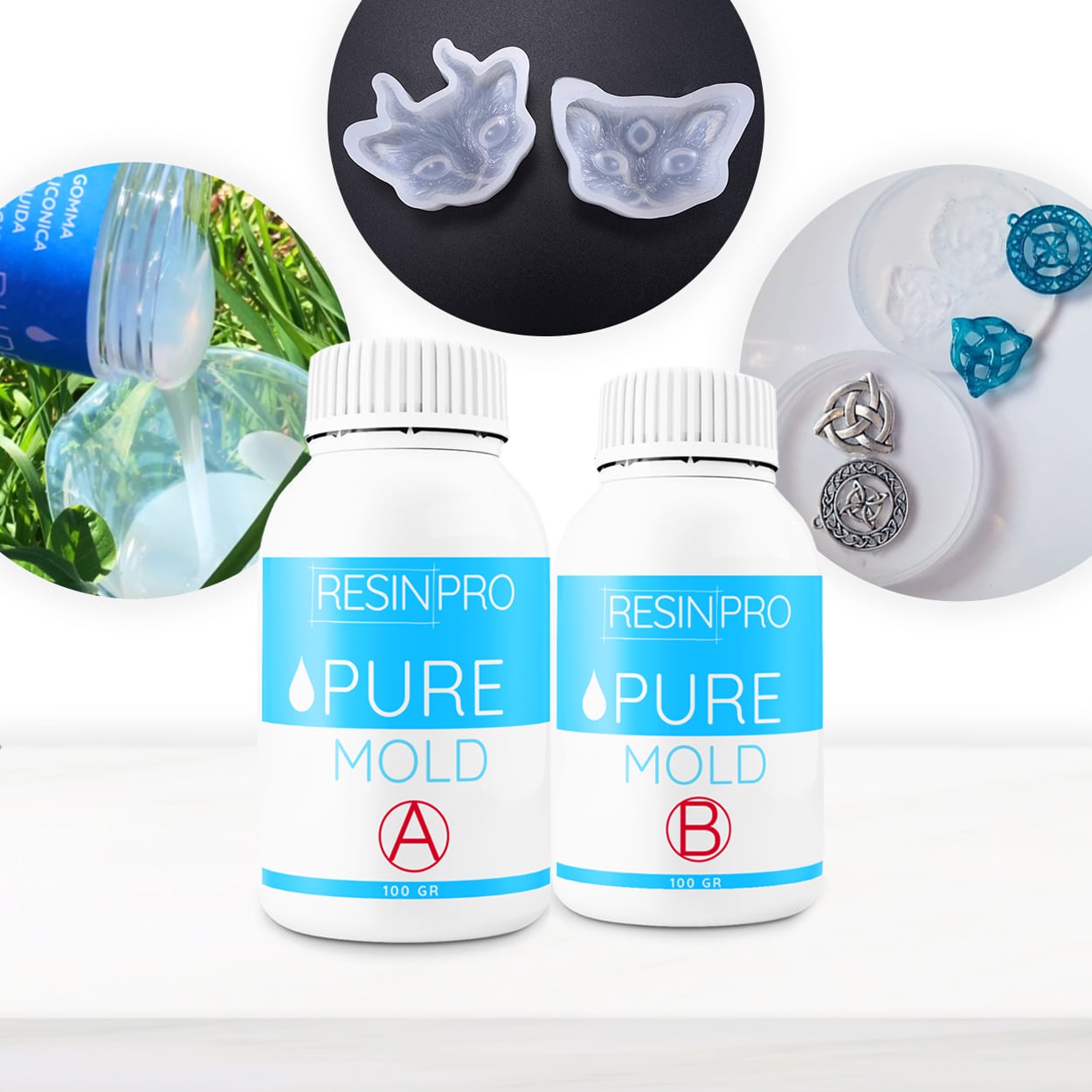
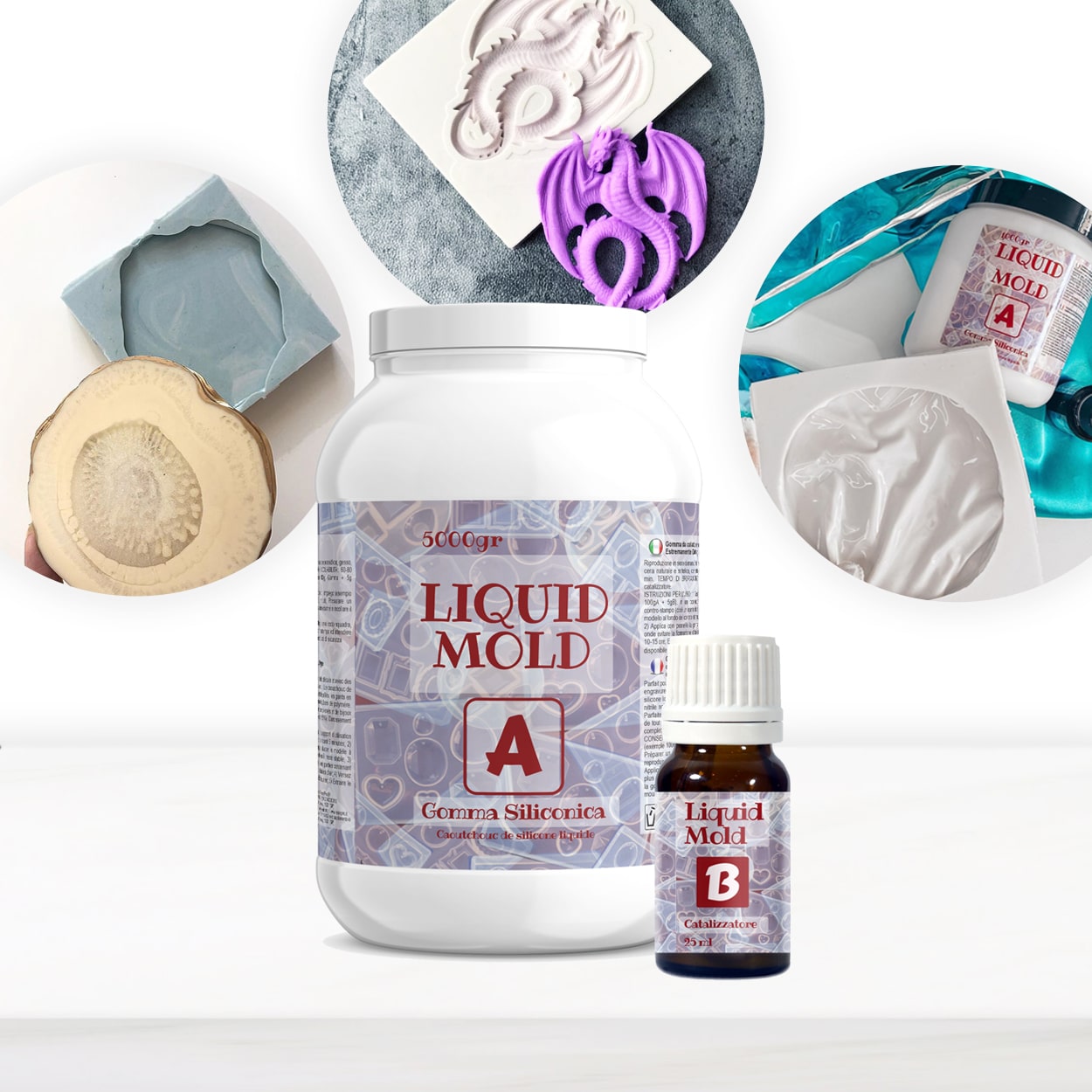
Whether you are a sculptor, hobbyist or artisan, choosing the right silicone rubber for clay moulds is crucial to achieving crisp detail, resilience, and reliable results. This page is tailored to help you select the best silicone option for working with clay—comparing liquid silicones and silicone putty for both intricate clay models and swift creative projects.
Key Differences Between Silicone Rubbers for Clay Moulds
Different projects and clay types demand specific silicone rubbers. The main factors to consider include the silicone’s consistency, curing speed, level of detail capture, ease of use, and compatibility with your clay model. Liquid silicones, such as “Pure Mould” – Translucent Liquid Silicone Rubber for Mould Making and the “Liquid Mould” – Casting Liquid Silicone Rubber, 5-40 Shores, Bi-Component A+B range, offer exceptional fidelity and are suitable for fine textures. Silicone putty, such as “I–Gum” – Non-Toxic Silicone Putty for Mould Making, provides a swift and tactile solution for smaller pieces or quick impressions.
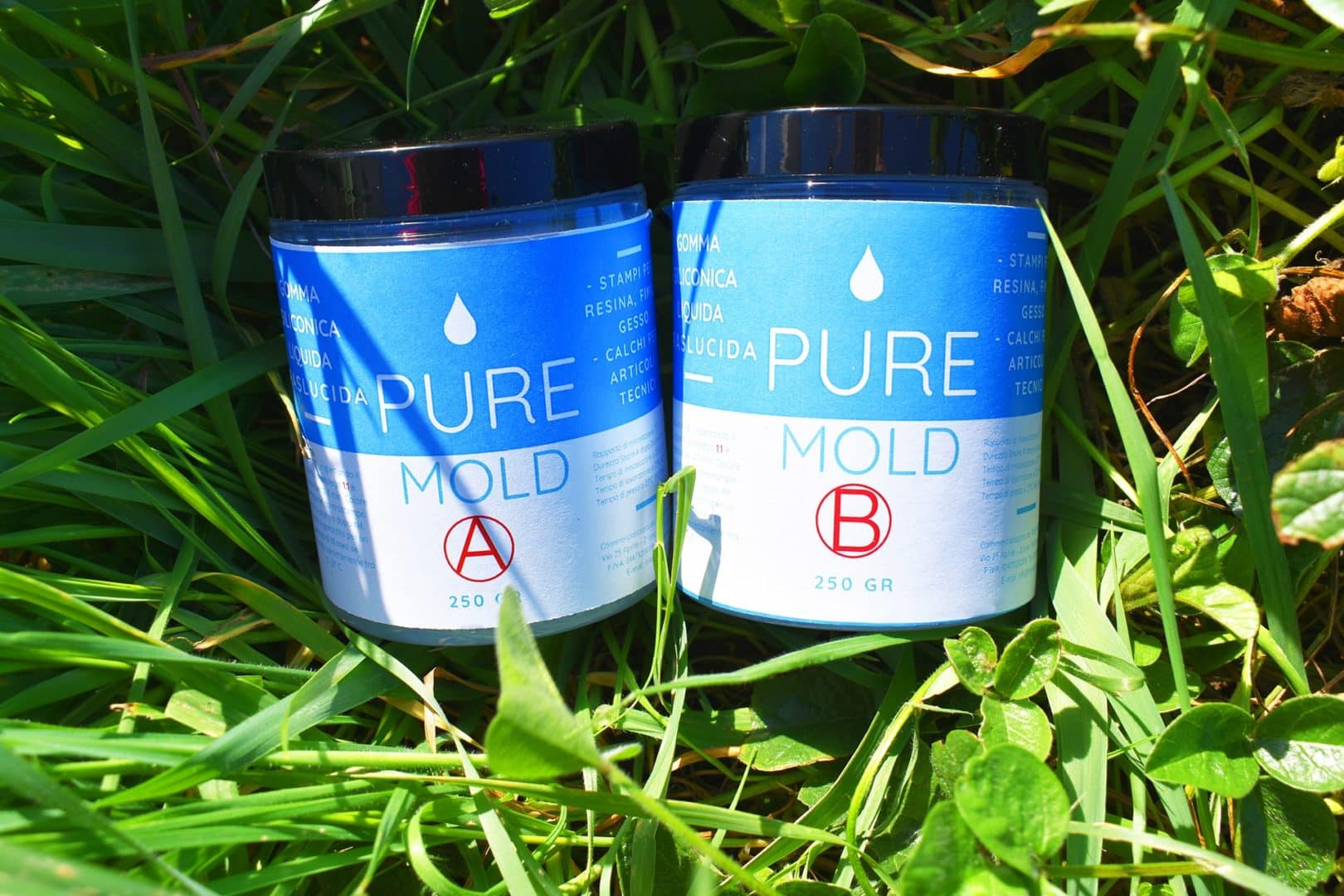
See the Difference: Silicone Types in Clay Moulding
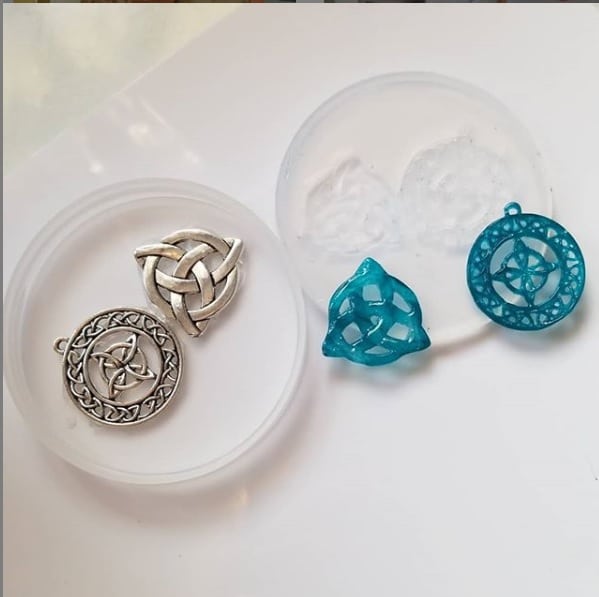
Translucent liquid silicones like Pure Mould let you watch over your clay during curing, great for precision. Silicone putties are hands-on and quick for simple or decorative clay items. Choose based on your desired workflow and level of detail.
“Pure Mould” – Translucent Liquid Silicone Rubber for Mould Making
If your clay project requires observing fine details or monitoring the curing process, “Pure Mould” is a platinum based, translucent silicone rubber. Its 1:1 mixing ratio makes preparation straightforward. With fast catalysis in about 3–8 hours, it is ideal for professionals and hobbyists alike seeking impressive detail, less shrinkage over time, and long-lasting moulds. This silicone is also certified non-toxic, solvent-free, and odourless, making it convenient for use in studio environments. It is best used for creating repeated, high-quality casts from clay, especially when translucency is valuable.
“Liquid Mould” – Casting Liquid Silicone Rubber, 5-40 Shores, Bi-Component A+B
For artists prioritising the reproduction of intricate details and undercuts from their clay models, “Liquid Mould” offers a versatile liquid silicone rubber in a bi-component system. It requires the addition of a catalyst and is valued for its ability to penetrate small crevices and capture the finest finishings. This silicone is compatible with resins, soap, polymer pastes, wax, and even concrete, making it practical for varied applications and multiple reproductions from a single clay model. Its flexibility across different shore hardness options allows tailored choice depending on the firmness needed in your final mould.
“Liquid Mould” – Casting Liquid Silicone Rubber, 15 Shores 20.8 kg
If you are seeking a bulk solution for repeated production or require stronger durability for many replica casts, the “Liquid Mould” – 15 Shores 20.8 kg variant is optimal. With high mechanical characteristics and the ability to handle substantial undercuts, this silicone is suited to large or commercial projects. Its compatibility with various casting materials extends its utility, while its liquid properties ensure it faithfully follows complex clay surfaces, delivering sharp reproductions again and again.
“I–Gum” – Non-Toxic Silicone Putty for Mould Making
For quick impressions and smaller models in clay, “I–Gum” silicone putty is a highly convenient choice. It is non-toxic, suitable for use without gloves, and odourless—particularly appreciated in classrooms or shared studios. Its 1:1 mix ratio, non-stick qualities, and flexible structure make it perfect for fast, single-use or small batch clay moulding, especially where traditional liquid pouring would be impractical or unnecessarily time-consuming.
How to Choose the Right Silicone Rubber for Your Clay Project
Select your silicone based on the scale of your clay model, the required mould detail, repetition needs, and working time preferences. Liquid silicones like “Pure Mould” and “Liquid Mould” are best for high detail and multiple uses, while “I–Gum” putty is ideal for rapid moulds with straightforward shapes. For further variety and specialist requirements, see our full silicone rubbers category. Always factor in your working environment, the toxicity level needed, and whether you value translucency for monitoring the casting process.
Tips for Successful Clay Moulding with Silicone
Always clean clay surfaces before pouring silicone to ensure a flawless mould. Use liquid silicone for detailed or repeated work—use putty for speed and flexibility on smaller pieces.
- "Pure Mould" – Translucent Liquid Silicone Rubber for Mould MakingPrice range: £23.95 through £166.95"Pure Mould" is a translucent platinum-based silicone rubber designed for fast casting and compatible with various materials, suitable for detailed…
- "Liquid Mould" – Casting Liquid Silicone Rubber, 15 Shores 20.8 kg£348.85"Liquid Mould" casting liquid silicone rubber is suitable for making detailed moulds and reproductions in the theme of clay mould suitability.
- "Liquid Mould" – Casting Liquid Silicone Rubber, 5-40 Shores, Bi-Component A+BPrice range: £14.45 through £387.45"Liquid Mould" casting liquid silicone rubber is suitable for making detailed moulds and reproductions with fine details.
 "I–Gum" – Non-Toxic Silicone Putty for Mould MakingPrice range: £24.00 through £104.95"I–Gum" silicone putty is designed for mould making with resin and other materials, supporting a non-toxic and user-friendly approach.
Frequently Asked Questions
Which silicone rubber offers the most precise detail for clay moulds?
Liquid silicones like Pure Mould and Liquid Mould are ideal for capturing intricate detail from clay surfaces.
Can silicone putty be used for making clay moulds?
Yes, silicone putty such as I–Gum is suitable for quick impressions and small-scale clay moulds.
Is there an advantage to using translucent silicone for clay moulds?
Translucent silicone like Pure Mould allows you to see detail and check the curing process while casting your clay model.
Do these silicones require measuring and mixing before use?
Yes, most liquid and putty silicones are mixed at a 1:1 ratio for simplicity and reliability.
Should I use a release agent between clay and silicone rubber?
Generally, high-quality silicones separate cleanly from clay, but porous clay may benefit from a thin release layer.
How long do these silicone rubbers typically take to set on clay?
Cure times vary from as little as 3 hours (Pure Mould) to around 12 hours, depending on product and environmental conditions.