 Free shipping on orders over £29,85
  Shipping Tracking!


 Google
 Facebook
Which silicone rubber is suitable for clay casts?
Compare pourable and putty silicone types for clay casting
Choosing the right silicone rubber for clay casts can make all the difference in the quality and durability of your moulds. Whether you’re an artist, modeller, or hobbyist, the right choice will allow you to capture fine details and produce robust, reusable results. This guide compares the top types of silicone rubber for clay casting and gives you practical insights to select the most suitable product for your project.
Comparing Silicone Rubbers for Clay Casts
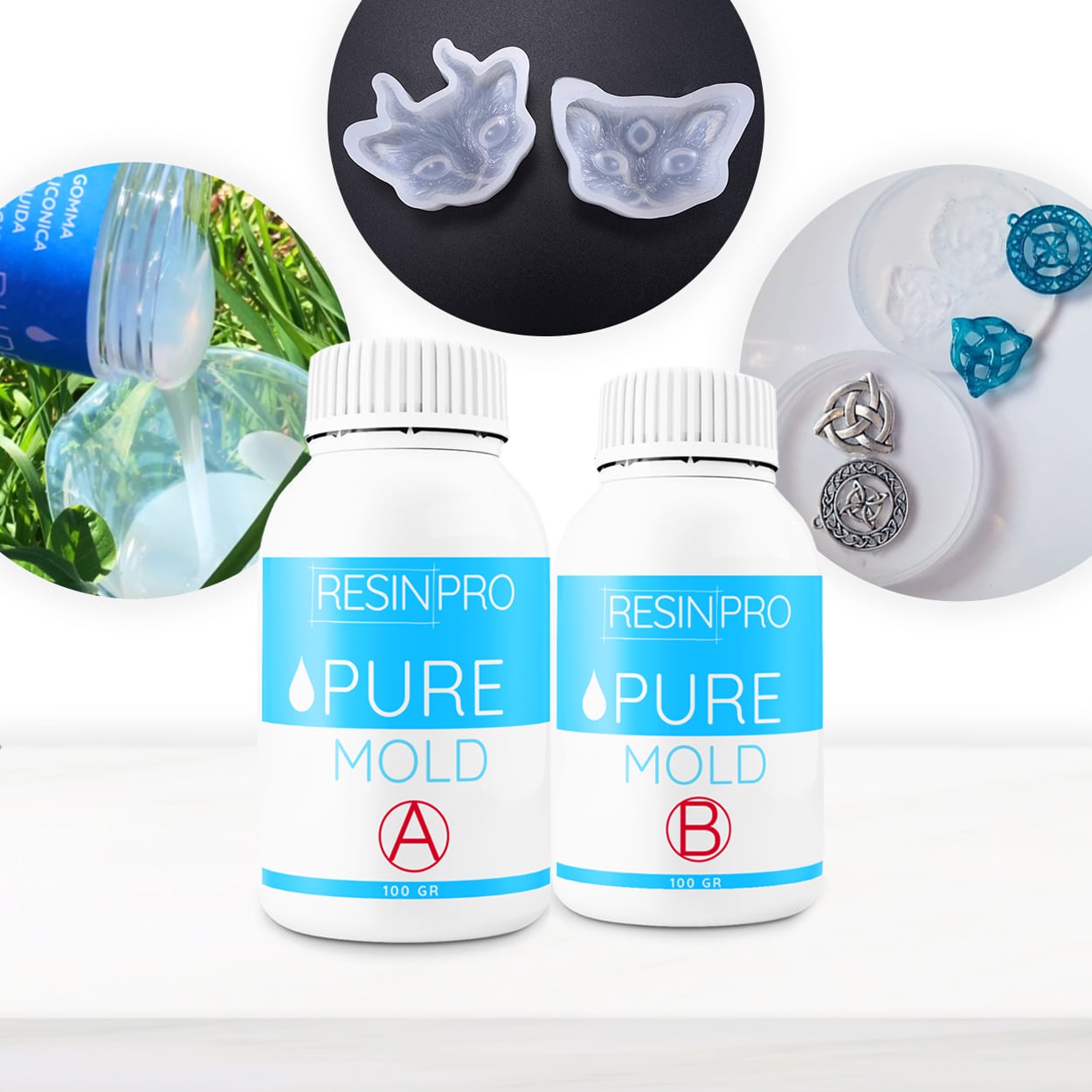
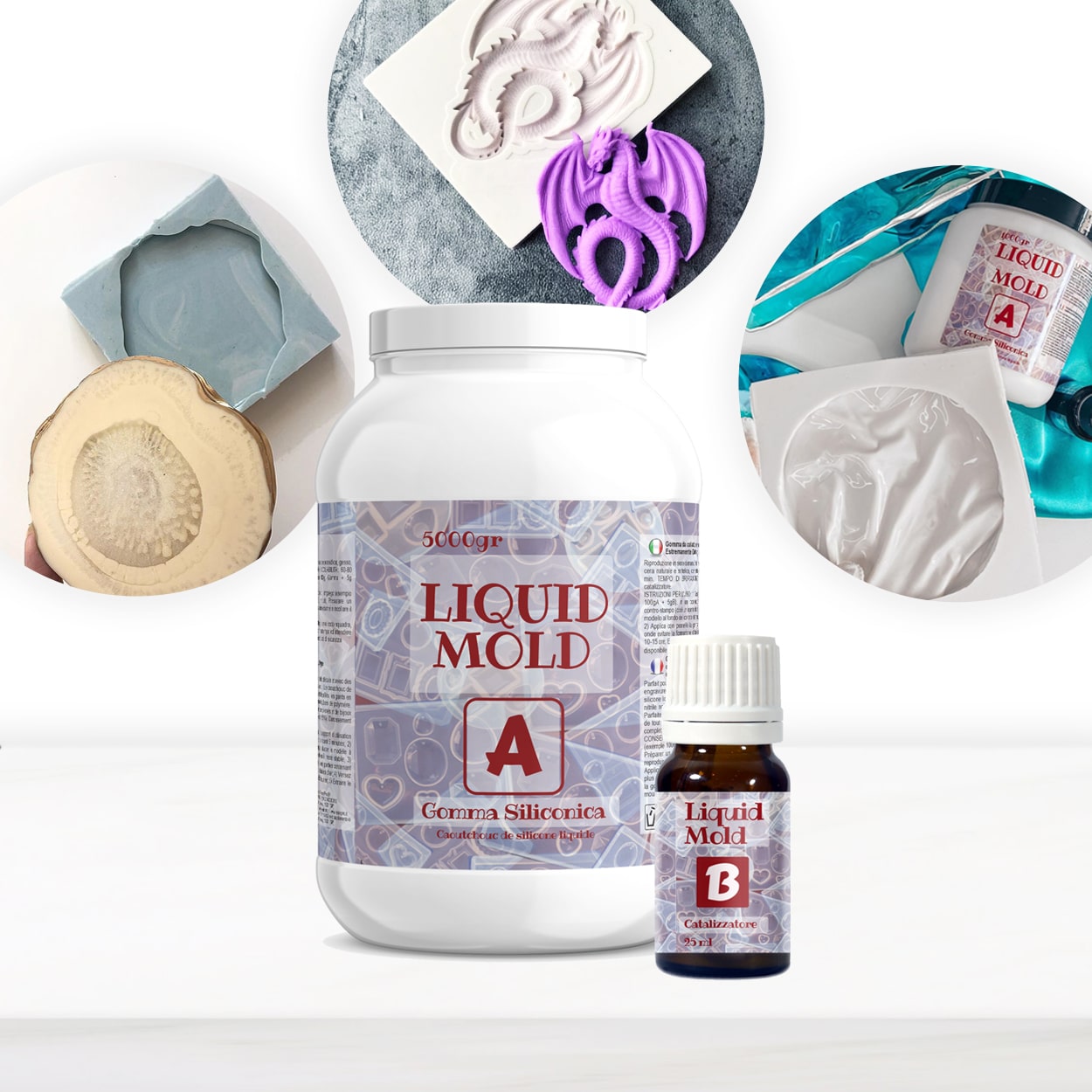
When selecting silicone rubber for clay casts, there are two major forms to consider: pourable liquid silicone and mouldable putty silicone. Liquid silicones like “Pure Mould” – Translucent Liquid Silicone Rubber for Mould Making and “Liquid Mould” – Casting Liquid Silicone Rubber, 5-40 Shores, Bi-Component A+B are ideal for achieving high detail and capturing undercuts, especially when pouring over complex clay models. Their flowability allows them to reach every crevice.
On the other hand, silicone putty like “I–Gum” – Non-Toxic Silicone Putty for Mould Making offers quick, hands-on application and excellent suitability for taking impressions from smaller or less intricate clay models. Each type offers unique advantages depending on the scope and detail required in your clay casts.
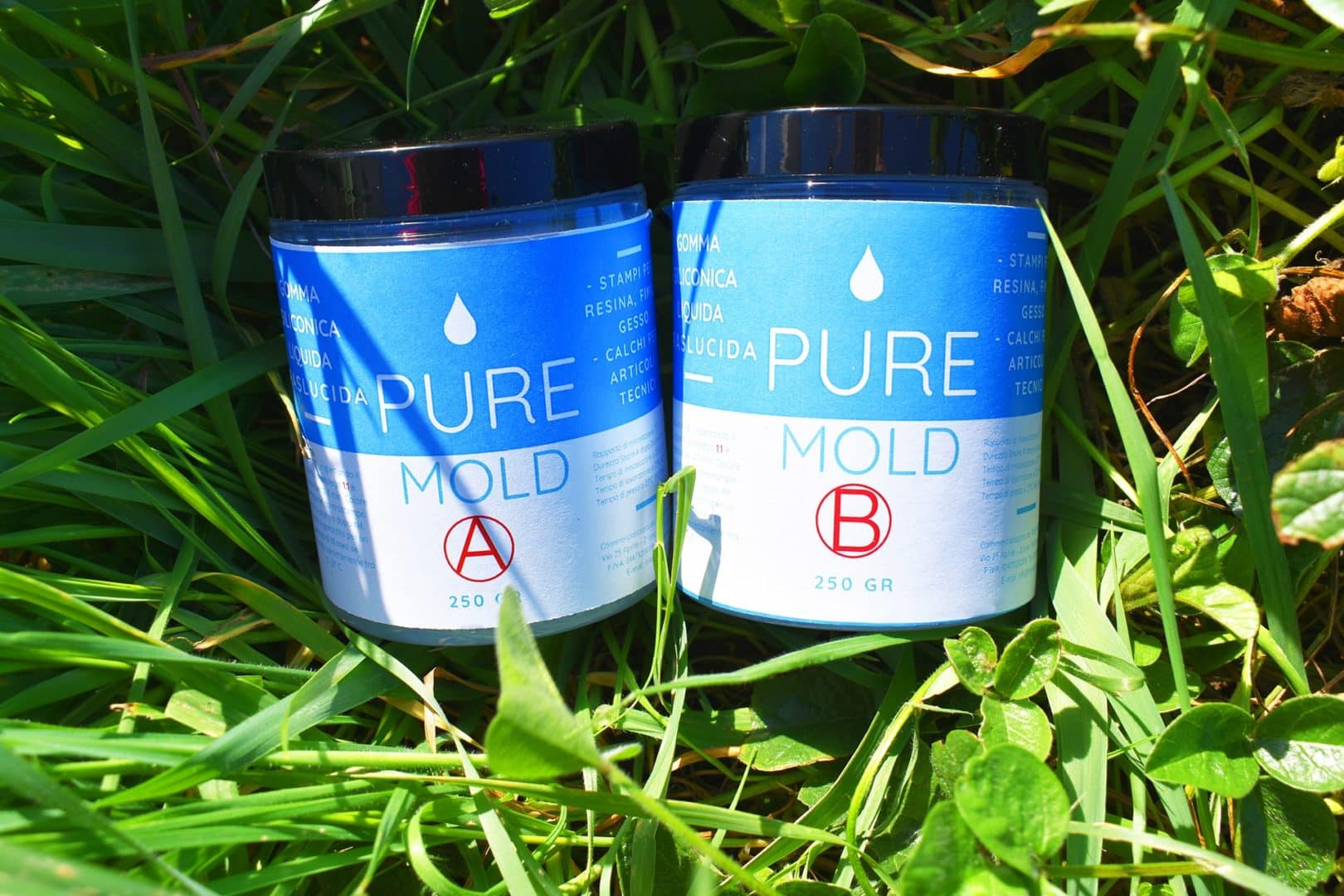
See the Detail: Silicone Rubber in Clay Casting
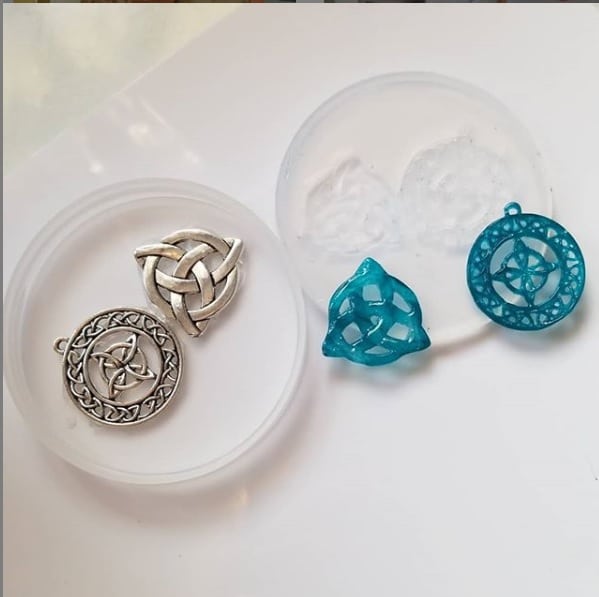
Notice how silicone rubbers capture the fine lines and textures of clay pieces, ensuring moulds withstand repeated casting sessions without losing shape. Translucent products allow you to verify detail through the moulding process for best results.
“Pure Mould” – Translucent Liquid Silicone Rubber for Mould Making
This platinum-based silicone rubber stands out for its translucency and fast setting time of 3–8 hours with a simple 1:1 mixing ratio. Its transparency is particularly helpful when making clay casts, as you can observe the embedding of your model and ensure bubbles or surface defects are avoided. PLATINUM BASED TRANSLUCENT AND FAST CASTING LIQUID SILICONE RUBBER FOR MOULDS provides durable, resistant, and reusable moulds, supporting a wide range of materials including epoxy, polyester, polyurethane, and acrylic resins, as well as plaster and cement.
“Pure Mould” – Translucent Liquid Silicone Rubber for Mould Making is certified non-toxic, solvent-free, and odourless, making it safe and easy to use for both enthusiasts and professionals.
“Liquid Mould” – Casting Liquid Silicone Rubber (5-40 Shores & 15 Shores 20.8 kg)
Designed for highly detailed reproductions, “Liquid Mould” silicone rubber comes in both standard and large sizes (including a 15 Shores, 20.8 kg variant). This bi-component A+B formula requires mixing with a dedicated catalyst and is capable of capturing fine details and deep undercuts—perfect for small models, jewellery, or prototypes made from clay. With its high mechanical strength, it is suitable for multiple reproductions and is compatible with resins, soap, polymer pastes, wax, and more.
The “Liquid Mould” – Casting Liquid Silicone Rubber, 5-40 Shores, Bi-Component A+B formula is well-suited for artists and foundries seeking flexibility in mould making, while “Liquid Mould” – Casting Liquid Silicone Rubber, 15 Shores 20.8 kg is targeted at larger-scale projects needing more volume.
“I–Gum” – Non-Toxic Silicone Putty for Mould Making
The “I–Gum” silicone putty offers a different approach: easy hand-mixing and direct application to clay models. Its non-toxic composition, simple 1:1 mixing, and lack of odour make it comfortable for artists and suitable for small objects, ornaments, or quick casts. Curing in about 20–40 minutes, this putty is invaluable for one-off impressions or when you desire speed and flexibility in the moulding process.
Because of its tack-free, non-stick nature, “I–Gum” – Non-Toxic Silicone Putty for Mould Making works well with resin, polyurethanes, wax, and cement in addition to clay.
Choosing the Right Silicone for Your Clay Casting Project
The decision ultimately comes down to the complexity and size of your clay piece, the level of detail required, and how fast you want to produce your mould. For intricate, highly detailed models and repeated use, liquid silicones like “Pure Mould” or “Liquid Mould” offer supreme accuracy and strength. For quick, low-mess impressions—especially on small or medium objects—the “I–Gum” silicone putty is hard to beat.
Clay Casting Projects: Suitable Silicone Solutions
Tailor your mould selection to each clay project’s needs for best durability. Explore more silicone rubbers at ResinPro and find the fit for your next artistic or production challenge.
- "Pure Mould" – Translucent Liquid Silicone Rubber for Mould MakingPrice range: £23.95 through £166.95"Pure Mould" silicone rubber is a translucent, fast curing product suitable for mould making with various materials, including resins and plasters.
- "Liquid Mould" – Casting Liquid Silicone Rubber, 5-40 Shores, Bi-Component A+BPrice range: £14.45 through £387.45"Liquid Mould" is a casting liquid silicone rubber designed for making detailed moulds suitable for small objects with fine details.
- "Liquid Mould" – Casting Liquid Silicone Rubber, 15 Shores 20.8 kg£348.85"Liquid Mould" is casting liquid silicone rubber designed for making detailed moulds suitable for resin and polymer pastes.
 "I–Gum" – Non-Toxic Silicone Putty for Mould MakingPrice range: £24.00 through £104.95I–Gum is a non-toxic silicone putty designed for mould making, suitable for resin and other materials in related crafts.
Frequently Asked Questions
Is Pure Mould silicone rubber suitable for wax injection and 3D resin-printed piece moulding?
Pure Mould silicone rubber is suggested for these uses, providing minimal shrinkage mainly with larger casts.
What are the preparation requirements to make a silicone mould using liquid silicone rubber?
Mix liquid silicone thoroughly with the catalyst before pouring, and consider using a pressure pot to reduce bubbles.
What silicone rubber is suitable for making detailed moulds for small objects?
Liquid Mould casting silicone rubber is designed for capturing fine details and reproducing undercuts.
How do you create silicone moulds with I–Gum putty?
Mix the two components in a 1:1 ratio, apply to your model, and allow 20–40 minutes to cure before removing the mould.
What is the difference between liquid and putty silicone for clay casts?
Liquid silicones are best for capturing intricate details and undercuts, while silicone putties are faster and more tactile for simpler shapes.
Do you need a release agent when moulding silicone over clay?
Many silicones are non-stick, especially putty types, but a release agent is recommended if using with wet or sticky clay types.