 Free shipping on orders over £29,85
  Shipping Tracking!


 Google
 Facebook
Which resin should be used to varnish Fimo?
Compare leading resins for a flawless Fimo finish
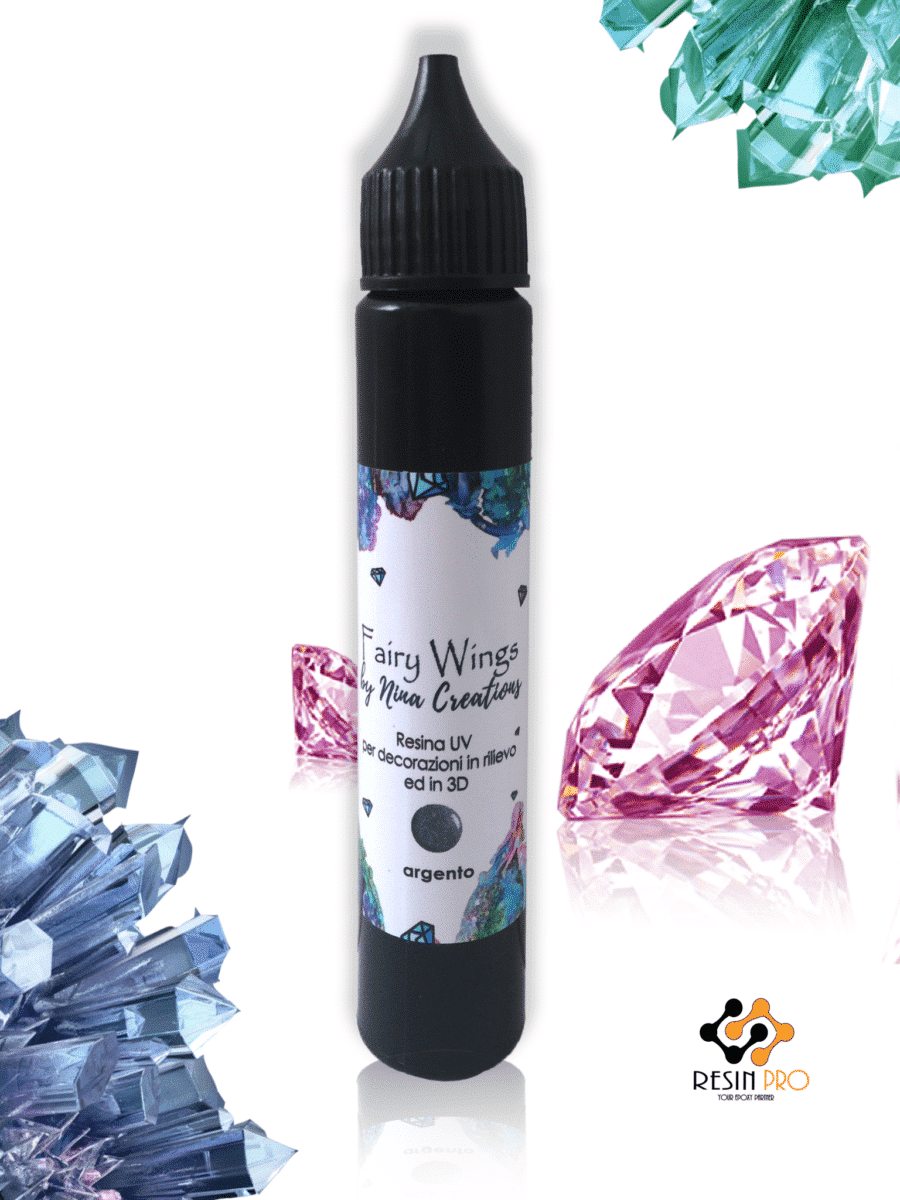
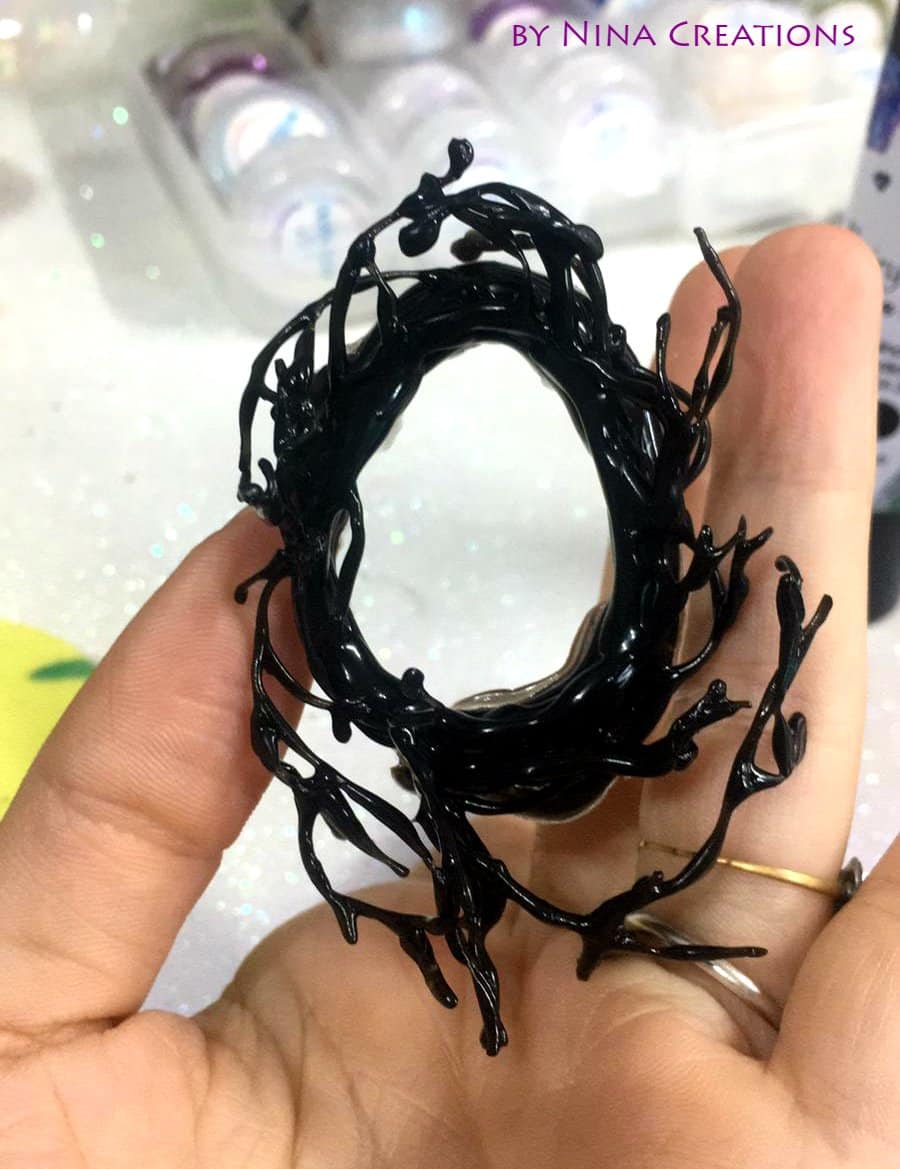
When it comes to varnishing Fimo and other polymer clay creations, choosing the right resin is critical for achieving a durable, glossy, and professional finish. Whether you are a jewellery maker, artisan, or hobbyist, this guide helps you navigate the main types of resins suitable for Fimo, comparing their features so you can select the best option for your projects.
Overview: Comparing Resin Options for Fimo Varnishing
There are two primary resin types suitable for varnishing Fimo: UV-curing acrylic resins and two-component epoxy resins. UV resins, such as “Fairy Wings” – UV Resin for Volumetric Reliefs, Dual Colour, 30ml and “UV–Creation” – Fast Acrylic Resin, 3 Minute UV Cure, offer exceptionally rapid curing and are ideal for surface coatings or fine raised designs. Epoxy resins, like “One-2-One” – Epoxy Resin for Handcraft, 1:1 Mixing Ratio and “Liquidissima” – Epoxy Resin For Creations & Jewellery, provide greater flexibility in working time and high-gloss, crystal-clear finishes. The main distinctions are curing speed, ease of use, surface finish, and the level of design detail each resin allows.
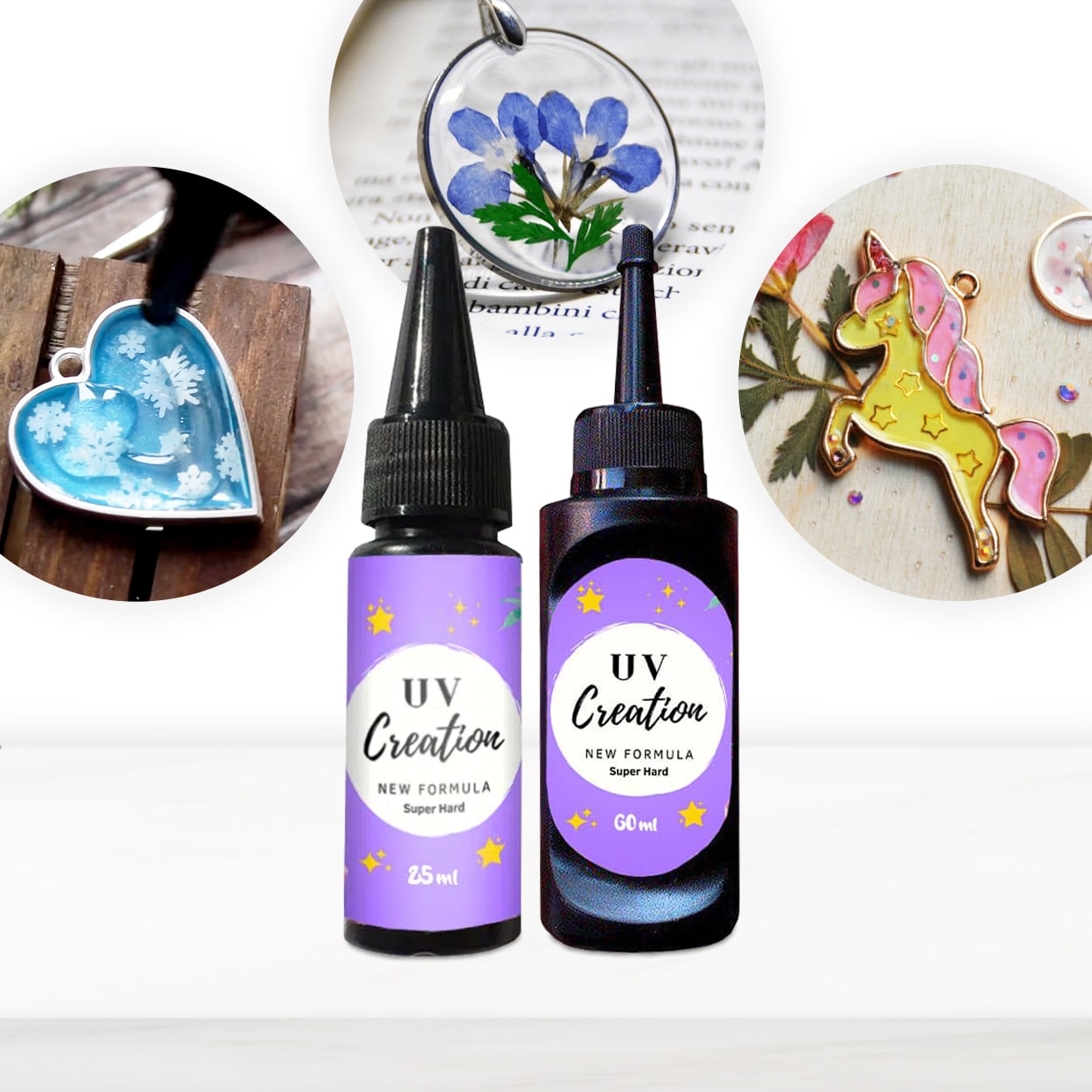
Resin Curing in Action
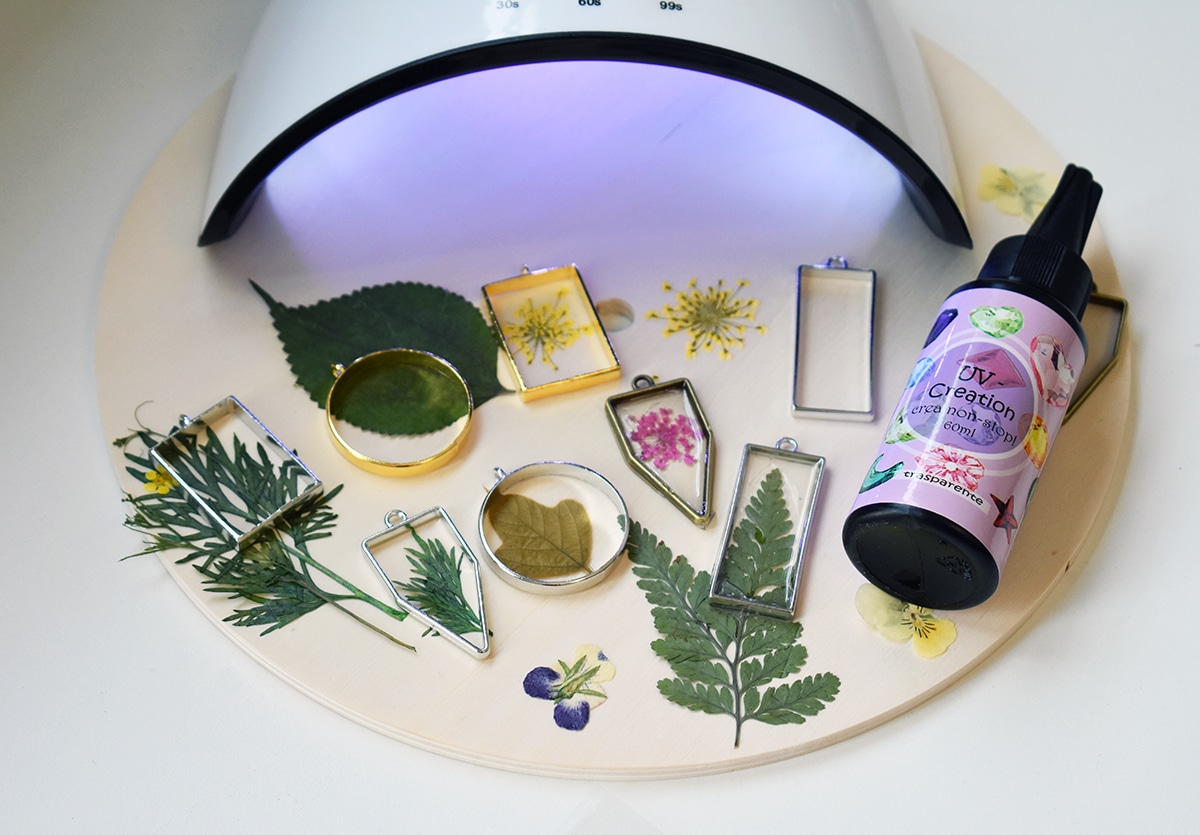
See how UV-curing and epoxy resins interact with polymer clay. UV products offer incredibly fast setting under UV light, ideal for time-sensitive projects. Epoxy resins flow and self-level, producing deep gloss even over intricate details.
“Fairy Wings” – UV Resin for Volumetric Reliefs, Dual Colour, 30ml
“Fairy Wings” is a specialised UV-curing acrylic gel designed for creating detailed 3D reliefs on Fimo and other polymer clay surfaces. Its one-component, ready-to-use formula means no mixing, simply apply thinly and cure under a UV lamp for quick results. One-component ready-to-use formula requiring no mixing, cures rapidly under UV light in 3 to 5 minutes, and includes two colours for creative volumetric effects. This resin is best if you want raised decorative details on your Fimo pieces with efficient curing and minimal equipment.
“UV–Creation” – Fast Acrylic Resin, 3 Minute UV Cure
If you need a flat, glossy coating on your Fimo creations, “UV–Creation” – Fast Acrylic Resin is an excellent choice. This UV resin is ready to use, fully hardens in 2–3 minutes under UV light, and offers a non-yellowing, crystal-clear gloss. As a one-component formula, it is straightforward to apply with no mixing required, ideal for crafters wanting instant results or dealing with small jewellery items that require frequent handling.
“One-2-One” – Epoxy Resin for Handcraft, 1:1 Mixing Ratio
Crafters who prefer a classic two-component resin will appreciate the “One-2-One” epoxy resin. With an easy 1:1 (by volume) mixing ratio suitable for beginners and medium viscosity ideal for coating and detailed work, this resin delivers a crystal clear, super-glossy finish with high transparency. Added UV filter ensures the shine remains over time. The non-toxic formulation for safe crafting makes it both practical and reassuring for users of all experience levels.
“Liquidissima” – Epoxy Resin For Creations & Jewellery
For intricate Fimo designs or when optimal flow is required, “Liquidissima” – Epoxy Resin excels. The high crystal clear transparency suited for detailed designs and low viscosity ensures excellent flow into complex moulds. Its formula minimises air bubbles for cleaner finish, and the long working time suitable for elaborate art and jewellery projects is ideal for artists needing extra time. The glossy, self-levelling surface providing a professional finish guarantees your Fimo pieces look outstanding.
Tips for Choosing the Right Resin for Your Fimo Project
When selecting a resin for varnishing Fimo, consider whether your project requires quick curing, need for raised decorations, or simply a clear glossy coat. UV resins are preferable for speed, spot-application, and 3D designs. If you value extended working time or need to coat complex, detailed surfaces, an epoxy resin may fit better. Always check compatibility with your UV lamp or temperature requirements for curing and remember, proper application technique is essential for achieving a flawless finish on polymer clay. Explore other UV resins and accessories and resin for jewellery for even more options.
Getting a Flawless Finish on Fimo
For best results, ensure your Fimo surface is clean and dry before applying resin. Work in thin layers to minimise bubbles and achieve even coverage. Achieving a perfect gloss requires both the right product and careful technique.
- "Fairy Wings" – UV Resin for Volumetric Reliefs, Dual Colour, 30mlOriginal price was: £15.15.£2.85Current price is: £2.85."Fairy Wings" UV Resin is designed for crafting detailed 3D reliefs on polymer clay, suitable for the theme of varnishing Fimo.
- "UV–Creation" – Fast Acrylic Resin, 3 Minute UV CurePrice range: £8.45 through £62.95"UV–Creation" offers a fast-curing UV acrylic resin with a glossy, non-yellowing finish, suitable for jewellery and craft projects.
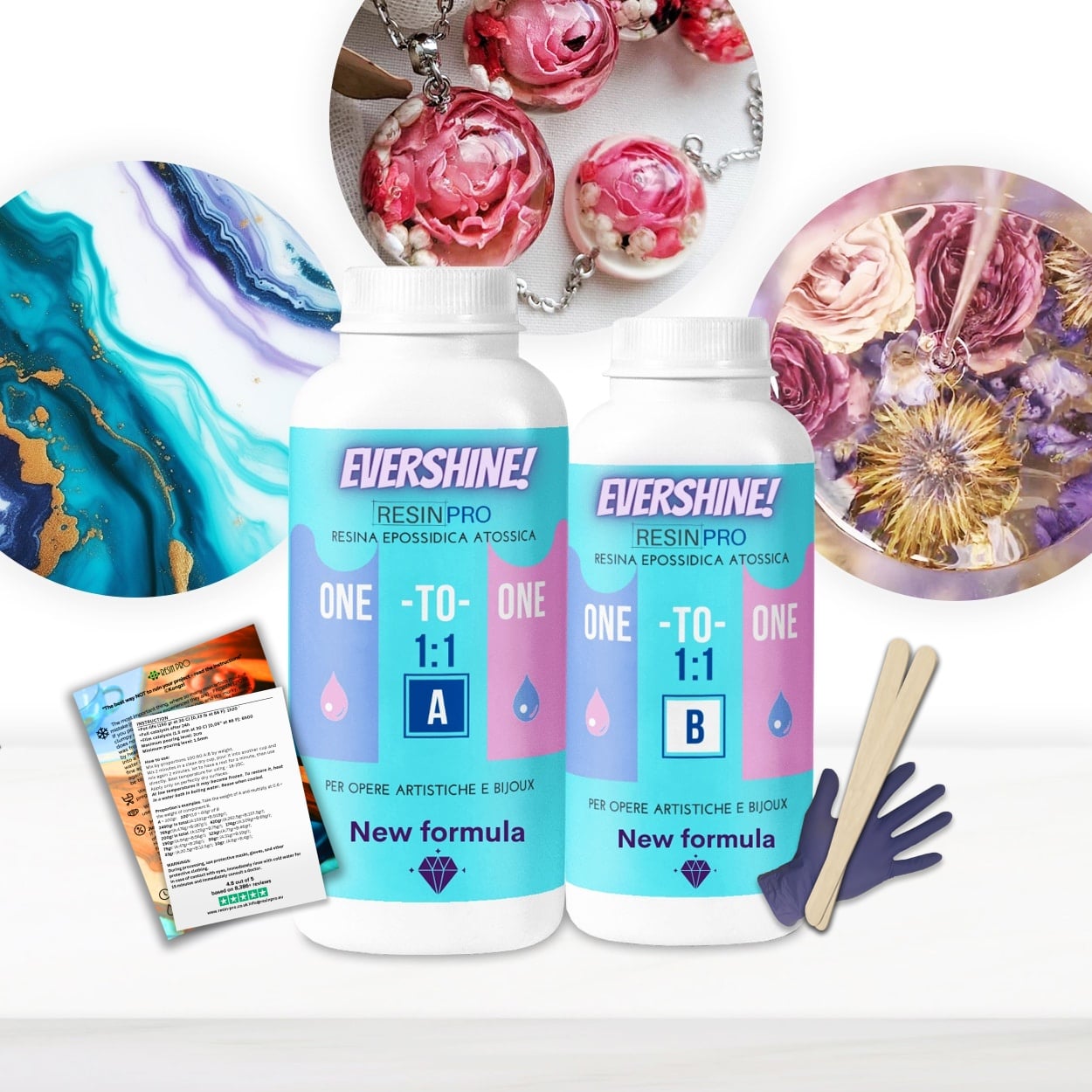 "One-2-One" – Epoxy Resin for Handcraft, 1:1 Mixing RatioPrice range: £15.95 through £59.95"One-2-One" epoxy resin is a medium viscosity craft resin with a clear, glossy finish and straightforward 1:1 mixing, suitable for varied decorative…
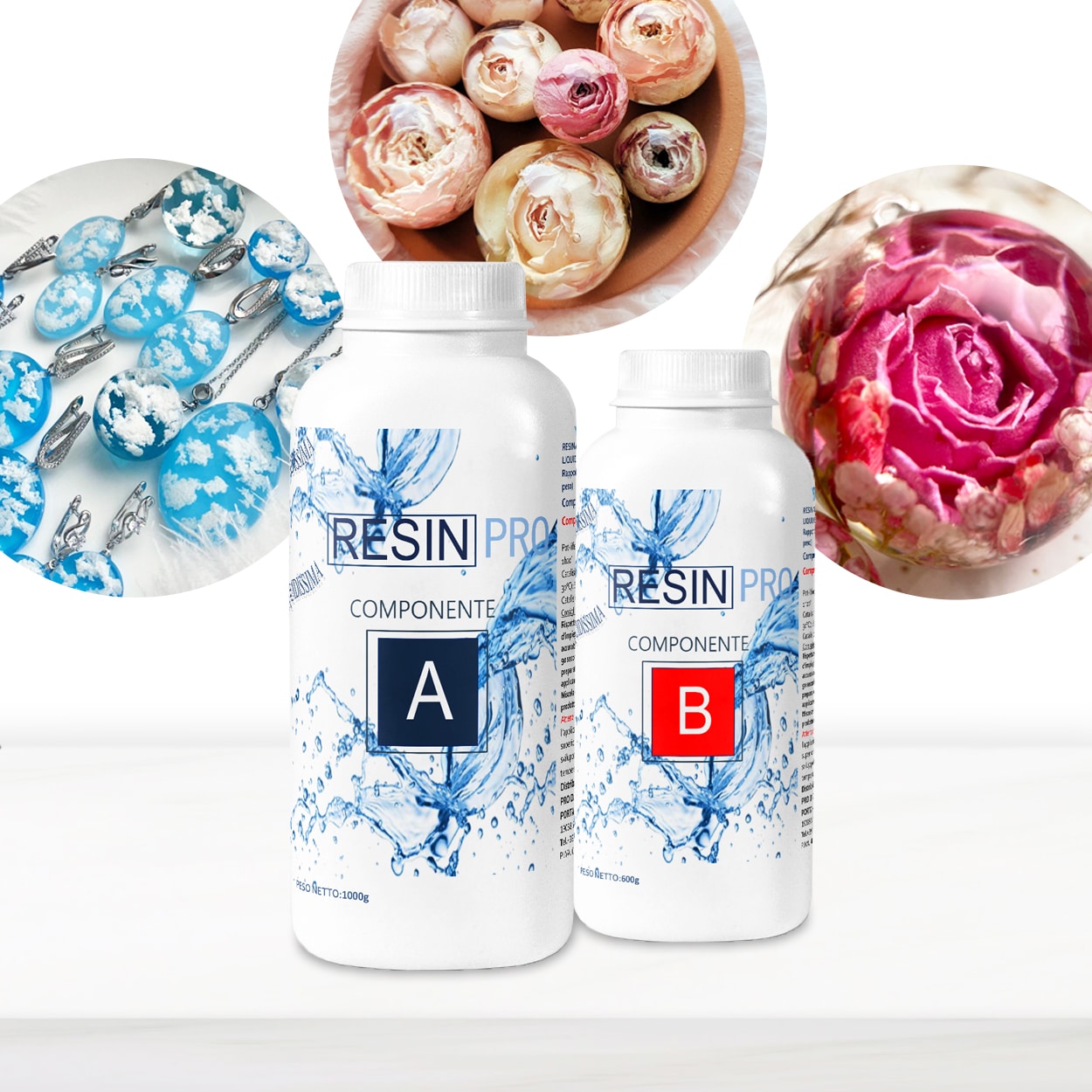 "Liquidissima" – Epoxy Resin For Creations & JewelleryPrice range: £12.85 through £31.85Suitable for artists seeking a transparent, self-levelling resin with longer working time for intricate moulds and jewellery creations.
Frequently Asked Questions
What are the differences between UV and epoxy resins for varnishing Fimo?
UV resins cure quickly under UV light, perfect for raised details and speed. Epoxy resins offer longer working times and suit clear, glossy surfaces with self-levelling.
Is UV resin safe to use on Fimo or polymer clay?
Yes, UV-curing resins are compatible with Fimo and similar polymer clays, making them an excellent choice for varnishing and fine details.
Can I use epoxy resin to varnish Fimo?
Absolutely. Epoxy resins provide a durable, glossy, and clear finish ideal for surface coatings and larger pieces.
How do I achieve the glossiest finish on polymer clay?
Apply the resin in thin, even layers and cure according to instructions. Proper surface prep and air bubble removal ensure a highly glossy result.
Can UV resins be coloured for Fimo coatings?
Yes. Compatible colourants can be added to UV resin for creative or tinted effects on Fimo and other polymer clays.
What is the best practice for applying resin to Fimo?
Begin with a clean clay surface, work in well-ventilated space, spread resin in thin coats, and cure fully to avoid tackiness or incomplete setting.