 Free shipping on orders over £29,85
  Shipping Tracking!


 Google
 Facebook
How do you dry resin?
Effective methods for curing UV and epoxy resin at home
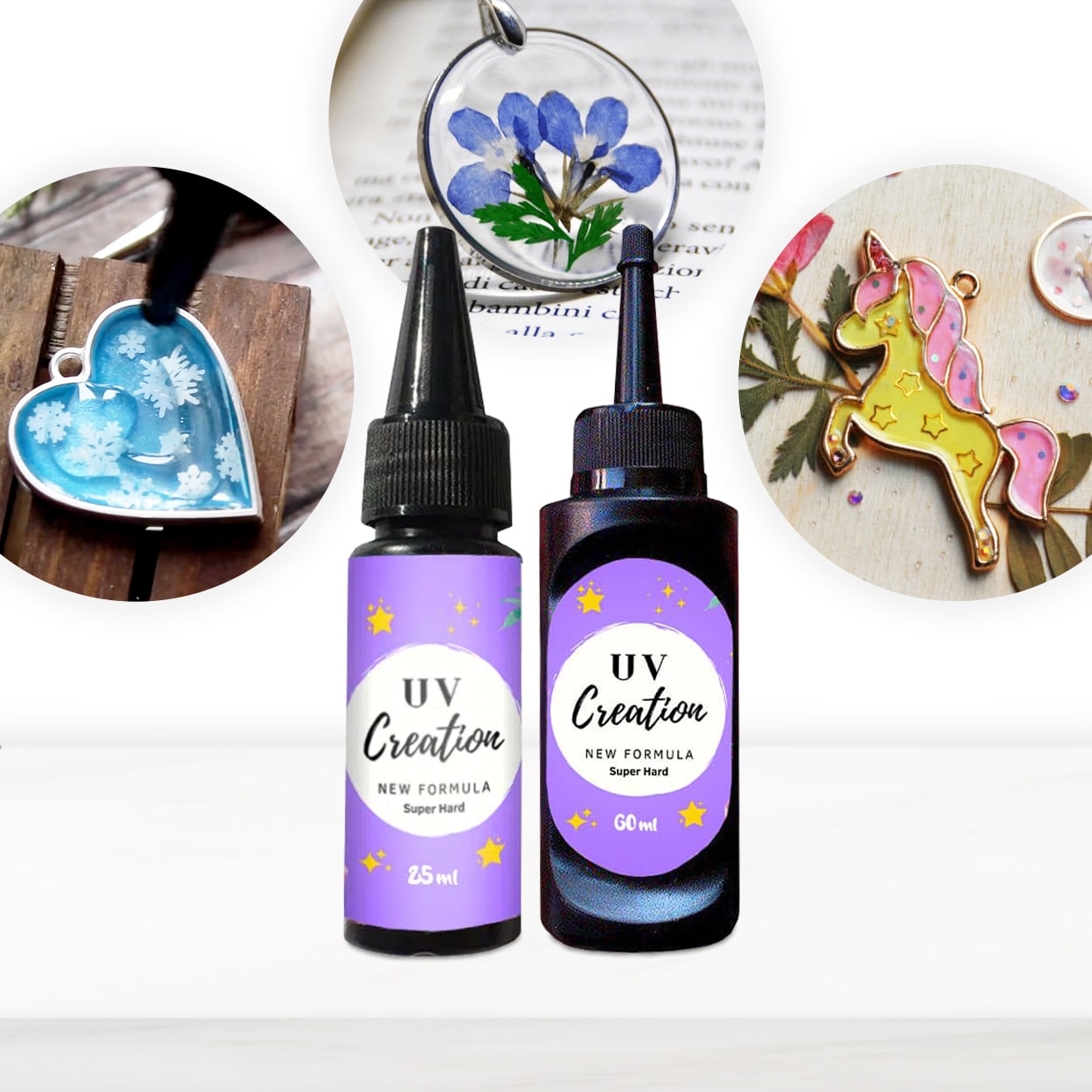
Drying resin, whether UV or epoxy, is crucial to achieving a flawless, durable finish in your craft, art or jewellery projects. Understanding the right drying technique not only saves time but ensures professional-looking, bubble-free results. This guide covers safe, reliable ways to dry resin at home, helping you to choose the best approach for your chosen resin type and project scale.
What You’ll Need
- “UV–Creation” – Fast Acrylic Resin, 3 Minute UV Cure – for fast-curing UV resin projects
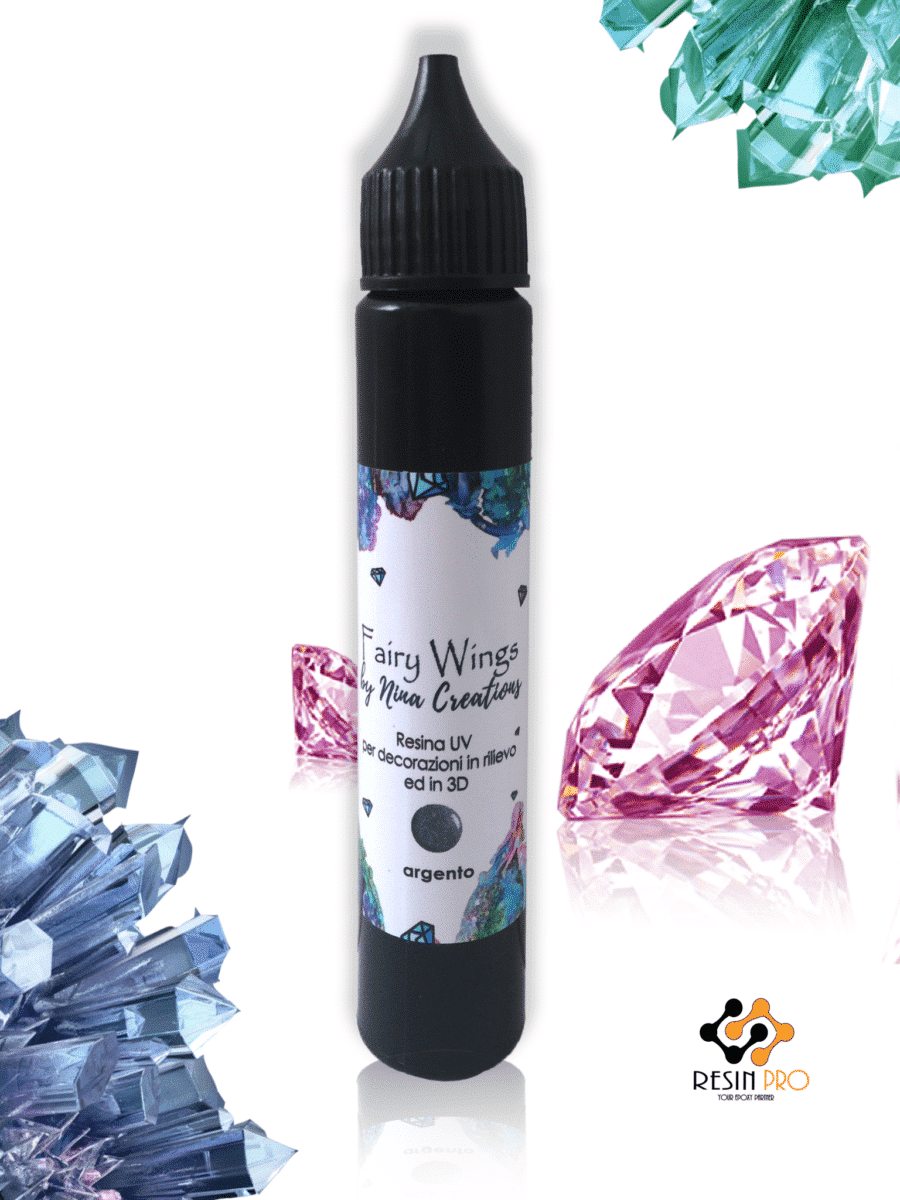
- “Fairy Wings” – UV Resin for Volumetric Reliefs, Dual Colour, 30ml – for detailed 3D designs requiring UV curing
- “ICreation” – Fast Epoxy Resin, 6h Demoulding, Transparent Gloss Finish – for projects needing rapid epoxy curing
- “Rhino” – 2kW Fan Heater for Epoxy Resin Projects – to control and optimise workspace temperature for epoxy resin drying
- UV lamp or direct sunlight (for UV resin)
- Mixing tools, gloves, and suitable moulds or work surface
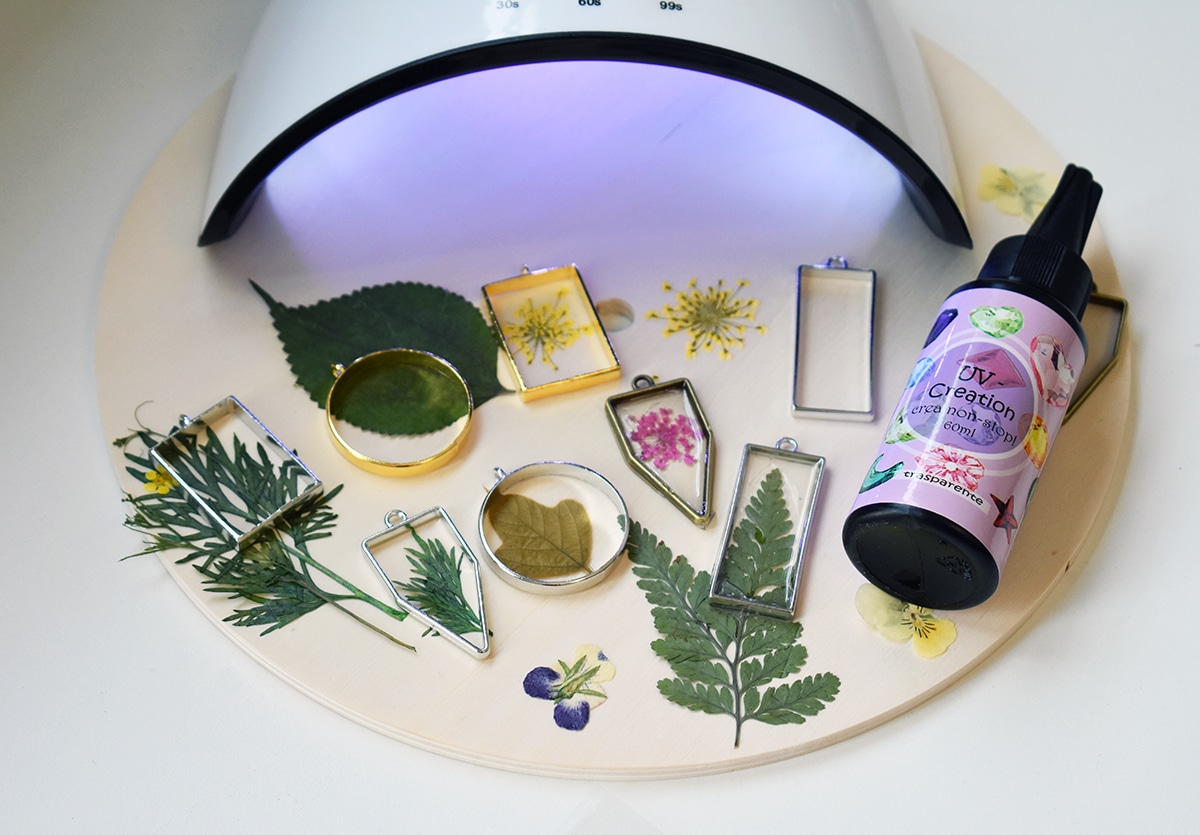
See the Difference in Curing Results
Observe the finish: Properly cured resin delivers a crystal-clear or high-gloss surface with no stickiness. Whether choosing UV-curing or fast-acting epoxy, having the right tools and curing environment gives professional, reliable outcomes. Notice how even complex projects can be sped up with correct technique.
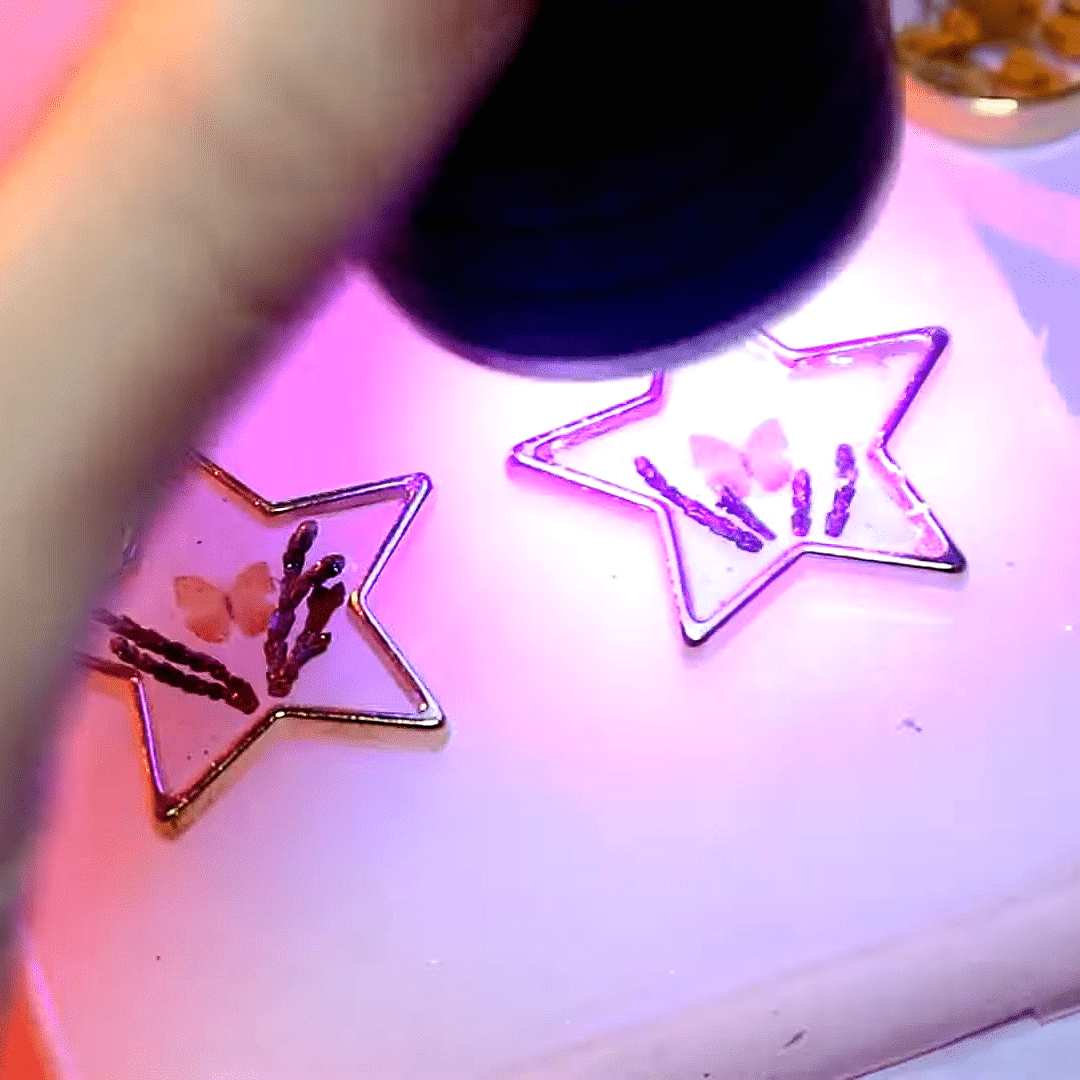
Step 1: Choose the Right Drying Environment
The drying (curing) environment is critical for both UV and epoxy resins. For UV-cured resins, work in a clean, dust-free space with easy access to a strong UV lamp or direct sunlight. Epoxy resins demand a controlled room temperature, ideally between 20–25°C, and low humidity to prevent surface imperfections.
Maintain an even temperature for best results. If curing epoxy resin during colder seasons or in a drafty workshop, a product such as the “Rhino” – 2kW Fan Heater for Epoxy Resin Projects is helpful to keep the workspace optimally warm, reducing cure time and promoting a stronger final result.
Step 2: Apply Resin Correctly
The method for application affects drying time. For UV resin, use thin, even layers. This enables the UV light to penetrate fully and ensures uniform curing. With products such as “UV–Creation” – Fast Acrylic Resin, you can achieve quick and clear finishes when spread properly within open bezels or silicon moulds.
When working with epoxy resin such as “ICreation” – Fast Epoxy Resin, care must be taken to mix components thoroughly to ensure a proper chemical reaction. Pour slowly to avoid introducing air bubbles and, if necessary, apply gentle heat to remove trapped bubbles before curing begins.
Use thin, even layers with UV resin and follow the manufacturer’s ratio instructions for epoxy.
Step 3: Cure Resin Using the Appropriate Method
To dry UV resin such as “Fairy Wings” – UV Resin for Volumetric Reliefs, Dual Colour, 30ml, expose each layer to a strong UV light for 2–5 minutes. Direct sunlight can be used, but a UV lamp guarantees consistent results regardless of weather conditions. For best results, cure each layer before adding the next.
Epoxy resin cures through a chemical reaction; once mixed and poured, allow it to set undisturbed. Curing times can range from several hours to overnight. Ensure the workspace is dust-free by covering projects with a box or container. Use a heater like the “Rhino” – 2kW Fan Heater to maintain temperature—this speeds up curing slightly and results in fewer imperfections.

Step 4: Finishing and Handling Cured Resin
Once resin is fully cured, demould carefully. For UV resin, this is often within minutes; for fast epoxy, like “ICreation” – Fast Epoxy Resin, demoulding is possible after six hours, but hard handling should be delayed until the full cure (twelve hours) is achieved.
Sand and polish edges if needed, taking care to use appropriate PPE to avoid inhaling dust particles. Be patient with epoxy resin curing—handling too early can lead to dents or a tacky surface.
Tips, Common Mistakes and Troubleshooting
Direct UV exposure guarantees quick hardening for UV resins; always check that your lamp is appropriate for the resin used. Avoid thick pours with UV resin, as light may not penetrate deeply, leading to sticky or uncured areas. For epoxy, don’t rush the mixing stage—improperly mixed resin may never fully harden. Cover your project to prevent airborne dust, and if the surface remains tacky after curing, it may be due to low temperatures or incorrect ratios.
Real User Projects and Results
See how optimal drying methods impact project quality: Finished resin pieces, from jewellery to decorative art, show greater clarity and durability when dried correctly. Browse UV resins and accessories for more inspiration and project ideas.
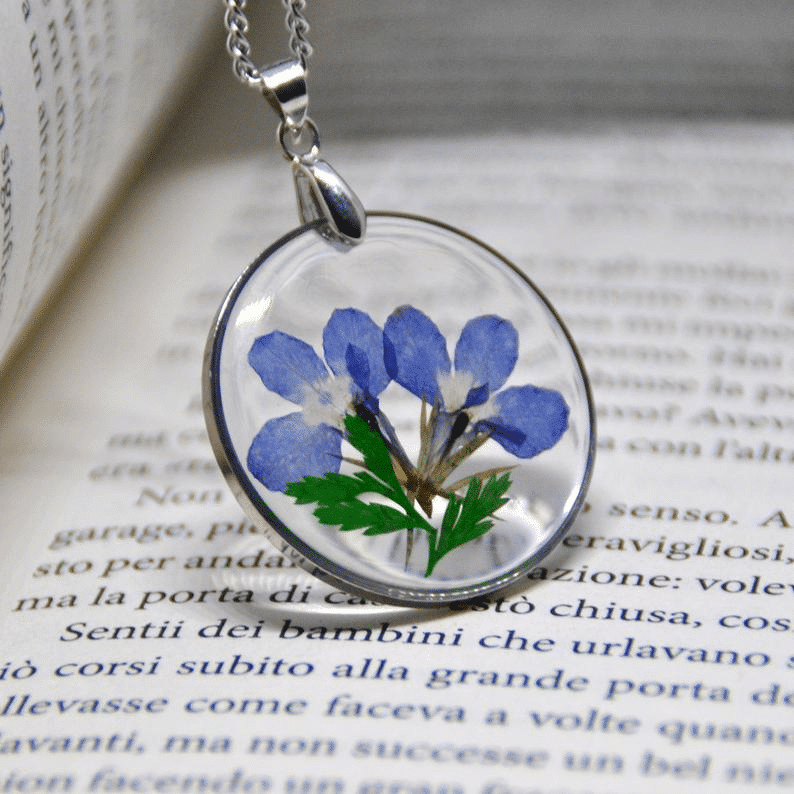
- "UV–Creation" – Fast Acrylic Resin, 3 Minute UV CurePrice range: £7.85 through £59.85UV–Creation is a ready-to-use UV acrylic resin designed for quick curing and clear glossy finishes, suitable for jewellery making.
- "Fairy Wings" – UV Resin for Volumetric Reliefs, Dual Colour, 30mlOriginal price was: £15.15.£2.85Current price is: £2.85.This UV-curing resin is designed for detailed 3D patterns and decorative elements, suited to artists and crafters.
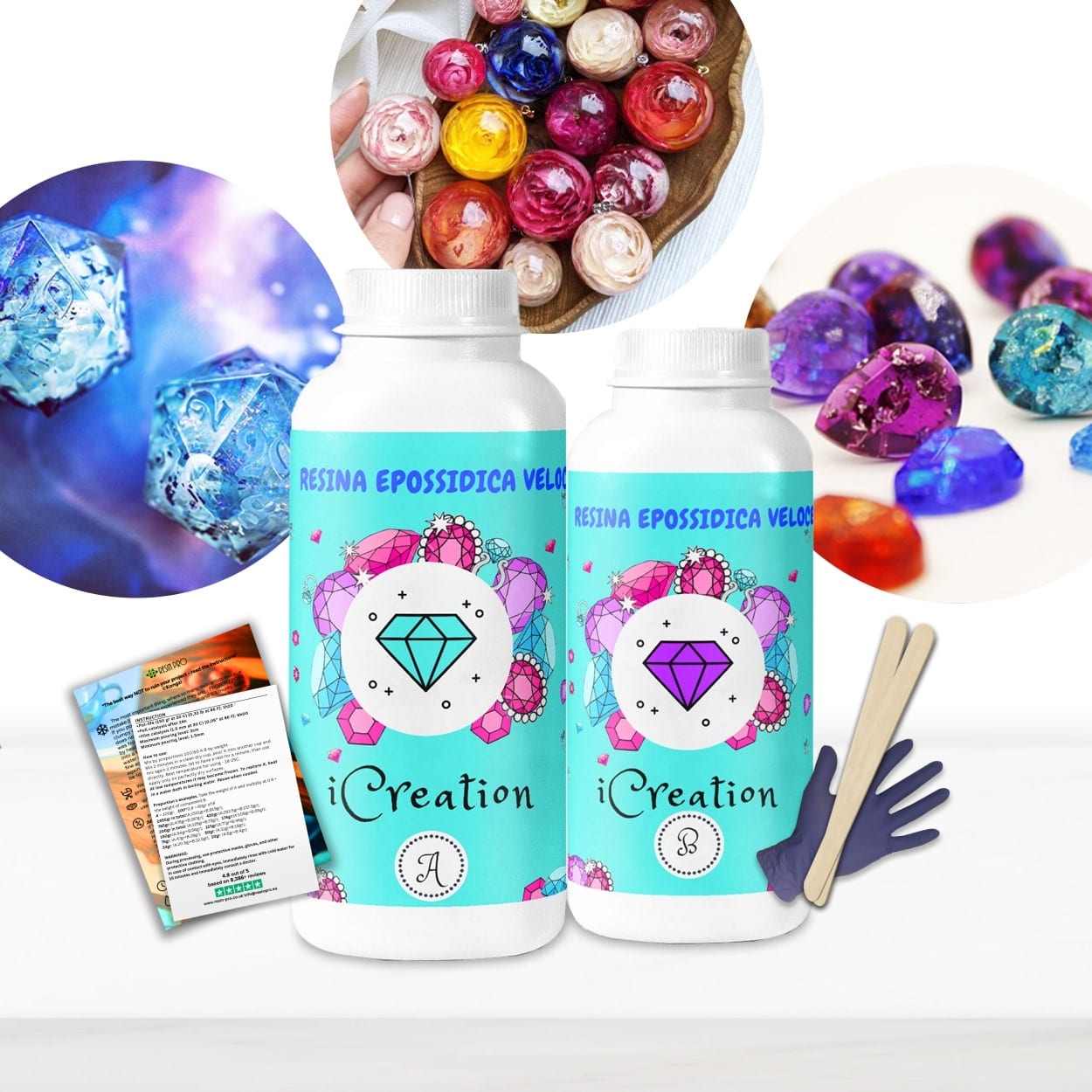 "ICreation" – Fast Epoxy Resin, 6h Demoulding, Transparent Gloss FinishPrice range: £19.40 through £52.85"ICreation" offers a fast curing epoxy resin with a crystal-clear, glossy finish suitable for jewellery and craft projects.
 "Rhino" – 2kW Fan Heater for Epoxy Resin Projects£19.85The Rhino 2kW Fan Heater offers rapid warming with an adjustable thermostat, suited for epoxy resin work.
Frequently Asked Questions
How long does UV resin take to cure?
UV resin typically cures in 2–5 minutes when exposed to a strong UV lamp. Direct sunlight may take slightly longer.
Can I speed up epoxy resin drying time?
You can gently raise the temperature of your workspace to promote faster curing, but always follow manufacturer guidance to avoid damaging the finish.
Why is my resin still sticky after curing?
Sticky resin is often caused by incorrect mixing ratios, insufficient UV exposure, or low temperatures during curing.
Should I use direct sunlight to cure UV resin?
Direct sunlight can cure UV resin, but a UV lamp provides more consistent and reliable results, especially for detailed or layered work.
How do I prevent dust on curing resin?
Cover your resin project with a clean container or box to shield it from airborne particles while curing.
Is it safe to use a heater with resin?
Using a controlled heater is safe and helps maintain a consistent curing temperature, but avoid overheating which may cause rapid, uneven curing.