 Free shipping on orders over £29,85
  Shipping Tracking!


 Google
 Facebook
How do you install a resin cage?
Step-by-step guide for creating strong, water-draining outdoor surfaces


Installing a resin cage is an effective way to create attractive, permeable outdoor surfaces like driveways, garden paths, and patios. This guide will lead you through the complete process to achieve a durable finish that allows for rainwater drainage and minimises surface puddling. Whether you are a keen DIY enthusiast or planning a professional installation, following these steps ensures stable and long-lasting results.
What You’ll Need
- “Trasparente” – Epoxy Binder for Coloured Pebbles and Grits – ideal for colourful, UV-stable pebble floors
- “Flowstone” – Complete Permeable Floor Kit with Pebbles and Resin – contains essential components for creating permeable surfaces
- Washed Pebbles for Permeable Floors 25kg – Outdoor Resin-Bound Surfaces – natural aggregates for drainage and durability
- Resin Fibreglass Repair Kit – Complete Polyester Resin and Hardener Set – for any essential base repairs before installation
- Protective gloves, safety goggles, mixing containers, a bucket or cement mixer, trowel, spirit level, straight edge, and masking tape
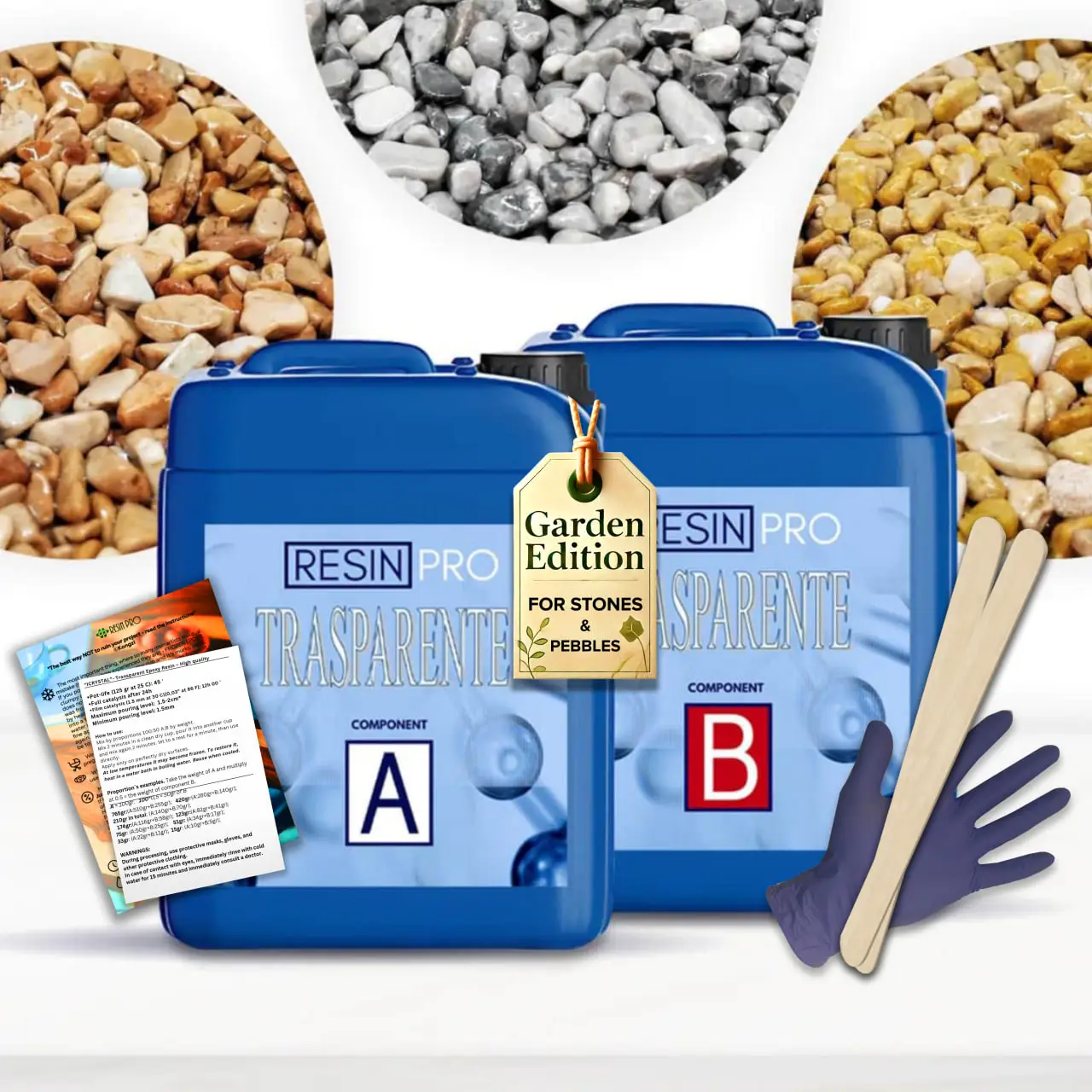
Essential Tools and Visuals for Resin Cage Installation
Gather all tools, safety gear, and quality materials before starting your resin cage project. Seeing the correct aggregate size and binder quantities in action can help you visualise each step and plan for a smooth installation.

Step 1: Prepare the Ground and Base
Start by choosing and marking the installation area for your resin cage. Clear away any loose material, weeds, or debris, ensuring the base is solid, compacted, and drains well. Poor base preparation is a leading cause of future failures, so take extra care with this step. If you need to repair cracks or weak areas in a concrete or fibreglass base, use a specialist kit to reinforce and waterproof as required.
Wear protective gloves and safety goggles while handling tools or applying repair products to maintain site safety.
Step 2: Mix the Resin Binder and Pebbles
Measure your aggregates and resin according to your kit instructions or project requirements. The usual ratio is approximately 3% resin to 97% pebbles by weight. Combine the pebbles and resin in a suitable mixing vessel—large projects benefit from a cement mixer, while buckets work well for smaller surfaces.
Mix the resin binder and pebbles thoroughly until every stone is fully coated and glistening, which ensures even strength and maximum permeability. If working with colourful aggregates, a UV-resistant binder such as “Trasparente” – Epoxy Binder for Coloured Pebbles and Grits is recommended to maintain colour vibrancy and long-term clarity.
Step 3: Lay and Compact the Resin-Pebble Mix
Transfer the fully mixed resin and stone blend onto your prepared base. Spread the mixture to your planned depth, usually between 12 mm and 20 mm, using a trowel or straight edge for an even surface. For edging, masking tape or edge formers prevent spillage and define crisp boundaries.
Lay and compact the resin-pebble mix evenly to avoid air pockets, which can compromise permeability or stability. Periodically check levels using a spirit level and tamp the surface gently for a robust finish. Use only pre-washed pebbles to ensure proper resin adhesion; Washed Pebbles for Permeable Floors 25kg – Outdoor Resin-Bound Surfaces are ideal for this purpose.
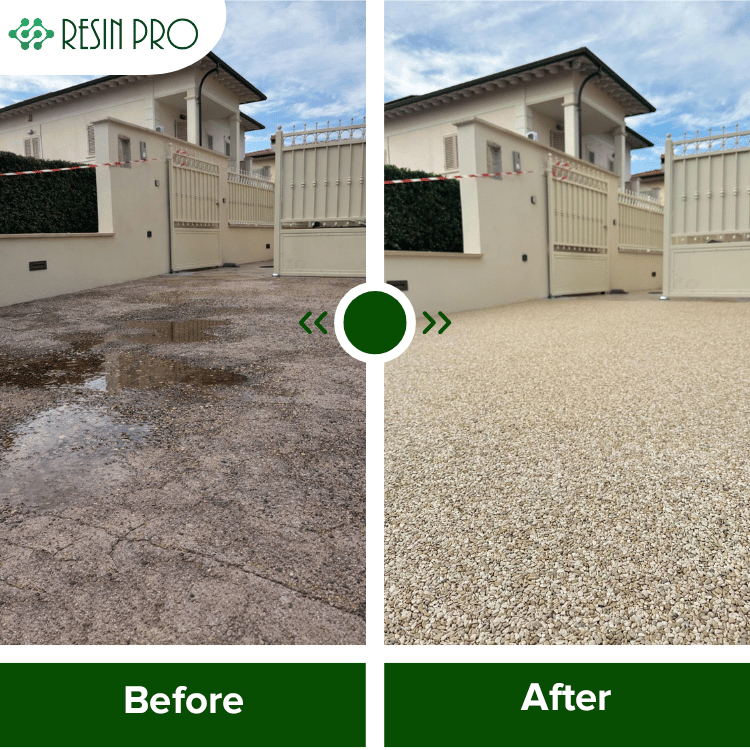
Step 4: Allow to Cure and Inspect the Surface
The curing time depends on the product, temperature, and humidity, but typically surfaces are touch-safe within a few hours and walkable after 10 to 24 hours. Shield your new resin cage from contamination during this period using boards or barriers if needed.
Allow full curing before opening for use to ensure structural integrity, stain resistance, and optimal drainage. Inspect the finished surface for soft areas or imperfections and make corrections while the resin remains workable.
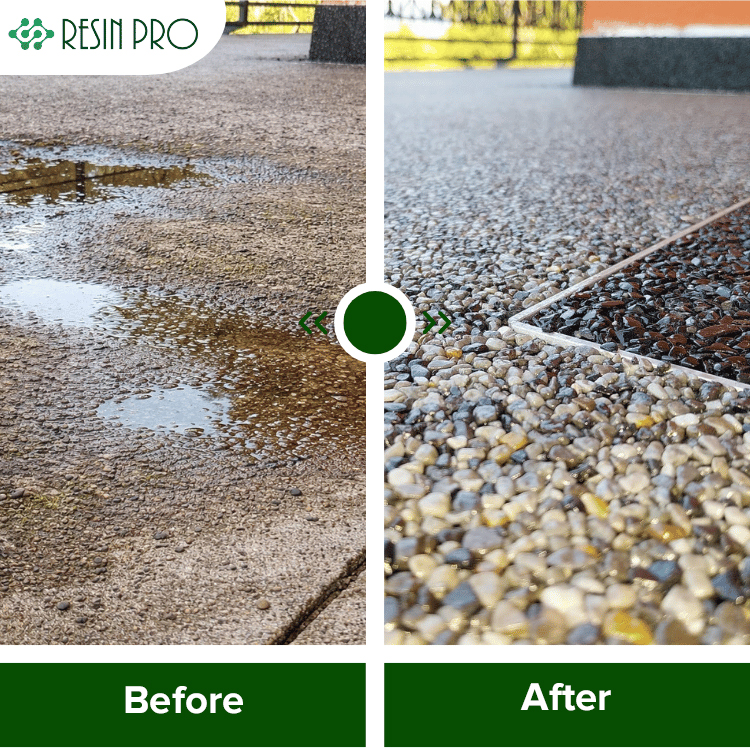
Tips, Common Mistakes, and Troubleshooting
Success depends on both materials and technique. Work in dry conditions with temperatures ideally between 10°C and 30°C. Avoid adding too much resin, which can create puddling and diminish permeability. Do not skip surface cleaning, as dust or moisture can hinder adhesion. If you notice uneven textures, quickly retrowel the area before the resin sets.
Finishing Touches and Project Inspiration
Explore recent projects for inspiration on colour combinations, edging ideas, and different layout approaches with resin-bound stone systems. The right finish not only improves function—such as drainage—but also adds aesthetic value to any outdoor space.

- "Trasparente" – Epoxy Binder for Coloured Pebbles and GritsPrice range: £31.85 through £948.85"Trasparente" provides a clear, UV-resistant epoxy binder suited for coloured pebbles and grits in flooring projects.
- "Flowstone" – Complete Permeable Floor Kit with Pebbles and ResinPrice range: £42.85 through £3,389.85"Flowstone" kit is a durable, permeable pebble and resin floor system suited for driveways and patios with guidance for correct resin use.
 Washed Pebbles for Permeable Floors 25kg – Outdoor Resin-Bound Surfaces£26.85Washed Pebbles for Permeable Floors 25kg offer natural aggregates suitable for permeable outdoor surfaces using resin binders.
 Resin Fibreglass Repair Kit – Complete Polyester Resin and Hardener SetPrice range: £13.85 through £22.85Resin Fibreglass Repair Kit provides strong structural reinforcement and waterproof bonds, suitable for various rigid surfaces.
Frequently Asked Questions
What materials do I need to install a resin cage?
You’ll need a permeable aggregate, suitable resin binder, mixing tools, trowels, and protective gear for a successful installation.
How long does a resin cage take to cure?
Most resin cages cure within 10–24 hours, but this depends on temperature, humidity, and product guidelines.
What is the best base for a resin cage?
A stable, compacted substrate such as concrete, tarmac, or reinforced earth is ideal to support the resin-bound system.
What are common mistakes in resin cage installation?
Poor surface preparation, excessive resin or moisture, and insufficient mixing often result in failures or uneven finishes.
Are there specific weather conditions needed?
Yes, install on dry days with mild temperatures; avoid rain and high humidity to ensure best adhesion and curing.
Can I install a resin cage myself?
Yes, with careful preparation, following instructions, and using proper materials, resin cage installation is achievable for most DIYers.