 Free shipping on orders over £29,85
  Shipping Tracking!


 Google
 Facebook
How do you make a resin ball?
Crafting your own resin ball is a rewarding project that allows you to create a unique, glossy, and durable sphere for decoration, gifts, or craft displays. This guide will walk you through the essential steps and practical tips to ensure your resin ball turns out clear, smooth, and perfectly rounded—whether you’re a beginner or an experienced crafter aiming for professional results.
Step-by-step guide for smooth, glossy resin spheres


What You’ll Need
- Wooden Ball for Epoxy Resin Projects, 6cm Diameter – sturdy and smooth base for resin applications
- “One-2-One” – Epoxy Resin for Handcraft, 1:1 Mixing Ratio – ideal for beginner-friendly resin casting
- “Trasparente” – Multipurpose Clear Epoxy Resin for Casting – Up to 2cm – suitable for ultra-clear, glossy finishes
- “ICreation” – Fast Epoxy Resin, 6h Demoulding, Transparent Gloss Finish – for faster results when time is important
- Silicone mould or release agent (if casting without a base)
- Mixing cups, stirring sticks, gloves, and protective mat
- Sandpaper (various grits), polishing compound, and a dust-free workspace

Key Materials for a Clear, Durable Resin Ball
Choose a sturdy base and the right resin: starting with a smooth wooden sphere or high-quality silicone mould maximises your project’s clarity and prevents distortion. Opt for resins formulated for transparency, such as those designed for crafts or jewellery.
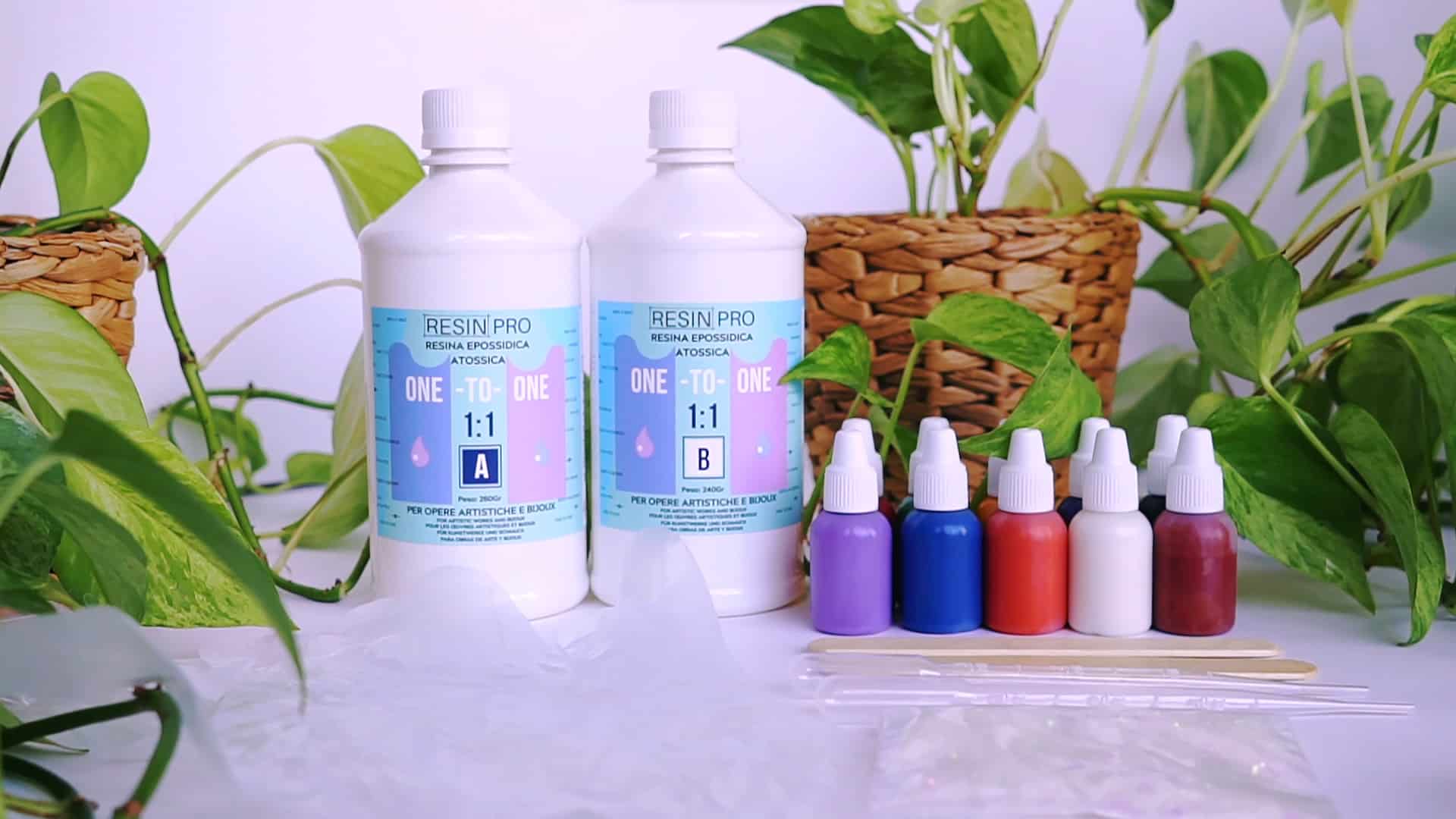
Step 1: Prepare Your Base or Mould
Ensure your workspace is clean, dust-free, and well-ventilated. If you’re using a pre-made wooden sphere, like the Wooden Ball for Epoxy Resin Projects, 6cm Diameter, make certain the surface is smooth and free from debris. Lightly sand the surface if needed so the resin will adhere evenly. If you’re using a silicone mould, check it is clean, dry, and fully intact to prevent leaks or imperfections. Apply a mould release agent for easy demoulding later.
Step 2: Mix Your Epoxy Resin Accurately
Mixing your resin correctly is crucial for both clarity and strength. Follow the manufacturer’s mixing ratios and instructions precisely. For straightforward mixing and reliable outcomes, resins like “One-2-One” – Epoxy Resin for Handcraft, 1:1 Mixing Ratio are ideal, particularly for beginners. Measure equal parts (by volume) of resin and hardener, then blend thoroughly for 3–4 minutes, scraping the sides and base of your container to guarantee uniformity. Improper mixing can lead to cloudiness or tacky spots once cured.
Step 3: Pouring the Resin with Care
Pour slowly to minimise air bubbles and layer the resin if aiming for special effects or colour blends. If you’re coating a base (such as a wooden ball), suspend it or rotate to achieve even coverage and minimise drips. Multipurpose clear resins—like “Trasparente” – Multipurpose Clear Epoxy Resin for Casting – Up to 2cm—are excellent for creating a glass-like, bubble-free finish. Work in thin layers if needed; multiple coats often yield superior sheen and fewer bubbles. Tackle bubbles promptly with a heat gun or gentle exhaling, but avoid overheating.
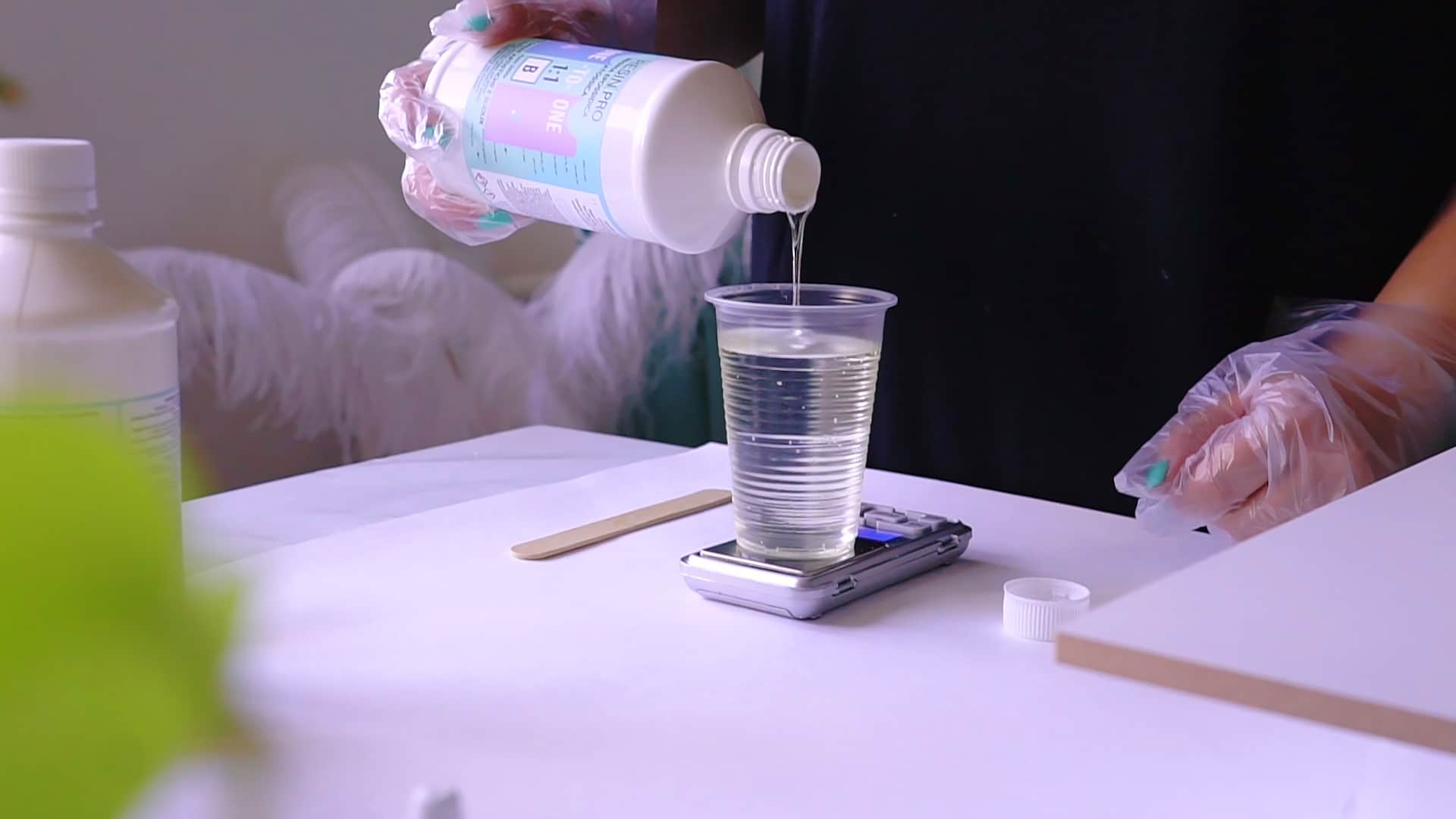
Step 4: Allow to Cure Fully
Let the resin harden in a dust-free location, protected from drafts or temperature swings. Curing time will depend on the resin used. For quicker demoulding, “ICreation” – Fast Epoxy Resin, 6h Demoulding, Transparent Gloss Finish allows you to remove the ball in as little as 6 hours, with full cure at 12–24 hours—ideal for time-sensitive projects. Avoid touching or moving the item until fully set to prevent fingerprints, dents, or warping. Review the manufacturer’s recommendations for curing environment and optimal demoulding timing.

Step 5: Sanding and Polishing the Resin Ball
After the resin has completely cured, inspect your ball for any uneven spots, drips, or minor imperfections. Use progressively finer sandpaper (start around 400 grit and work up to 2000 grit) to smooth the surface. Keep the sanding wet for a clearer result and less scratching. Once smooth, polish using a dedicated resin or plastic polish with a soft cloth to bring out a high-gloss, transparent finish. This final step transforms the sphere from merely smooth to truly professional in appearance.
Tips and Troubleshooting
Use a suitable mould or base to ensure the resin forms a flawless sphere—misaligned moulds can cause shape irregularities. Mix the resin precisely; incomplete mixing is a common source of sticky or foggy resin balls. Pour resin with patience and avoid trapping bubbles; slow pours and thin layers help. Let the resin cure fully before sanding or handling, as premature demoulding can deform your ball. Finishing touches make a difference; spend time on sanding and polishing for showpiece-ready results. If issues like air bubbles, tacky spots, or cloudy finishes arise, review your techniques and resin type—each formulation has its own quirks.
Common Challenges and Solutions
Bubbles, clouding, or stickiness often result from mixing errors, pouring too quickly, or rushed curing. Remedy these by mixing thoroughly, working in thin layers, and allowing ample curing time. Never rush the finishing process—time spent sanding and polishing delivers spectacular results.

- Wooden Ball for Epoxy Resin Projects, 6cm DiameterOriginal price was: £5.85.£3.15Current price is: £3.15.Wooden Ball for Epoxy Resin Projects, 6cm Diameter is suitable for creating unique resin art pieces in your epoxy resin crafting.
- "One-2-One" – Epoxy Resin for Handcraft, 1:1 Mixing RatioPrice range: £14.85 through £56.85"One-2-One" – Epoxy Resin suitable for crafting jewellery and decorative items with a clear, glossy finish.
 "Trasparente" – Multipurpose Clear Epoxy Resin for Casting – Up to 2cmPrice range: £8.45 through £948.85"Trasparente" is a clear multipurpose casting epoxy resin offering up to 2cm layer thickness with a smooth, glossy finish suitable for detailed and…
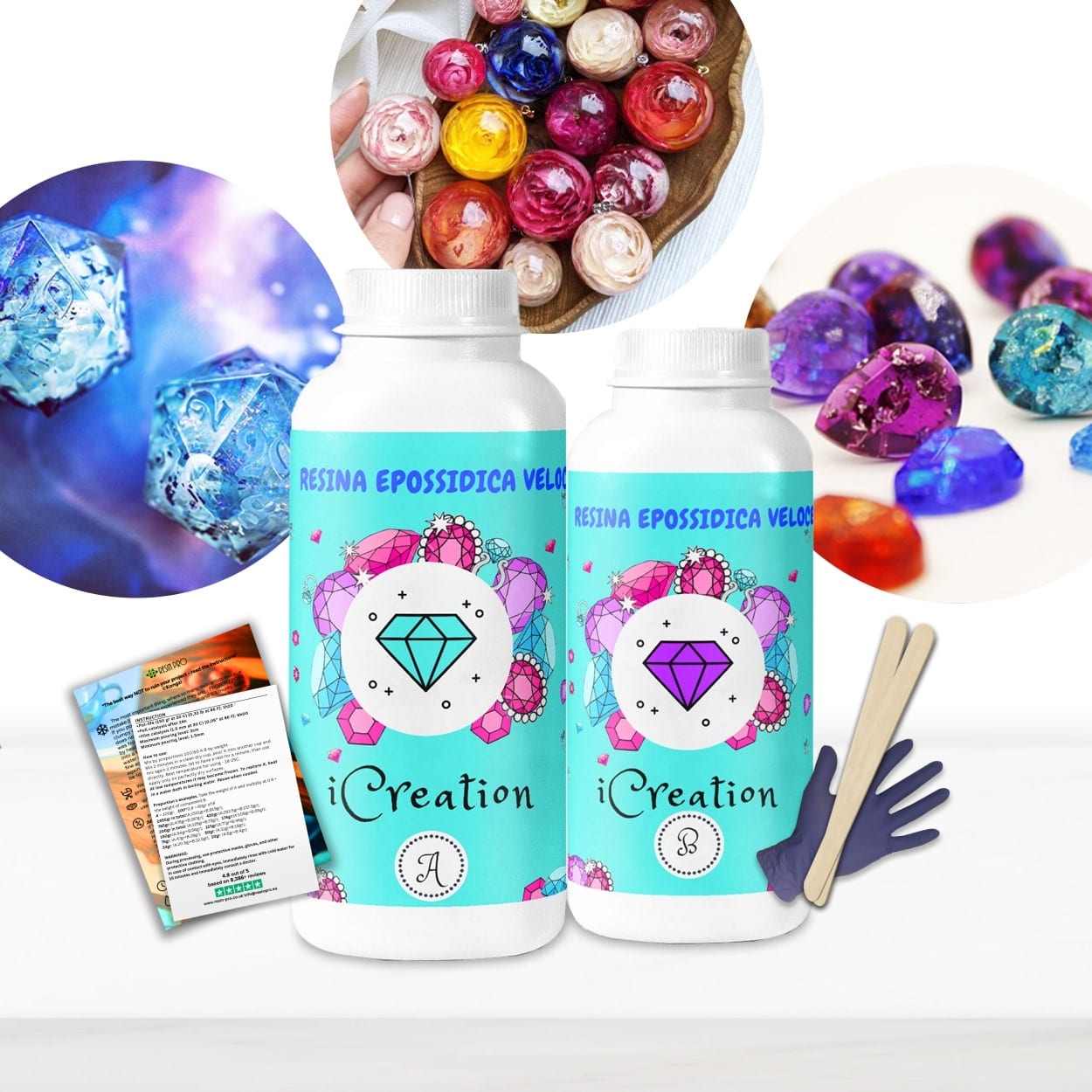 "ICreation" – Fast Epoxy Resin, 6h Demoulding, Transparent Gloss FinishPrice range: £19.40 through £52.85ICreation fast epoxy resin delivers a transparent, glossy finish with a 6-hour demoulding time suitable for crafting and jewellery making.
Frequently Asked Questions
Can I make a resin ball without a mould?
Yes, you can use a ready-made wooden sphere as a base and coat it with resin. This method avoids the need for full casting moulds.
Which resin type is best for clear spheres?
Transparent casting resins, such as "Trasparente" or "One-2-One", are ideal for clear, glossy resin balls.
How do I avoid bubbles in resin balls?
Mix resin slowly and carefully, pour in thin layers, and use a heat gun or exhale gently to release trapped bubbles.
Why is my resin ball sticky or soft?
This is often due to incorrect mixing ratios or insufficient curing time. Double check measurements and allow full cure before demoulding.
How long should I leave resin to cure?
Curing time varies by resin type. Fast-curing options require around 6–12 hours, while others may need up to 24 hours for a complete hard set.
Can I colour my resin ball?
Yes, pigment powders or dyes compatible with epoxy resin can be mixed in to achieve custom colours and effects.
Is sanding and polishing necessary for a resin ball finish?
For the smoothest, most reflective finish, sanding and polishing are recommended after curing.