 Free shipping on orders over £29,85
  Shipping Tracking!


 Google
 Facebook
How do you make a resin pendant?
Step-by-step guide to crafting stylish resin jewellery pieces


Crafting a resin pendant lets you create eye-catching and personalised jewellery that sets you apart. Whether you’re new to resin or looking to refine your technique, this guide will take you through the main steps—preparation, casting, curing, and finishing—to ensure your pendant is both beautiful and durable. Understanding the stages is essential for a flawless and unique piece of resin jewellery.
What You’ll Need
- “Evershine Collection” – Artisan Jewellery Epoxy Resin Kit with 100+ Accessories — a complete kit ideal for resin pendant creation, including moulds, pigments, and findings
- “UV–Creation” – Fast Acrylic Resin, 3 Minute UV Cure — for rapid projects and easy small designs
- Set of 10 Open Metal Bezels for Jewellery Making and UV Resin Projects — open-back bases for unique pendant shapes
- “One-2-One” – Epoxy Resin for Handcraft, 1:1 Mixing Ratio — clear, non-toxic resin for longer pour times or larger pendants
- Gloves, mixing cups and sticks, a UV lamp (for UV resin), tweezers, decorative inclusions (e.g. flowers, glitter), and safety gear

Creative Pendant Designs and Workspace Inspiration
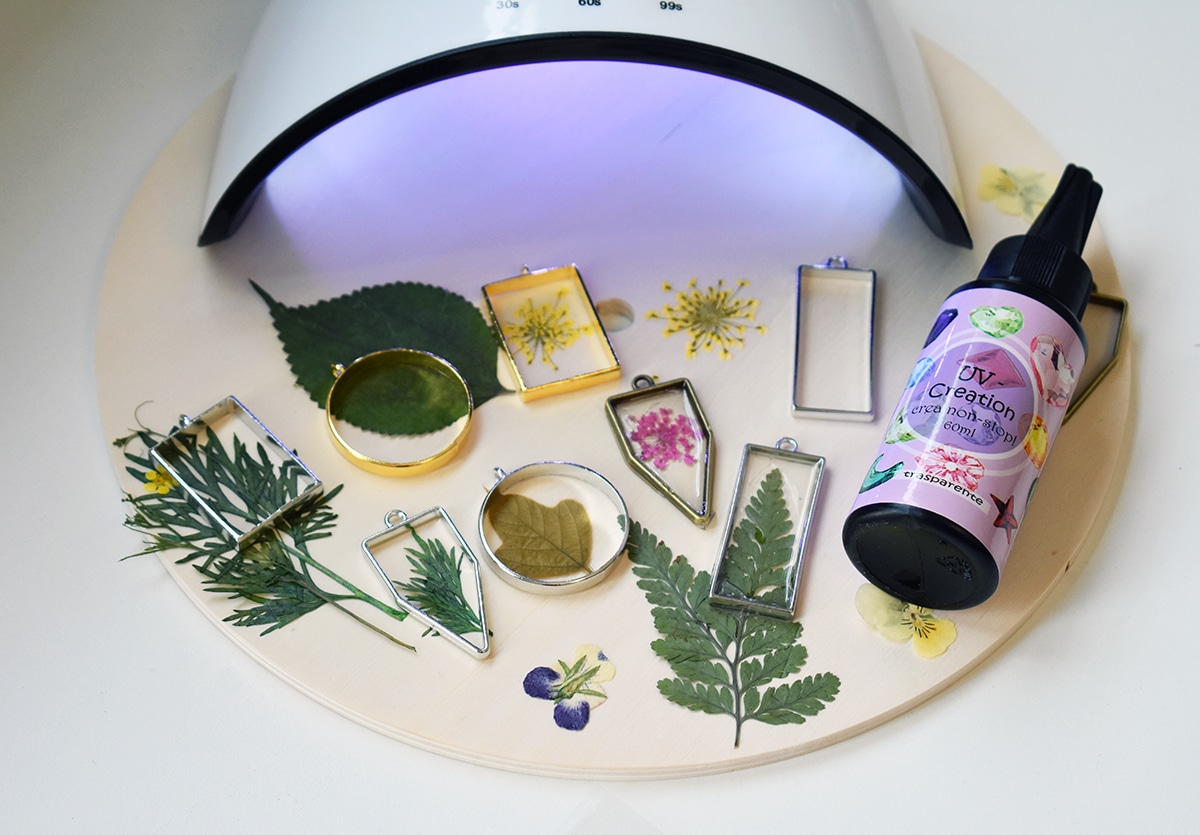
Explore vibrant resin pendants and well-organised crafting setups to spark your imagination. Notice how varied inclusions—from flowers to shimmering pigments—bring each pendant to life. Setting up your workspace beforehand ensures a smooth, enjoyable process.
Step 1: Set Up Your Workspace and Prepare Materials
Choose a clean, dry, and dust-free area to work. Set down protective sheets or a silicone mat to catch spills and drips, keeping your surfaces safe. Arrange your gloves, mixing utensils, and all materials within reach, including inclusions such as dried flowers, glitter, or beads that you want to encase in resin. Always protect your workspace with plastic sheets or a silicone mat to prevent resin spills. Ample ventilation is important—resin can release odours, especially during mixing and curing, so crack a window or work near a fan.
Step 2: Mix and Pour the Resin
For classic epoxy resin, carefully measure equal parts (1:1 ratio) of resin and hardener according to the product instructions. Mix slowly and thoroughly for at least two minutes to avoid bubbles. If you’re using the “Evershine Collection” kit or “One-2-One” epoxy resin, follow the simple 1:1 volumes for reliable curing and a clear finish. For UV resin, such as “UV–Creation”, pour the ready-to-use resin directly into your chosen mould or bezel—no mixing needed. Use a toothpick or spatula to coax resin into detailed shapes and eliminate air bubbles.
Step 3: Add Inclusions and Cure
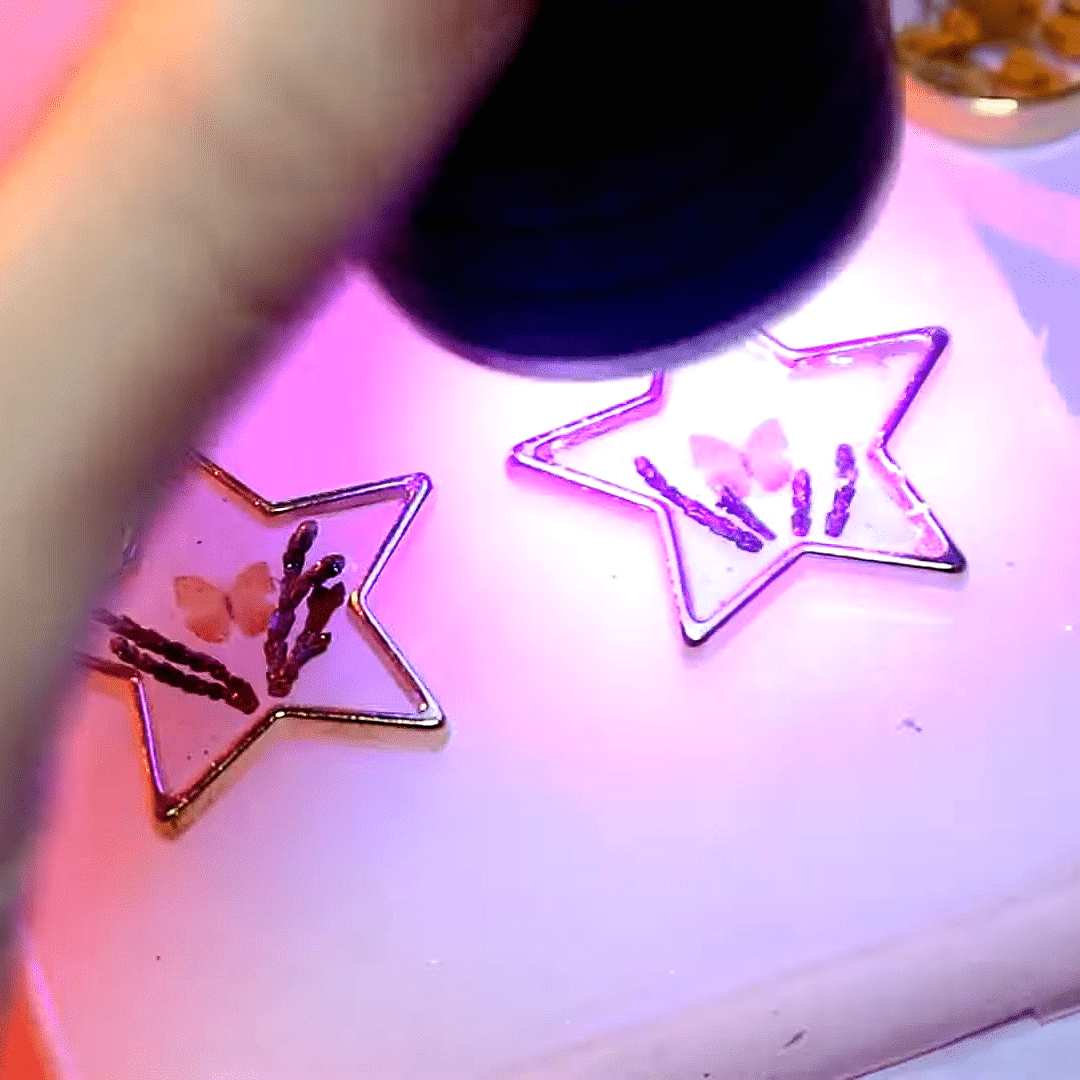
Once the resin is poured, place inclusions—like a pressed flower or shimmering pigment—into the wet resin with tweezers. Adjust placement gently to suspend items within the pendant. If using open metal bezels, ensure inclusions fit neatly inside the frame without overfilling. Cure UV resin pieces under a UV lamp for the manufacturer’s recommended time (usually 2–3 minutes). For epoxy resin, cover the mould to shield from dust, and leave undisturbed for the recommended cure period (often 24 hours). Avoid rushing the demoulding process as this can lead to surface blemishes or breakage.
Step 4: Demould and Finish Your Pendant
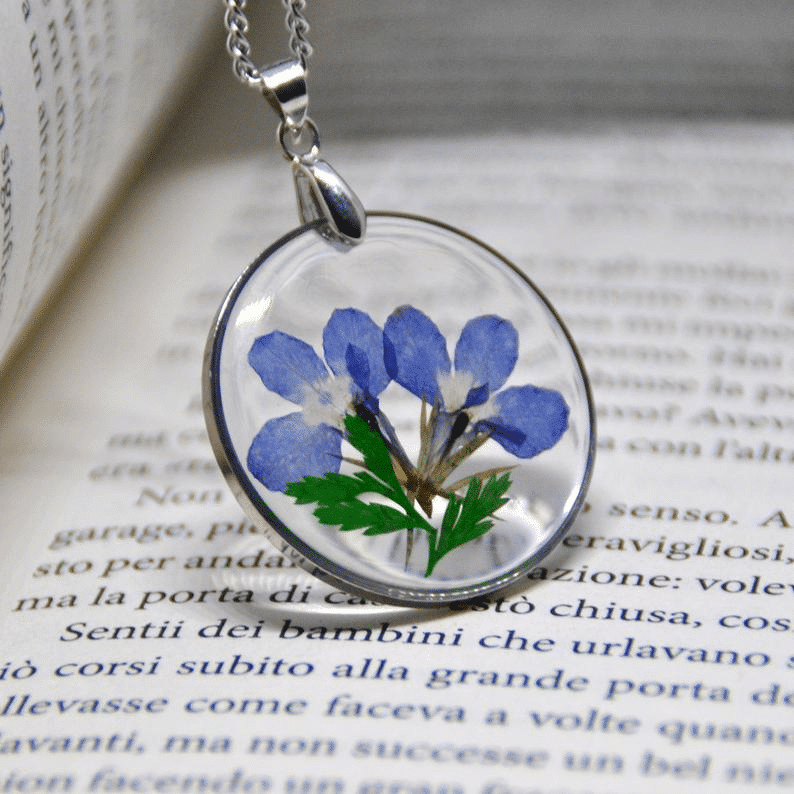
When fully cured, gently remove the pendant from its mould or bezel frame. Trim any overflows or sharp edges with fine sandpaper or a precision file. If the surface is slightly uneven or you notice small flaws, you can lightly sand and apply an extra thin resin coat for a glossy effect. Use the accessory findings—jump rings, chains, or tassels—to assemble your pendant into a finished piece. If you find small bubbles after curing, try gently warming the resin with a heat gun before it fully sets. Attach a chain or cord and your handmade resin pendant is ready to wear or give as a gift.
Tips and Common Mistakes
- Add embellishments slowly and thoughtfully, as overcrowding your pendant can make the design less striking.
- Measure resin and hardener precisely—improper ratios may prevent full curing or leave the piece sticky.
- Work in thin layers for best results, especially if adding multiple inclusions.
- Cure each layer thoroughly before adding another to prevent cloudiness.
- Avoid working in high humidity as it can affect resin clarity and curing.
Finishing Touches for Polished Jewellery
See the difference a refined finish makes to every resin pendant. Adding findings and polishing edges transforms your creation from a simple cast to wearable art. Creative assembly and careful handling enhance durability and overall appeal.
- "Evershine Collection" – Artisan Jewellery Epoxy Resin Kit with 100+ Accessories£20.85"Evershine Collection" offers a clear 1:1 epoxy resin kit with 100+ accessories, designed for jewellery makers and craft enthusiasts.
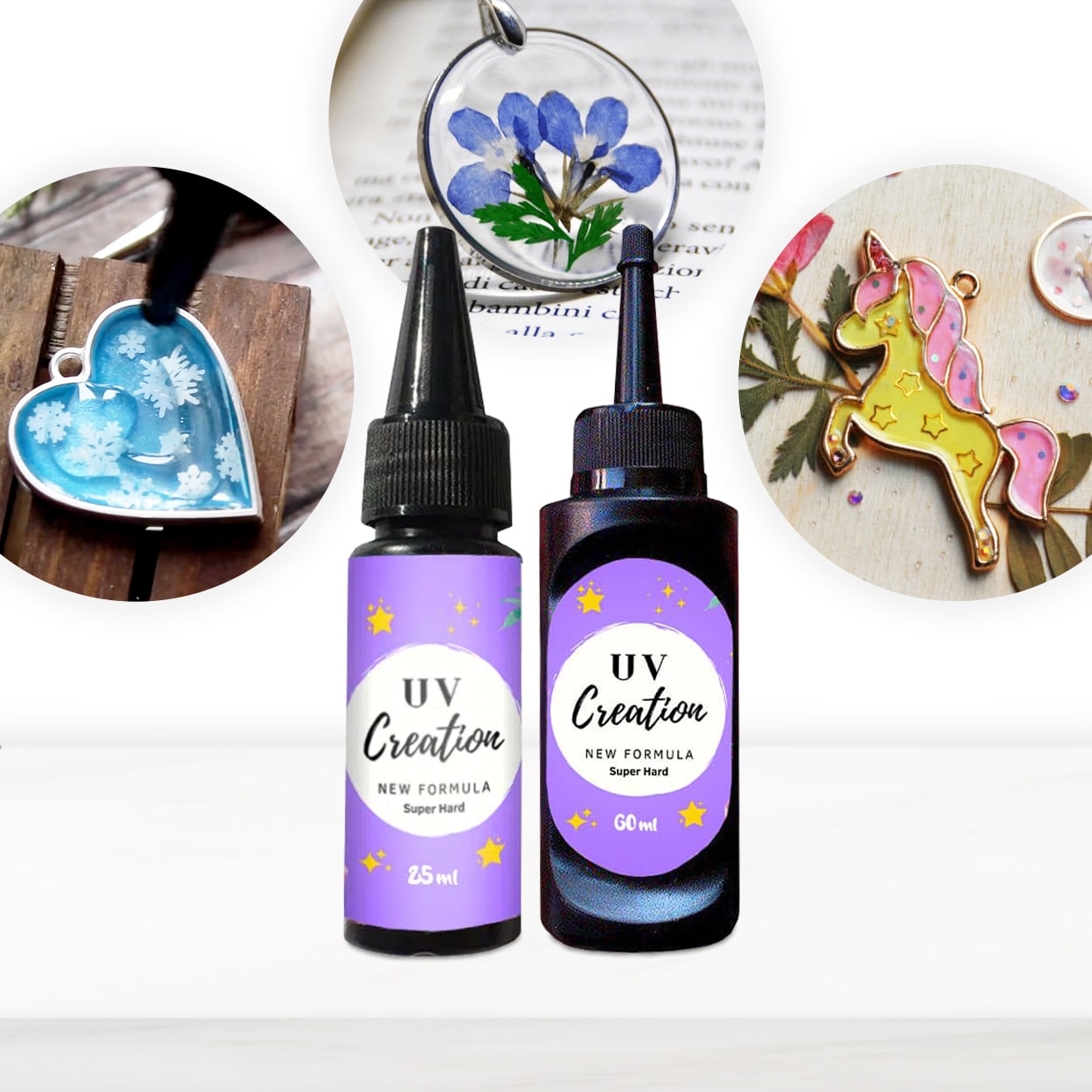
- "UV–Creation" – Fast Acrylic Resin, 3 Minute UV CurePrice range: £7.85 through £59.85UV–Creation is a fast curing acrylic resin designed for jewellery making with a clear, glossy finish and easy no-mix application.
 Set of 10 Open Metal Bezels for Jewellery Making and UV Resin ProjectsOriginal price was: £8.45.£6.85Current price is: £6.85.Set of 10 open metal bezels designed for resin pendants and festive jewellery making with UV resin projects.
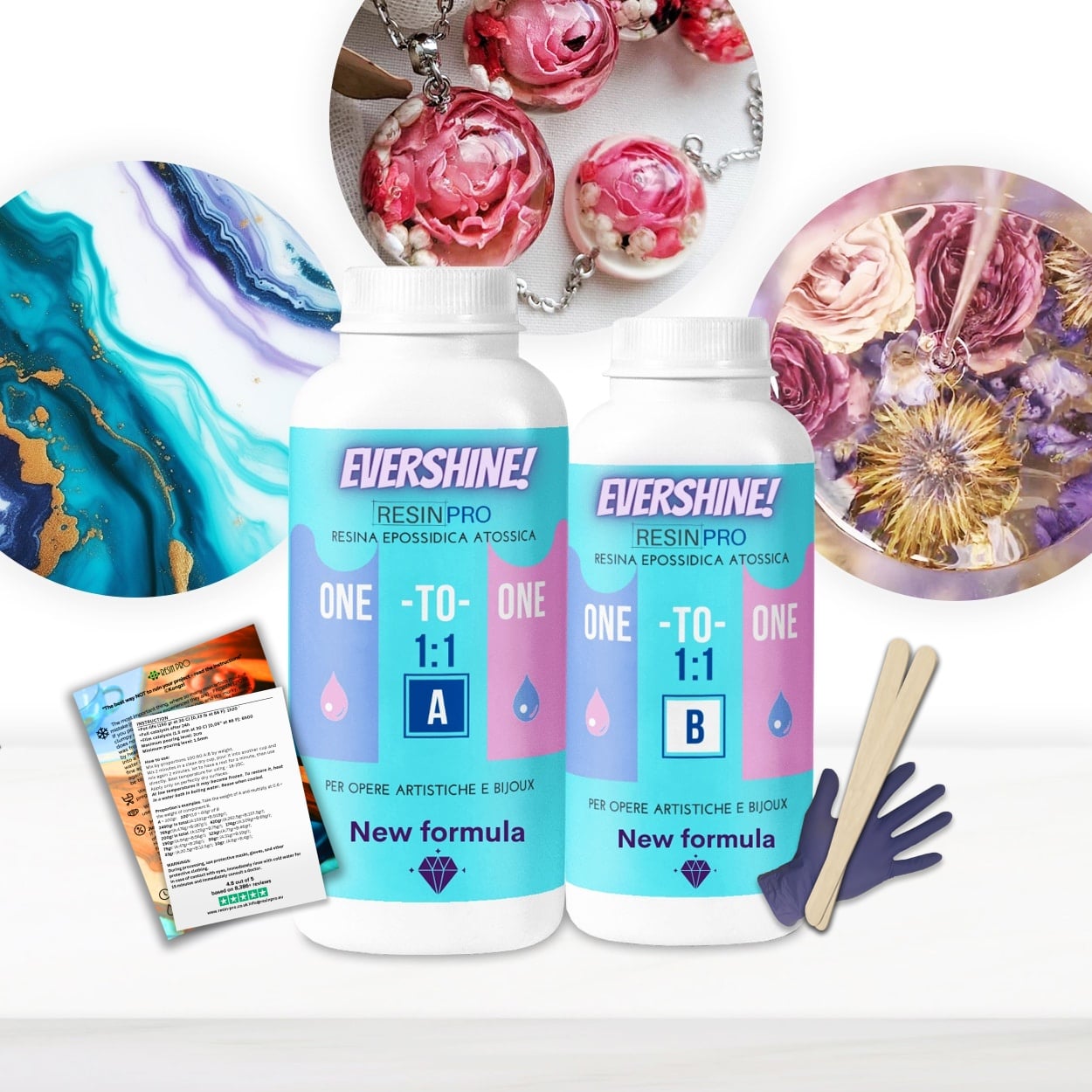 "One-2-One" – Epoxy Resin for Handcraft, 1:1 Mixing RatioPrice range: £14.85 through £56.85"One-2-One" epoxy resin offers a medium viscosity formula with an easy 1:1 mixing ratio, suited for jewellery and decorative crafts.
Frequently Asked Questions
What’s the best resin mixing ratio for pendants?
Most jewellery resins use a simple 1:1 ratio by volume, making them easy to prepare with accurate results.
How long does a resin pendant take to cure?
UV resin hardens in 2–3 minutes under a lamp. Epoxy resin usually needs 24 hours for a solid, clear finish.
Can I add flowers to a resin pendant?
Yes, dried flowers are a popular inclusion for resin jewellery—be sure they are fully dry to avoid cloudiness.
How do I prevent bubbles in resin pendants?
Mix resin slowly and use a heat gun or torch to pop surface bubbles before curing for a glass-like result.
Can I use UV and epoxy resin together?
While possible, it’s best to complete each pendant in one type for reliable cure and consistent appearance.
What are the best moulds for resin pendant making?
Silicone moulds and metal open bezels are best—they’re flexible, reusable, and create crisp shapes.
How can I prevent yellowing in resin pendants?
Choose resins formulated for jewellery with UV filters and store your pieces away from direct sunlight.