 Free shipping on orders over £29,85
  Shipping Tracking!


 Google
 Facebook
How do you make a resin permeable floor?
A detailed guide to resin-bound permeable flooring solutions


Creating a resin permeable floor is a practical and attractive way to ensure outdoor areas remain safe, sustainable, and visually appealing. Whether for driveways, patios, footpaths, or garden walkways, resin-bound systems allow water to pass through the surface, reducing puddling and runoff. With the right combination of specialist products and proven technique, you can achieve a durable, eco-friendly flooring solution suitable for UK conditions. This guide explains the process step by step, highlighting the essential products and tips for beautiful results.
Understanding Resin Permeable Flooring
Resin permeable floors are constructed using a blend of natural aggregates or pebbles combined with specialist resin binders. This system locks the stones together while leaving tiny gaps, so rainwater drains through the floor rather than pooling on top. It’s ideal for landscaping projects that seek both aesthetics and drainage—allowing you to design decorative surfaces which stay drier and cleaner year-round.
To get started, you’ll need top-quality materials designed especially for permeable applications. These ensure effective drainage, lasting adhesion, weather resistance, and a professional finish. Let’s introduce the essential products for the job:
Essential Products for Resin Permeable Floors
- Washed Pebbles for Permeable Floors 25kg – Outdoor Resin-Bound Surfaces – natural, pre-washed stone aggregates for the ideal blend of beauty and function.
- “Trasparente” – Epoxy Binder for Coloured Pebbles and Grits – a clear, UV-stable epoxy binder tailored for decorative and vibrant aggregate surfaces.
- “Polirock” – Polyurethane Binder for White Stones, 2kg Two-Component Kit – a durable, transparent polyurethane option especially effective with light-coloured aggregates and for anti-slip finishes.
- “Resinstone” – One-Component Methacrylic Resin for Concrete Floors and Driveways – protects concrete bases while maintaining breathability and moisture control.
- Resin & Paint Application Rollers – Short-Pile, Large, and Sponge Types – achieve precise, uniform resin finishes whether working on wide areas or intricate spaces.
- Protective Sheet Film for Resin Projects, 4x4m Surface Cover – safeguard surrounding surfaces to keep projects clean and hassle-free.
Product Comparison Overview
When choosing materials for a permeable resin floor, each product’s unique qualities should be considered:
- Washed Pebbles for Permeable Floors 25kg – Outdoor Resin-Bound Surfaces: Naturally sourced, these pebbles are pre-washed for immediate use. Their size and consistency help promote excellent drainage and surface stability. They can be combined with marble or granite granules for custom designs, and are well-suited to projects aiming for sustainable, eco-friendly landscaping.
- “Trasparente” – Epoxy Binder for Coloured Pebbles and Grits: This transparent, low-viscosity epoxy resin delivers a crystal-clear finish—perfect for driveways or paths using coloured aggregates. Its UV-resistance ensures non-yellowing longevity, especially on dark or warm stones, and it’s certified non-toxic after curing.
- “Polirock” – Polyurethane Binder for White Stones: Specifically designed not to yellow, even on white aggregates, Polirock gives a robust and anti-slip finish. It’s highly resistant to weather and UV, and compatible with a variety of stone sizes and finishes for bespoke looks.
- “Resinstone” – One-Component Methacrylic Resin: This is ideal for sealing and protecting concrete floors, driveways, and similar bases. It offers mechanical strength, chemical resistance, and a waterproof yet breathable result—helping control moisture without trapping it beneath the surface.
- Resin & Paint Application Rollers – Short-Pile, Large, and Sponge Types: Ensure your application is even and professional—short-pile rollers for detail work, large rollers for coverage, sponge for a flawless self-levelled appearance.
- Protective Sheet Film for Resin Projects, 4x4m Surface Cover: Keep work areas protected and tidy. This leak-proof film is lightweight, easy to place, and reusable for sustained site cleanliness during application.

Choosing the Right Resin Binder and Aggregate Combo
For a successful permeable floor, selecting the right stone and resin binder pairing is crucial. Washed Pebbles for Permeable Floors 25kg – Outdoor Resin-Bound Surfaces serve as an eco-friendly aggregate, offering superior drainage and flexibility. Match them with a purpose-designed binder such as “Trasparente” – Epoxy Binder for Coloured Pebbles and Grits (for coloured stones) or “Polirock” – Polyurethane Binder for White Stones, 2kg Two-Component Kit (for white/natural stones) to guarantee lasting, permeable outdoor flooring.
Step-by-Step Guide: Constructing a Resin Permeable Floor
1. Base Preparation
Ensure your sub-base is stable, free from debris, and graded for the correct drainage. For concrete sub-bases, treat with “Resinstone” – One-Component Methacrylic Resin for Concrete Floors and Driveways if extra mechanical resistance and moisture management is desired. For loose stones or gravel, ensure sufficient compaction.
2. Surface Protection
Use the Protective Sheet Film for Resin Projects, 4x4m Surface Cover to shield areas not intended for resin application. This will prevent unwanted spills and ensure the only surfaces bonded are those you want.
3. Mixing Aggregates & Resin Binder
In a clean mixing vessel, thoroughly combine your chosen aggregate—such as the Washed Pebbles for Permeable Floors 25kg – Outdoor Resin-Bound Surfaces—with the appropriate resin binder. For coloured aggregates, use “Trasparente” – Epoxy Binder for Coloured Pebbles and Grits to preserve brightness and offer strong, UV-stable adhesion. If working with white or pale natural aggregates, “Polirock” – Polyurethane Binder for White Stones, 2kg Two-Component Kit ensures a clear, non-yellowing result. Always follow the manufacturer’s instructions for ratios; for instance, typical use might be 400-800g of resin for every 20-25kg aggregate, depending on size.
4. Laying and Leveling
Spread the binder-aggregate mix over the prepped sub-base using appropriate tools. Achieve the desired thickness and smooth the layer with Resin & Paint Application Rollers – Short-Pile, Large, and Sponge Types. Short-pile rollers are perfect for precision at edges, while large rollers make quick work of wider areas. Sponge rollers excel in finishing for an even, self-levelled surface.
5. Curing and Final Checks
Allow the floor to cure as recommended. With “Resinstone”, surfaces will be ready within 12 hours, while epoxy and polyurethane systems may differ—always refer to the product instructions. Following full cure, the result is a robust, permeable resin floor designed to resist weather, provide safe traction, and complement any garden or driveway.
Design Tips and Customisation Options
You can tailor the look and drainage of your resin floor by blending different stone types or colours. Washed Pebbles for Permeable Floors 25kg work beautifully on their own or paired with marble and granite elements for creative effects. “Trasparente” binder is specifically intended to highlight vibrant or dark hues. For light, minimalist finishes, “Polirock” binder ensures white stones remain bright and clear over time. No matter your choice, ensure aggregates are dry and clean for best adhesion and consistent permeability.
Surface Preparation and Professional Tips
Clean, dry sub-bases are essential for best results. Apply “Resinstone” – One-Component Methacrylic Resin to consolidate the base if necessary, and safeguard your workspace with the Protective Sheet Film for Resin Projects, 4x4m Surface Cover. This step prevents contamination and makes clean-up effortless, helping every layer of your resin permeable floor achieve maximum longevity.

Why Choose Resin Bound for Permeable Surfaces?
Eco-friendly and Sustainable: Resin-bound flooring using natural aggregates is an environmentally conscious way to manage rainfall and prevent local flooding. Surfaces remain usable and attractive in all weathers.
Durability and Safety: Binders like “Trasparente” and “Polirock” offer high mechanical strength and anti-slip finishes. This makes them ideal for both footways and driveways where safety and longevity are paramount.
Low Maintenance: The seamless finish of a resin permeable floor means weeds struggle to take hold, and cleaning is straightforward. Occasionally sweeping and hosing down the floor will keep it in top condition for years to come.
- Washed Pebbles for Permeable Floors 25kg – Outdoor Resin-Bound Surfaces£26.85Washed Pebbles for Permeable Floors 25kg are suitable for outdoor resin-bound surfaces, designed to create permeable, drained patios and paths.
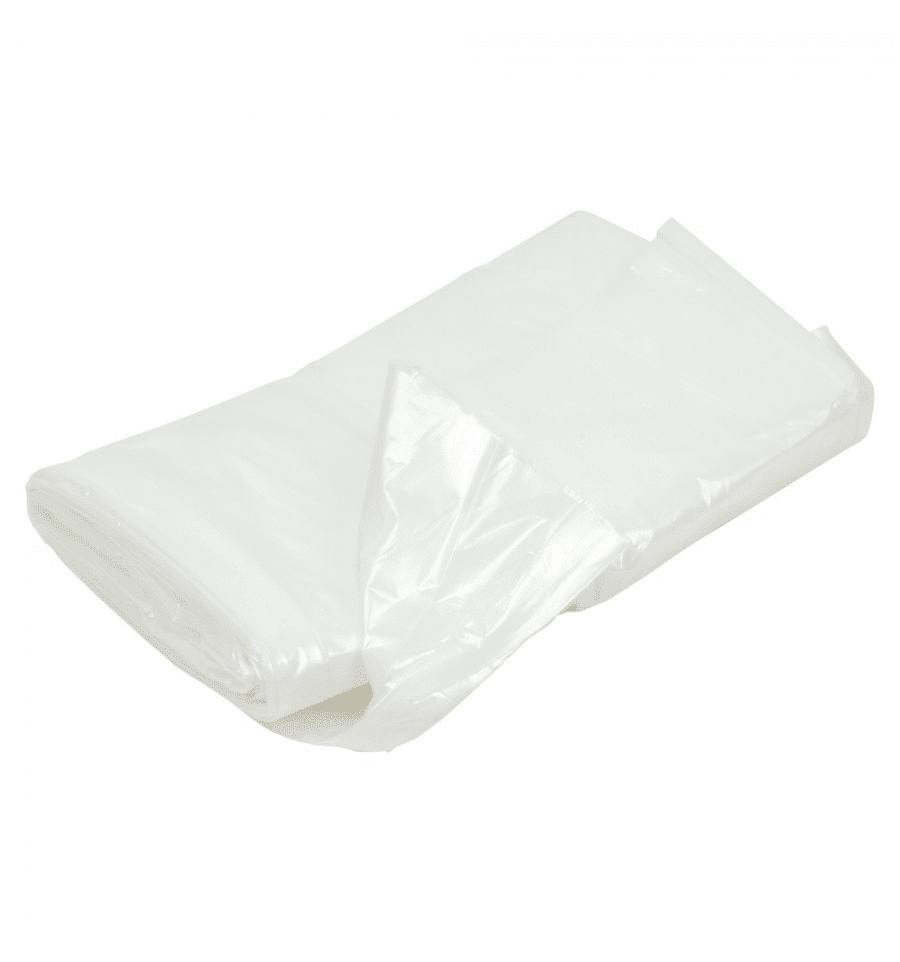 Protective Sheet Film for Resin Projects, 4x4m Surface Cover£2.85The Protective Sheet Film offers a lightweight, durable option for covering surfaces during resin and DIY projects under this theme.
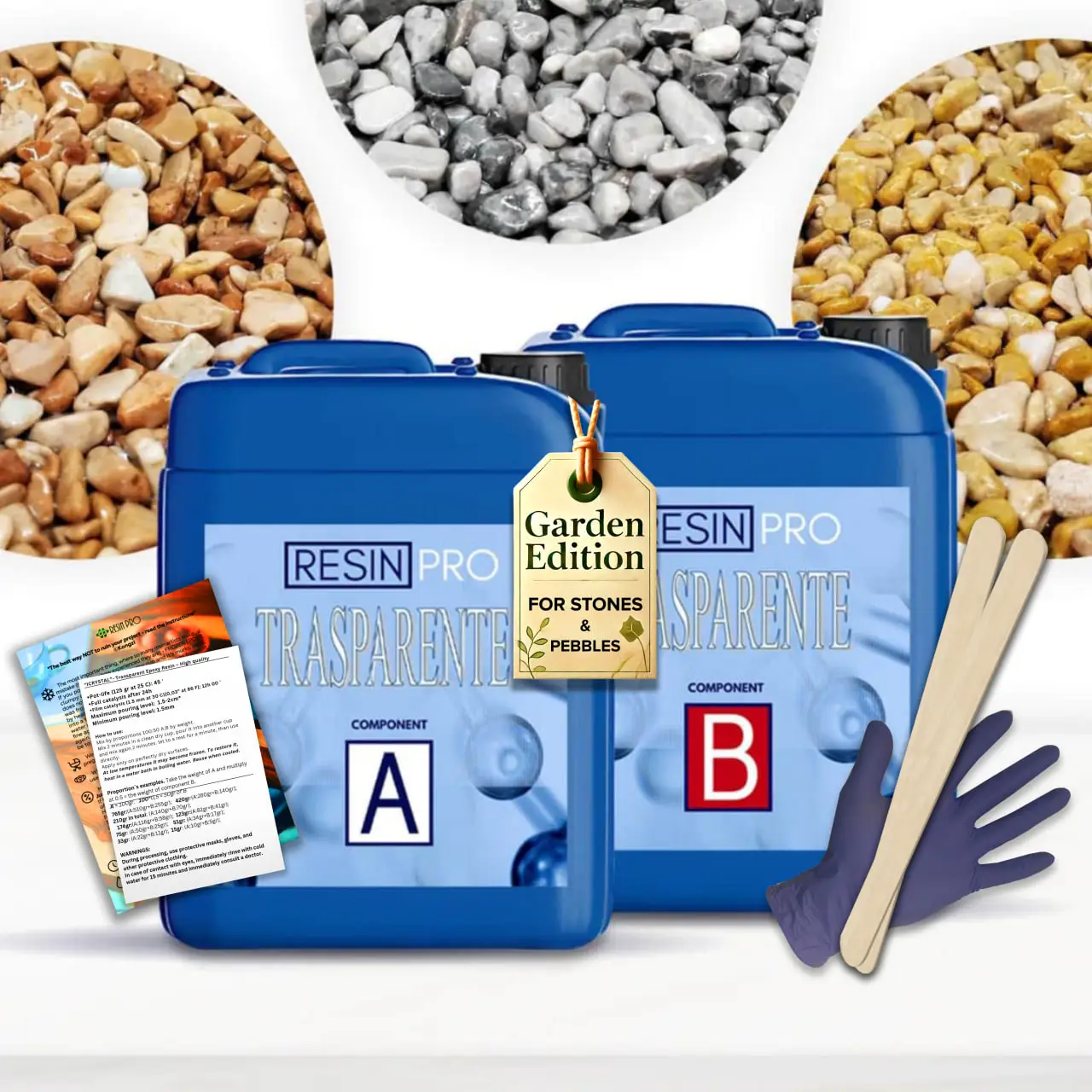 "Trasparente" – Epoxy Binder for Coloured Pebbles and GritsPrice range: £31.85 through £948.85"Trasparente" epoxy binder is designed for coloured pebbles and grits, suitable for permeable floors in line with the theme of making a resin…
 Resin & Paint Application Rollers – Short-Pile, Large, and Sponge TypesPrice range: £3.45 through £4.85These rollers support precise and uniform epoxy resin application, suitable for various resin surfaces in the theme of permeable floors.
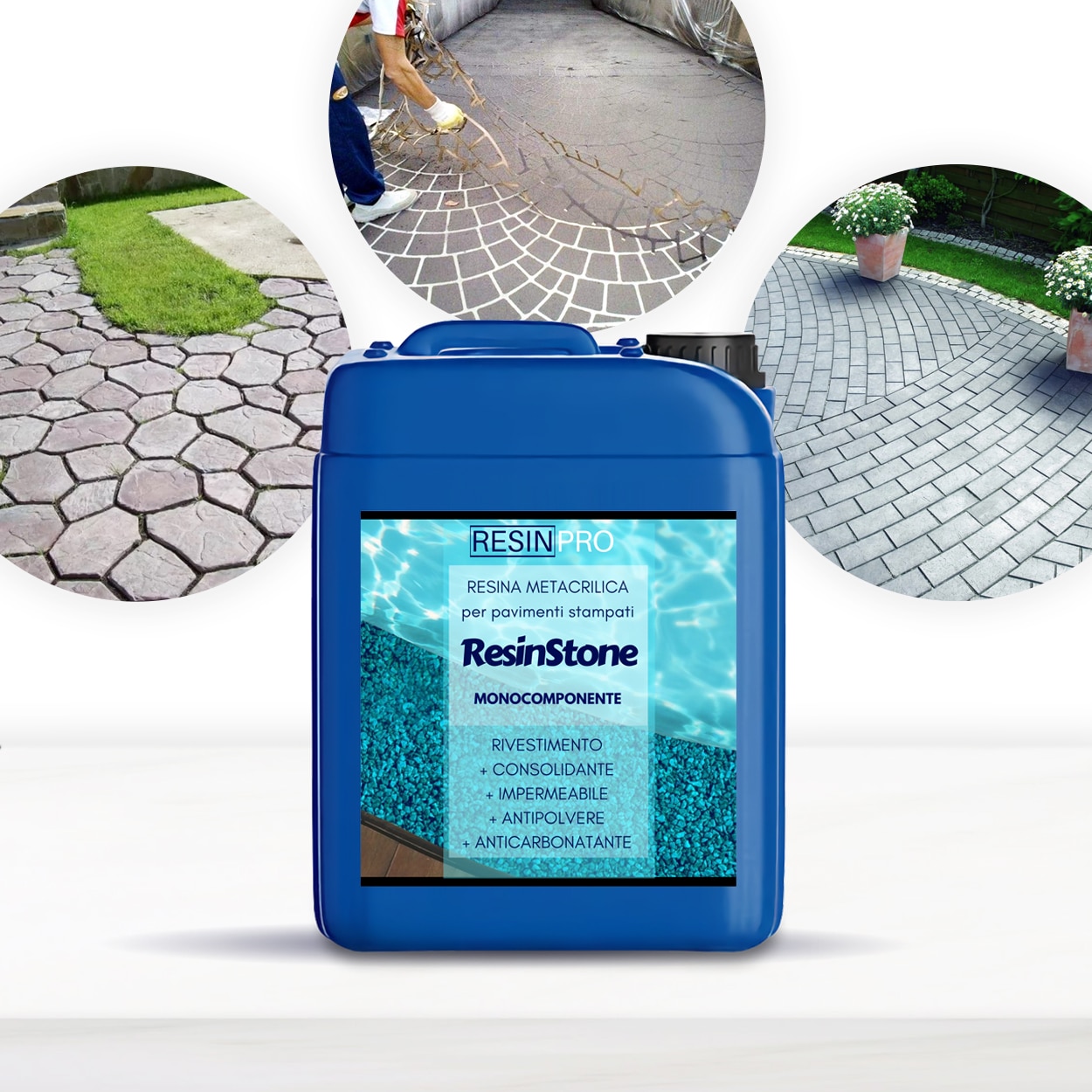 "Resinstone" – One-Component Methacrylic Resin for Concrete Floors and DrivewaysPrice range: £29.85 through £59.85"Resinstone" is a one-component methacrylic resin designed for sealing and protecting concrete floors where breathability is relevant.
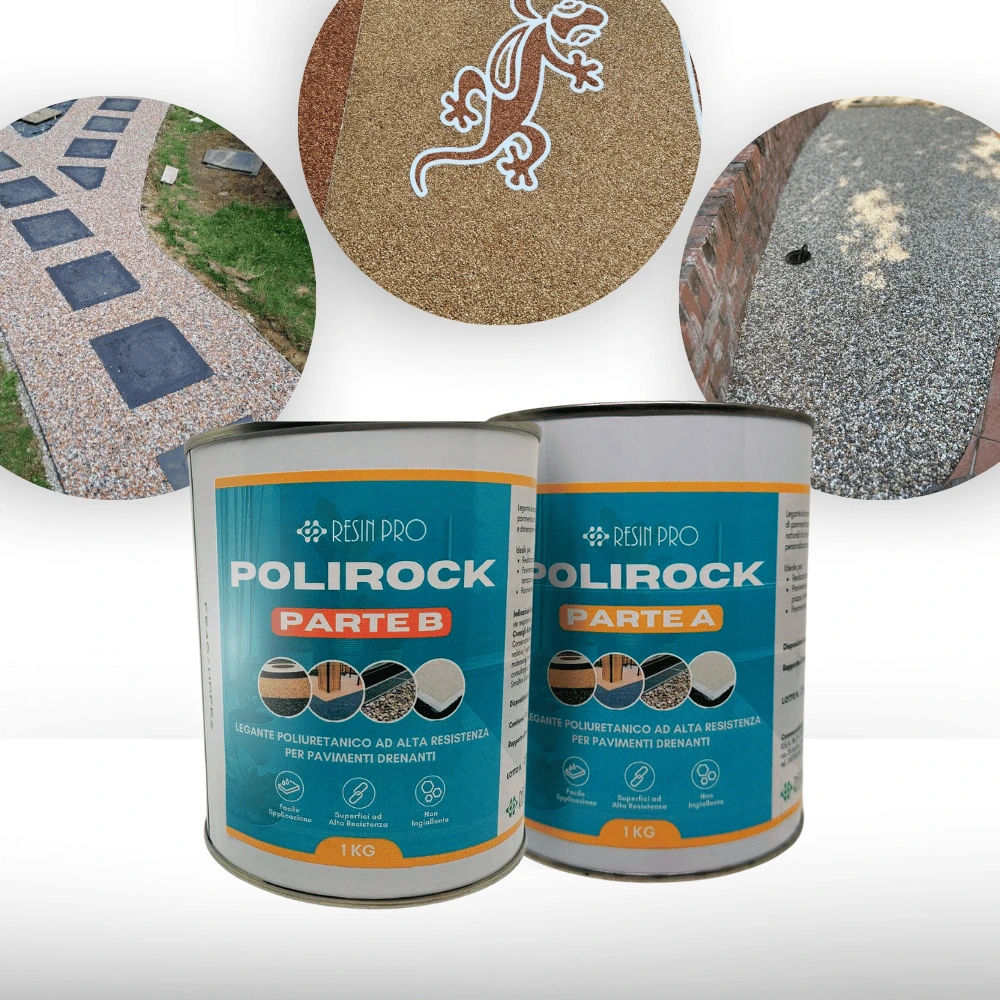 "Polirock" – Polyurethane Binder for White Stones, 2kg Two-Component Kit£58.85"Polirock" is a two-component polyurethane binder designed for creating decorative, permeable outdoor stone surfaces.
Frequently Asked Questions
Which type of resin should I use with outdoor pebbles for best permeability?
Pebbles such as Washed Pebbles for Permeable Floors 25kg – Outdoor Resin-Bound Surfaces should be used with resin binder systems specifically designed for permeability. “Trasparente” or “Polirock” binders ensure water can flow freely between stones, supporting a permeable finish.
What’s the right ratio of resin to aggregate?
General guidelines suggest using between 400g and 800g of resin, such as “Trasparente” – Epoxy Binder for Coloured Pebbles and Grits, for every 20-25kg of aggregate. Adjust by aggregate size and always follow the product’s recommendations.
Can these systems be used on concrete bases?
Yes. Protect and seal concrete bases first with “Resinstone” – One-Component Methacrylic Resin for Concrete Floors and Driveways to control moisture and provide better adhesion for your resin-bound surface.
How do I keep my workspace clean during application?
Before starting, lay down the Protective Sheet Film for Resin Projects, 4x4m Surface Cover around the area you’re working to prevent resin spillage and protect adjacent landscaping or paving.
What tool is best for applying resin binders evenly?
Use Resin & Paint Application Rollers – Short-Pile, Large, and Sponge Types for smooth, professional application. Short-pile rollers excel at detail, large rollers speed up broad coverage, while the sponge roller produces a flawless finish.
Does Polirock binder discolour when used with white stones?
No, “Polirock” – Polyurethane Binder for White Stones, 2kg Two-Component Kit is engineered to remain clear and resist yellowing, making it perfect for preserving bright white or natural tones outdoors.
Can methacrylic resin (Resinstone) serve as the main binder for loose gravel?
No, “Resinstone” – One-Component Methacrylic Resin is intended to seal and protect absorbent sub-bases such as stamped concrete, not to act as the main binder in loose gravel or aggregate mixes.