 Free shipping on orders over £29,85
  Shipping Tracking!


 Google
 Facebook
How to paint a shelf with resin?
Painiting a shelf with resin transforms an ordinary wooden surface into a beautiful, glossy focal point that is durable and easy to maintain. Whether you’re upcycling old furniture or adding a protective finish to a new build, this guide will walk you through every stage, from initial prep to the perfect resin pour.
Step-by-step guide for a flawless resin-coated shelf finish


What You’ll Need
- “Art Pro” – Clear Epoxy Resin for Artists and Surface Coating
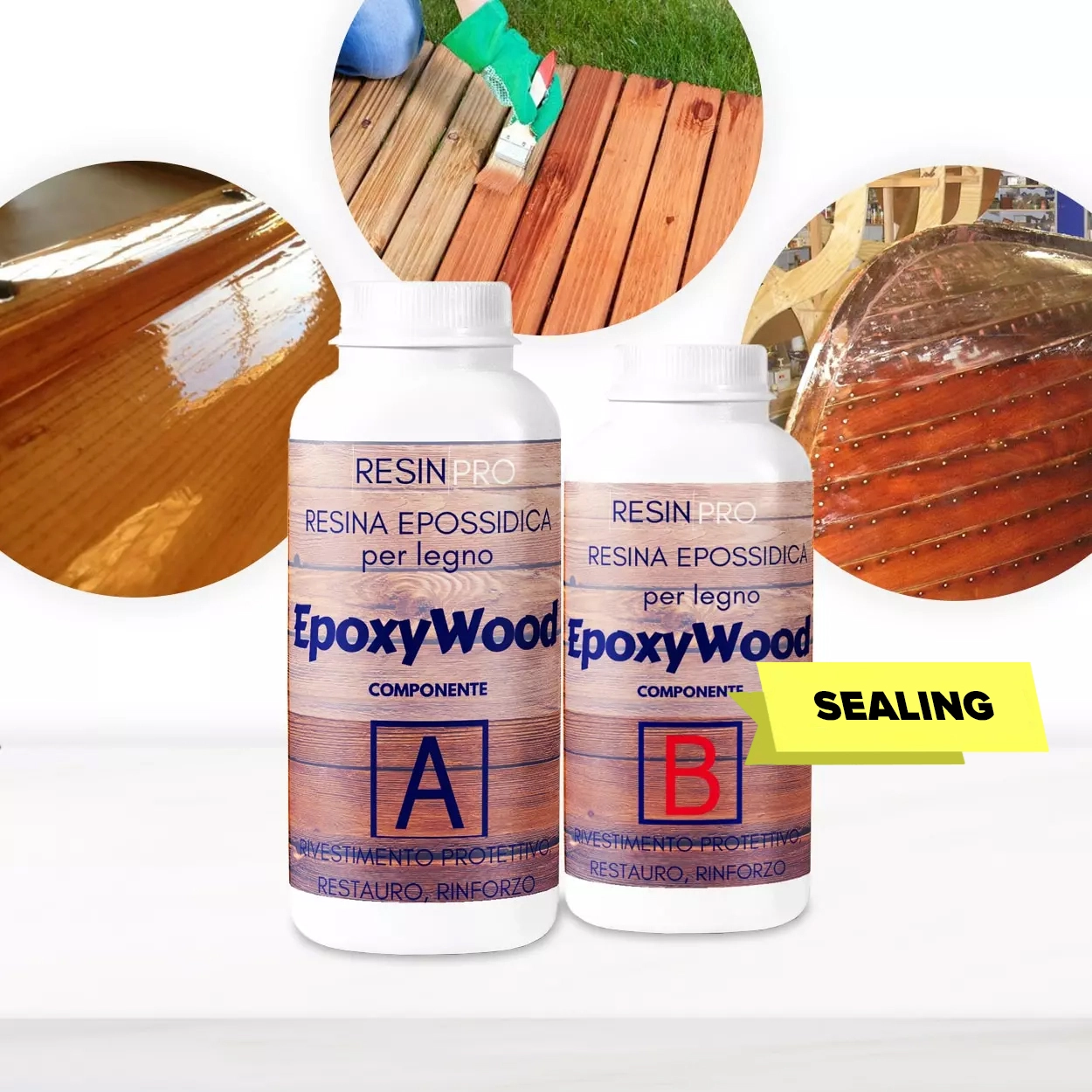
- “EpoxyWood” – Wood Restoration Epoxy Resin for Deep Penetration and Waterproofing
- “Trasparente” – Multipurpose Clear Epoxy Resin for Casting – Up to 2cm
- “EpoxyTable 5-Five” – Deep Pour Epoxy Resin for Tables and Large Projects – Up to 5cm
- Sanding paper (various grits, from 120 to 320)
- Clean cloth or tack cloth
- Mixing containers and sticks
- Nitrile gloves
- Protective sheet to catch any drips
- Spirit level (for surface levelling)

Essential Tools and Workspace Preparation
Gather your materials and set up a clean, level, and well-ventilated workspace before you start. A dust-free area prevents imperfections, and protective sheets make cleaning up resin drips much easier.

Step 1: Prepare the Surface
Proper preparation sets the foundation for a flawless resin finish. Begin by removing the shelf from any supports or brackets. Sand the surface gently but thoroughly, starting with a coarser grit and moving to finer grades to remove scratches and rough spots. Wipe down the shelf using a clean or tack cloth to eliminate dust and debris.
Ensure the shelf is dry and dust-free before coating, as any moisture or particles can create imperfections in the cured resin layer.
If your shelf is made of untreated or porous wood, you may want to seal it to prevent air bubbles. Applying a thin coat of “EpoxyWood” – Wood Restoration Epoxy Resin for Deep Penetration and Waterproofing is ideal for this purpose as it soaks in, strengthens the wood, and provides a smooth base for subsequent resin layers.
Step 2: Mix and Measure Your Resin
Carefully read the instructions for your chosen resin product, as mixing ratios differ. Use precise scales and mixing containers to combine the resin and hardener according to the recommendation. Stir slowly and thoroughly for several minutes, scraping the sides and bottom of the container to ensure no unmixed material is left behind.
Always measure resin and hardener accurately to avoid tacky spots or slow curing. Small batch mixing minimises waste and reduces the risk of overheating.
Step 3: Apply the Resin to the Shelf
With the shelf levelled on a protected work surface, pour your mixed resin over the shelf in a steady stream. Use a spreader or brush to help the resin flow evenly, covering the entire upper surface and sides. Self-levelling resins such as “Trasparente” – Multipurpose Clear Epoxy Resin for Casting – Up to 2cm make this step simple by providing a glass-like finish with minimal effort.
Work patiently, allowing the resin to settle. Remove air bubbles by passing a heat gun or torch briefly over the surface, taking care not to scorch the resin or wood. For deeper or thicker shelf coatings, consider “EpoxyTable 5-Five” – Deep Pour Epoxy Resin for Tables and Large Projects – Up to 5cm to avoid exothermic issues in single pours.

Step 4: Allow the Resin to Cure
After applying the resin, let the shelf rest undisturbed in a dust-free, well-ventilated area. Follow your product’s guidance for curing times, which can range from 12 hours to several days depending on thickness and ambient temperature.
Allow sufficient curing time for maximum hardness. Avoid moving or touching the shelf until fully cured, as premature contact can mar the finish.
Step 5: Finishing Touches
Once the resin has fully cured, inspect your shelf for any imperfections. If needed, lightly sand the surface with fine grit and apply an additional thin coat for an ultra-smooth, glossy effect. Clean up any drips underneath with a chisel or scraper.
Reattach brackets or fittings only after the resin has hardened completely. Your shelf is now ready to use and display – functional, beautiful, and protected for years to come.
Tips and Common Mistakes to Avoid
- Work in a ventilated, dust-free environment to prevent airborne particles from landing on wet resin.
- Don’t rush the curing process; humidity and temperature impact the outcome.
- Be cautious not to exceed maximum recommended thickness per pour for your chosen resin.
- If embedding objects or pigments, test on a small offcut first to ensure compatibility.
- Always wear gloves and protect your working area for safety and easy clean-up.
Visual Inspiration for Resin-Coated Shelves
See how a clear or tinted resin coating enhances shelf grain and adds a glossy finish. Browse examples to inspire your own project and explore creative ways to make your shelf a standout piece.

- "Art Pro" – Clear Epoxy Resin for Artists and Surface CoatingPrice range: £31.15 through £388.85Art Pro clear epoxy resin offers durable, high-gloss finishes suitable for artistic and decorative surfaces.
- "EpoxyWood" – Wood Restoration Epoxy Resin for Deep Penetration and WaterproofingOriginal price was: £64.00.£39.85Current price is: £39.85."EpoxyWood" is formulated for wood restoration and sealing with a natural finish, suitable for effective waterproofing and reinforcement.
 "Trasparente" – Multipurpose Clear Epoxy Resin for Casting – Up to 2cmPrice range: £8.45 through £948.85"Trasparente" offers an ultra-clear, self-levelling finish suitable for detailed castings up to 2cm, fitting the theme of painting a shelf with resin.
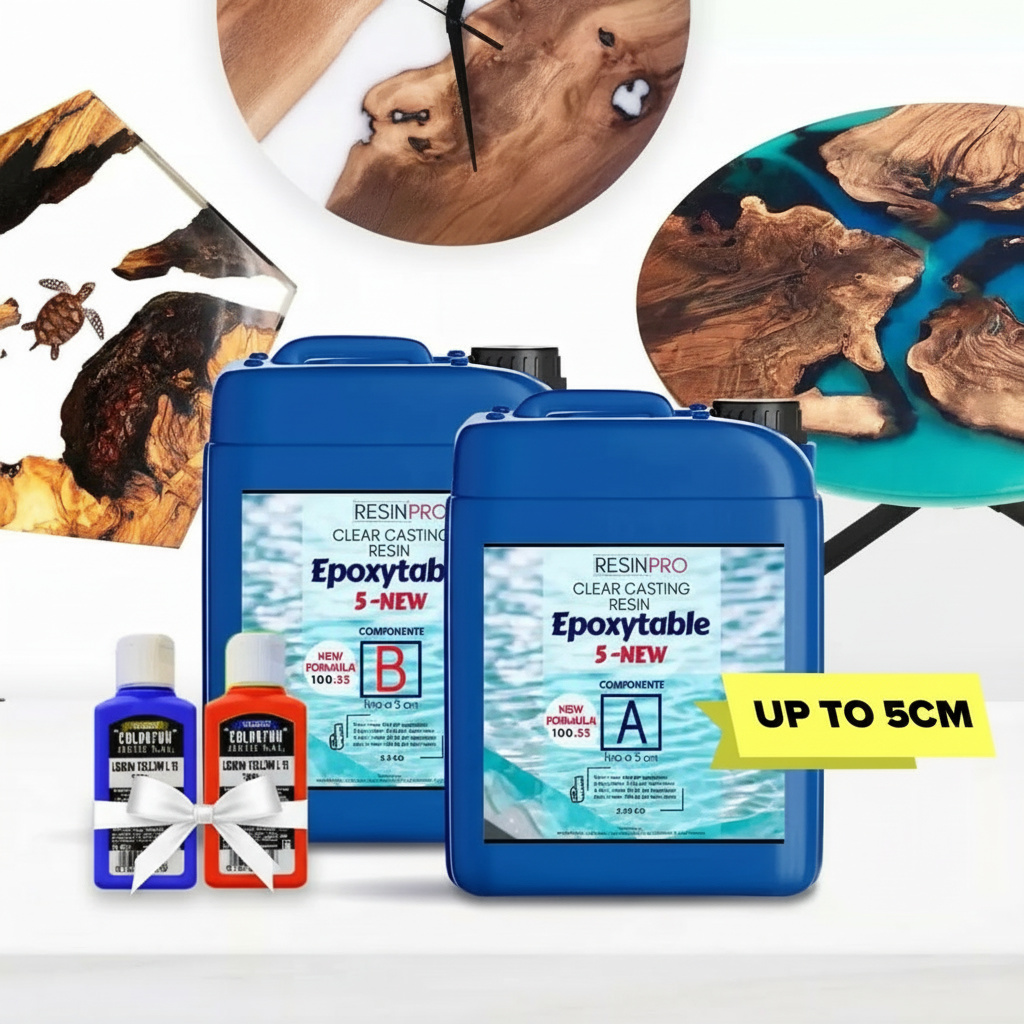 "EpoxyTable 5-Five" – Deep Pour Epoxy Resin for Tables and Large Projects – Up to 5cmPrice range: £16.85 through £1,099.85Deep pour epoxy resin designed for tables and large projects, suitable for layers up to 5cm with scratch resistance and UV protection.
Frequently Asked Questions
Why does my resin surface have dimples or fish-eyes?
Surface contamination or silicone residues can cause resin to retract and form dimples. Always ensure the shelf is completely clean and free from oils or dust.
How do I avoid bubbles during resin application on a shelf?
Seal porous wood first and run a heat gun briefly over the wet resin. Mix slowly to avoid trapping air.
Which resin is best for painting a shelf?
Choose a clear, self-levelling epoxy resin designed for thin coatings or select a deep-pour resin for thicker layers.
How long should I leave the shelf undisturbed for curing?
Most resins cure within 12–24 hours for touch, but full hardness may take several days depending on thickness and temperature.
Is a resin-coated shelf durable for daily use?
Yes, epoxy resin forms a hard, scratch-resistant finish well-suited to shelves used for display or everyday storage.
How can I remove resin drips from the underside of my shelf?
Once the resin has cured to a soft gel stage, trim away drips with a plastic scraper or sharp blade for a neat finish.