 Free shipping on orders over £29,85
  Shipping Tracking!


 Google
 Facebook
How do you make resin to use with wood?
Step-by-step resin and wood techniques for flawless results
Giving timber projects a stunning resin finish, fixing damaged furniture, or creating your own river table all begin with a deep understanding of how resin and wood interact. This guide outlines the process of making resin suitable for use with wood – from protecting the timber grain to pouring and finishing your masterpiece. Whether you’re restoring external wood, making art pieces, or crafting custom tables, these techniques deliver results that stand the test of time.
What You’ll Need
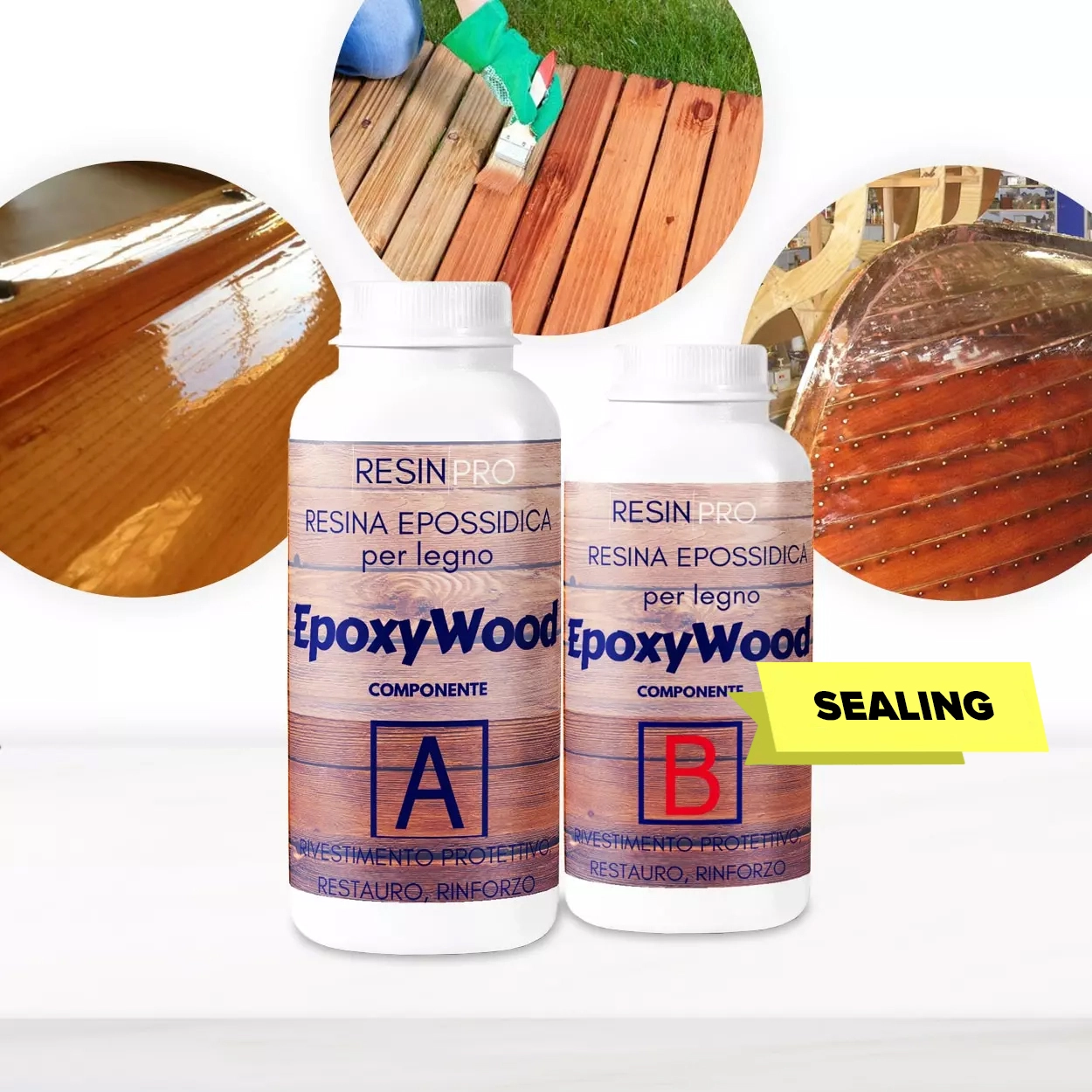
- “EpoxyWood” – Wood Restoration Epoxy Resin for Deep Penetration and Waterproofing: For reinforcing and sealing damaged or porous wood.
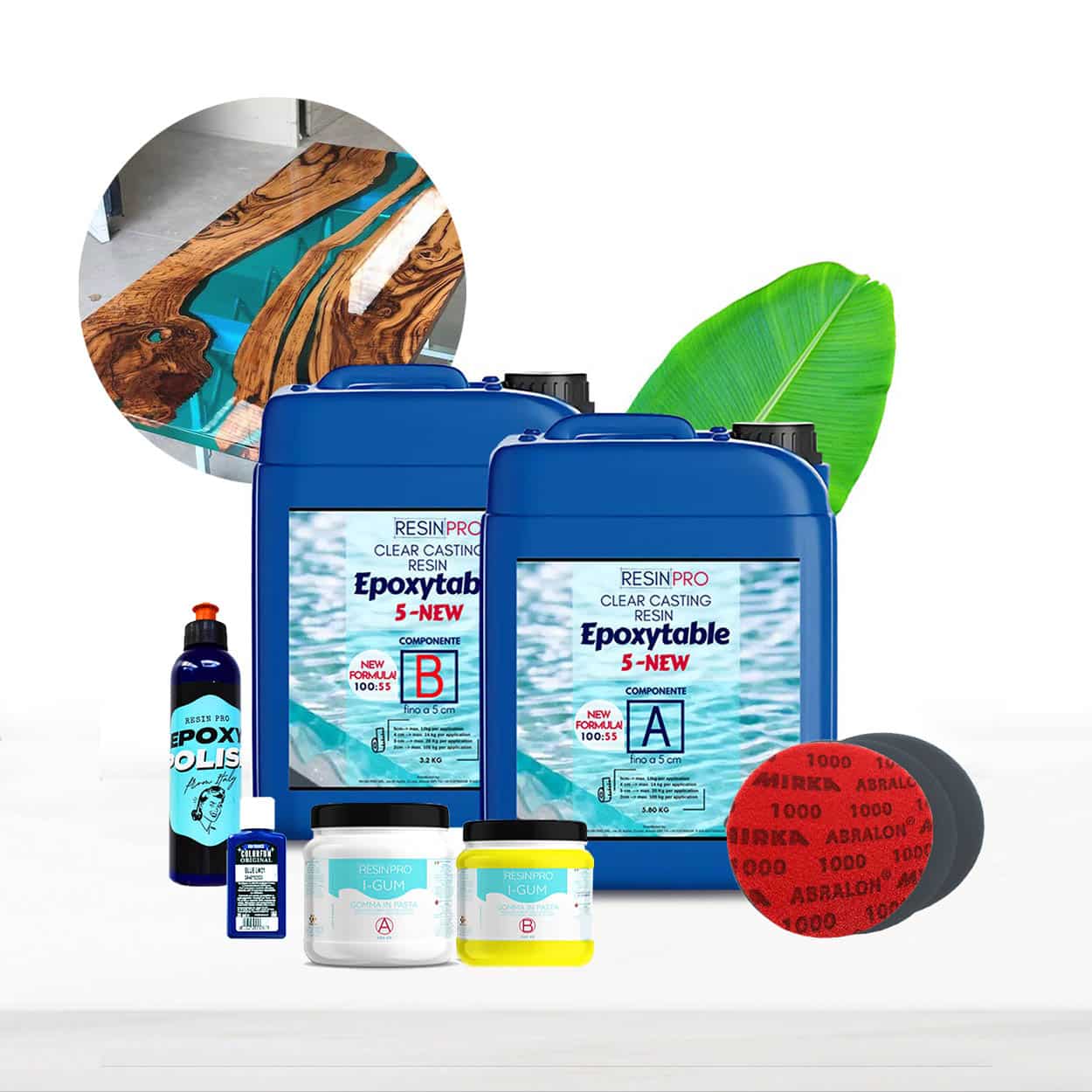
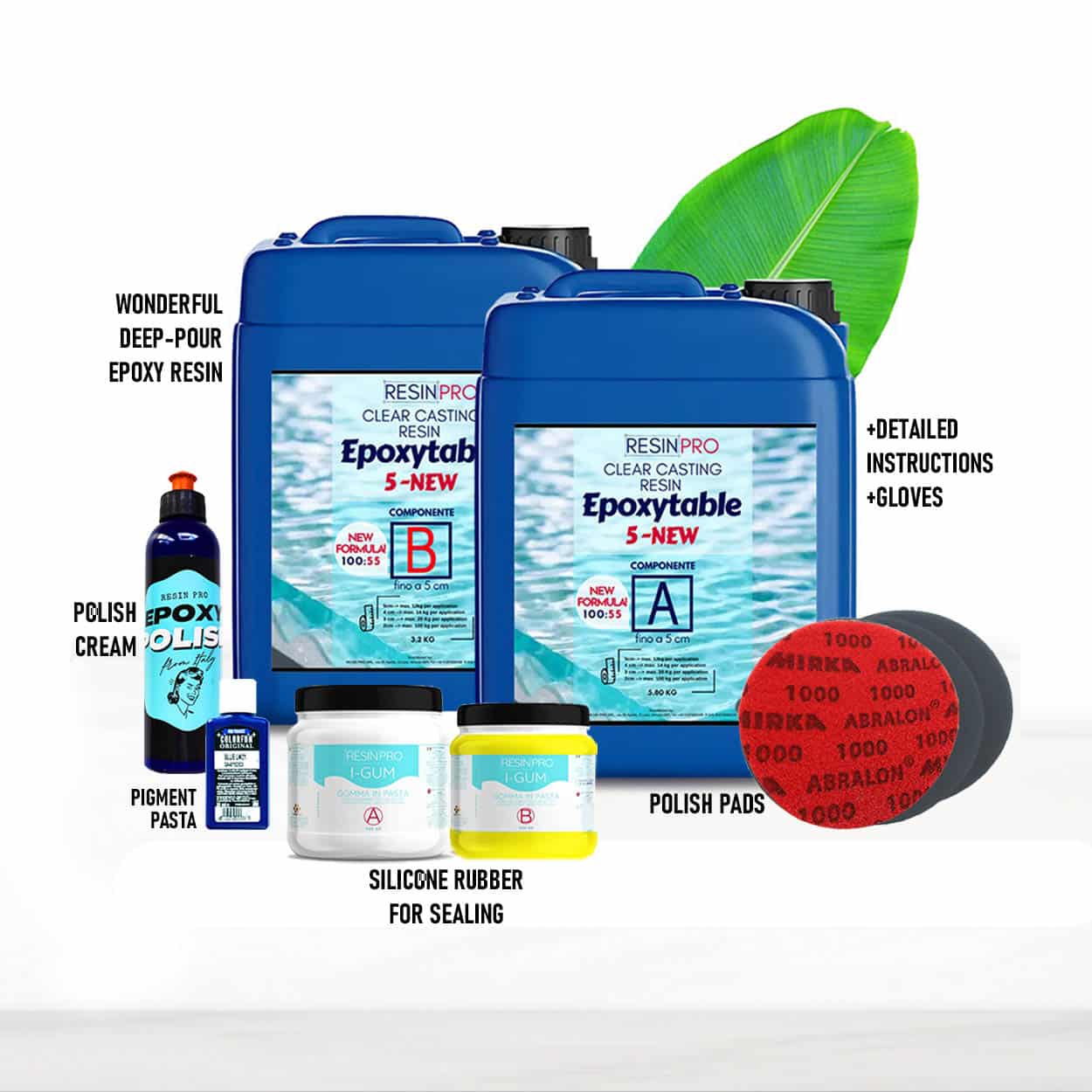
- “River-Table” – Complete Kit for Creating Your First Epoxy Resin Table: All-in-one starter kit with resin, hardener, sealant, pigments, and finishing accessories.
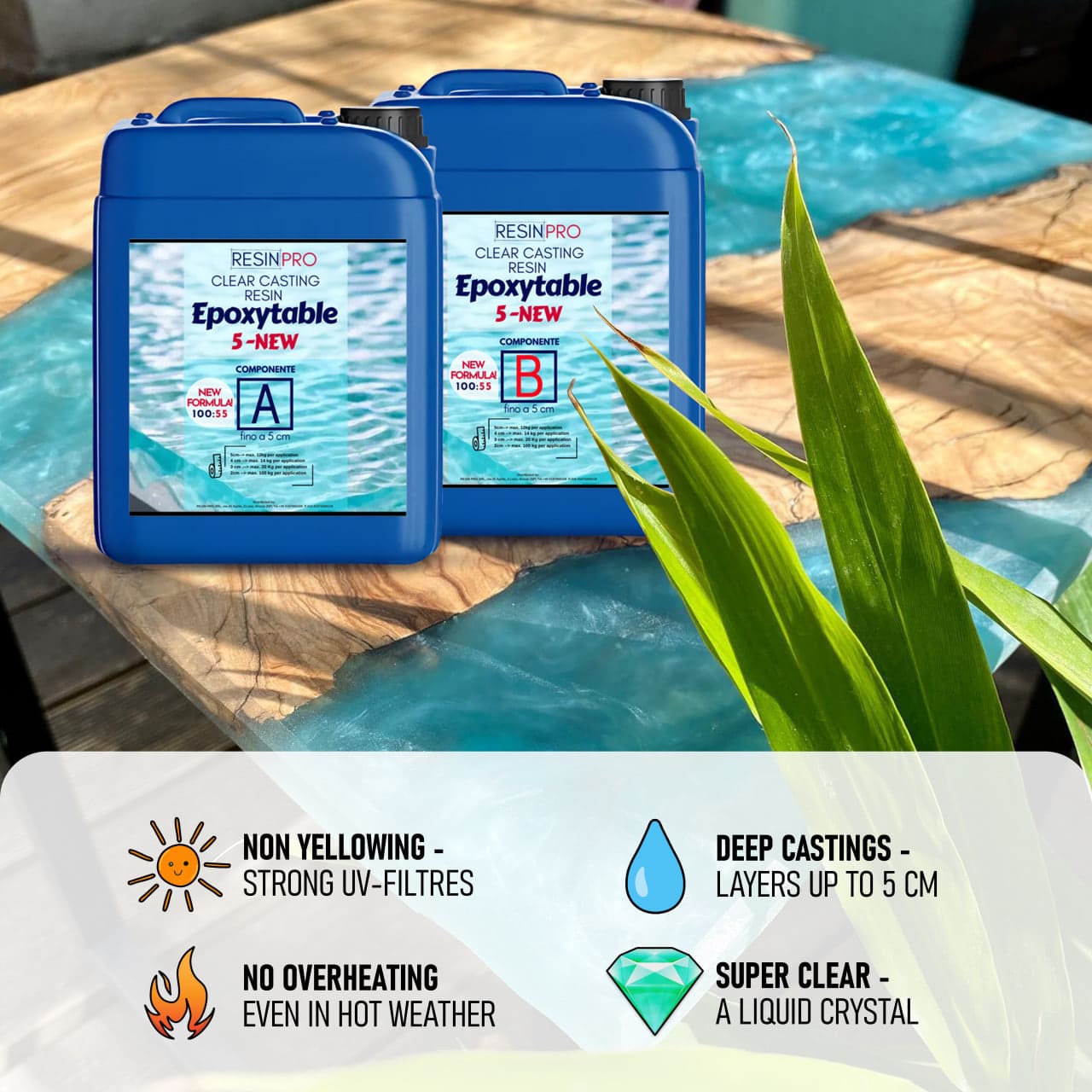
- “EpoxyTable 5-Five” – Deep Pour Epoxy Resin for Tables and Large Projects – Up to 5cm: For medium-thick table pours and artistic castings.
- “Epoxytable 10-Ten” – Deep Pour Epoxy Resin for Tables, Up to 10cm Casting: For exceptionally deep pours and extra-large river tables.
- Protective gloves, dust mask, and safety glasses.
- Sanding tools (various grits), mixing containers, stirring sticks, and spirit level.
- Clean, dry workspace free from dust and moisture.
See Every Step in Action
From surface preparation to deep casting with epoxy, project photos and video snippets show the transformative process of combining resin and wood—so you can visualise what to expect at every stage.

Step 1: Prepare and Seal the Wood Surface
Proper surface preparation is the foundation for a successful resin-wood bond. Begin by sanding your timber thoroughly to remove any old finishes or contaminants, starting with a rougher grit and progressing to a finer one. Wipe with a tack cloth to eliminate dust. Ensure the wood is completely dry—moisture trapped inside could lead to bubbles, cloudiness, or incomplete curing.
For restoration, repair, or achieving a waterproof seal, use “EpoxyWood” – Wood Restoration Epoxy Resin for Deep Penetration and Waterproofing. This ultra-low viscosity epoxy soaks deep into the grain, strengthening the wood and creating a resilient moisture barrier crucial for furniture, marine, or outdoor applications.
Step 2: Mix the Resin Components Carefully
Accurate resin mixing is vital. Always follow the proportions provided in your resin’s instructions—usually resin to hardener by weight or volume. Use clean containers and stir gently but thoroughly, scraping the sides and bottom to avoid unmixed pockets that might remain sticky or fail to cure. Mix slowly to minimise air bubble formation.
If your project involves a coloured effect, now is the time to blend in pigment or tint, especially when using a kit such as the “River-Table” – Complete Kit for Creating Your First Epoxy Resin Table where high-quality colourants are included for unique designs.
Step 3: Pour Resin onto the Wood
Assess the depth of your pour before choosing your resin. For thin coatings and wood sealing, a sealing resin like EpoxyWood is suitable. For thick castings on tables or river effects, select a deep pour product that matches your project’s thickness. Pour steadily and evenly, allowing gravity to naturally level the resin.
For projects up to 5cm thick, “EpoxyTable 5-Five” – Deep Pour Epoxy Resin for Tables and Large Projects – Up to 5cm is optimised for bubble-free, crystal-clear pours. For even thicker tables or sculptures, “Epoxytable 10-Ten” – Deep Pour Epoxy Resin for Tables, Up to 10cm Casting provides safe and stable curing without risking over-heating.
Be patient: thick pours often require extended curing times. Always check the recommended temperature range and curing schedule for your chosen resin.

Step 4: Cure, Finish, and Polish
Let the resin cure in a dust-free, undisturbed area. Avoid temperature swings, as these can induce surface ripples or impact the final clarity. When the resin is fully set (which can take from 24 hours for thin coats to several days for deep pours), assess the surface for imperfections or high points.
Sand the resin gently with progressively finer grits to create a smooth finish. For a professional sheen, polish by hand or machine using appropriate polishing creams and pads—many starter kits include these tools for a mirror-like outcome. Remove polishing residue with a soft, dry cloth and inspect for clarity before placing your project into use.
Tips and Common Mistakes to Avoid
- Seal wood surfaces thoroughly before applying resin to prevent air bubbles and adhesion issues.
- Use deep pour resin for thick castings above 5cm—regular resin may overheat or crack in large volumes.
- Work in a clean, stable-temperature area to avoid dust settling into uncured resin or temperature-related issues.
- Allow each resin layer to cure fully before sanding or recoating to ensure lasting results.
- Choose pigment or tint if you desire a coloured finish, mixing it evenly for consistent appearance.
- Wear gloves and a mask to limit skin or respiratory exposure.
Real-World Examples and Results
Explore stunning completed river tables, restored wood features, and custom art pieces finished with ResinPro epoxy. Gain confidence with inspiration from real makers and their before-and-after transformations.
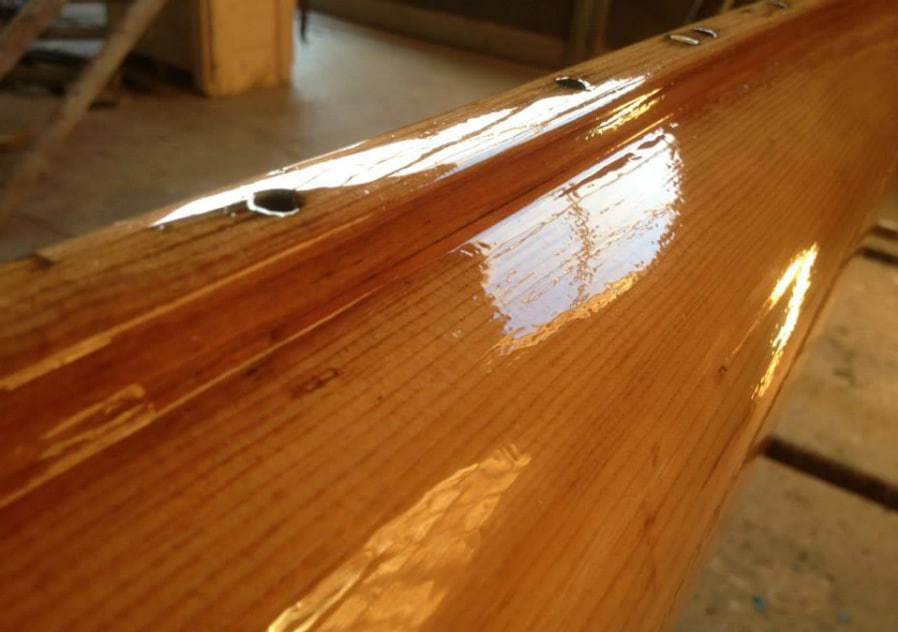
- "EpoxyWood" – Wood Restoration Epoxy Resin for Deep Penetration and WaterproofingOriginal price was: £64.00.£39.85Current price is: £39.85."EpoxyWood" is a wood restoration epoxy resin designed to penetrate deeply and waterproof wood surfaces with a natural finish.
- "River-Table" – Complete Kit for Creating Your First Epoxy Resin TablePrice range: £188.85 through £444.85"River-Table" Complete Kit provides materials and detailed instructions to create a wood and resin table for a beginner or hobbyist.
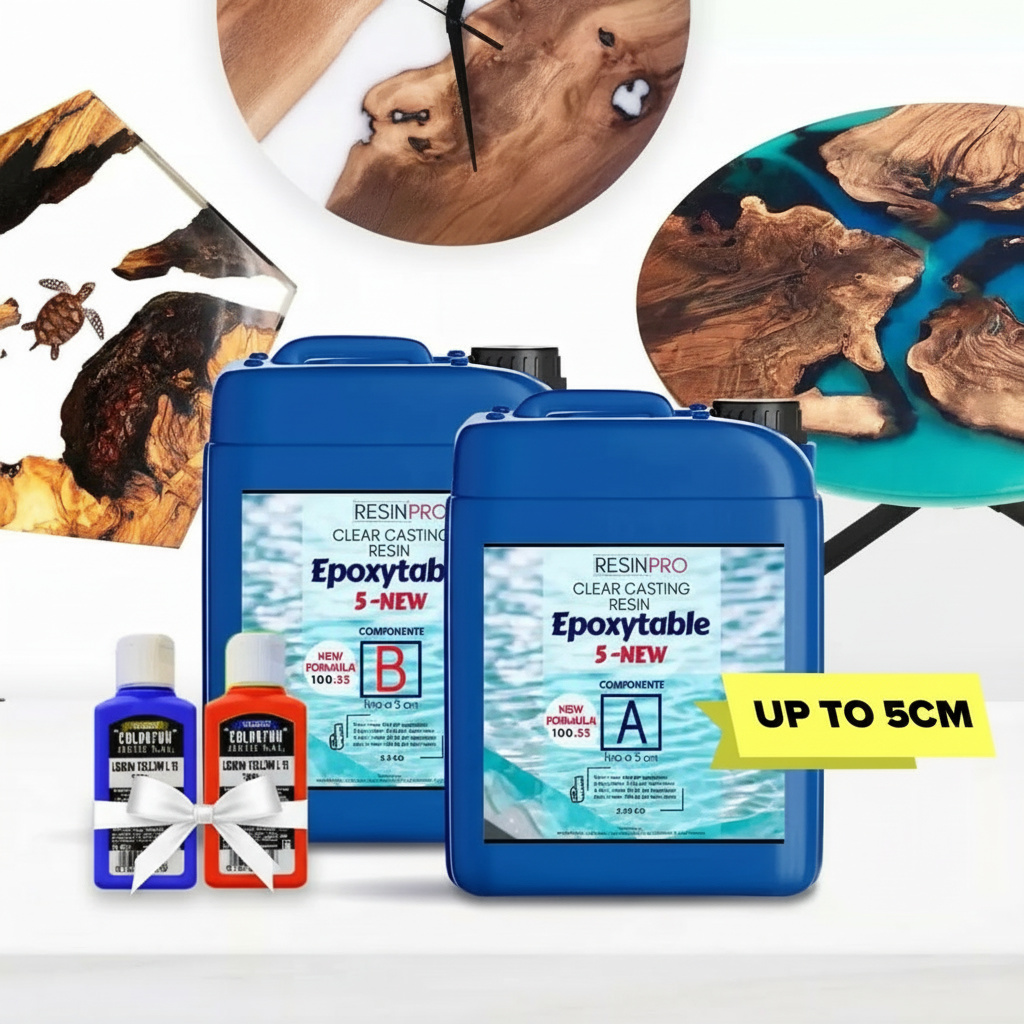 "EpoxyTable 5-Five" – Deep Pour Epoxy Resin for Tables and Large Projects – Up to 5cmPrice range: £16.85 through £1,099.85EpoxyTable 5-Five is designed for deep pours up to 5cm, commonly used with wood for tables and large artistic projects.
 “Epoxytable 10-Ten” – Deep Pour Epoxy Resin for Tables, Up to 10cm CastingPrice range: £33.85 through £334.85Epoxy resin designed for creating tables and deep pours up to 10cm with low viscosity and strong UV resistance.
Frequently Asked Questions
Which resin is best for sealing and highlighting the wood grain?
Low-viscosity resins such as EpoxyWood deeply penetrate and reinforce the wood grain, enhancing its natural beauty and providing a waterproof finish.
What should I use for deep pour or river table projects?
For pours up to 5cm, use EpoxyTable 5-Five. For depths up to 10cm, Epoxytable 10-Ten is recommended for safe, clear, and stable casting.
How do I prevent bubbles when pouring resin on wood?
Seal the wood surface first and pour resin slowly. If bubbles appear, use a heat gun to release them before full curing.
What is the safest way to prepare wood for resin?
Sand thoroughly, ensure complete dryness, and wear appropriate safety gear to avoid irritation or respiratory issues.
Can I use resin to restore and protect outdoor wood?
Yes, sealing wood with a waterproof resin like EpoxyWood provides protection against the elements and moisture.
Do I need specialised resin for table or art pours?
Yes, deep pour resins are formulated for clarity and slow curing. Standard resins may not perform well for thick castings.