 Free shipping on orders over £29,85
  Shipping Tracking!


 Google
 Facebook
How do you paint furniture with resin?
Step-by-step guide to get a flawless, resin-coated finish


Painting furniture with resin transforms tired pieces into modern masterpieces with a hard, glossy, and protective finish. Whether refinishing a tabletop or adding custom art to a cabinet, applying resin creates a durable look that lasts for years. This guide walks you through every stage—no specialist woodworking skills needed—so you can confidently achieve beautiful results at home.
What You’ll Need
- Protective gloves, goggles, and apron
- Sanding tools (abrasive paper, sanding block, or electric sander)
- Lint-free cloth and mild cleaning solution
- Mixing cups and stirrers
- Measuring scales
- Painters’ tape to mask off sections
- Levelling props or workbench
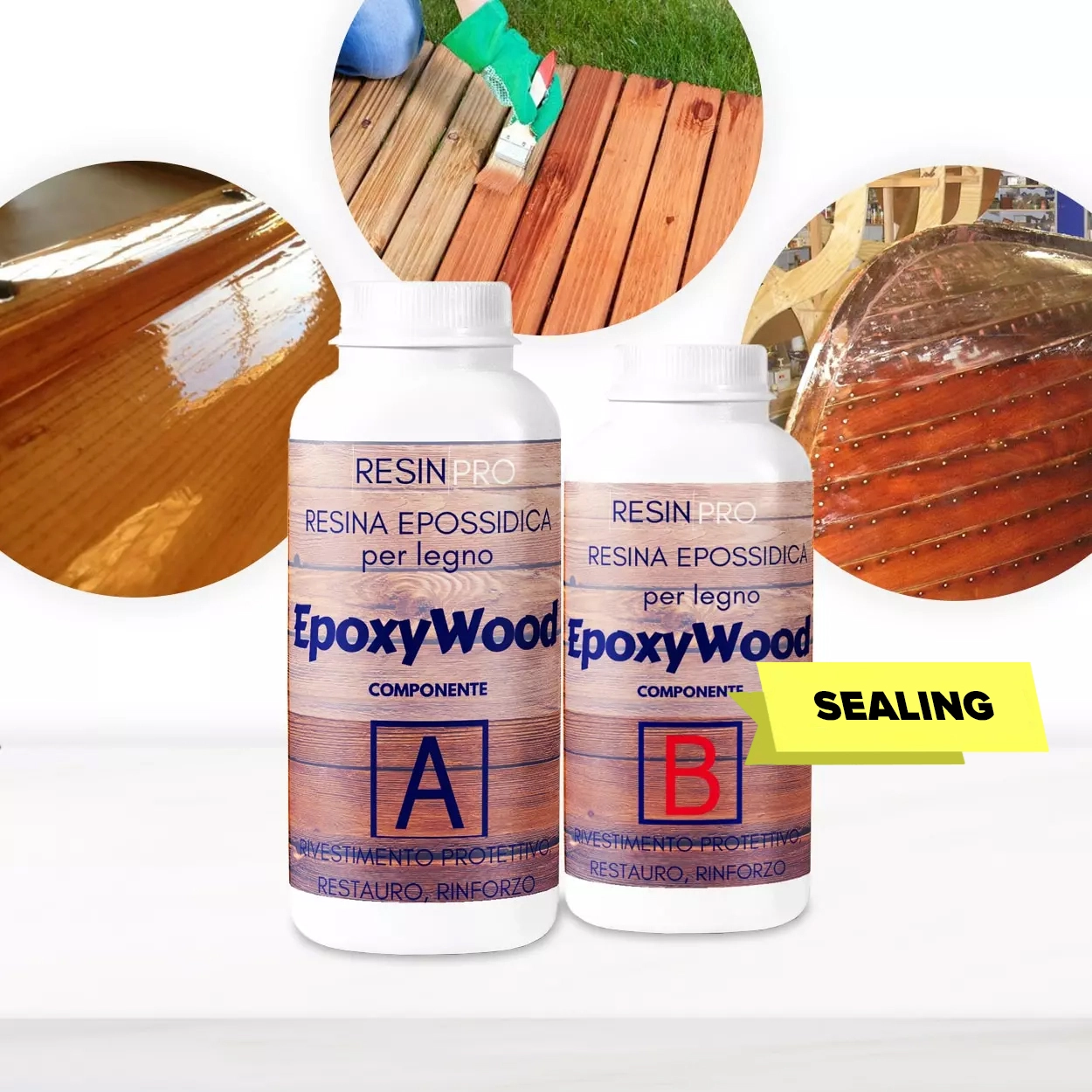
- “EpoxyWood” – Wood Restoration Epoxy Resin for Deep Penetration and Waterproofing (for deep restoration and priming porous wood)
- “Art Pro” – Clear Epoxy Resin for Artists and Surface Coating (for glass-like clear topcoats)
- “Art Pro Deluxe” – Ultra-High Viscosity Epoxy Resin for Artists (for vertical surfaces and artistic finishes)
- (Optional for large, deep features) “EpoxyTable 5-Five” – Deep Pour Epoxy Resin for Tables and Large Projects – Up to 5cm
Visual Inspiration: Resin-Coated Furniture Transformations
Explore a gallery of beautifully restored and resin-painted furniture projects. See how worn tables and chairs are revitalised with premium coatings and creative finishes, inspiring your own unique pieces.
Step 1: Prepare and Clean the Furniture Surface
Begin by thoroughly cleaning your furniture, removing any old finishes, oils, or contaminants that could affect adhesion. Sand the entire surface evenly using a suitable abrasive, working from coarse to fine grits for a smooth, matte base. Wipe down with a lint-free cloth dampened with a mild cleaner to banish dust and residue, then allow it to fully dry. Always ensure surfaces are thoroughly dry and clean before progressing—moisture or dust can cause resin failures.

Step 2: Repair or Prime with Resin Sealer
Inspect for cracks, chips, or porous areas. For damaged, worn, or absorbent wooden parts, pre-treat using “EpoxyWood” – Wood Restoration Epoxy Resin for Deep Penetration and Waterproofing. Brush the resin onto exposed wood, ensuring deep penetration into fibres. This not only seals and waterproofs but also strengthens the structure for further work. Wait as recommended for curing before light sanding to smooth any raised grain.
Step 3: Mix and Apply the Resin Coating
Select your preferred finishing resin. For most surfaces, “Art Pro” – Clear Epoxy Resin for Artists and Surface Coating delivers a glossy, scratch-resistant look. If you plan artistic designs or need to coat vertical or contoured surfaces, choose “Art Pro Deluxe” – Ultra-High Viscosity Epoxy Resin for Artists, as its high viscosity prevents drips and colour run-off. Proper mixing is crucial for a strong, clear finish: blend resin and hardener strictly according to pack ratios, stirring for several minutes and scraping the sides. Apply with a brush, roller, or pour for flat surfaces. Work in a well-ventilated, dust-free environment to avoid imperfections.
Step 4: Level, Cure, and Finish
Once poured or brushed on, gently tilt or smooth to achieve an even coat—resin should self-level but may need guiding on edges or corners. Use a heat gun or torch sparingly to remove surface bubbles if desired, following product safety guidelines. Resin curing times vary; protect your piece from dust and movement throughout the process. Apply resin slowly and evenly to prevent streaks and bubbles. When fully cured, you may sand gently and add a second layer if greater depth or protection is required. Allow full curing before using your furniture for the toughest, clearest result.

Tips and Common Mistakes
- Always ensure surfaces are thoroughly dry and clean—even small amounts of moisture cause cloudiness or poor adhesion.
- Proper mixing is crucial for a strong, clear finish. Mix thoroughly and never estimate ratios.
- Work in a well-ventilated, dust-free environment—dust particles spoil the pristine finish.
- Apply resin slowly and evenly to prevent streaks and bubbles. Patience pays off with a flawless look.
- Allow full curing before using your furniture. It’s tempting to rush, but strength and clarity require time.
Technique in Action: Applying and Curing Resin Finishes
Watch detailed process close-ups—sanding, priming, pouring, and levelling resin. Understand each step’s impact on the final sheen and durability, from sealing with EpoxyWood to achieving a flawless topcoat.
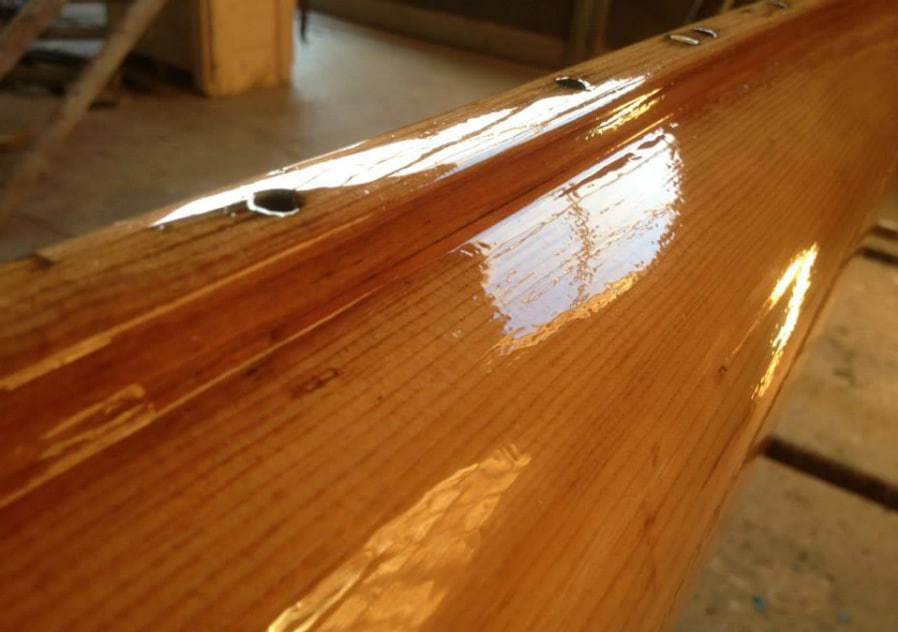
- "EpoxyWood" – Wood Restoration Epoxy Resin for Deep Penetration and WaterproofingOriginal price was: £64.00.£39.85Current price is: £39.85."EpoxyWood" is a wood restoration epoxy designed for deep penetration and waterproofing, suitable for furniture and relevant to painting with resin.
- "Art Pro" – Clear Epoxy Resin for Artists and Surface CoatingPrice range: £31.15 through £388.85Art Pro is a clear epoxy resin suitable for artists and crafters, designed to provide durable, scratch-resistant, and UV protected finishes.
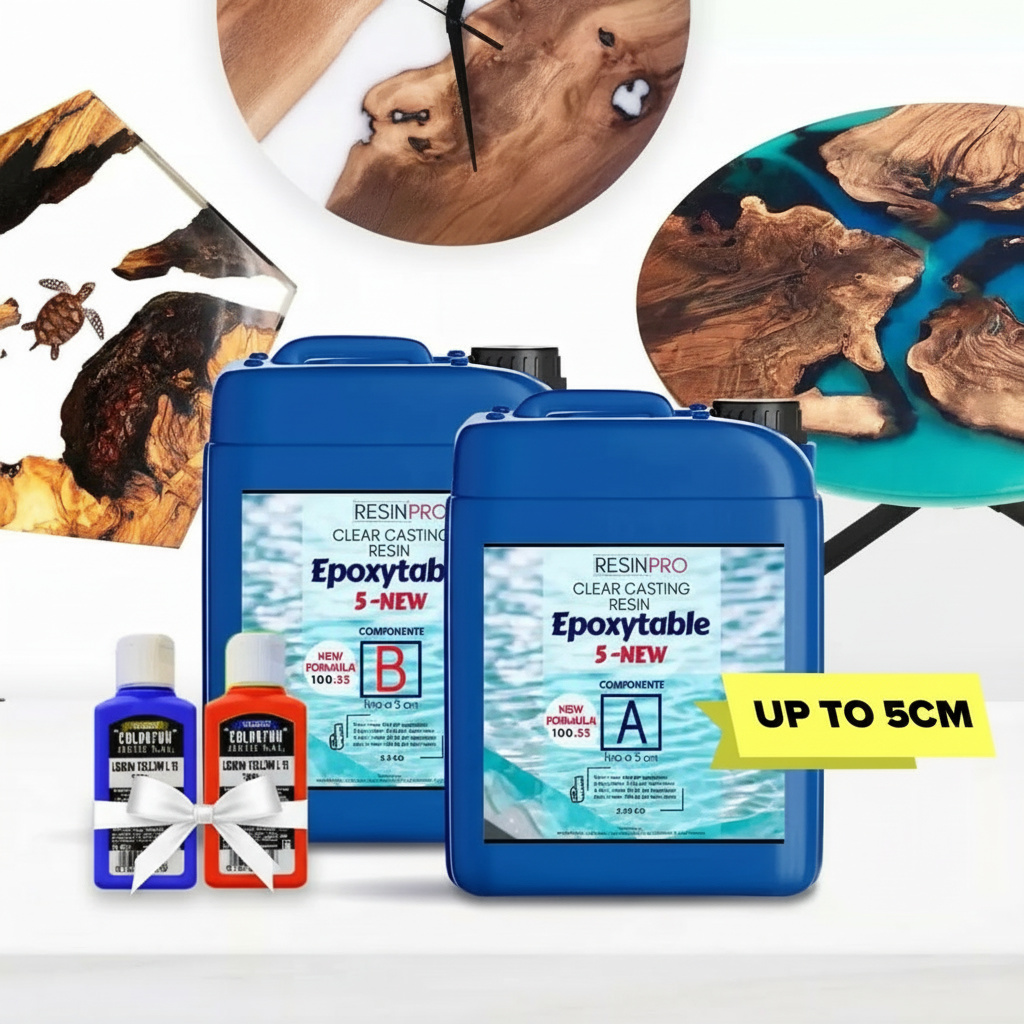 "EpoxyTable 5-Five" – Deep Pour Epoxy Resin for Tables and Large Projects – Up to 5cmPrice range: £16.85 through £1,099.85"EpoxyTable 5-Five" is designed for deep pour projects like tables, offering non-yellowing and scratch-resistant results.
 "Art Pro Deluxe" – Ultra-High Viscosity Epoxy Resin for ArtistsPrice range: £33.85 through £287.85Art Pro Deluxe offers ultra-high viscosity and a crystal-clear finish suited for precise resin art and furniture coatings.
Frequently Asked Questions
What resin is best for coating wood furniture?
High-clarity, scratch-resistant epoxy resins with UV protection, such as Art Pro or Art Pro Deluxe, are ideal for furniture surfaces.
How should I prepare my wood before coating?
Sand the surface smooth, clean thoroughly, and ensure it is dry and free of old finishes to guarantee proper resin adhesion.
Is a primer or sealer needed before resin?
For porous or damaged wood, a deep-penetrating epoxy like EpoxyWood is recommended before applying a final resin layer.
How do I apply resin to vertical furniture surfaces?
Use a high-viscosity resin like Art Pro Deluxe; apply it by brush or roller to prevent running and sagging.
Can I add colour or pigment to furniture resin?
Most artist-grade epoxy resins can be tinted with epoxy-safe pigments for unique decorative effects.
How do I remove bubbles from a resin finish?
Gently use a heat gun or torch over the freshly applied resin to release trapped air bubbles.
When is my furniture safe to use after resin application?
Wait until the resin is fully cured based on the manufacturer's instructions—typically 24–72 hours for light use.
How should I maintain resin-coated furniture?
Wipe with a soft, damp cloth; avoid abrasive cleaners and hot items directly on the surface to preserve the finish.