 Free shipping on orders over £29,85
  Shipping Tracking!


 Google
 Facebook
How do you stop a resin bag from leaking?
Step-by-step guidance for leak-free resin casting bags
Preventing leaks from resin bags is crucial for achieving clean and professional results in your resin art or casting projects. Leaking not only creates unnecessary mess, but can also ruin intricate craftwork and waste valuable materials. This guide explores the essential techniques to help you stop resin bags from leaking, ensuring a seamless and enjoyable creative experience, whether you are casting river tables, coasters, or detailed decorative moulds.
What You’ll Need
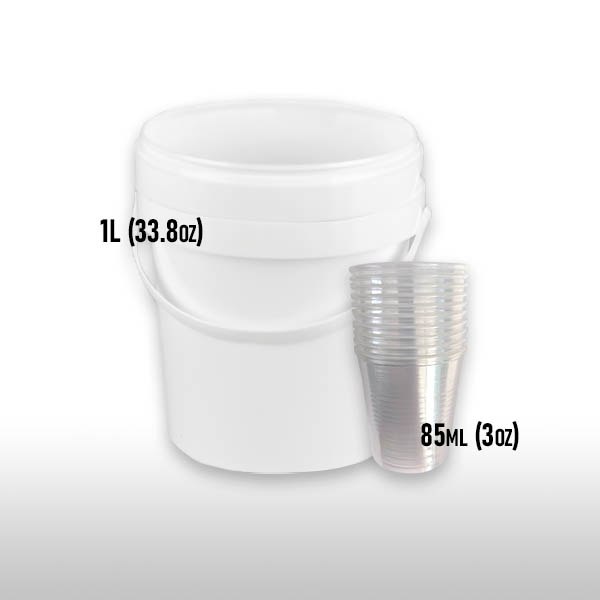
- Mixing Buckets Kit for Epoxy Resin Art – Easy Clean Flexible Design – for mess-free, accurate mixing of your resin.
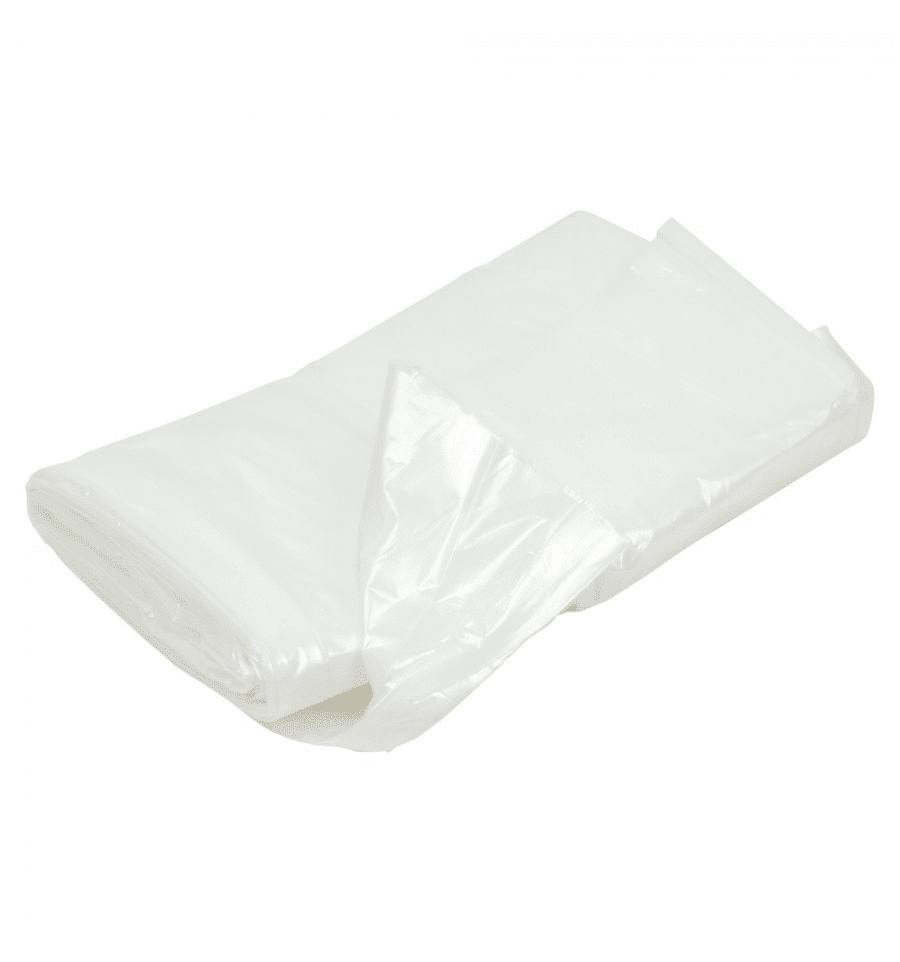
- Protective Sheet Film for Resin Projects, 4x4m Surface Cover – to shield your workspace against accidental spills and leaks.
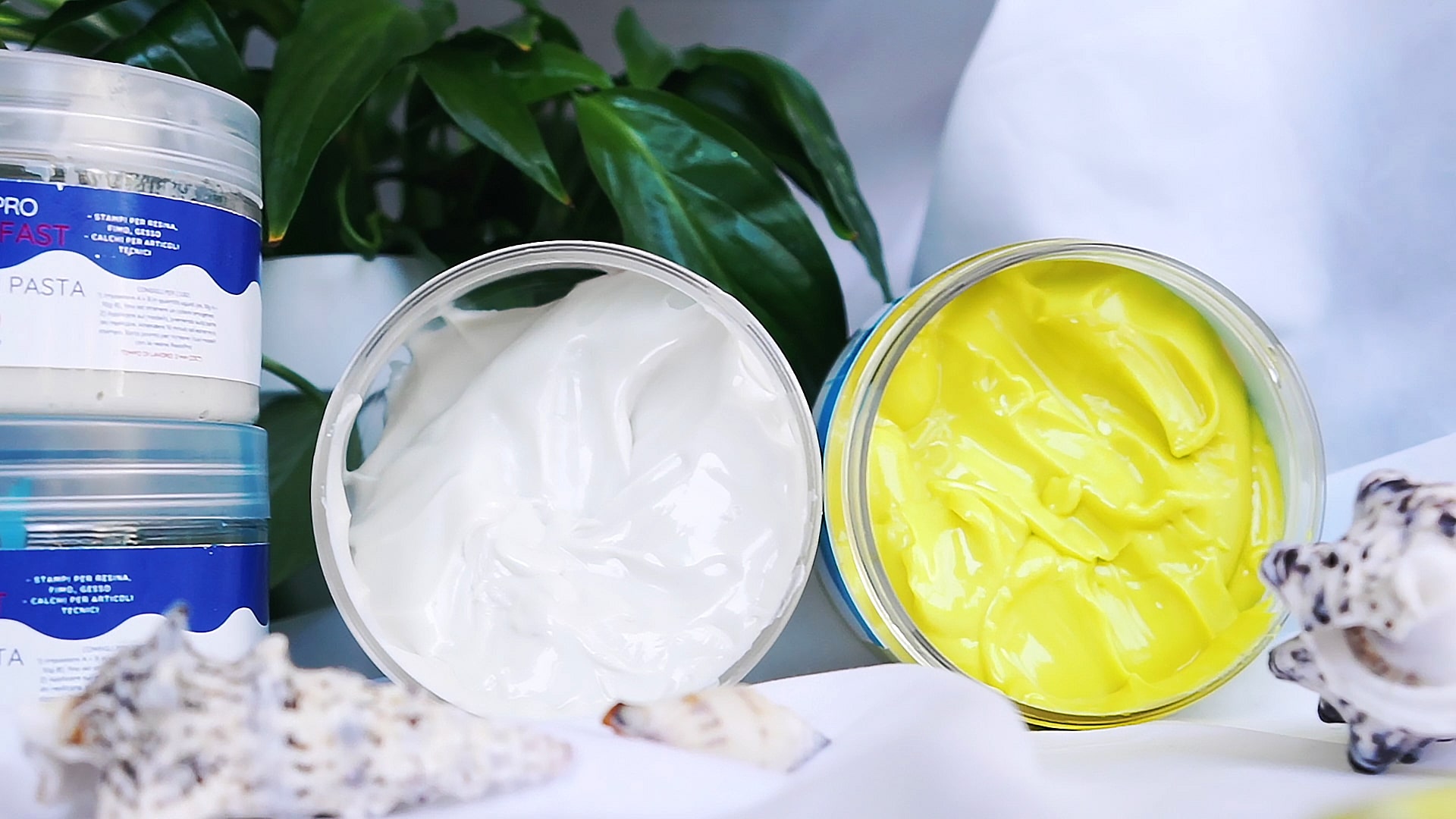
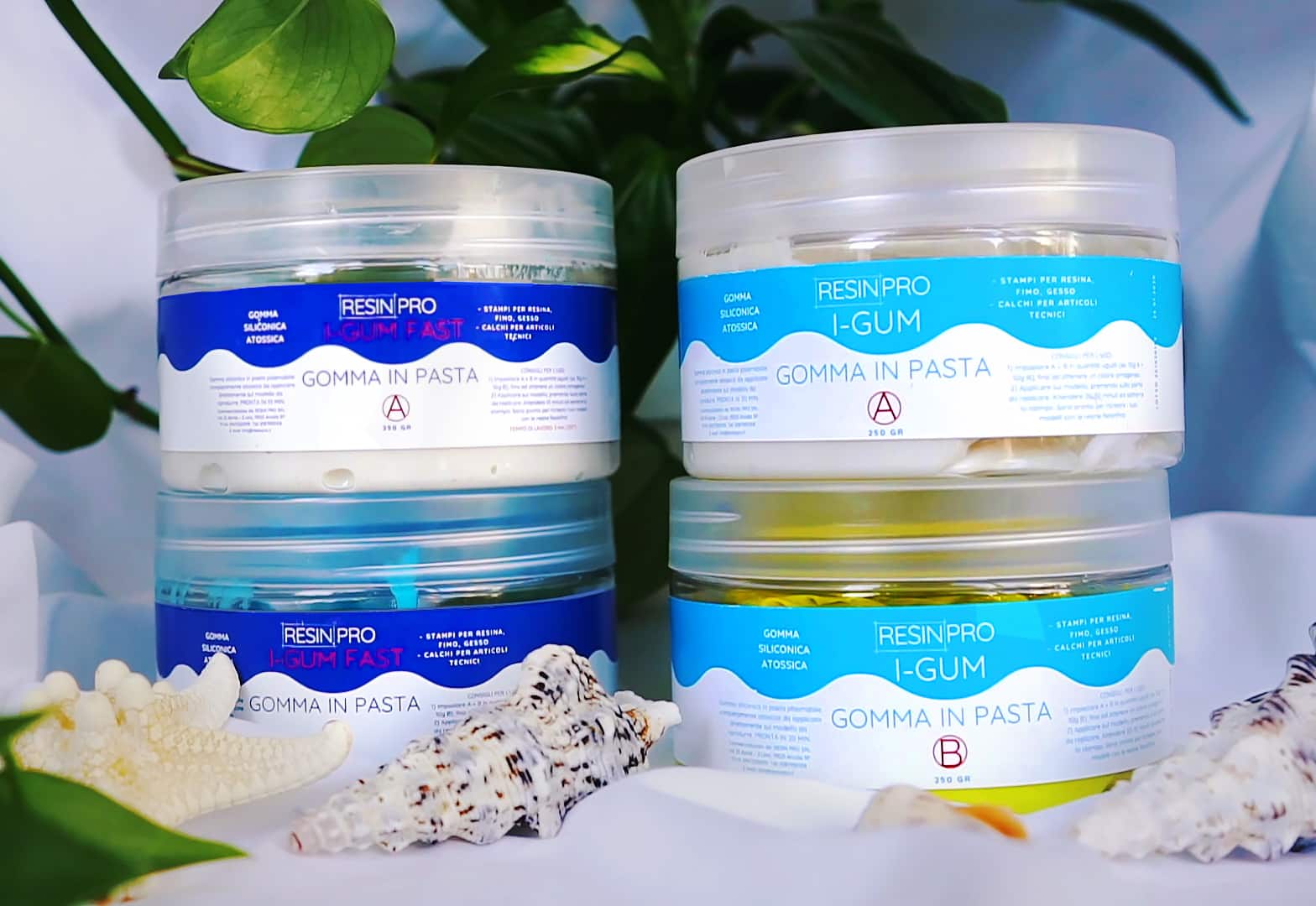
- “I–Gum” – Non-Toxic Silicone Putty for Mould Making – ideal for creating tight custom seals or patching potential weak spots in bags.

Why Resin Bags Leak and How to Prevent It
Resin bags are prone to leaking if there are undetected holes, poorly closed seams, or if bags are overstressed during curing. Inspecting each bag before use, providing proper structural support during pouring, and lining your workspace with a suitable protective film can notably reduce the risk of leaks and keep your resin projects safe and tidy.
Step 1: Inspect and Prepare Your Resin Bag
Before pouring any resin, thoroughly check your bag for manufacturing defects such as tiny holes, thin spots, or weak seams. Run your fingers along the inside and outside surfaces to feel for irregularities. Even the smallest imperfection can result in unwanted leaks once liquid resin is introduced. It is wise to inflate the bag gently or fill it with water to test for invisible punctures. Dry completely before use if you perform a water test.
Step 2: Seal All Seams Securely
Seal all seams using a secure, leak-proof method to minimise the chance of resin escaping. Many bags are equipped with built-in sealing features, such as zips or adhesive strips—double-check that these are fully closed and pressed flat. For additional safety, reinforce vulnerable corners or edges using a suitable adhesive tape. When extra reinforcement is needed, a small bead of “I–Gum” – Non-Toxic Silicone Putty for Mould Making can be applied to seams as a custom-fit barrier, particularly when working with DIY or improvised resin bags.
Step 3: Support and Fill the Bag Properly
Always inspect your resin bag before pouring and position it upright or within a snug container to provide structural support as you add resin. This prevents overstressing or stretching of the material, which is a common cause of leaks. Avoid overfilling the bag which can stress the seams. Maintain your fill level below the marked maximum or, if there is no guide, leave 2–3 cm of clear space at the top. This buffer also allows for expanding during curing without forcing out resin through the seams.
For accuracy, mix your resin components in a dedicated Mixing Buckets Kit for Epoxy Resin Art – Easy Clean Flexible Design, ensuring optimal consistency and reducing accidental drips when transferring into the bag.
Step 4: Protect Your Workspace and Monitor During Curing
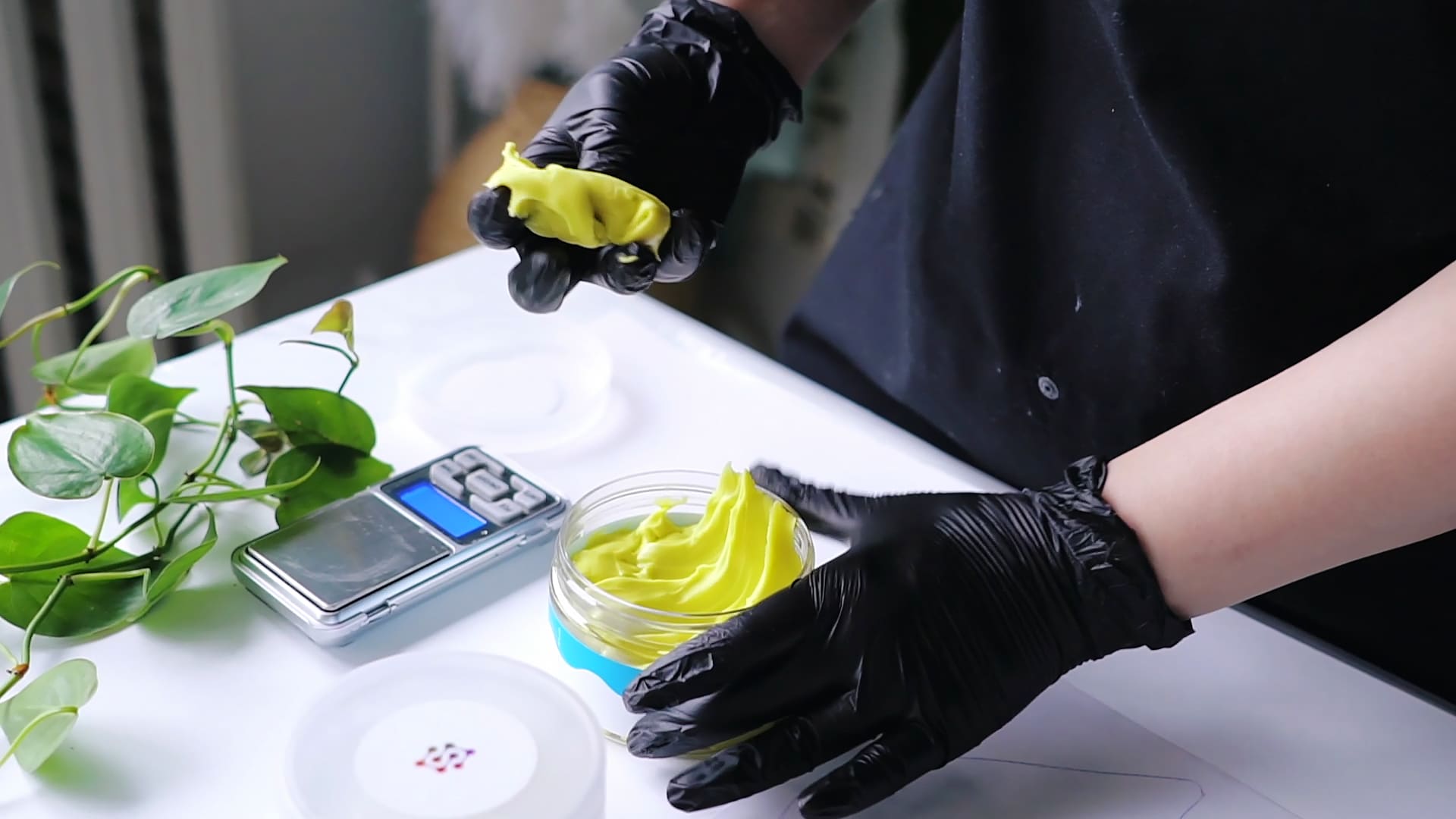
Line your workspace with a leak-proof sheet, such as the Protective Sheet Film for Resin Projects, 4x4m Surface Cover, before you begin. This not only guards against possible resin spills but also provides an extra level of peace of mind through the curing phase. As resin cures, monitor the bag occasionally to spot slow leaks early. Should a minor leak occur, non-toxic putty like “I–Gum” can be pressed around the leak site as an emergency patch.
Tips to Prevent Leaks and Common Mistakes
Test your bag with water before use for peace of mind, and never use bags with any sign of prior damage. Avoid handling the bag roughly during curing, as partially hardened resin can stress seams if the bag is moved. Always mix resin thoroughly to the manufacturer’s instructions; unmixed patches can leak through weak points. Do not use bags made from incompatible plastics, which may soften or react with resin. If large, complex forms are required, make use of high-quality silicone putty to fashion reliable custom moulds or reinforcements for added security.
Pro Advice: Sealing and Testing Resin Bags
Always test your bag with water before adding resin. If there’s a leak, fix it with a small amount of silicone putty or reinforce seams as needed. This quick check saves time, materials, and avoids unnecessary mess, especially when working on detailed or valuable resin projects.
- Mixing Buckets Kit for Epoxy Resin Art – Easy Clean Flexible DesignPrice range: £1.95 through £8.35Mixing Buckets Kit designed for resin artists to mix epoxy resin with easy clean flexible containers.
- Protective Sheet Film for Resin Projects, 4x4m Surface Cover£2.85Protective Sheet Film offers practical, lightweight surface protection during resin and DIY projects, suitable for preventing resin damage.
- "I–Gum" – Non-Toxic Silicone Putty for Mould MakingPrice range: £22.85 through £99.85"I–Gum" is a two-component silicone putty designed for mould making suitable for resin and other materials, aligned with the theme of resin bag…
Frequently Asked Questions
What are the best ways to prevent resin bag leaks?
Carefully inspect all bags, seal seams well, and test with water before pouring resin to avoid leaks.
Can silicone putty stop a leak in a resin bag?
Yes, silicone putty can temporarily seal small punctures or reinforce seams on a resin bag.
How can I protect surfaces from resin bag leakage?
Use a leak-proof sheet film or protective covering under your project to capture possible spills.
Why should you test resin bags with water first?
Testing with water reveals hidden holes or seam weaknesses without wasting resin or making a mess.
Can overfilling cause resin bags to leak?
Yes, overfilling a resin bag increases pressure on seams and can cause leaks or bursts during curing.
Does resin type affect which bags to use?
Some resins may react with certain plastics, so always use bags recommended for your resin type.