 Free shipping on orders over £29,85
  Shipping Tracking!


 Google
 Facebook
How to apply floor resin video?
Master each stage for outdoor flooring with lasting results

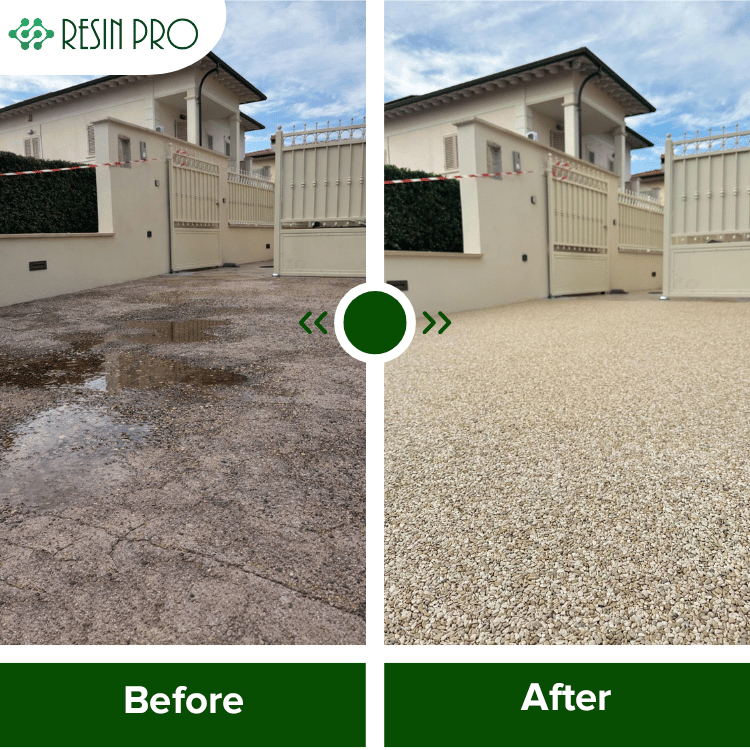
Applying floor resin is a transformative solution for creating beautiful, hard-wearing, and weather-resistant surfaces—whether for outdoor patios, driveways, or decorative paths. This guide walks you through each stage so that even beginners can gain confidence in achieving a smooth, long-lasting finish for their space.
What You’ll Need
- “Epoxyprimer” – Universal Water-Based Two-Component Epoxy Floor Primer: Reliable adhesion for most concrete, timber, or tiled bases.
- “Trasparente” – Epoxy Binder for Coloured Pebbles and Grits: Ideal for coloured aggregates, providing durable, decorative finishes.
- “Polirock” – Polyurethane Binder for White Stones, 2kg Two-Component Kit: Specially formulated for clear, non-yellowing results with white stones.
- “Flowstone” – Complete Permeable Floor Kit with Pebbles and Resin: All-in-one option for draining, decorative stone floors.
- Clean broom or vacuum
- Mixing bucket or cement mixer for large areas
- Trowel or float
- Protective gloves and safety goggles
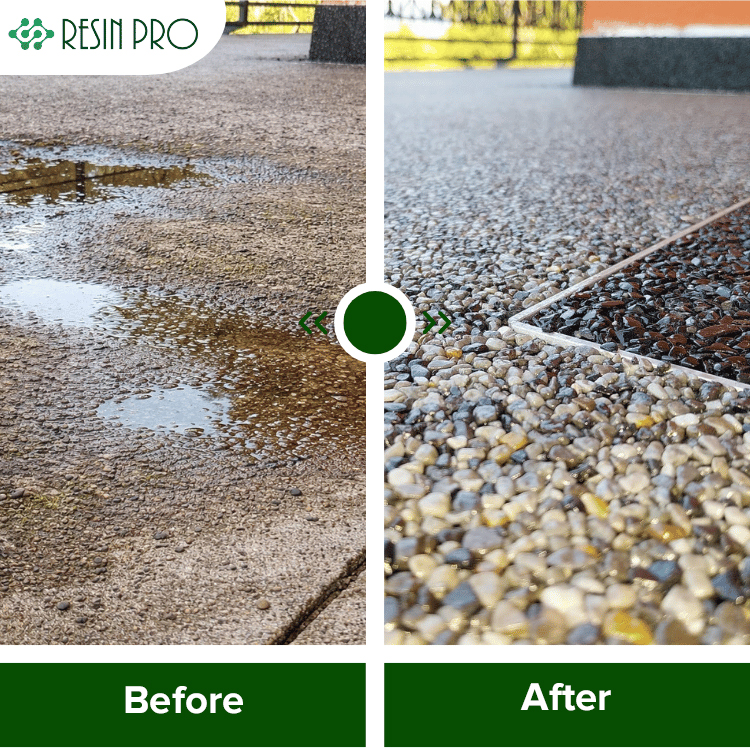
Essential Tools, Resins and Top Tips
Gather your primer, resin, aggregate, mixing supplies, and personal safety gear before starting. Organise your space to keep resin components out of direct sunlight and within easy reach of your working area. Watch application videos if available—it’s the quickest way to gain practical insight before your first pour.
Step 1: Prepare the Surface Thoroughly
If your substrate is concrete, timber, screed, or tile, begin with a detailed cleaning—remove all dust, grease, moss, and loose debris for maximal resin adhesion. Repair any cracks or holes and allow surfaces to dry fully before starting.
Always start with a properly prepared surface to avoid weak spots or eventual lifting. If your surface is particularly porous or irregular, consider levelling it first for an even resin spread.
For this purpose, a base coat with “Epoxyprimer” – Universal Water-Based Two-Component Epoxy Floor Primer enhances bonding, reduces dusting, and prevents bubbling in subsequent resin layers.
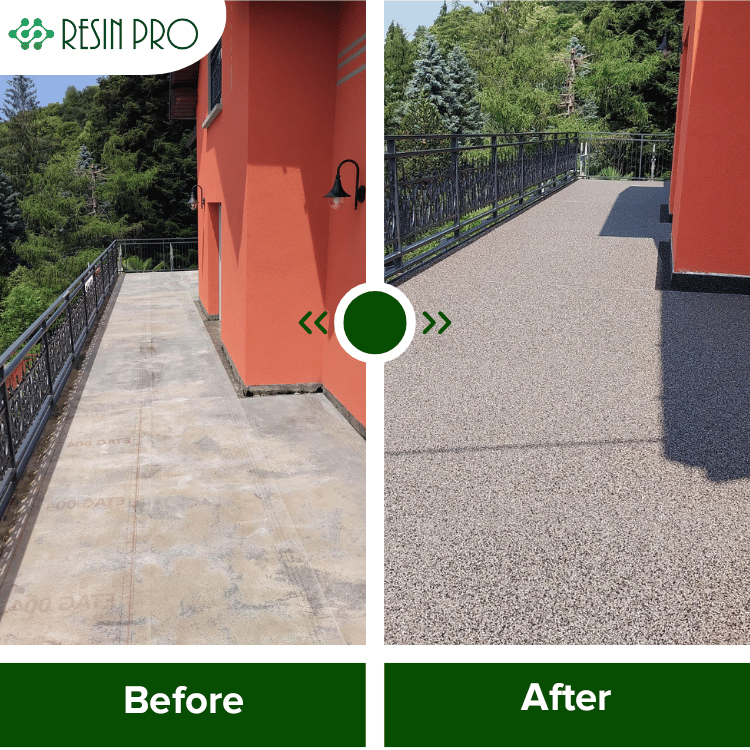
Step 2: Mix Your Resin and Aggregate Correctly
Calculate the proper ratio of resin to aggregate—usually around 3% resin by weight relative to the pebbles or grits being used. Thorough mixing is essential to fully encapsulate each stone, ensuring durability and an even, attractive finish.
For coloured aggregates, use “Trasparente” – Epoxy Binder for Coloured Pebbles and Grits. White stones are best paired with “Polirock” – Polyurethane Binder for White Stones, 2kg Two-Component Kit to prevent any unsightly yellowing and maintain clarity over time.
Mix thoroughly for a consistent finish—use a large bucket or a cement mixer for bigger projects, and be mindful to work quickly as curing will begin once the components are combined.
Step 3: Lay and Shape the Resin-Bound Mix
Spread your resin and aggregate blend evenly over the primed surface starting at one corner, using a steel trowel or float for a uniform thickness. Aim for a compact, generous layer while pressing lightly to achieve optimal mechanical strength and permeability (if applicable).
Avoid spreading too thin, as this can impact strength and appearance. For large-scale jobs or outdoor floors, “Flowstone” – Complete Permeable Floor Kit with Pebbles and Resin provides all you need for consistency and effective draining.
Take care to finish each section while the mix is still workable, overlapping slightly for a seamless appearance.
Step 4: Allow to Cure and Finish Carefully
Once applied, leave the floor undisturbed to cure. Most resin-bound systems require 24–48 hours for initial setting, though full curing can take longer in cool or damp conditions.
Apply in optimal weather for curing—resin application is best in dry, mild conditions. Protect new surfaces with sheeting if rain is forecast, and avoid foot or vehicle traffic until completely set.
Once cured, sweep away any loose granules and inspect the surface for gaps or air bubbles. Small imperfections may be corrected with a spot application of resin as needed.

Tips and Common Mistakes to Avoid
Use the right primer to ensure strong adhesion. Never skip the priming step on porous or absorbent bases.
Avoid overuse of resin to prevent yellowing—especially critical when working with white or light-coloured stones. Measure carefully and mix in small batches if unsure.
Careful weather planning is key; excessive moisture or high humidity can disrupt the curing process. Always follow safety advice—wear gloves and goggles throughout to prevent skin or eye contact with either component.
Troubleshooting Resin Floor Application
Encounter surface bubbles, patchy colour, or loose sections? Check if the primer was applied correctly, ensure the aggregate was thoroughly coated, and confirm your application conditions met recommended parameters. Watching step-by-step videos can clarify key actions and help visually identify solutions.
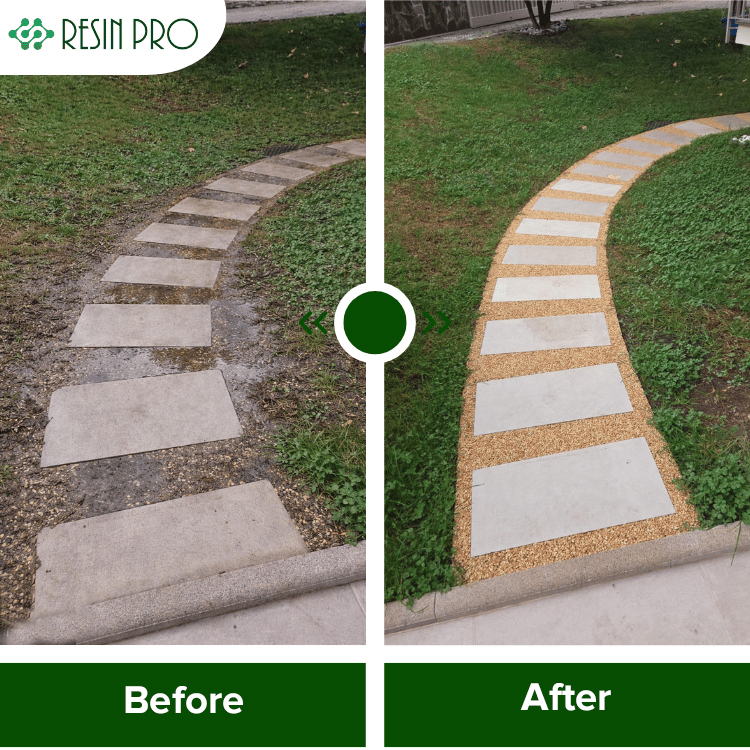
- "Flowstone" – Complete Permeable Floor Kit with Pebbles and ResinPrice range: £42.85 through £3,389.85"Flowstone" kit provides a durable permeable pebble and resin system for driveways, patios, and paths with easy application guidance.
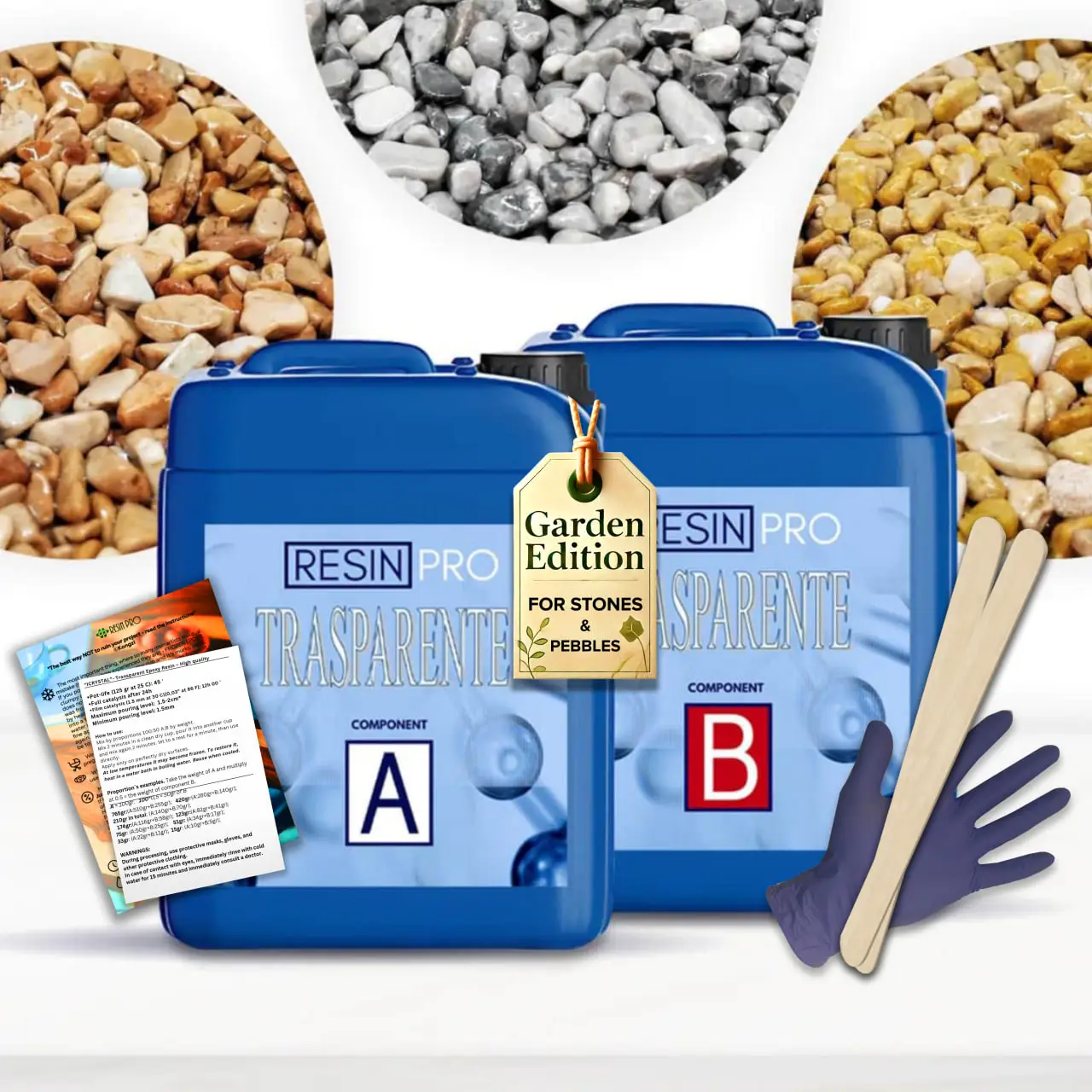 "Trasparente" – Epoxy Binder for Coloured Pebbles and GritsPrice range: £31.85 through £948.85"Trasparente" is a transparent epoxy binder designed for coloured pebbles and grits, suitable for flooring with a clear, UV-stable finish.
 "Epoxyprimer" – Universal Water-Based Two-Component Epoxy Floor PrimerPrice range: £148.84 through £272.45"Epoxyprimer" is a universal water-based epoxy floor primer designed for reliable adhesion on various substrates.
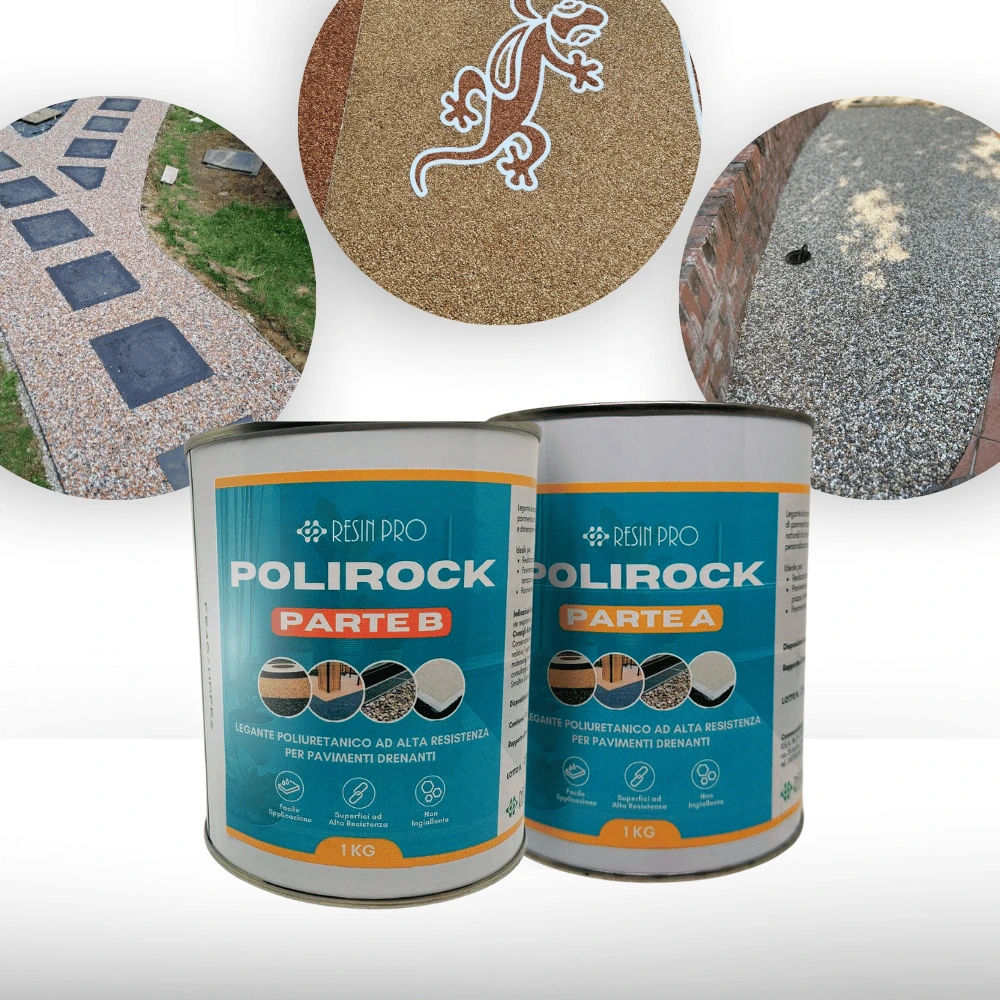 "Polirock" – Polyurethane Binder for White Stones, 2kg Two-Component Kit£58.85"Polirock" is a two-component polyurethane binder designed for decorative, permeable outdoor stone surfaces with weather-resistant, anti-slip…
Frequently Asked Questions
Can I apply floor resin myself?
Yes, most resin-bound flooring systems are suited to DIY installation with careful preparation and adherence to instructions.
How long does resin floor take to cure?
Most resin floors require 24–48 hours to cure sufficiently for light traffic, but full curing and load-bearing may take up to a week.
Which resin should I use for white versus coloured pebbles?
Use a non-yellowing polyurethane binder for white pebbles and a clear epoxy binder for coloured aggregates to maintain visual clarity.
What base or primer is required for resin-bound floors?
A compatible epoxy floor primer ensures strong adhesion on surfaces including concrete, screed, wood, and tiles.
What weather is best for applying floor resin?
Dry, mild weather (not too hot or cold) and low humidity provide the best conditions for proper curing and finish quality.
How do I maintain resin-bound floors?
Regular sweeping and prompt removal of organic debris are all that’s needed; occasional washing with mild detergent is sufficient.
What are common mistakes in laying resin floors?
Skipping primer, improper mixing, overuse of resin, or rushing application in wet or humid weather can lead to failures.