 Free shipping on orders over £29,85
  Shipping Tracking!


 Google
 Facebook
← Back to How to apply resin flooring?
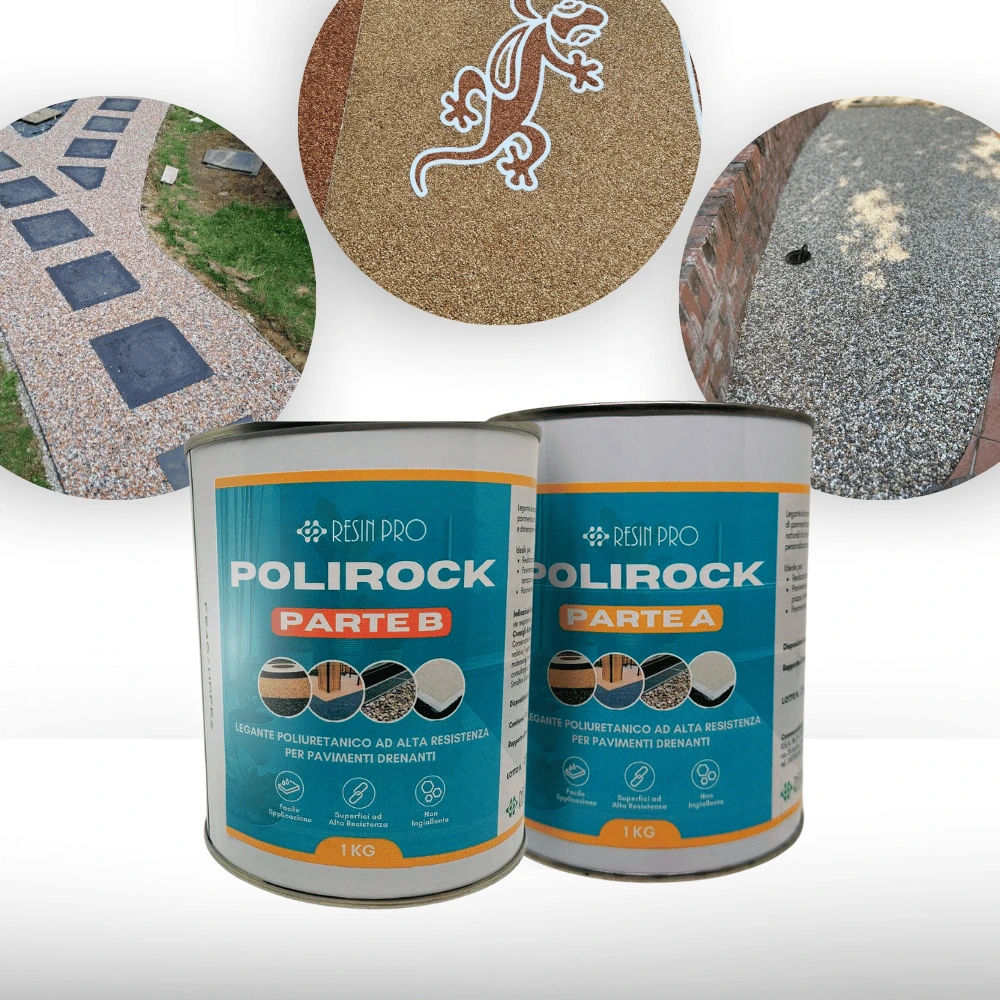
Achieving a pristine, white stone resin floor outdoors is all about preventing discolouration. One of the chief concerns is yellowing—especially prominent on white or pale stones exposed to sunlight. Here’s how you can ensure brilliant, long-lasting results for your decorative surface.
Choose the Right Binder for White Aggregates
The binder you select has a direct impact on the colour stability of your floor. For white or light-coloured stone floors, opt for a specialist polyurethane binder, such as Polirock. Polyurethane binders are designed for clear curing and superior resistance to sunlight, significantly reducing the risk of yellowing compared to traditional resins. Epoxy binders are better reserved for coloured or darker aggregates, as these are less susceptible to visible colour change.
Best Practices for Mixing and Application
For optimal appearance and durability, thoroughly mix the polyurethane binder with your chosen white stones before installation. Follow the manufacturer’s instructions closely regarding mixing ratios and curing conditions. Avoid pouring resin directly over loose gravel—instead, ensure every granule is evenly coated. Proper mixing promotes a uniform, stable, and clear result that’s less prone to discolouration.
When Yellowing Prevention Matters Most
- Outdoor areas exposed to direct sunlight, such as driveways, patios, and walkways
- Decorative applications where colour clarity and brightness are key
- Projects using white or very pale aggregates that can easily show discolouration
Related products
Related guides
Avoiding yellowing on white stone resin floors ensures your project stays bright and beautiful—ideal for decorative paths and drives. For further advice on surface preparation and application, see our comprehensive hub on how to apply resin flooring.