 Free shipping on orders over £29,85
  Shipping Tracking!


 Google
 Facebook
How to build a waterproof outdoor resin wardrobe?
Step-by-step guidance for durable, weather-resistant furniture

Creating a waterproof outdoor resin wardrobe is the ideal way to protect your storage from rain, humidity, and the elements while achieving a modern, attractive finish. Whether you are a skilled DIYer or embarking on your first resin furniture project, this guide covers every essential step for a resilient, long-lasting result that withstands the British weather.
What You’ll Need
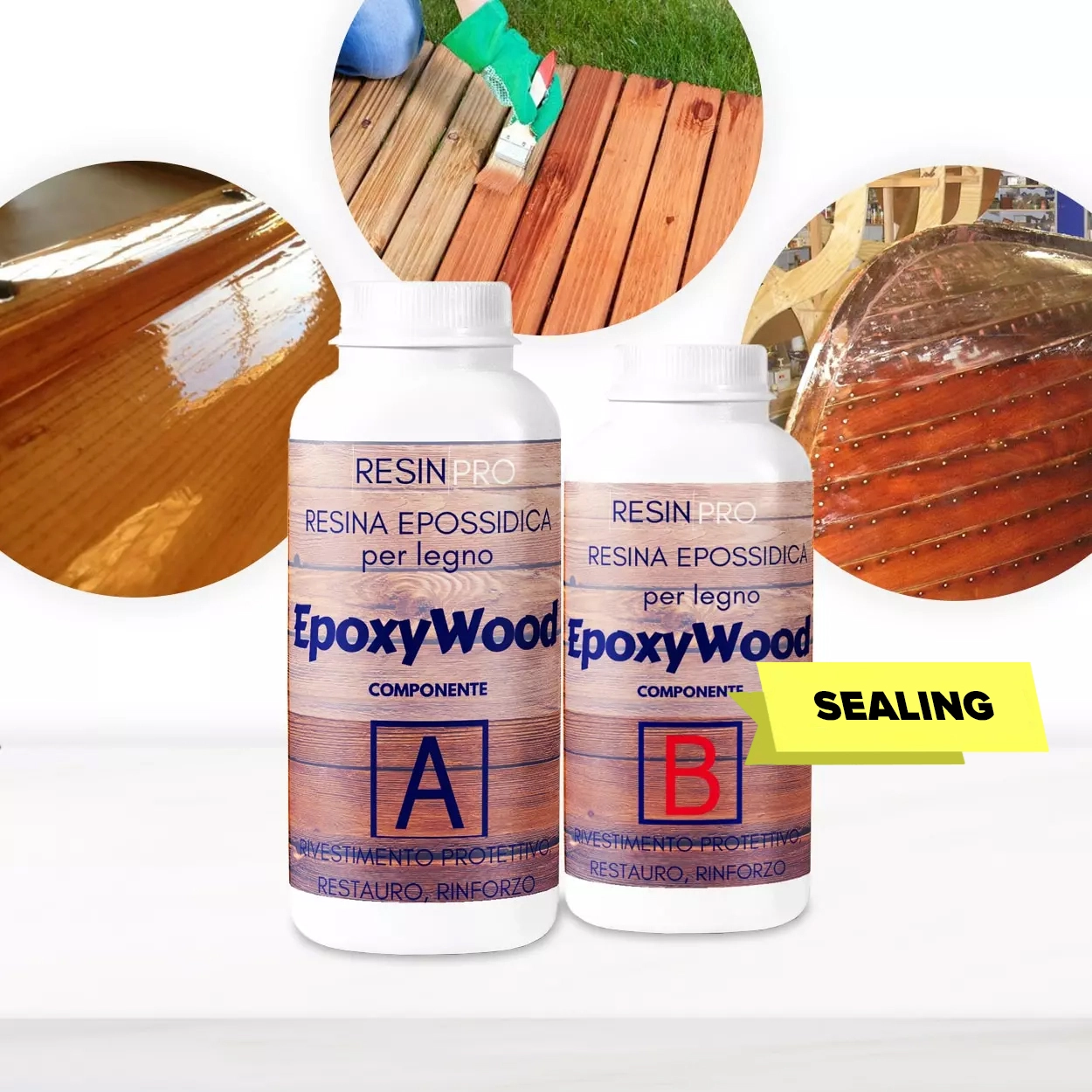
- “EpoxyWood” – Wood Restoration Epoxy Resin for Deep Penetration and Waterproofing: Perfect for sealing and waterproofing any wooden framework used in the wardrobe.
- “Trasparente” – Multipurpose Clear Epoxy Resin for Casting – Up to 2cm: Ideal for creating protective resin panels up to 2cm thick.
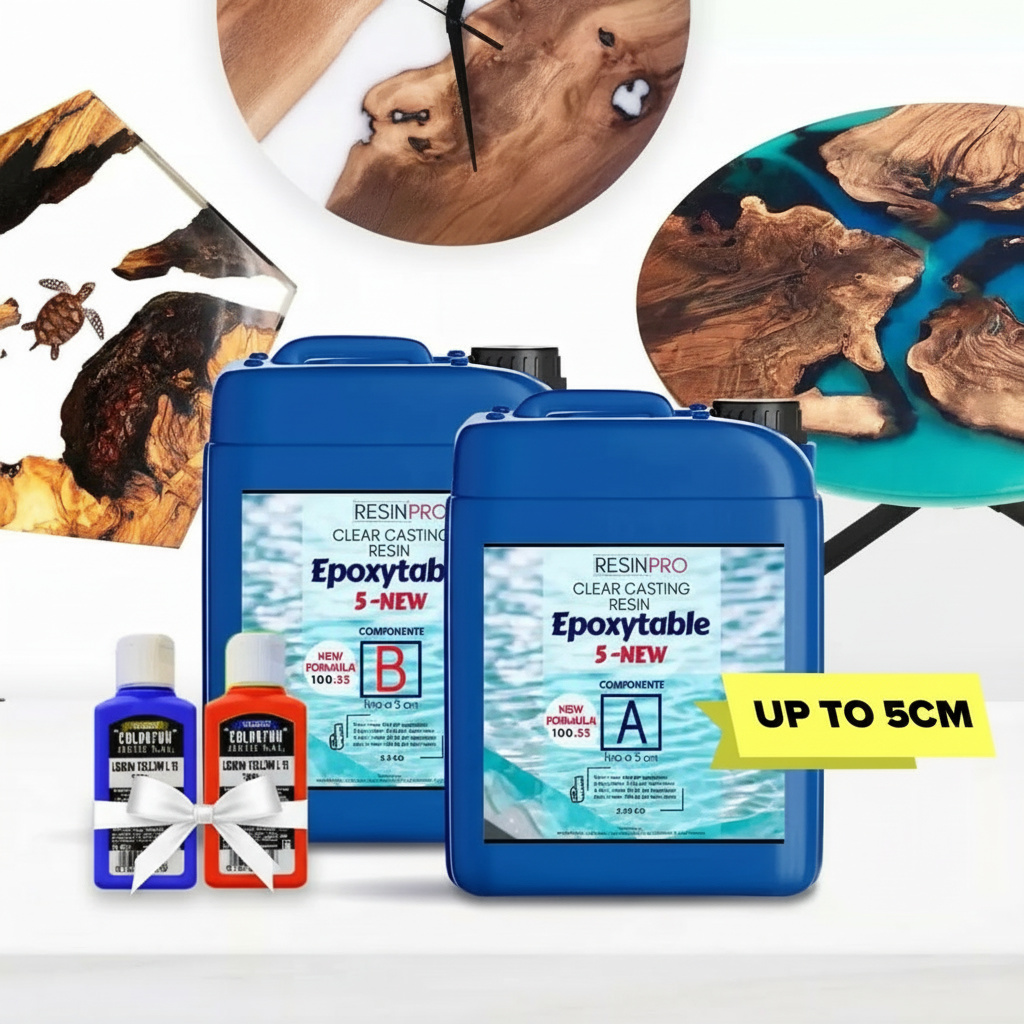
- “EpoxyTable 5-Five” – Deep Pour Epoxy Resin for Tables and Large Projects – Up to 5cm: Enables deep casting of larger panel sections if desired.
- Quality wood or composite boards for the wardrobe’s core structure.
- Formwork materials (melamine, silicone, or plastic sheeting) for panel moulding.
- Protective gloves, eye protection, and a dust mask.
- Sanding blocks or orbital sander, mixing tools, and accurate scales.
- Waterproof hinges, fastenings, and handles suitable for outdoor use.
- Sealants and weatherproof paint for auxiliary finishing (optional).
Key Supplies for Waterproof Resin Wardrobes
Choosing the right resin materials and protective gear ensures your outdoor wardrobe is both robust and weather-resistant. Select products designed for deep-sealing wood and clear resin casting for the best results. Prioritise safety with gloves and eye protection throughout the process.

Step 1: Prepare and Protect the Wooden Core
Begin by cutting and assembling the core panels and framework for your wardrobe using quality outdoor-rated wood or composite materials. All surfaces that may be exposed to moisture must be dry and well-sanded for ideal resin bonding. If using timber, pay close attention to end grains and joints, which are more susceptible to water ingress.
Deep penetration is key for waterproofing wood outdoors. Apply EpoxyWood – Wood Restoration Epoxy Resin for Deep Penetration and Waterproofing generously, allowing it to soak into the surface and reinforce the wood from within. Repeat applications on particularly porous areas as needed until the wood will no longer absorb resin. This step transforms your wooden base into a sealed, water-resistant foundation, fundamental for longevity.
Step 2: Create and Cast Resin Panels
Professional-looking resin panels can either clad a wooden core or serve as freestanding wardrobe sides and doors. Build your moulds using formwork lined with a non-stick surface (like melamine or release film), ensuring tight joins to prevent leakage. Measure and mix your casting resin with precision.
Avoid pouring thick resin layers in a single application. For panels up to 2cm thick, use “Trasparente” – Multipurpose Clear Epoxy Resin for Casting – Up to 2cm. For panels between 2–5cm, choose “EpoxyTable 5-Five” – Deep Pour Epoxy Resin for Tables and Large Projects – Up to 5cm. Both offer UV protection and are suitable for outdoor use, but exceeding recommended layer thickness can cause overheating and defects. Cast layer by layer as needed, allowing each to partially set before the next.
Step 3: Finish, Assemble, and Weatherproof
Once cast, leave the resin panels to cure fully in a dust-free, ventilated space. Demould with care and inspect finishes—any uneven spots can be sanded smooth with incrementally finer grits, ending with a polish for a glossy finish. Perform a dry fit of all parts before final assembly.
Allow full curing before assembling or exposing to rain. Attach hardware using pre-drilled holes, and use only fastenings rated for outdoor conditions. Consider running a bead of exterior-grade silicone or waterproof sealant around doors and panel joins for added protection against wind-driven rain. If the wardrobe will face extreme exposure, an extra coat of UV-resistant exterior clear coat or weatherproof paint can add insurance.

Tips, Common Mistakes, and Maintenance
Plan all component sizes and resin volumes in advance; resin is not easily recast once cured. Always wear gloves and protect your workspace with disposable sheeting to avoid sticky mishaps. Ensure all wood is bone dry before resin application to prevent trapped moisture and future rot. Avoid leaving the wardrobe exposed during curing, as humidity or dust can mar the finish. Twice a year, clean the exterior and check for damage—keep hinges and seals in good order to maximise life outdoors.
Protect outdoor resin with periodic cleaning and checks. Should minor scratches appear, a gentle polish restores gloss. Promptly repair chips or cracks to maintain the waterproof barrier.
Care for Your Finished Outdoor Resin Wardrobe
Regular maintenance preserves both appearance and performance. Keep panels clean from dirt and algae, and inspect seals and hardware every few months to address any potential leaks or wear before they become issues.
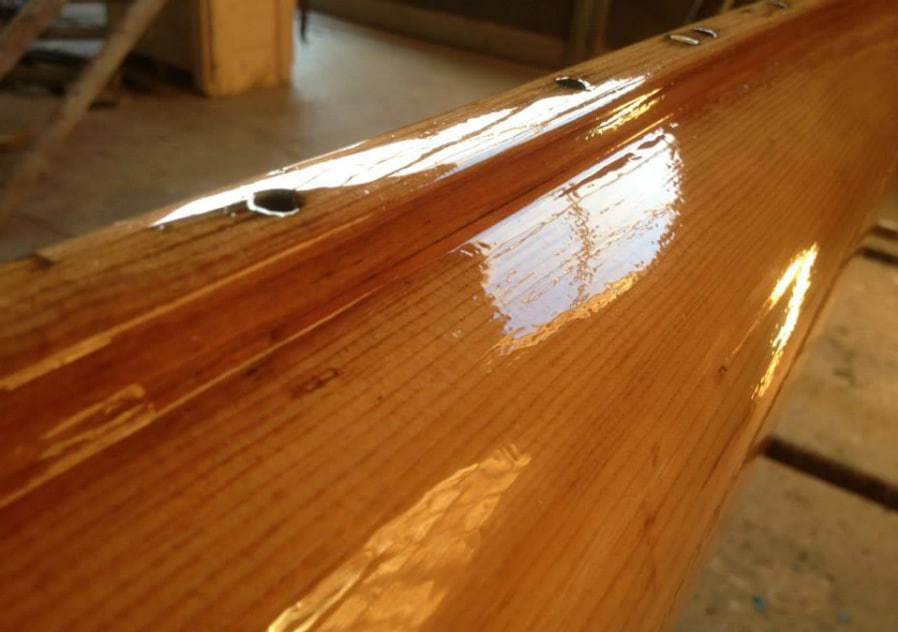
- "EpoxyWood" – Wood Restoration Epoxy Resin for Deep Penetration and WaterproofingOriginal price was: £64.00.£39.85Current price is: £39.85."EpoxyWood" is designed for wood restoration and waterproofing, suitable for reinforcing wood with a natural finish.
- "Trasparente" – Multipurpose Clear Epoxy Resin for Casting – Up to 2cmPrice range: £8.45 through £948.85"Trasparente" is a multipurpose clear epoxy resin suitable for detailed casting and woodworking, delivering a crystal-clear, self-levelling finish up…
- "EpoxyTable 5-Five" – Deep Pour Epoxy Resin for Tables and Large Projects – Up to 5cmPrice range: £16.85 through £1,099.85"EpoxyTable 5-Five" is designed for deep pouring projects up to 5cm thick, offering clarity and resistance suitable for large tables and furniture.
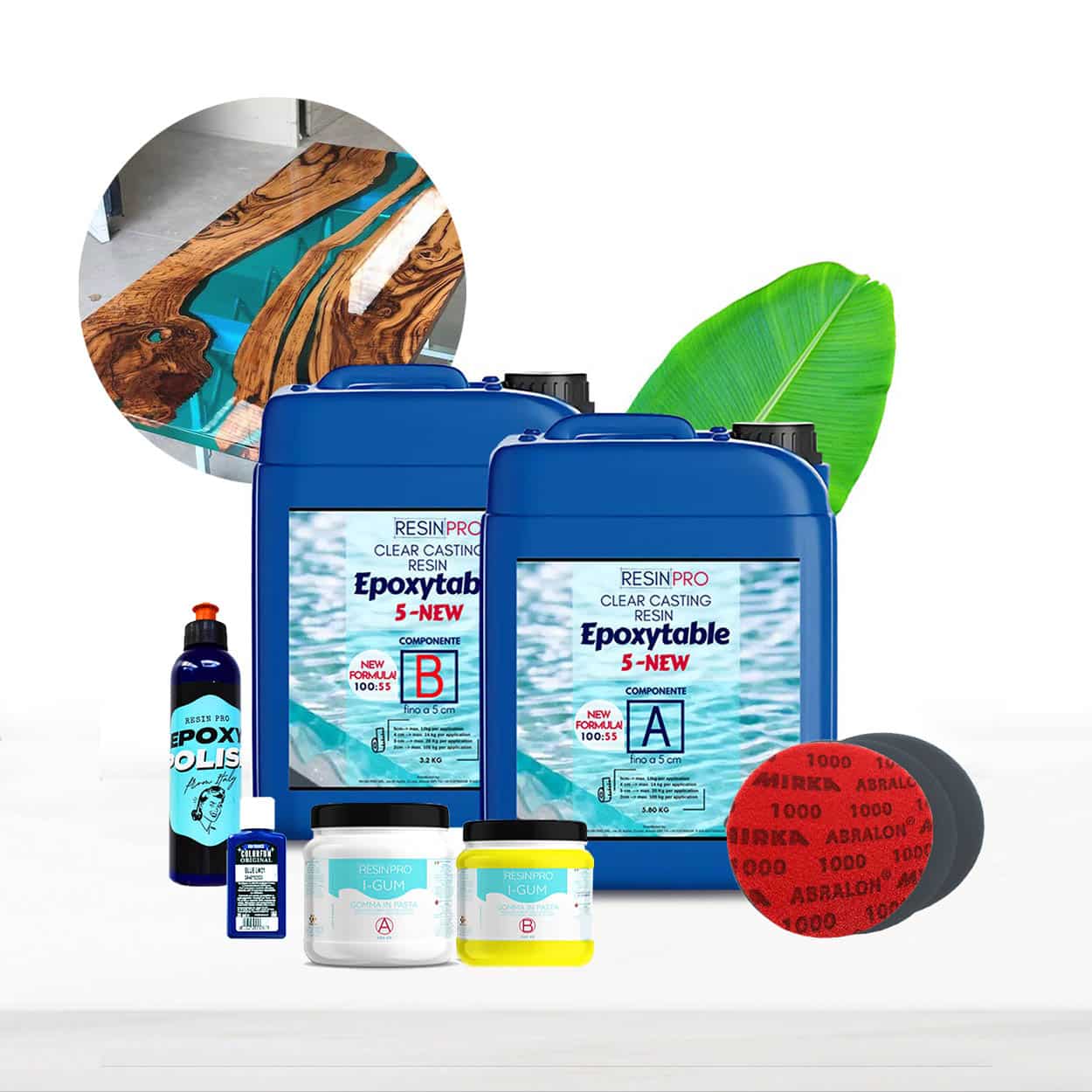 "River-Table" – Complete Kit for Creating Your First Epoxy Resin TablePrice range: £188.85 through £444.85"River-Table" kit includes resin, pigments and polishing materials with instructions, suitable for creating a wood and resin table.
Frequently Asked Questions
What resin is best for waterproofing outdoor wood?
Epoxy resins designed for deep penetration and sealing, such as low-viscosity wood restoration epoxies, provide the best waterproofing for outdoor wood.
Can I cast large resin panels in a single pour?
For optimal curing and clarity, avoid pouring resin in layers thicker than the product’s recommended maximum thickness. Use multiple pours if necessary.
How long does epoxy resin need to cure before I can assemble the wardrobe?
Epoxy should be allowed to fully cure—typically 24-72 hours—before assembly or exposure to weather. Exact times vary by product and conditions.
Is a resin wardrobe robust enough for outdoor use in the UK?
Yes, when using waterproof epoxy and UV-stable clear resins, your wardrobe will withstand rain, humidity, and sun if installed and maintained correctly.
How do I repair chips or cracks in the resin panels?
Light scratches can be polished out; chips or cracks may be filled with matching resin and sanded once cured for a seamless repair.
How do I prevent my outdoor resin wardrobe from yellowing over time?
Use resins with UV filters and anti-yellowing guarantees, and consider a UV-resistant clear coat for maximum protection.