 Free shipping on orders over £29,85
  Shipping Tracking!


 Google
 Facebook
How to create a decorative resin panel?
Make a sleek resin artwork with vibrant, professional results

Creating a decorative resin panel allows you to craft bespoke artwork or statement features for your space, combining striking transparency with lasting durability. This guide covers essential steps, safety techniques, and finishing tips so anyone—from first-time crafters to experienced artists—can achieve a flawless resin panel that elevates interiors and creative projects.
What You’ll Need
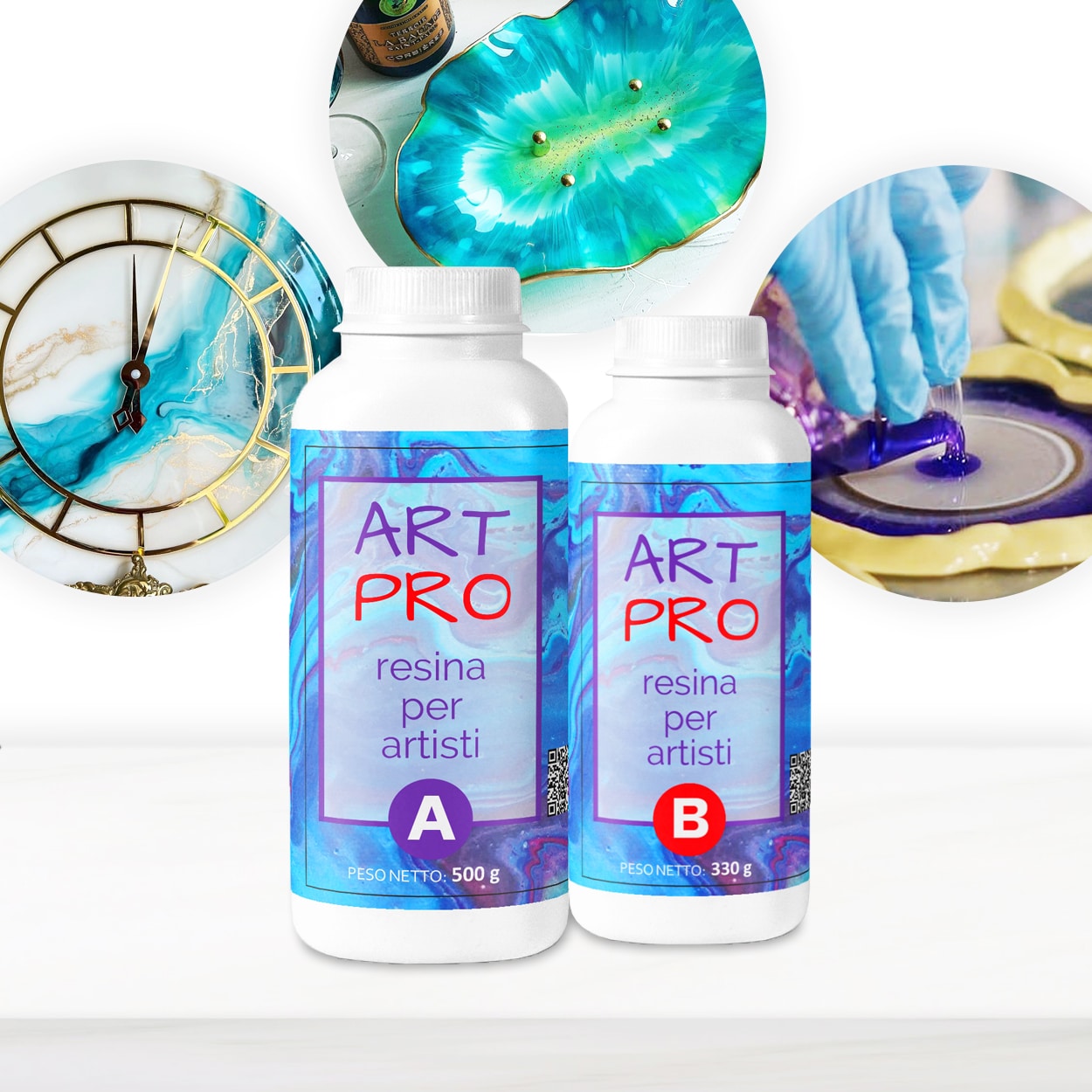
- “Art Pro” – Clear Epoxy Resin for Artists and Surface Coating – For producing a glass-like, durable finish
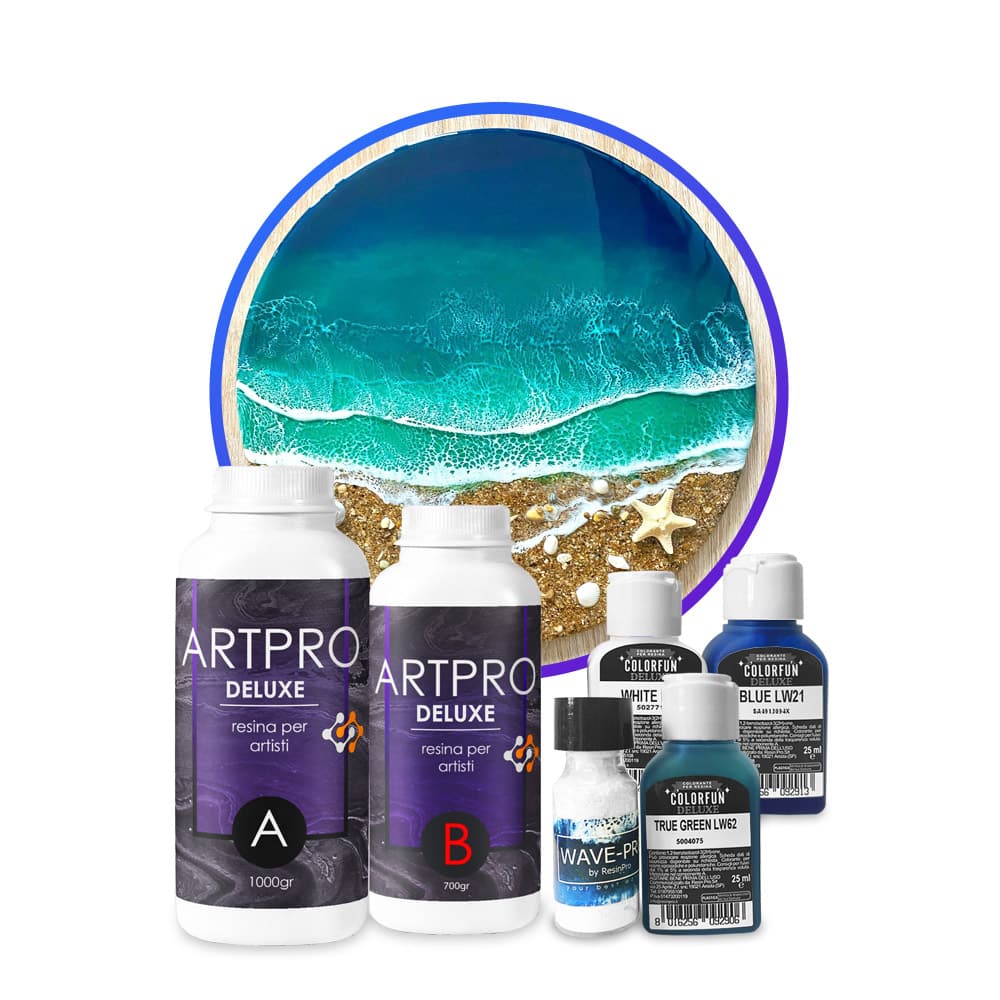
- “Sea” – Resin Kit for Creating Ocean Art, 1.7kg Epoxy, Pigments & Canvas – All-in-one kit, ideal for ocean or colour-rich panels
- “Trasparente” – Multipurpose Clear Epoxy Resin for Casting – Up to 2cm – Suitable for thicker layers or versatile project needs
- “Icrystal” – Clear Epoxy Resin – Odourless Formula – Up to 1.5cm – For odour-free pouring and projects needing transparency
- Mixing cups and wooden sticks
- Protective gloves and apron
- Level working surface and tape
- Squeegee or spreader (optional)
- Dust cover or box for protection during curing

Essential Resin Panel Tools & Materials
Gather all the essentials before you begin: measuring tools, protective gloves, suitable epoxy resin, and clean mixing containers. Preparation is key to a smooth workflow and a clearer, professional result.

Step 1: Prepare the Surface and Workspace
Work in a clean, dust-free environment to prevent inclusions in the cured resin. Place your chosen panel or canvas on a level surface and use tape to mask edges if you wish to create crisp lines or protect the reverse side. Ensure all materials and tools are laid out for easy access.
Give careful attention to safety and surface preparation: wear gloves and an apron, and ensure good ventilation if working indoors. Remove any dust or grease from the surface, as these contaminants can impair resin adhesion.
Step 2: Measure and Mix the Resin Properly
Determine the volume of resin needed for your panel, keeping in mind the recommended layer thickness of your chosen product—typically up to 1.5cm for options like “Icrystal” or “Art Pro”, and 2cm for “Trasparente”. Follow the manufacturer’s mixing ratio strictly; for example, “Art Pro” uses a 3:2 ratio by weight while “Icrystal” uses a 2:1 ratio.
Mix slowly and thoroughly for several minutes, ensuring the sides and bottom of the container are scraped well to avoid any unmixed material. If using colourants or pigments, add them gradually to reach your desired shade.
Step 3: Pour and Distribute the Resin
Pour gradually for even coverage across the panel, beginning from the centre and allowing the resin to spread naturally towards the edges. Use a squeegee or a spreading tool for larger panels to help guide the resin and eliminate air pockets.
Allow the resin to self-level, then inspect for trapped bubbles. Use a heat gun or torch lightly (if safe for your material) to gently burst surface bubbles—steady, cautious passes suffice.

Step 4: Curing and Protecting Your Panel
Carefully place a dust cover or box over the panel to prevent particles settling during cure. Let the project rest undisturbed for the full recommended cure time—usually between 12 and 24 hours for standard resins. Check product instructions; do not move or touch the panel until it is fully set.
Once cured, remove any tape for ultraclean edges and carry out any optional polishing for a higher gloss finish. The resin surface can be further protected from scratches by applying a topcoat if needed.
Tips, Common Mistakes, and Troubleshooting
Watch for air bubbles and dust—these are the most common culprits in less-than-perfect panels. Pour at room temperature, avoid mixing too fast, and never blow on the resin, as this introduces moisture. If using layered colour effects, allow previous layers to become tacky before pouring the next. Should an error occur, minor imperfections can sometimes be sanded and re-coated after the full cure.
Expert Resin Panel Troubleshooting
Avoid poor surface adhesion by cleaning and priming all substrates carefully. If you spot uneven finishes or sticky spots, these are often due to mismeasured resin or an unclean base. Sand lightly and re-coat as needed for a flawless final panel.

- "Art Pro" – Clear Epoxy Resin for Artists and Surface CoatingPrice range: £31.15 through £388.85Art Pro is a clear epoxy resin suited for artists and DIY, designed for decorative surfaces with high gloss and durable UV-protected finish.
- "Sea" – Resin Kit for Creating Ocean Art, 1.7kg Epoxy, Pigments & Canvas£44.85"Sea" Resin Kit includes epoxy resin, pigments and additives to create ocean art with decorative resin panels.
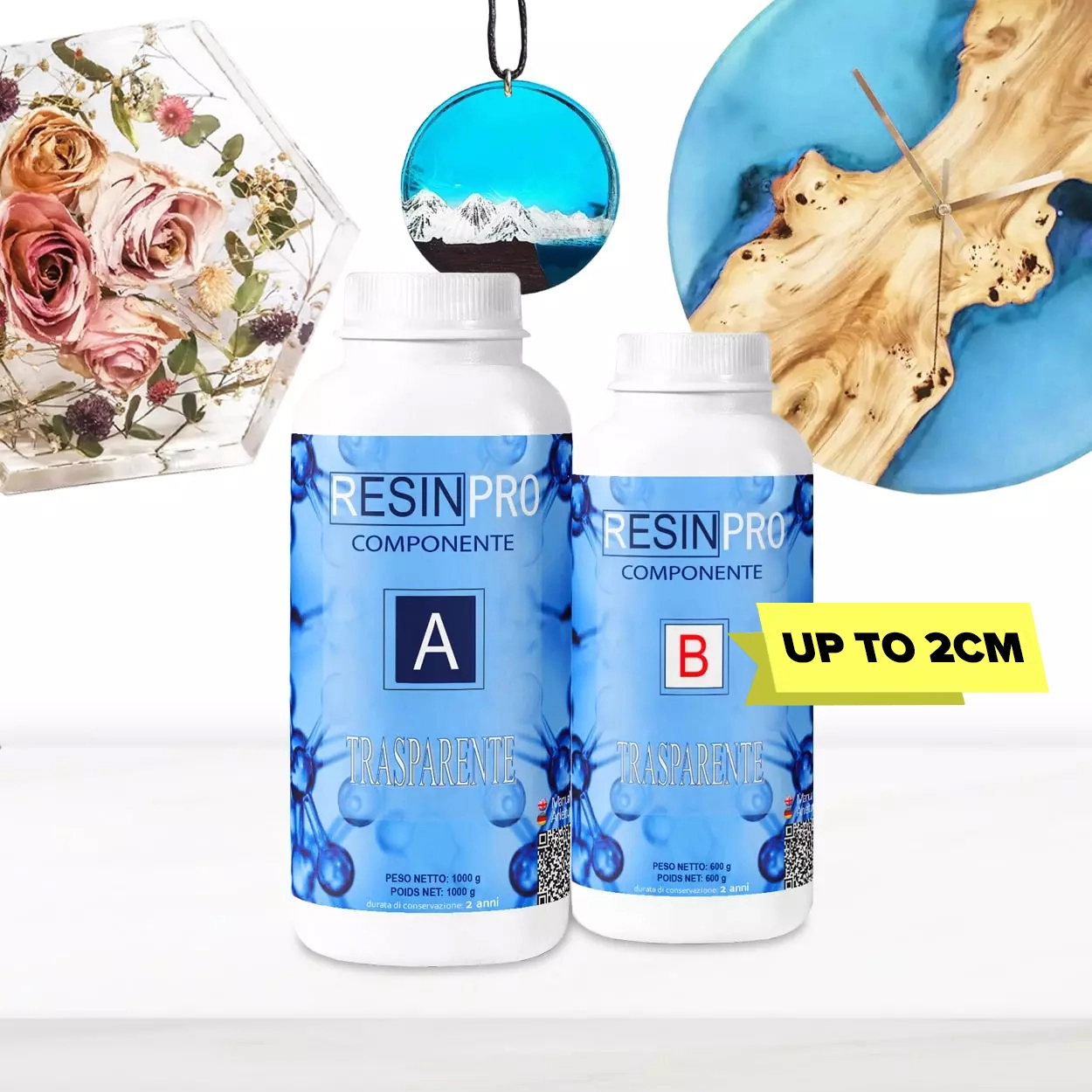 "Trasparente" – Multipurpose Clear Epoxy Resin for Casting – Up to 2cmPrice range: £8.45 through £948.85"Trasparente" provides a clear, scratch resistant coating for up to 2cm layers, suitable for decorative panel projects in a controlled workspace.
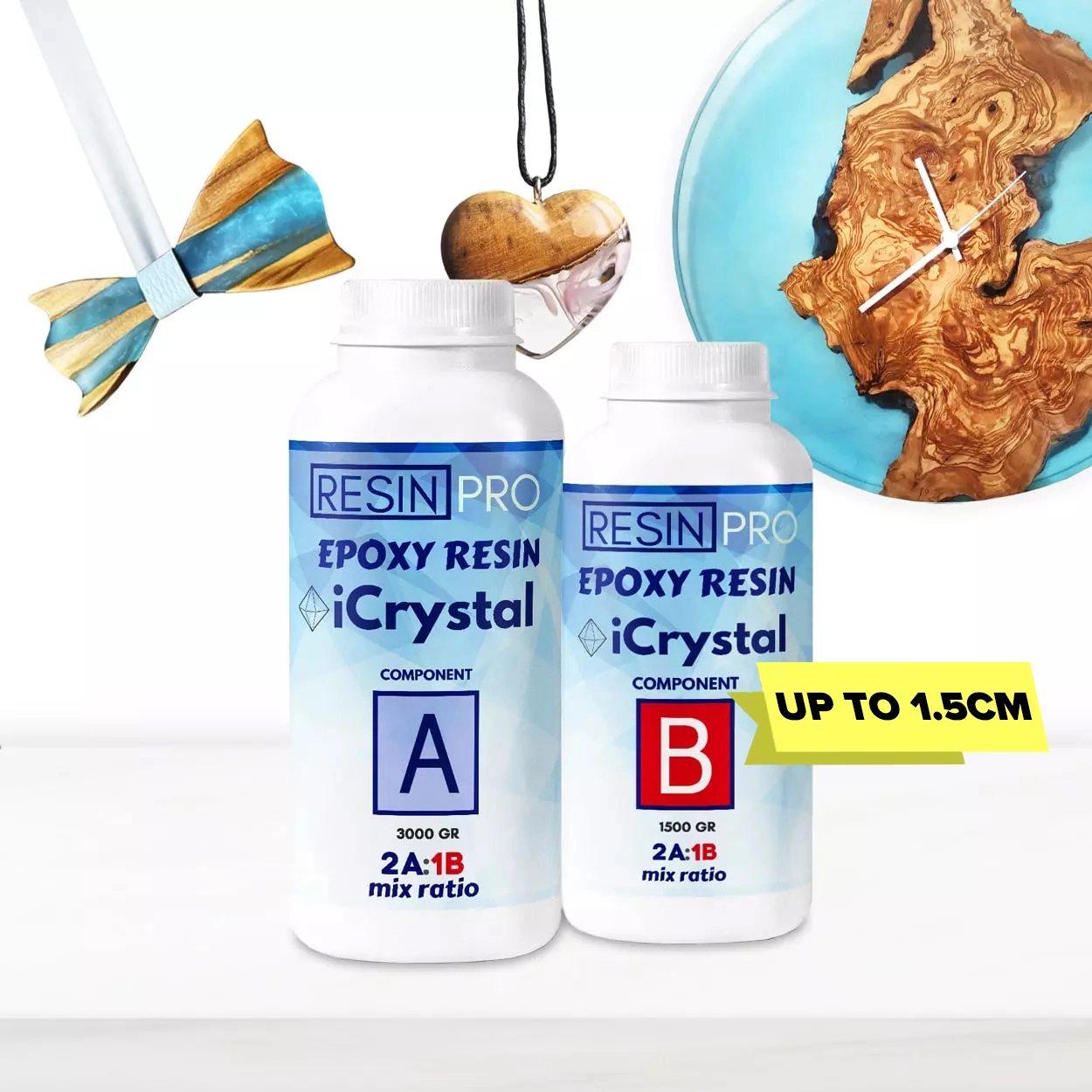 "Icrystal" – Clear Epoxy Resin – Odourless Formula – Up to 1.5cmPrice range: £11.65 through £954.85"Icrystal" clear epoxy resin offers transparency and scratch resistance, designed for crafting decorative panels in this theme.
Frequently Asked Questions
What is the best resin for decorative resin panels?
For most decorative panels, clear epoxy like 'Art Pro' or 'Trasparente' provides durable, transparent results with a glass-like finish.
How do I eliminate bubbles from my resin panel?
Pour slowly, mix gently, and use a heat gun or torch in brief, careful passes to pop surface bubbles.
How thick can I pour each layer of resin?
Check each product's guidance, but most decorative epoxies are designed for 1.5cm to 2cm per pour.
Why did my resin panel cure sticky or soft?
This results from incorrect mixing proportions or incomplete blending. Mix precisely and thoroughly to ensure proper curing.
Can I add colour or pigments to resin panels?
Yes, you can introduce pigments or resin dyes into the mixture for desired colour effects, but mix well for even dispersion.
Will my resin panel resist scratches?
Most decorative resins provide good scratch resistance, but avoid sharp impacts, and consider additional topcoats for high-wear areas.
Are resin panels suitable for tables and furniture?
Yes, provided you use the appropriate resin and layering method for the intended surface thickness and durability.