 Free shipping on orders over £29,85
  Shipping Tracking!


 Google
 Facebook
how to glue two epoxy resin pieces together
Joining two cured epoxy resin pieces can transform your creative projects, repairs, or crafts, providing a lasting, nearly invisible bond. This detailed guide walks you through essential preparation and bonding steps so your epoxy join looks seamless and stays strong—whether you’re a hobbyist or a professional maker.
Get a flawless, strong bond between resin items every time.


What You’ll Need
- “Klebfix” – Two-Component Fast Epoxy Glue 2K, 25g Syringe: A rapid-setting two-part epoxy adhesive ideal for clear, robust bonds between resin objects.
- “FixExpress” – Two-Component Epoxy Glue 500g: A larger quantity option for extensive or repeated bonding tasks, also sets rapidly and ensures a reliable hold.
- Isopropyl alcohol and a lint-free cloth (for cleaning)
- Fine-grit sandpaper (about 400–800 grit)
- Mixing stick or spatula
- Disposable gloves
- Clamps or strong tape for holding pieces during cure

Visual Guide: Bonding Resin Pieces Step-by-Step
Step-by-step visuals can help clarify the subtleties of preparing, gluing and clamping your resin pieces for a successful join. Always ensure everything is prepared before you start mixing your adhesive, as working time is limited. Visual cues for proper sanding and alignment can make the difference between an amateur and professional result.

Clean and Dry Both Resin Surfaces
Start by thoroughly cleaning the areas of both epoxy resin pieces that will be joined. Any dust, oil, or fingerprints can compromise adhesion and lead to a weak bond. Use a lint-free cloth with isopropyl alcohol to gently wipe the surfaces, then let them air dry completely before proceeding. Avoid touching these areas with your fingers afterwards, as even skin oils can interfere with proper bonding.
Lightly Roughen the Bonding Area
Epoxy loves a slightly textured surface. Lightly sand the bonding areas of both resin pieces using fine-grit sandpaper (400–800 grit). Aim for a uniform, frosted appearance—just enough to remove any gloss and give the glue microscopic ‘tooth’ for grip. Smooth, shiny resin can result in a weak joint, so don’t skip this crucial step. After sanding, wipe away all dust with your clean, dry cloth.
Mix and Apply Your Epoxy Adhesive
Prepare your two-part epoxy adhesive according to the instructions. For quick, precise application, the “Klebfix” – Two-Component Fast Epoxy Glue 2K, 25g Syringe is an excellent choice—it features a convenient dual syringe for perfect 1:1 mixing and sets in about five minutes, making it ideal for small to medium joins. Dispense equal amounts of both components, mix thoroughly until the colour is uniform, then spread a thin, even layer onto one of the prepared surfaces.
Join and Clamp the Pieces Securely
Position the two resin pieces together, aligning them carefully for the best fit. Press them together firmly, and use clamps or strong tape to hold them in place while the adhesive sets. Avoid shifting the pieces during this time, as disturbing the join may introduce weak spots or bubbles. The working time is short—just a few minutes—so ensure you have everything ready in advance.

Allow for Full Curing and Final Finish
After the initial set (usually five to ten minutes for fast adhesives like “Klebfix”), be patient and let your pieces cure completely—this may take several hours depending on the product used. Resist the urge to handle or stress the bond too soon. Once fully cured, you can polish the join gently or sand away any glue squeeze-out for a truly seamless finish.
Tips, Troubleshooting and Common Mistakes
Work in a well-ventilated area and always wear gloves to protect your hands from uncured adhesive. Don’t skip the surface preparation step: failure to sand and clean the join will almost always lead to a weaker bond. Use clamps for consistent pressure but don’t overtighten, as this can squeeze out too much adhesive and result in a fragile join. Any excess glue on visible surfaces can be wiped away before it hardens. If alignment shifts during clamping, carefully adjust right away before the adhesive sets.
Take Your Resin Projects to the Next Level
Experiment with tinting your adhesive to match your resin colour for nearly invisible joins. For large-scale work, scale up to bigger pack sizes like “FixExpress” for consistent results. Develop your skills by practicing on offcuts—mastering these joining techniques opens up endless creative possibilities in resin art and repair.

- "Klebfix" – Two-Component Fast Epoxy Glue 2K, 25g Syringe£22.85"Klebfix" Two-Component Fast Epoxy Glue provides strong bonding suitable for demanding repairs involving plastic, glass, metal and wood.
- "FixExpress" – Two-Component Epoxy Glue 500g£25.45"FixExpress" two-component epoxy glue sets in 5 minutes and is suited for bonding various materials with strong adhesion.
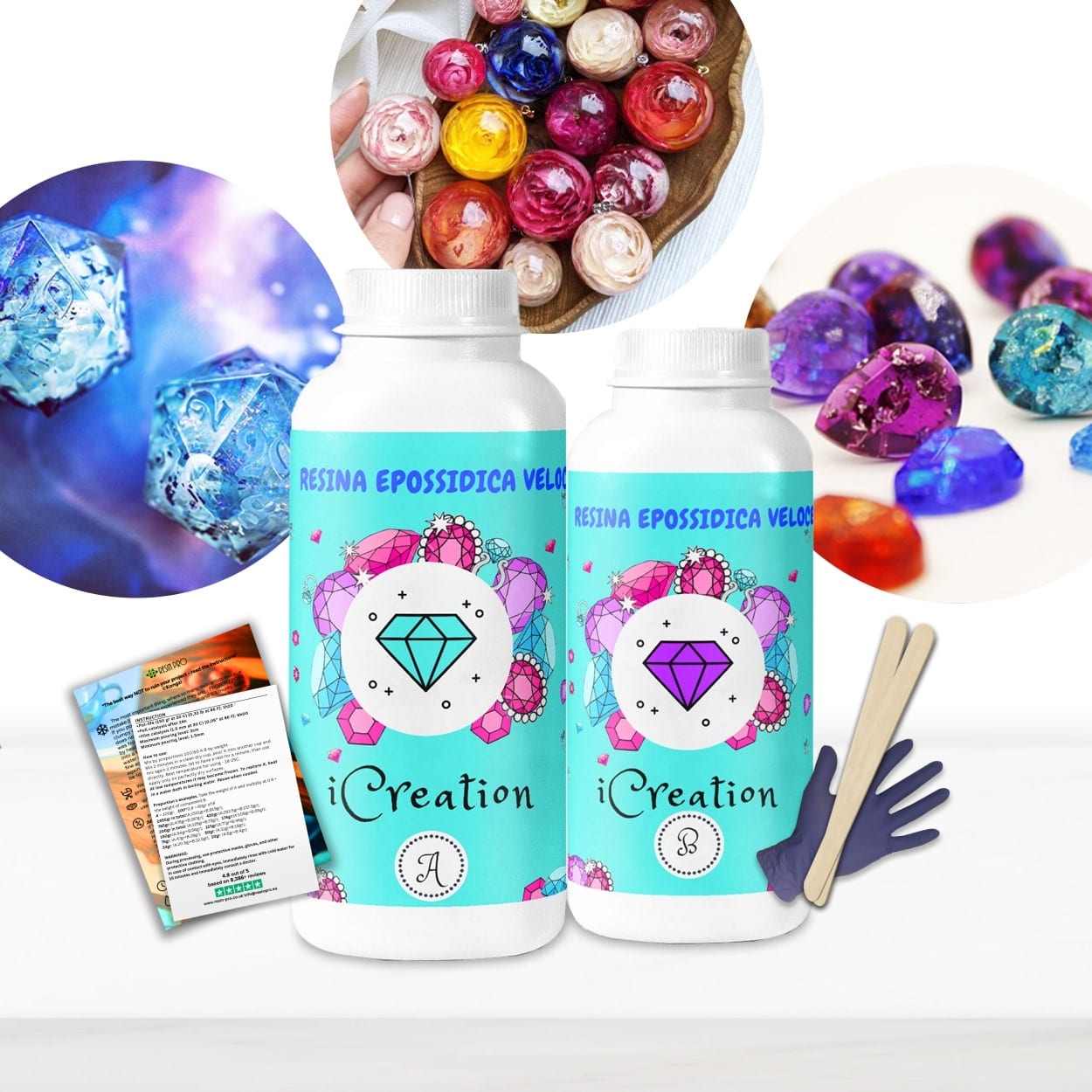
- "ICreation" – Fast Epoxy Resin, 6h Demoulding, Transparent Gloss FinishPrice range: £19.40 through £52.85"ICreation" fast epoxy resin provides a crystal-clear, self-levelling finish suitable for jewellery and decorative crafts with a quick demoulding…
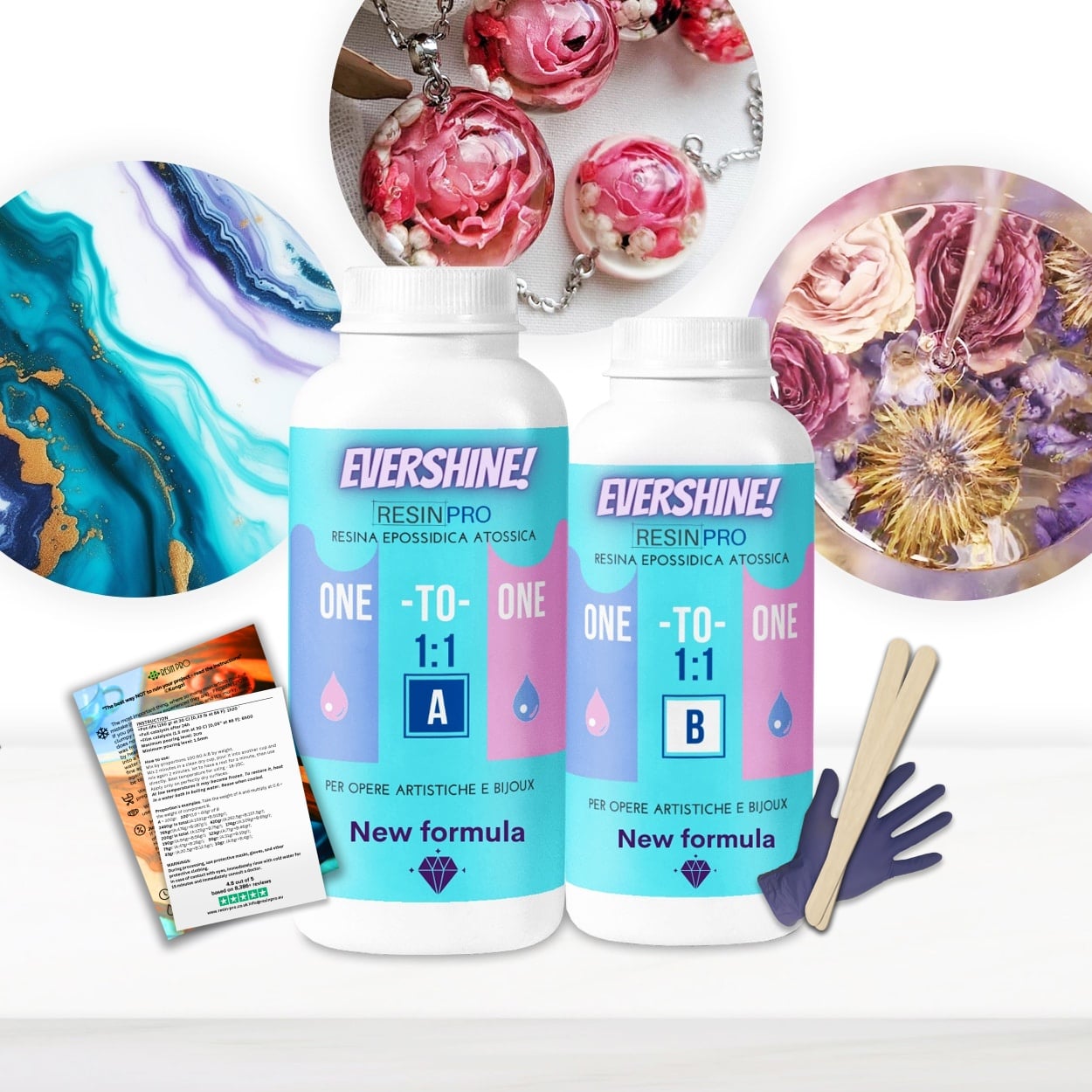 "One-2-One" – Epoxy Resin for Handcraft, 1:1 Mixing RatioPrice range: £14.85 through £56.85"One-2-One" epoxy resin is a medium viscosity product with a 1:1 volume mixing ratio, suitable for clear, durable handcraft applications.
Frequently Asked Questions
How long should I wait before handling joined epoxy resin pieces?
Most two-part epoxy adhesives set within 5–10 minutes, but for maximum strength, allow several hours to cure fully.
Can standard casting or coating resin be used to glue resin pieces together?
Typical casting resins are not formulated as adhesives and may not provide strong, reliable bonds. Use purpose-made epoxy glue for best results.
Is surface sanding essential when gluing resin pieces?
Yes, lightly sanding each join area improves adhesion and is crucial for a long-lasting, secure bond.
How can I make the glue join less visible?
Use a clear epoxy adhesive and apply a thin, even layer. You may also tint the adhesive to match your resin if needed.
What adhesive should I use for joining small resin items?
"Klebfix" is ideal for small, precise joins needing fast setting and clarity.
What’s the best way to remove excess glue from resin surfaces?
Wipe away any excess glue immediately with a clean cloth before it hardens. Hardened excess can be carefully scraped or sanded once cured.