 Free shipping on orders over £29,85
  Shipping Tracking!


 Google
 Facebook
how to make a custom resin helmet at home
A step-by-step process for safely crafting unique resin helmets


Creating your own resin helmet can be a rewarding way to combine creativity and personal protection for cosplay, art, or custom headgear projects. This guide walks you through the essential steps of planning, casting, and finishing a resin helmet at home, emphasising both technique and safety for aspiring makers of all skill levels.
What You’ll Need
- “Climax” Mask with “ABEK” Filters for Resins – Certified Protective Respirator — A certified protective mask intended for use in resin applications to guard against gases, vapours, and dust.
- “Epoxytable 10-Ten” – Deep Pour Epoxy Resin for Tables, Up to 10cm Casting — Epoxy resin formulated for deep pouring projects requiring thicknesses up to 10cm, suitable for tables and artistic castings.
- “EpoxyTable 5-Five” – Deep Pour Epoxy Resin for Tables and Large Projects – Up to 5cm — Epoxy resin suited for deep casting applications up to 5cm thick like tables and large decorative projects.
- Safety Glasses for Resin Work and DIY – Protective Eyewear for Epoxy Projects — Protective eyewear designed for use in epoxy resin work and various DIY activities.
- Helmet mould (silicone or rigid moulds adapted to your requirements)
- Measuring jugs and stirring sticks
- Release agent
- Sandpaper (various grits)
- Respirator, gloves, apron, and workspace protection

Essential Tools and Protective Equipment
Ensure you have appropriate protective gear, such as a certified respirator mask and safety glasses, before beginning any resin project. A well-prepared workspace and reliable casting tools are crucial for accurate and safe helmet creation. Always check that your materials are suitable for deep casting and follow all safety instructions.
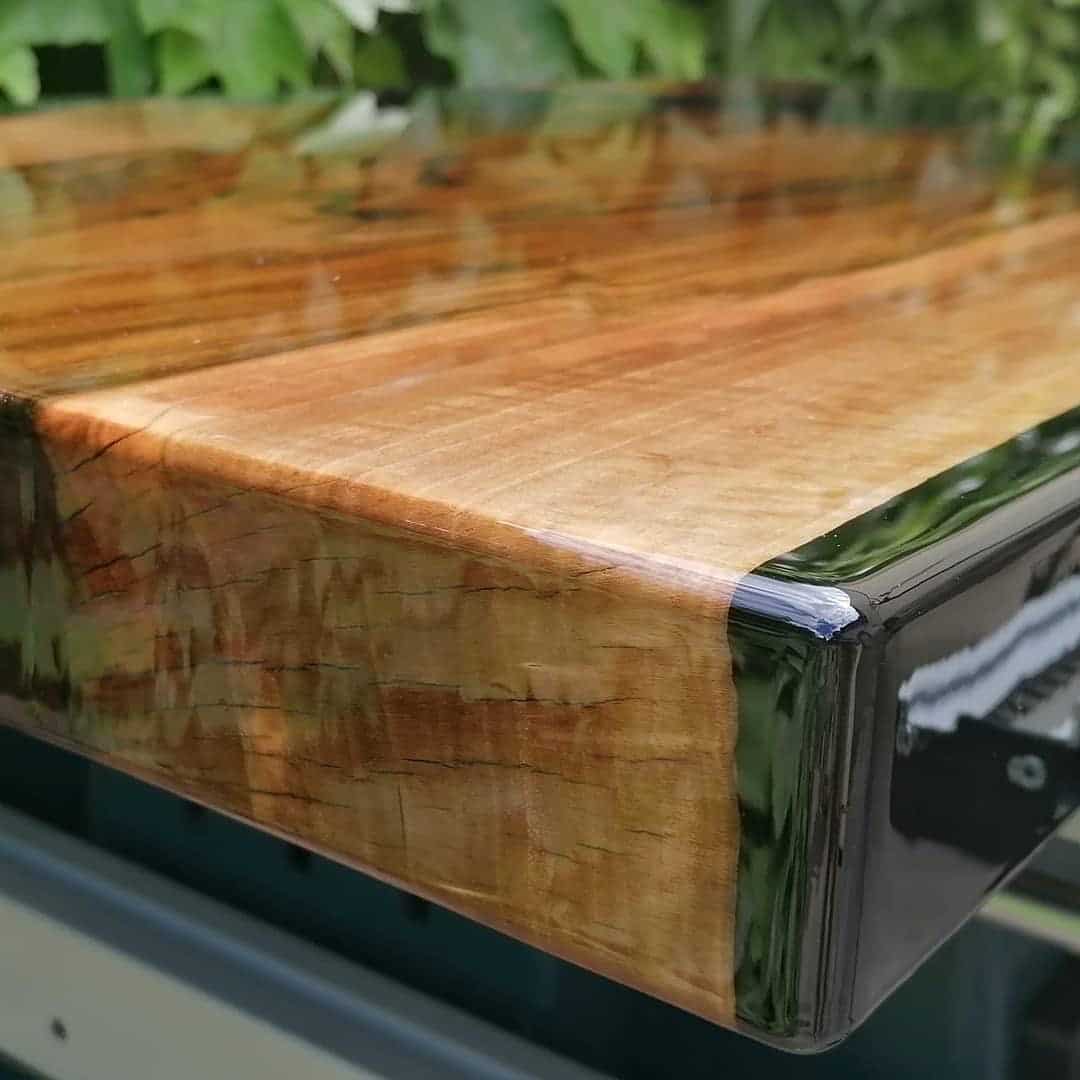
Step 1: Plan and Prepare Your Helmet Project
Accurately plan your helmet design before starting. Select a suitable mould that matches the style and size you want to achieve. Silicone moulds offer flexibility and detail; rigid moulds will require careful release preparation. Choose the right workspace—work in a well-ventilated area, and protect surfaces from spills with plastic sheeting or old newspapers.
Wear appropriate personal protective equipment from the start: gloves, apron, and eye protection.
Ahead of mixing any resin, ensure your mould is thoroughly clean and treated with a release agent. This avoids adhesion issues when demoulding your finished helmet. Outline your design on paper, specifying colour tints, embedded items, or additional artistic touches you’d like to include.
Step 2: Mix and Pour the Resin
Choose the resin best suited for your project thickness: for helmets requiring up to 10cm thickness in a single pour, “Epoxytable 10-Ten” is designed for deep casting without excessive heat build-up or yellowing. For thinner helmets, “EpoxyTable 5-Five” is ideal for pours up to 5cm.
Measure both resin and hardener precisely, following the instructions for your chosen product. Mix thoroughly, scraping the sides and bottom of your container to avoid unmixed portions. Add colour pigments or decorations now if desired.
Pour epoxy resin slowly into the mould in a continuous stream, starting from one point to minimise bubbles. If working with very large pours, consider pouring in layers for even curing and to prevent overheating. Tap the sides of the mould or use a heat gun carefully to encourage trapped air to escape.
Step 3: Allow the Resin Helmet to Cure
After pouring, allow sufficient curing time as directed by the resin manufacturer—typically 24 to 72 hours depending on thickness and ambient temperature. Do not move or disturb the mould during this period. Maintain a consistent room temperature and protect from dust by loosely covering the project.
While the resin is curing, it’s essential to prevent inhalation of any fumes or dust that might be present. Use a “Climax” Mask with “ABEK” Filters for Resins – Certified Protective Respirator for added safety, especially if you need to check on your work or adjust the environment.

Step 4: Demould, Sand, and Finish Your Helmet
Once the helmet is completely cured, cautiously remove it from the mould. Take care around any undercuts or fine details. Inspect your piece for sharp edges or surface imperfections.
Using fine-grit sandpaper and Safety Glasses for Resin Work and DIY – Protective Eyewear for Epoxy Projects, use gentle sanding motions to smooth any irregularities, working in stages from coarser to finer grits. If desired, polish the helmet using a suitable resin polish to enhance shine and clarity.
Clean off any remaining residue, and test attachments or internal foam padding for comfort.

Step 5: Inspect and Personalise Your Helmet
Before attempting to wear your resin helmet, test the fit and comfort to ensure safe usage. Now is the time to add any final artistic touches, such as paint detailing, adhesive accents, or embedded decorations. Consider customising with straps or liners for additional comfort and security.
Conduct a thorough safety review, verifying that there are no loose, sharp, or weak areas. Remember that resin helmets created at home are intended for decorative or light cosplay use, rather than for certified safety protection in high-risk activities.
Tips and Troubleshooting for Resin Helmet Making
For best results, always mix resins slowly and avoid overmixing to reduce bubbles. Allow each layer to partially cure if building up thickness to prevent heat build-up. If surface imperfections arise, additional sanding or a layer of clear resin may be applied. Do not rush any step, as hasty work often leads to flaws or safety oversights. Examine your finished helmet for any soft spots; these may indicate unmixed resin or inadequate curing and require careful reworking or a new attempt with stricter adherence to guidelines.
Safety should remain your highest priority: use appropriate personal protective equipment throughout the process, and keep all chemicals and tools out of reach of children and pets.
Creative Finishing Touches
Enhance your resin helmet with artistic detailing such as paint, metallic highlights, or embedded objects. Use gentle polishing techniques to achieve a glass-like sheen. Personalisation not only showcases your creativity but also makes each helmet unique to your own style and purpose.

- "Climax" Mask with "ABEK" Filters for Resins – Certified Protective RespiratorOriginal price was: £39.85.£29.85Current price is: £29.85.The "Climax" Mask with ABEK filters offers protection against organic and inorganic gases, designed for safety during resin work.
- “Epoxytable 10-Ten” – Deep Pour Epoxy Resin for Tables, Up to 10cm CastingPrice range: £33.85 through £334.85“Epoxytable 10-Ten” is designed for deep pouring up to 10cm with low exotherm and strong UV protection to avoid yellowing.
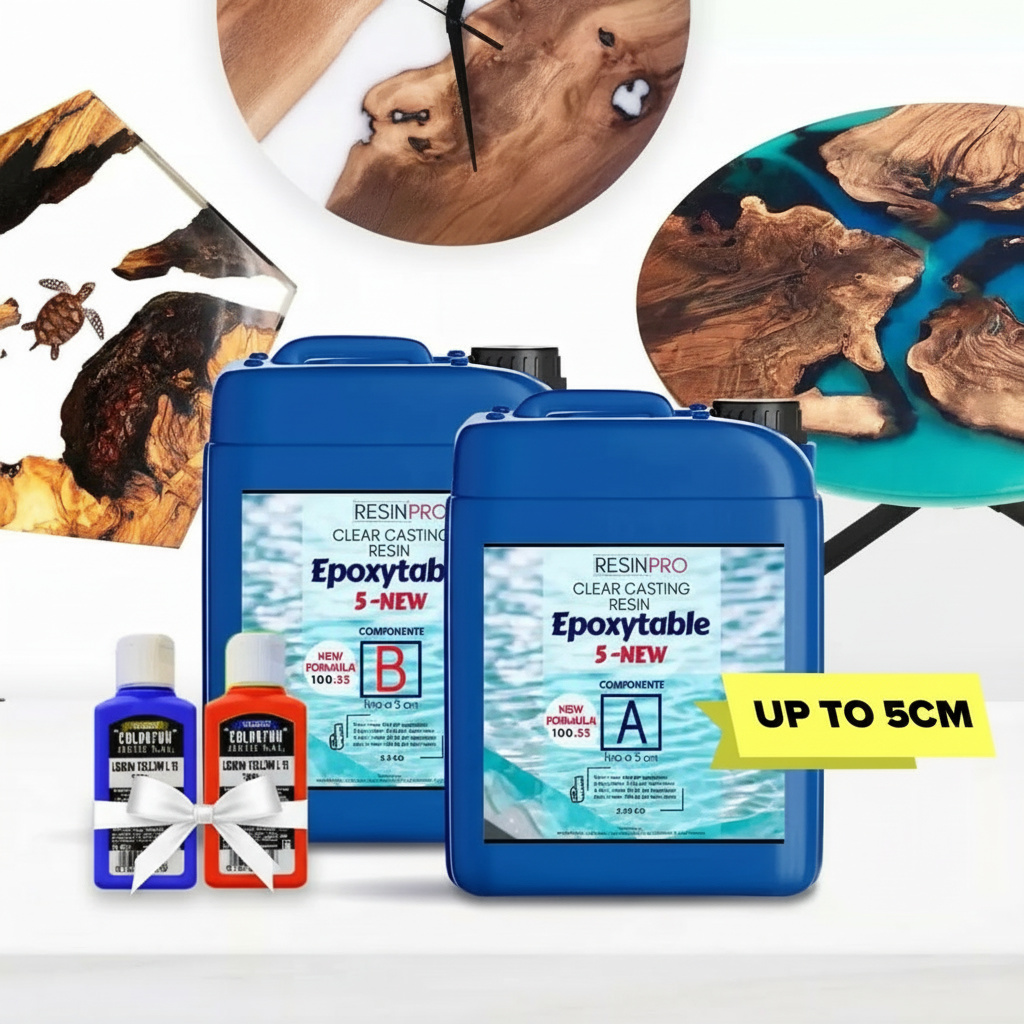 "EpoxyTable 5-Five" – Deep Pour Epoxy Resin for Tables and Large Projects – Up to 5cmPrice range: £16.85 through £1,099.85"EpoxyTable 5-Five" is designed for deep pouring projects up to 5cm thickness, providing low exothermic reaction and strong UV resistance.
 Safety Glasses for Resin Work and DIY – Protective Eyewear for Epoxy Projects£4.85Safety glasses designed for comfort and clear vision during epoxy resin projects and various DIY tasks.
Frequently Asked Questions
Can I use a thin-coat resin instead of deep pour epoxy for a helmet?
Deep pour epoxies are recommended for thick helmet moulds to ensure even curing and strength. Thin-coat resins may not perform well in thicker applications.
How do I prevent bubbles during helmet casting?
Mix slowly, pour in a steady stream, and use a heat gun or tap the mould to release trapped air. Always follow the resin's instructions.
What safety equipment is required when making a resin helmet at home?
Wear a certified protective mask, gloves, and safety glasses to protect against fumes, dust, and splashes throughout your project.
Is a custom resin helmet safe for sports or motorcycling?
Home-made resin helmets are best suited for cosplay or display; they are not certified for use in sports or as safety gear.
How long should I let my resin helmet cure before removing it from the mould?
Most deep pour epoxies require at least 24–72 hours to fully cure, depending on thickness and environment. Consult product directions for specifics.
What can I do if parts of my resin helmet are still soft after curing?
Soft spots usually indicate improper mixing or insufficient curing. Carefully remove and re-cast, ensuring correct measurements and mixing techniques.