 Free shipping on orders over £29,85
  Shipping Tracking!


 Google
 Facebook
How to make a pendant with epoxy resin?
Step-by-step guide to crafting unique resin jewellery


Epoxy resin pendants offer an eye-catching way to create personalised jewellery with shimmering clarity and endless creative options. Whether you are a beginner or an experienced crafter, making your own pendant allows you to embed flowers, use pigments, or simply enjoy a glass-like finish. This step-by-step guide will show you how to make a unique pendant using epoxy resin and open bezels, so you can craft a keepsake that reflects your style.
What You’ll Need
- “Evershine Collection” – Artisan Jewellery Epoxy Resin Kit with 100+ Accessories – perfect for beginners and packed with useful tools
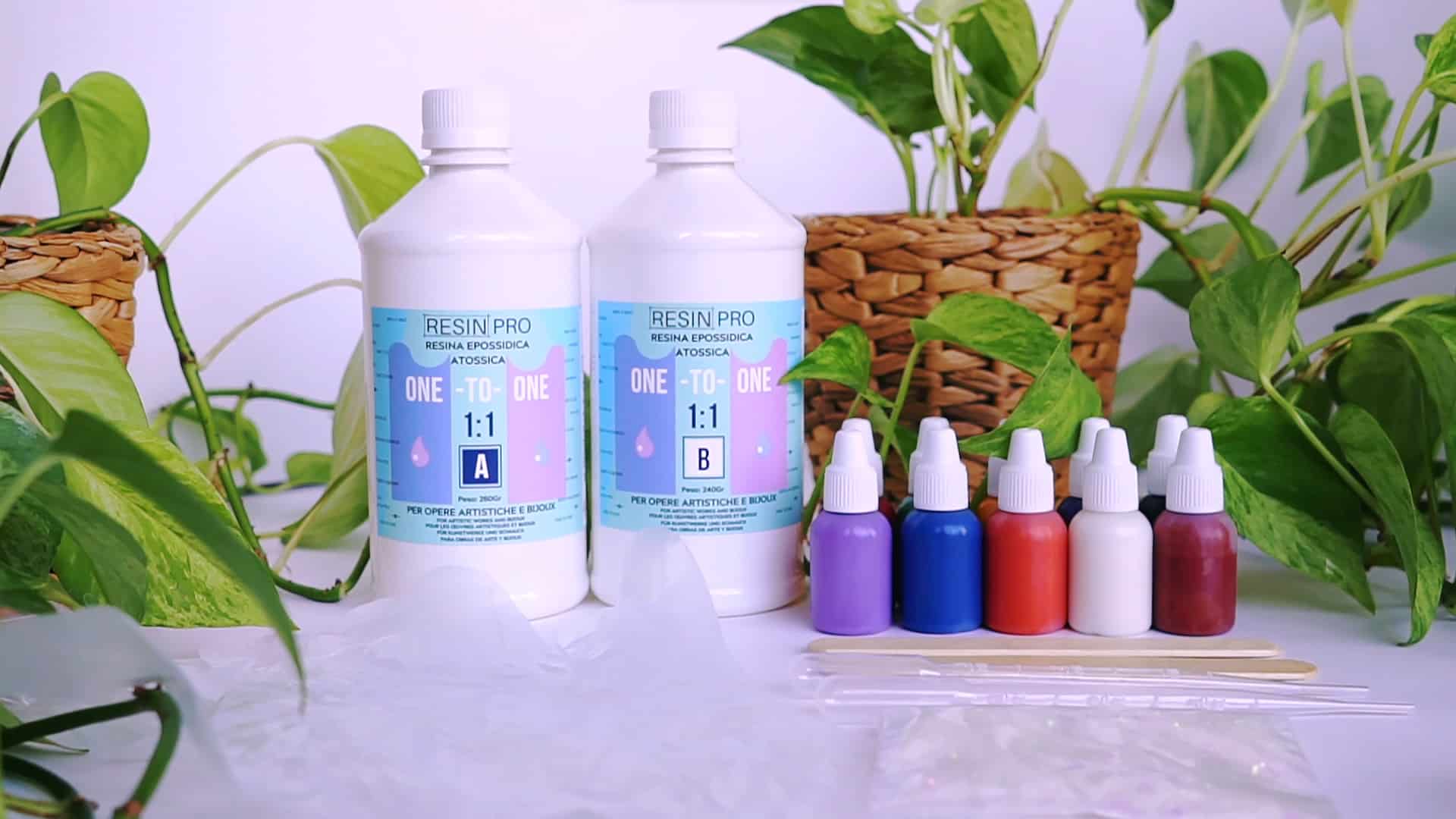
- “One-2-One” – Epoxy Resin for Handcraft, 1:1 Mixing Ratio – easy-to-use, crystal clear resin for stunning results
- Set of 10 Open Metal Bezels for Jewellery Making and UV Resin Projects – ideal for shaping and holding your pendant design
- “Icrystal” – Clear Epoxy Resin – Odourless Formula – Up to 1.5cm – for projects requiring higher clarity and odourless application
- Disposable gloves and mixing cups
- Spoon or mixing stick
- Heat gun or lighter (optional, for bubble removal)
- Optional: pigments, glitter or dried flowers for decoration

Creative Inspiration for Resin Jewellery
Discover the possibilities with resin jewellery—incorporate dried flowers, coloured pigments, or shimmering glitter to personalise each pendant. Experimenting with different shapes and inclusions allows you to create standout pieces that express your individuality. Don’t be afraid to mix techniques for truly bespoke results.
Step 1: Prepare Your Workspace and Materials
Start by covering your workspace with a protective sheet and gathering all your materials before mixing any resin. Wear disposable gloves and work in a ventilated space to ensure safety. Place your chosen bezel on a level surface to prevent any resin spills. Make sure all your decorative elements, such as dried flowers or pigments, are ready to use, as the resin’s working time is limited.
Step 2: Mix the Epoxy Resin
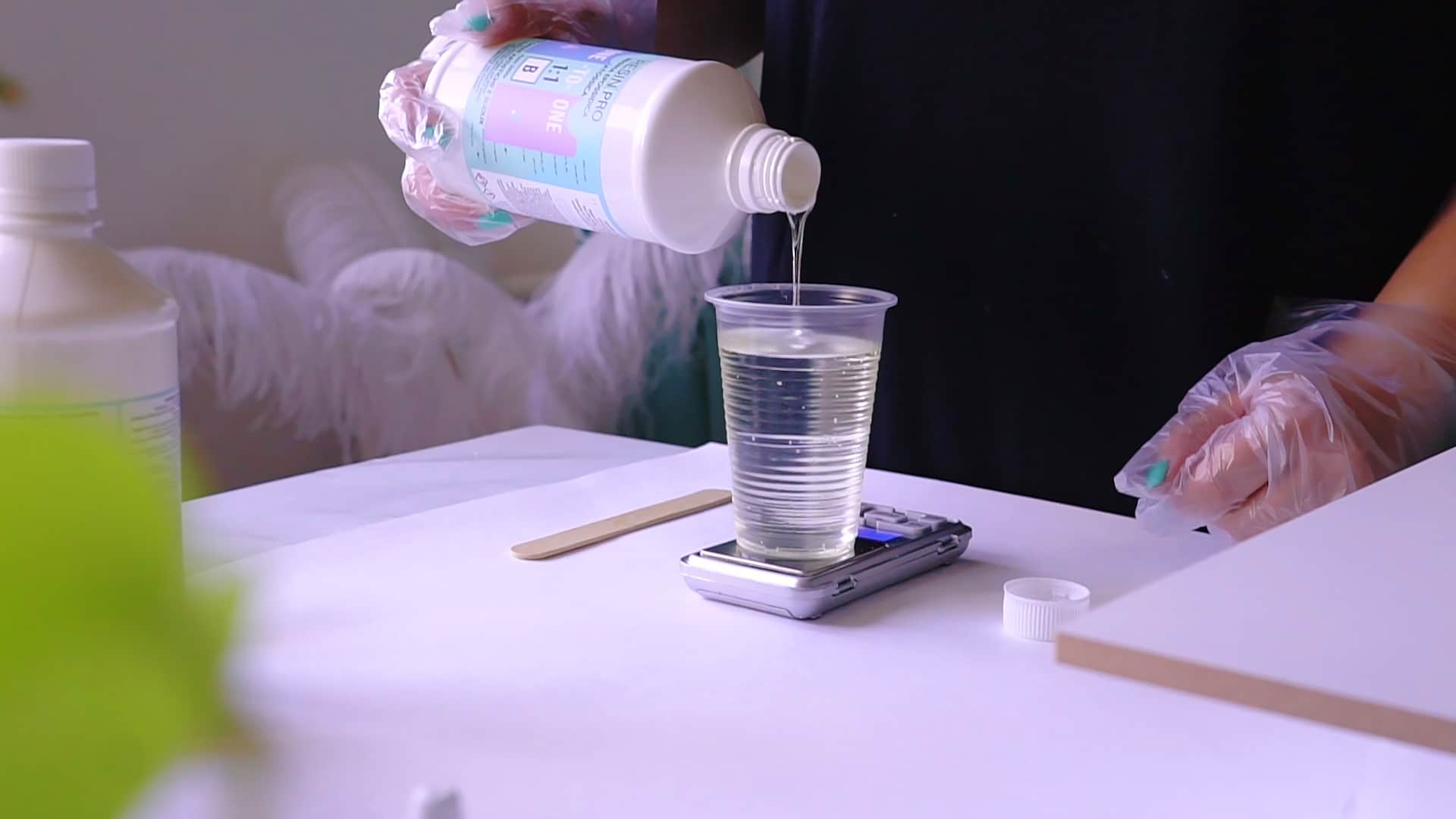
Read the manufacturer’s instructions on your product before starting. For beginners, the “One-2-One” – Epoxy Resin for Handcraft, 1:1 Mixing Ratio provides hassle-free mixing. Measure equal parts of resin and hardener by volume and pour into a clean mixing cup. Stir slowly for 2–3 minutes, ensuring you scrape the sides and base, until the blend becomes transparent with no streaks. Mix precisely for a flawless cure and to avoid sticky or soft spots in your finished pendant.
Step 3: Pour and Decorate Your Pendant
Slowly pour the mixed resin into the metal bezel, filling to your preferred thickness (up to the limits specified by your resin). If using an option such as the Set of 10 Open Metal Bezels for Jewellery Making and UV Resin Projects, ensure the resin is level and contained within the shape. Gently add pigments, glitter, or dried flowers onto the surface. Pour slowly to reduce bubbles; if bubbles form, pass a heat gun or lighter briefly above the surface to pop them.
Step 4: Cure and Finish the Pendant
Cover your pendant mould to protect it from dust and let it cure undisturbed. Curing times depend on the resin used; for example, “Icrystal” – Clear Epoxy Resin – Odourless Formula – Up to 1.5cm provides a transparent, scratch-resistant finish and usually cures fully in 24–48 hours. Once cured, carefully demould the pendant and gently sand any sharp edges if needed. Attach a chain or finding to complete your jewellery. Allow full curing for durability and glossy clarity.
Tips and Common Mistakes
To achieve the best results, always measure resin and hardener carefully and mix thoroughly to avoid sticky regions. Avoid rushing—most mistakes happen by unmixed resin or moving the bezel before fully cured. If using decorative additions, ensure they are completely dry to prevent cloudiness. When in doubt, test a small batch first before committing to larger pieces.
Safety and Crafting Confidence
Always use gloves and ventilate your workspace when working with epoxy resin. Patience pays off: giving your resin pendant ample time to cure ensures both safety and beauty in your finished piece. If unsure, consult full instructions provided in your resin kit and start with simple designs to build experience.
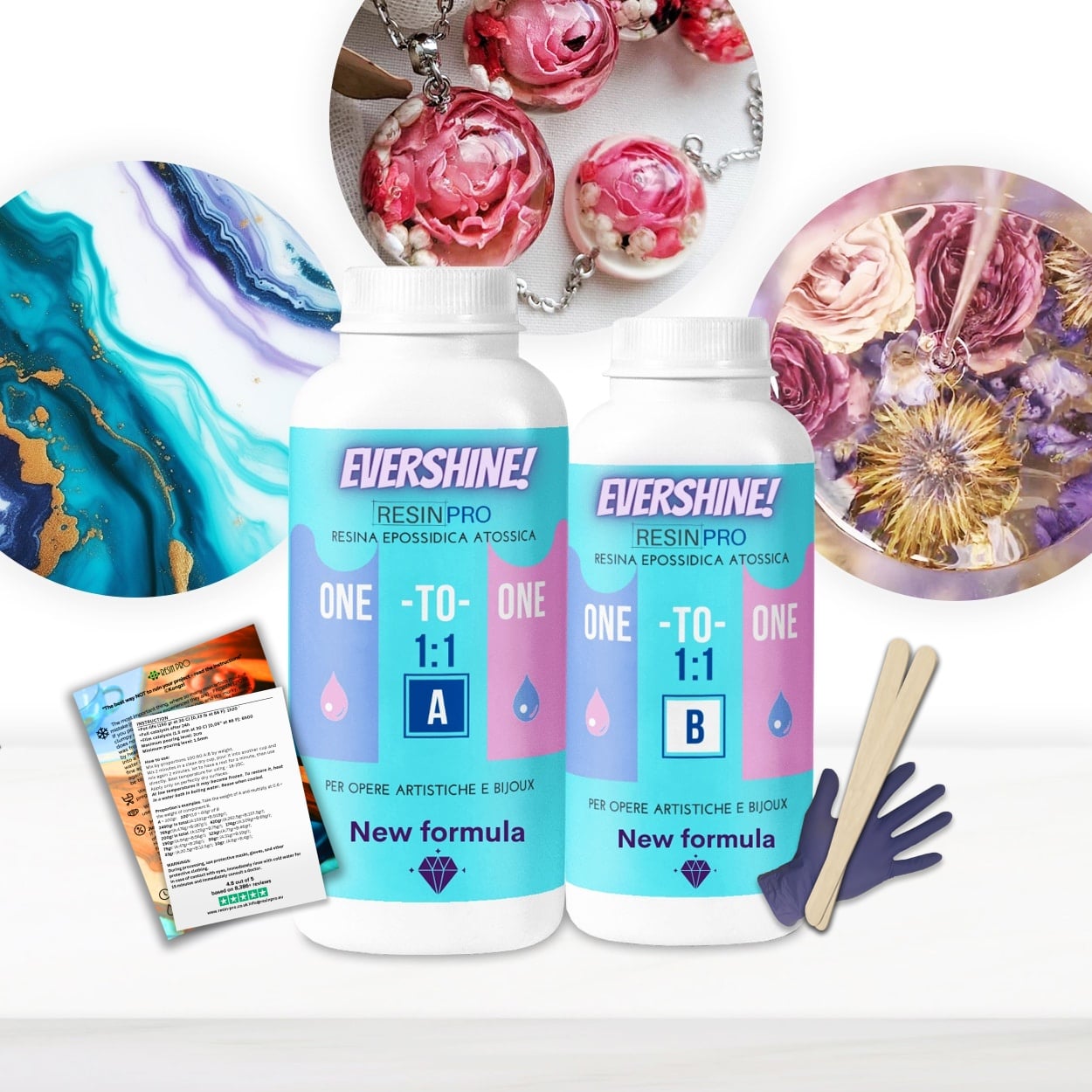
- "Evershine Collection" – Artisan Jewellery Epoxy Resin Kit with 100+ Accessories£20.85The Evershine Collection kit includes 500g of clear epoxy resin and 100+ accessories designed for making jewellery and craft pieces.
- "One-2-One" – Epoxy Resin for Handcraft, 1:1 Mixing RatioPrice range: £14.85 through £56.85"One-2-One" epoxy resin offers a medium viscosity and 1:1 volume mixing ratio suitable for beginners making pendants and small decorative items.
 Set of 10 Open Metal Bezels for Jewellery Making and UV Resin ProjectsOriginal price was: £8.45.£6.85Current price is: £6.85.Set of 10 open metal bezels designed for Christmas jewellery making and suitable for UV resin projects.
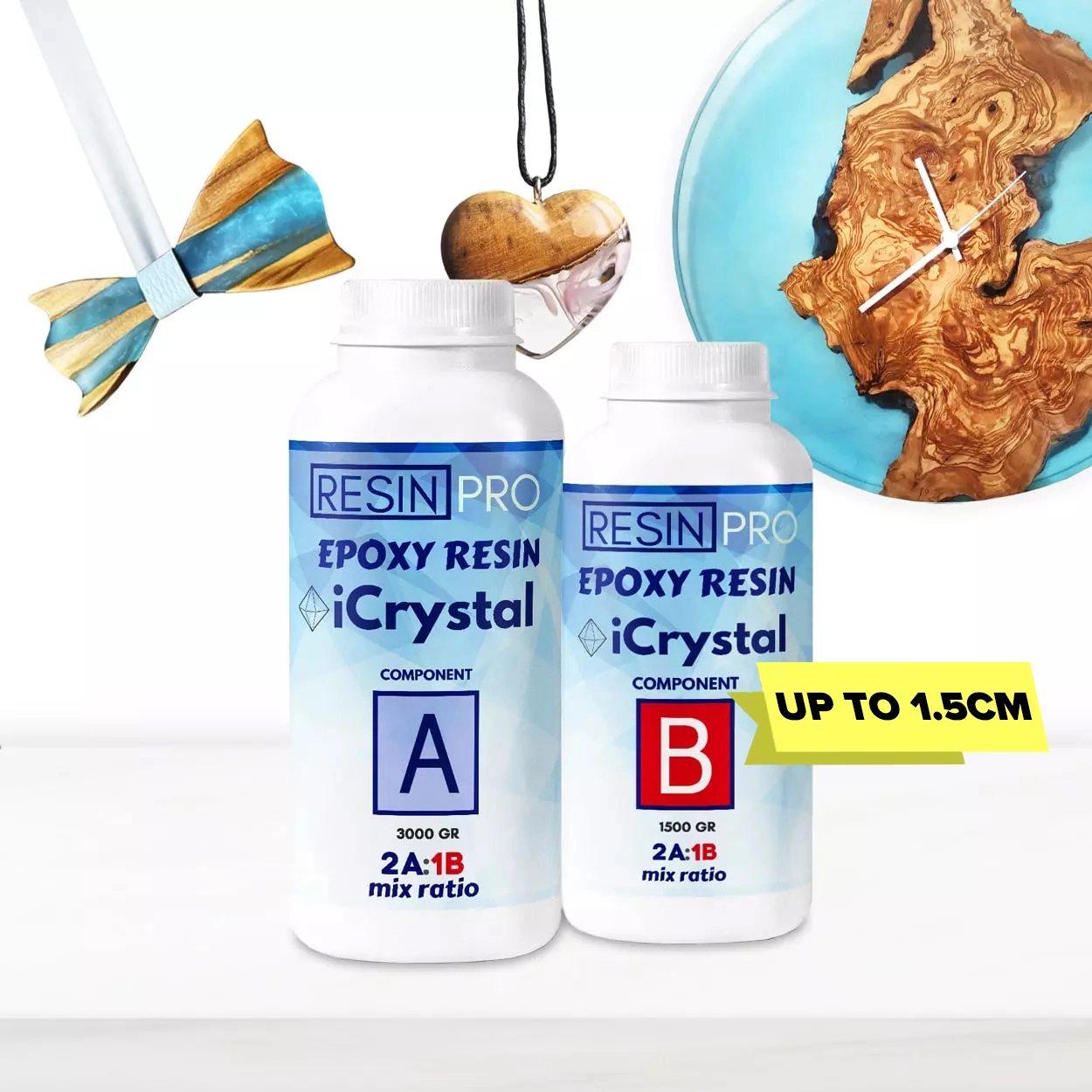 "Icrystal" – Clear Epoxy Resin – Odourless Formula – Up to 1.5cmPrice range: £11.65 through £954.85"Icrystal" clear epoxy resin offers good quality with odourless formula and easy use, suitable for pendant making with epoxy resin.
Frequently Asked Questions
Can I make epoxy resin pendants without moulds?
Yes, open metal bezels let you craft resin pendants without a traditional mould—simply pour resin into the bezel.
How long does it take epoxy resin to cure for pendants?
Curing time varies by resin type, but most formulas cure fully within 24–48 hours for jewellery applications.
How do I stop bubbles forming in my pendant?
Pour resin slowly, stir gently, and use a heat gun or lighter briefly over the surface to remove bubbles as needed.
Can I add flowers or other inclusions in epoxy pendants?
Yes, as long as they are fully dry; moist items may cause cloudiness or prevent proper curing.
Is epoxy resin safe for skin contact in jewellery?
Once fully cured, epoxy resin pendants are non-toxic and suitable for wearing, but uncured resin should not touch skin.
Can I use any epoxy resin for making pendants?
Use clear, jewellery-grade resins designed for small castings to ensure optimal appearance and safety.