 Free shipping on orders over £29,85
  Shipping Tracking!


 Google
 Facebook
How to make a resin components necklace
Creating a resin components necklace allows you to express your creativity and make truly personalised jewellery. This guide will take you through all the key steps, from preparing your workspace to assembling your finished necklace. Whether you are new to resin or looking to refine your technique, you’ll find practical advice to achieve beautiful, professional results.
Step-by-step guide to beautiful personalised resin jewellery.


What You’ll Need
- “Evershine Collection” – Artisan Jewellery Epoxy Resin Kit with 100+ Accessories: Includes resin, moulds, pigments, findings, tools, and instructions to start jewellery-making projects.
- “UV–Creation” – Fast Acrylic Resin, 3 Minute UV Cure: Ideal for small components and rapid curing under a UV lamp.
- “One-2-One” – Epoxy Resin for Handcraft, 1:1 Mixing Ratio: Suitable for larger or layered components needing clarity and strength.
- “ICreation” – Fast Epoxy Resin, 6h Demoulding, Transparent Gloss Finish: Good for faster turnaround on crystal-clear jewellery parts.
- Silicone moulds (shapes or alphabet as desired)
- Gloves, mixing cups, stirring sticks
- Pigments, dried flowers, or other inclusions (optional)
- Small drill for making holes (included in some kits)
- Jewellery findings (chains, clasps, jump rings)
- UV curing lamp (for UV resin only)

Choosing the Best Resin for Your Project
For statement necklace components that require high clarity and ease of use, epoxy kits such as the Evershine Collection offer balanced results for beginners and advanced users alike. When speed is a priority, UV–Creation resin allows for instant curing under a lamp, making it suitable for detailed or multi-step designs. Both types ensure a glossy, professional finish when used as directed.
Step 1: Prepare Your Workspace and Safety
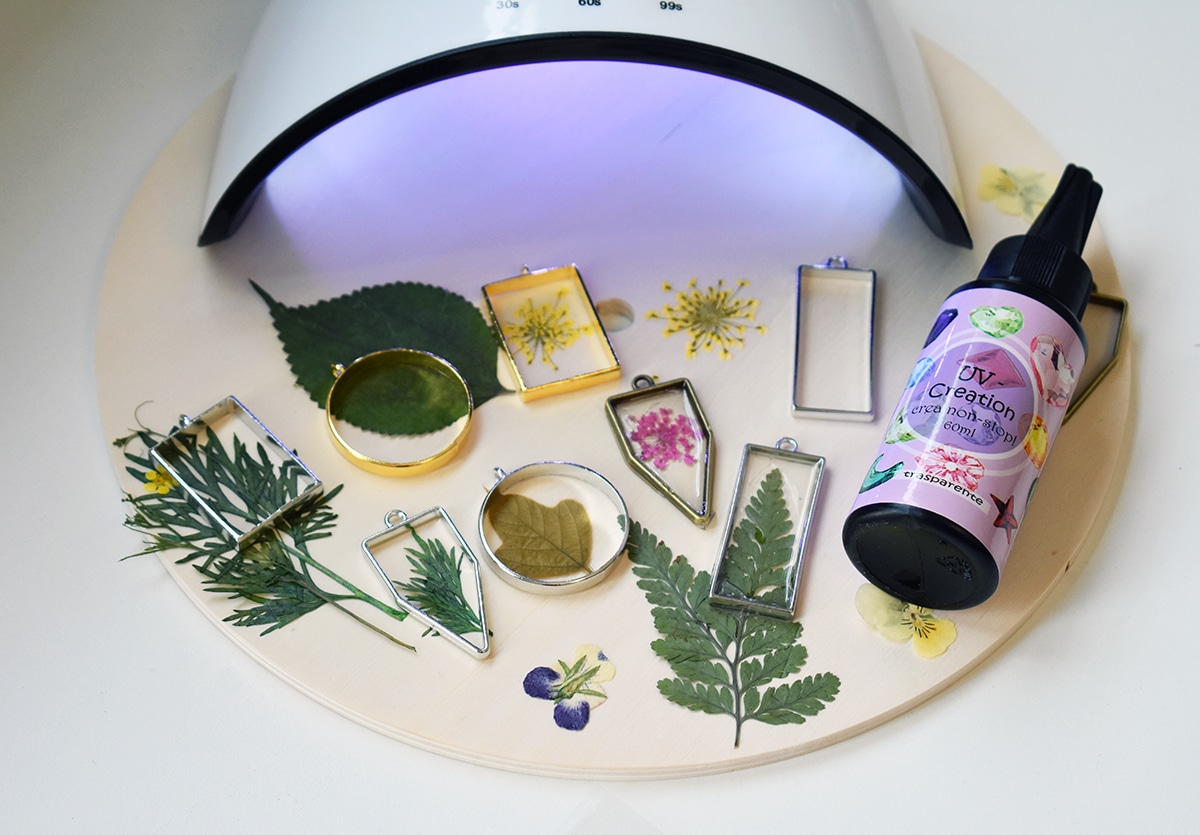
Before you start mixing or pouring resin, set up your workspace on a flat, dust-free surface protected with plastic or cardboard. Gather all your supplies so everything is to hand. Have paper towels or wipes nearby in case of spills.
Always work in a well-ventilated space and wear gloves. If using pigment or dried flowers, lay them out on a clean tray for easy access. Read the instructions for your chosen resin carefully to familiarise yourself with the mixing method and recommended cure times.
Step 2: Mix and Pour the Resin
Select the resin suited to your project’s needs. For straightforward, error-free mixing and a comprehensive toolset, the “Evershine Collection” – Artisan Jewellery Epoxy Resin Kit with 100+ Accessories is a great starting point. When working with epoxy, accurately measure the two components by volume (or weight if specified), and stir thoroughly for at least three minutes to a uniform mix. Avoid mixing too quickly to reduce bubble formation.
If you are keen on rapid results with small, detailed pieces, “UV–Creation” – Fast Acrylic Resin, 3 Minute UV Cure can be applied directly into the mould and cured with a UV lamp. For larger, layered, or thicker elements, use “One-2-One” or “ICreation” epoxy resins—always check the manufacturer’s guidance on maximum pour thickness and curing times.
Carefully pour your mixed resin into the silicone moulds. If using inclusions such as pigment, flowers, or glitter, add them to the mould or the resin as desired, ensuring they are fully submerged.
Step 3: Remove Bubbles and Cure
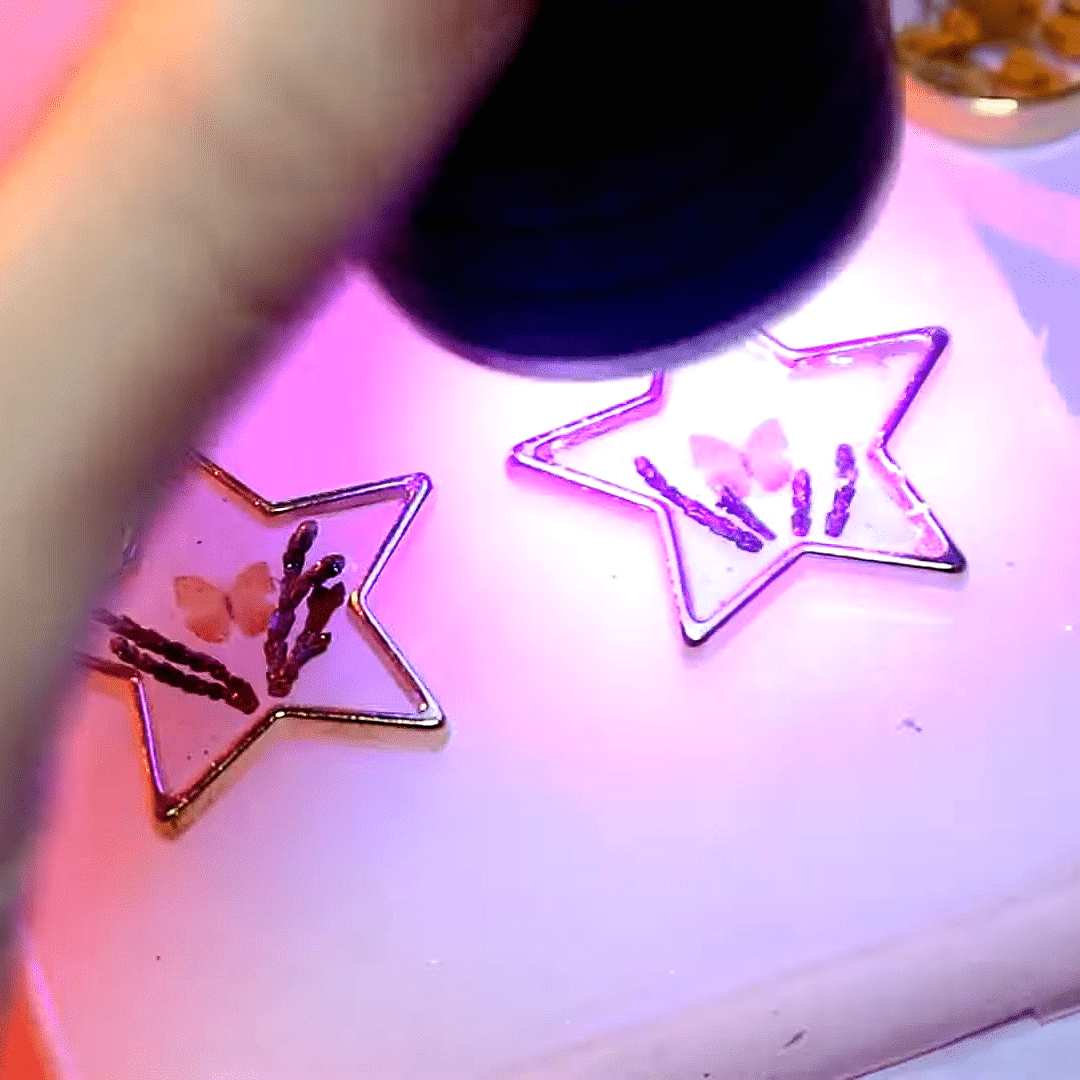
Once poured, allow bubbles to rise to the surface. You can gently blow on the surface through a straw or use a heat tool briefly to help bubbles escape. For UV resin, use the lamp immediately to start curing, following the product’s recommended timing—usually around three minutes for each layer. For epoxy resins, cover the moulds to protect from dust and let them cure undisturbed as directed, noting that some rapid-cure options like “ICreation” – Fast Epoxy Resin, 6h Demoulding, Transparent Gloss Finish can be demoulded within 6 hours for faster progress.
Securely demould your pieces only after full curing. Premature removal may cause bending or fingerprints.
Step 4: Finish and Assemble the Necklace
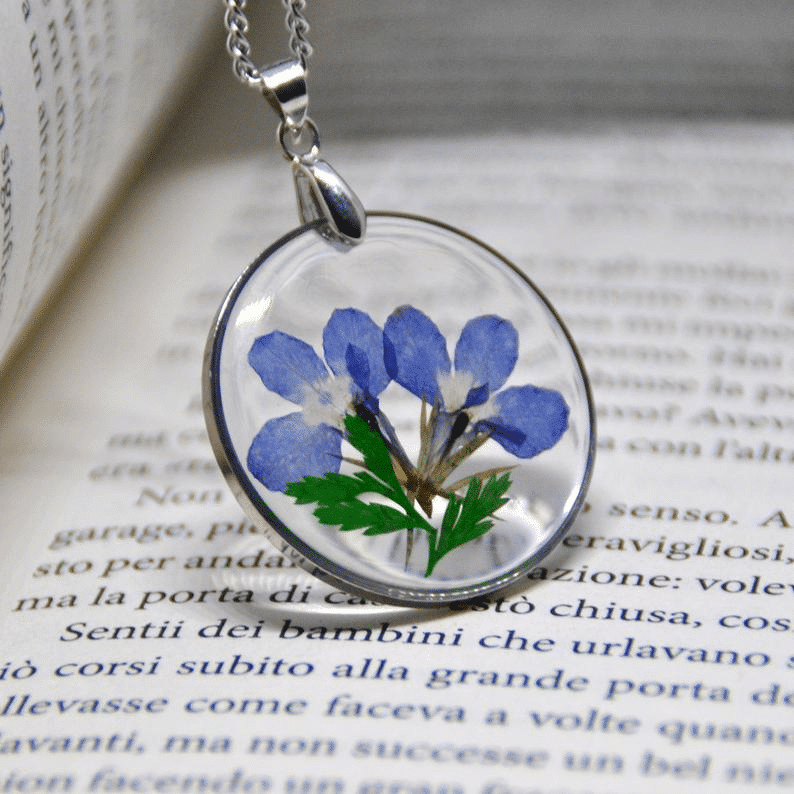
Carefully demould the fully cured resin pieces. If your design calls for openings to attach jump rings or chains, use the provided drill (found in the “Evershine Collection” kit, for example) to make neat holes. Lightly sand any rough edges with fine abrasive paper if necessary for a smooth finish.
Arrange your components in your desired necklace design. Use jump rings to connect pieces and attach the chain and clasp to complete the assembly. Handle unfinished resin components by the edges to avoid fingerprints. Before wearing, make sure all connections are secure and components are free of tackiness or residue.
Tips, Common Mistakes and Troubleshooting
Begin with small, simple moulds to build confidence and technique. Always measure your resin components precisely, as incorrect ratios can result in sticky or brittle finishes. Watch out for air bubbles and cure times—patience is key for crystal-clear results. If in doubt, refer back to your resin kit’s instruction manual and ensure the working area stays clean and dust-free for the best finish.
If your pieces remain tacky, allow additional curing time or check your mixing accuracy. For detailed inclusions, add them in layers to prevent shifting or floating.
Styling and Personalising Your Necklace
Customise your resin necklace by experimenting with different mould shapes, pigment colours, and inclusions such as dried flowers or metallic flakes. For a truly personal touch, use alphabet moulds for initials or words. Layout your arrangement before assembly to preview the finished look and balance the design’s colours and textures.
- "Evershine Collection" – Artisan Jewellery Epoxy Resin Kit with 100+ Accessories£20.85"Evershine Collection" provides a complete resin jewellery kit with clear epoxy and numerous accessories, designed for creative projects in this…
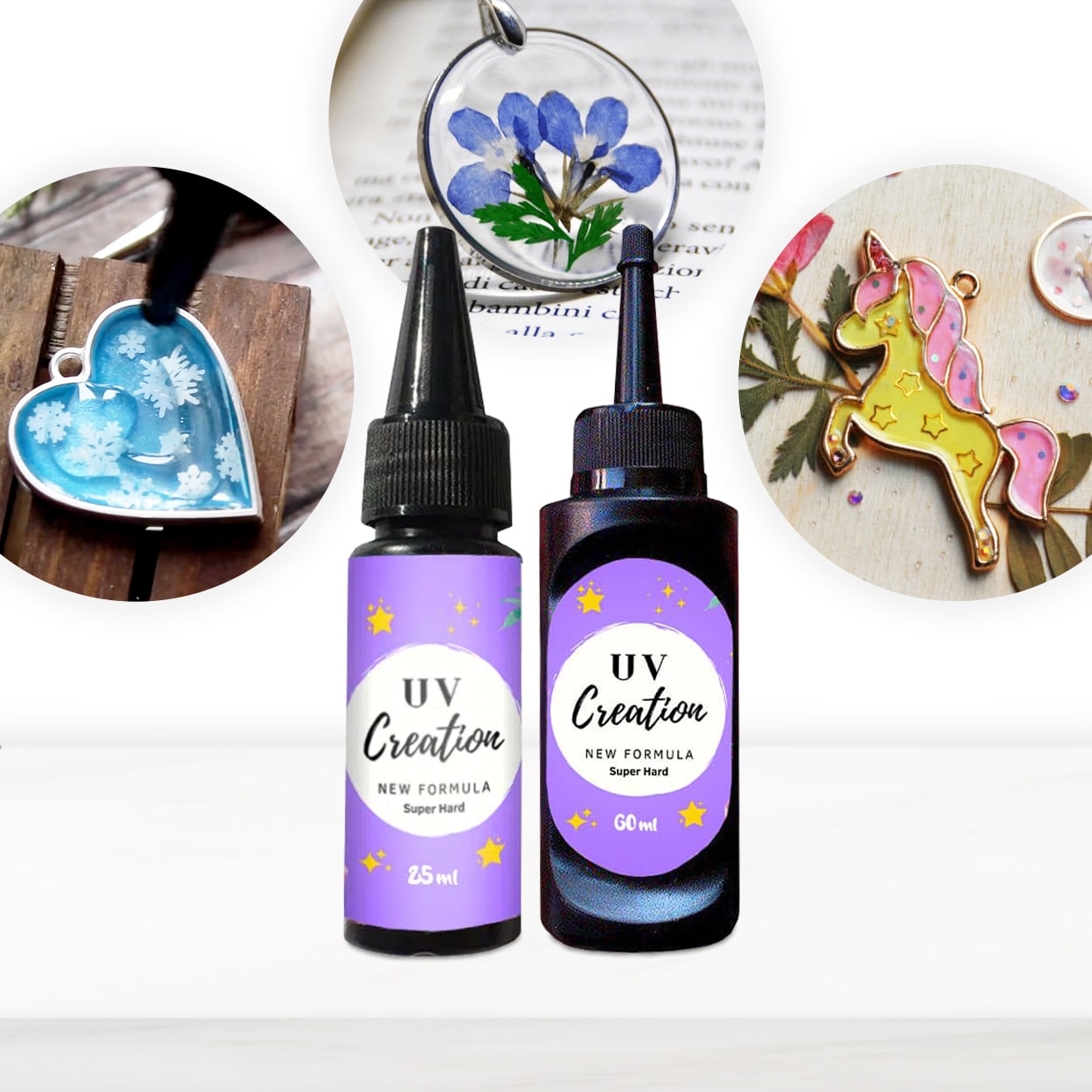
- "UV–Creation" – Fast Acrylic Resin, 3 Minute UV CurePrice range: £7.85 through £59.85UV–Creation fast acrylic resin cures quickly under UV light, suitable for jewellery making with a clear, non-yellowing finish.
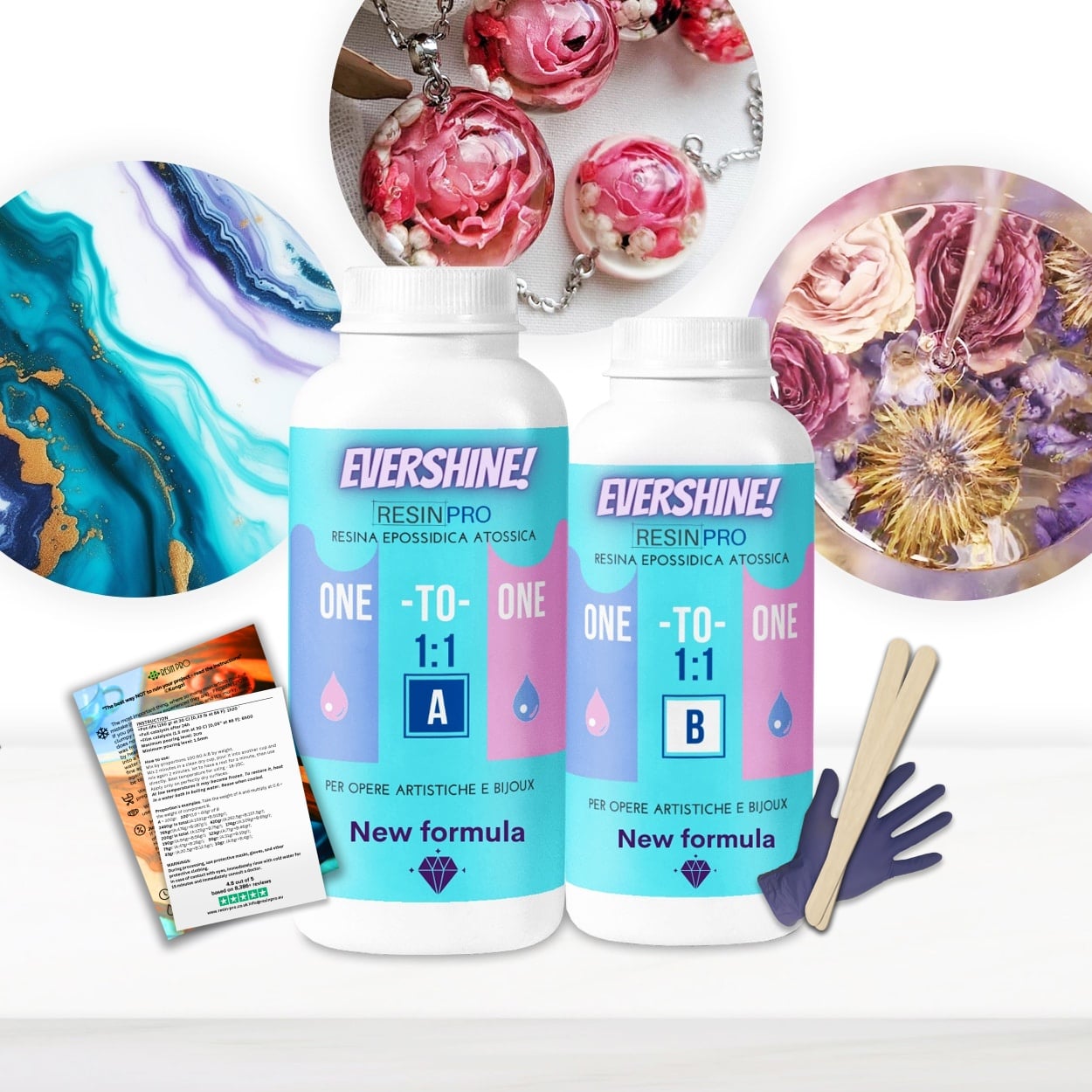 "One-2-One" – Epoxy Resin for Handcraft, 1:1 Mixing RatioPrice range: £14.85 through £56.85"One-2-One" epoxy resin is medium viscosity and suitable for crafting jewellery with an easy 1:1 mixing ratio.
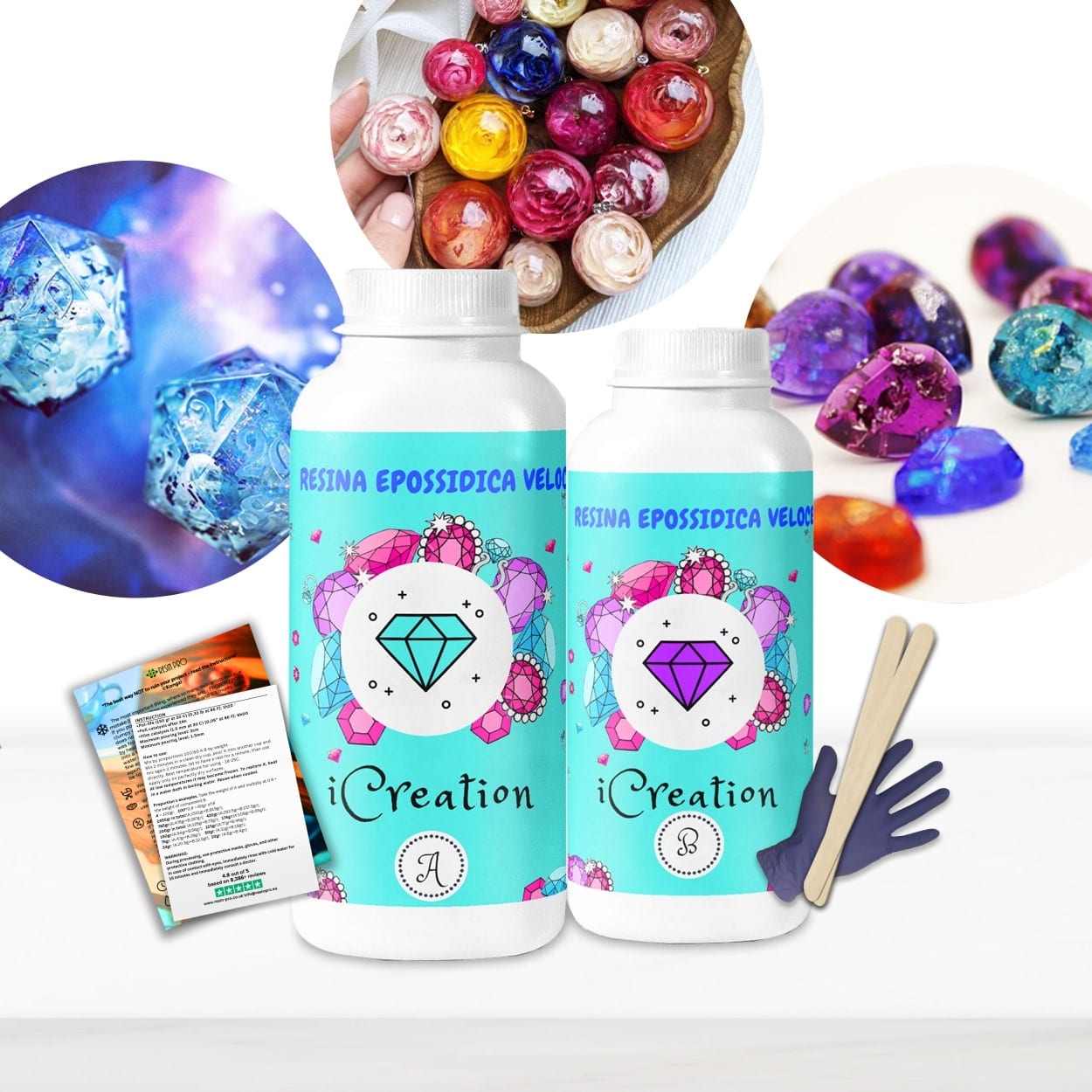 "ICreation" – Fast Epoxy Resin, 6h Demoulding, Transparent Gloss FinishPrice range: £19.40 through £52.85ICREATION offers a fast-curing, crystal-clear epoxy resin suitable for jewellery and crafts within a practical workflow.
Frequently Asked Questions
Can I use any type of resin to make a necklace?
Epoxy and UV resins are both popular for jewellery; choose based on your need for speed, clarity, and curing method.
What if I see bubbles in my resin components?
Gently pass warm air over the surface or use a heat tool before curing; slow mixing and patience help prevent bubbles.
Why is my resin tacky after curing?
Tacky finishes often result from incorrect mixing ratios or under-curing. Double-check instructions and mix thoroughly.
How do I add flowers or glitter to the resin?
Add them after pouring the base resin into the mould, ensuring they are fully submerged and spaced as desired.
Can I drill holes for findings after curing?
Yes, once fully cured, use a small drill or tool to create neat holes for jump rings or chains.
What kind of moulds are best for necklace components?
Silicone moulds in geometric or letter shapes work well and allow easy demoulding without damage.