 Free shipping on orders over £29,85
  Shipping Tracking!


 Google
 Facebook
How to make a resin sculpture?
A step-by-step guide for creating beautiful resin art

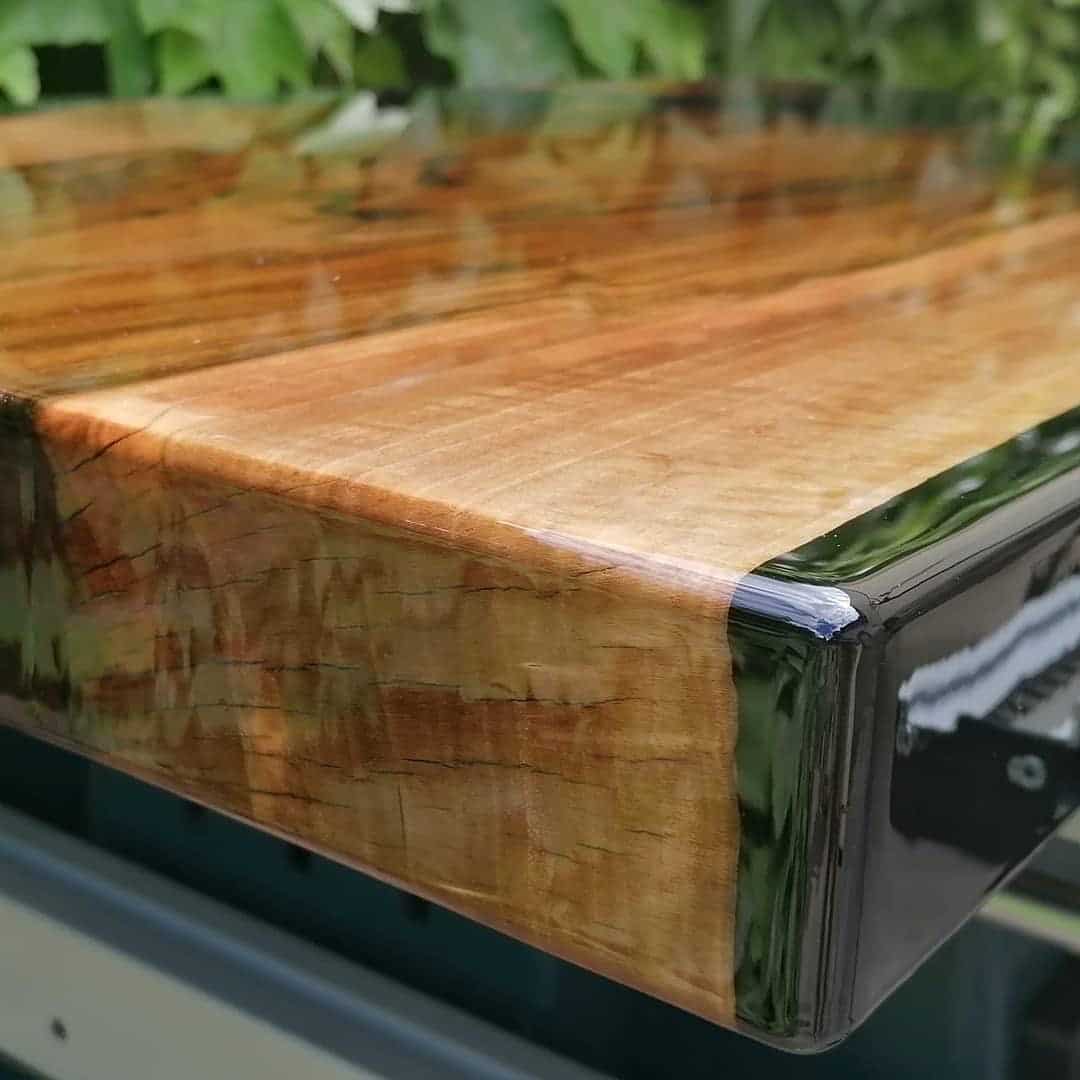
Creating a resin sculpture allows you to immortalise your creativity in a beautiful and durable form. Whether your goal is to craft an abstract design or a recognisable figure, working with resin offers unlimited artistic possibilities and a professional-quality finish.
What You’ll Need
- “Pure Mould” – Translucent Liquid Silicone Rubber for Mould Making: A platinum-based silicone perfect for creating detailed and reusable moulds for your sculpture.
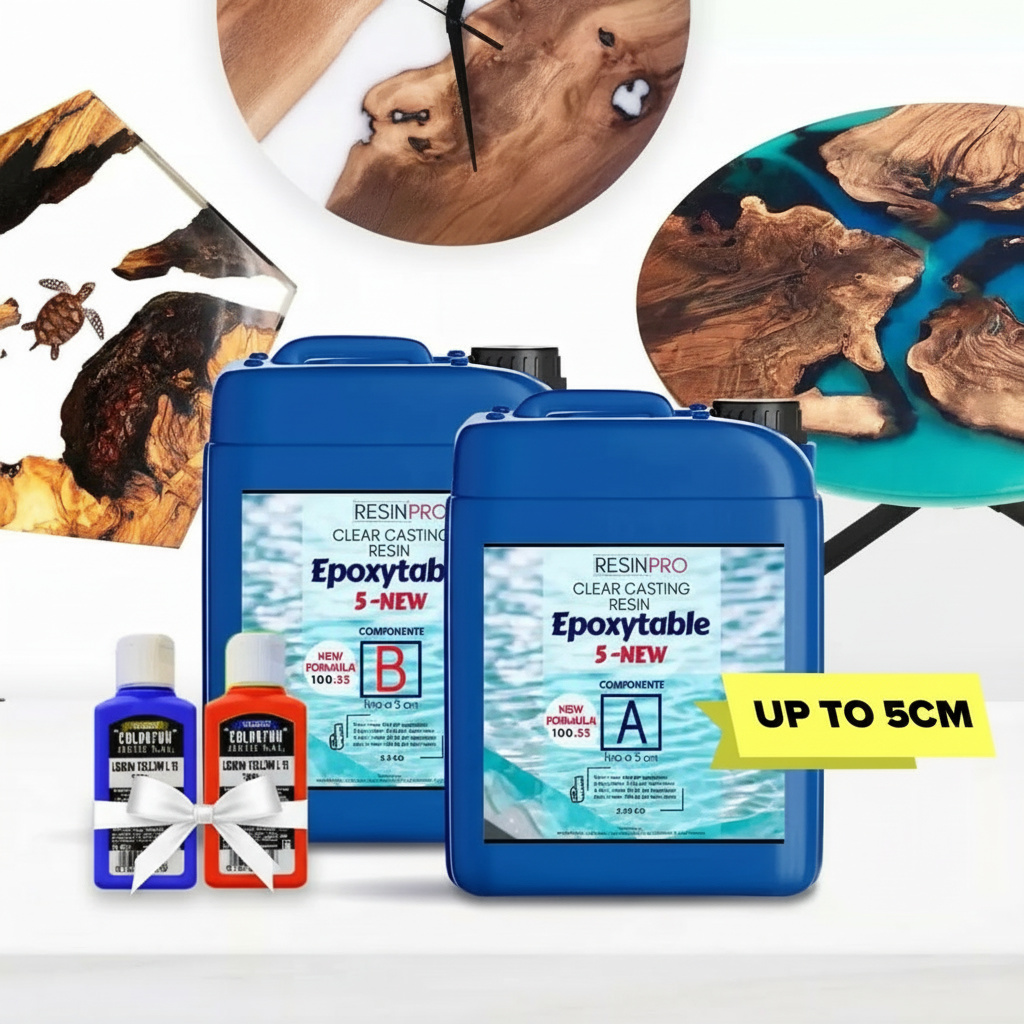
- “EpoxyTable 5-Five” – Deep Pour Epoxy Resin for Tables and Large Projects – Up to 5cm: Suitable for sculptures requiring thick, clear resin casting up to 5cm.
- “Epoxytable 10-Ten” – Deep Pour Epoxy Resin for Tables, Up to 10cm Casting: Ideal for larger, sculptural pieces needing exceptional clarity with pours up to 10cm.
- “Silicone Circle Mould” – For Creating with Epoxy Resin, Ø 20cm: A ready-to-use, flexible mould suited for smaller, round resin sculptures or decorative art.
- Mixing cups, stirring sticks, protective gloves, and a well-ventilated workspace

Visualising Resin Sculpture Methods
Explore examples of resin sculpture projects at different stages – from master model, to silicone mould, to finished glossy artwork. See the clarity and form possible with quality silicone and epoxy resin.
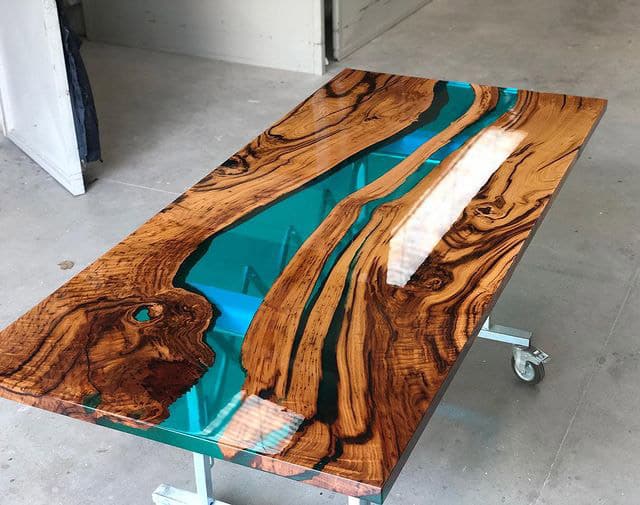
Step 1: Design and Prepare Your Model
Start by deciding on the sculpture’s shape and size. You can sculpt the original design from non-porous clay, or use a found object as the master for your mould. Regardless of the method, ensure that your master model is clean and free from dust, as imperfections will transfer to the mould and ultimately to the final resin piece.
Step 2: Create the Silicone Mould
To capture all the detail from your model, you’ll need to make a flexible and durable silicone mould. Use a high-quality silicone rubber for your mould. Mix “Pure Mould” – Translucent Liquid Silicone Rubber for Mould Making at a 1:1 ratio as suggested. Pour the silicone slowly over your master model, ensuring comprehensive coverage and minimal bubbles. Allow adequate curing time (typically 3–8 hours depending on conditions) before gently removing your master.
Step 3: Mix and Pour Your Resin
Choose the resin system best suited for the thickness and clarity you need. For sculptures up to 5cm thick, “EpoxyTable 5-Five” – Deep Pour Epoxy Resin is a trusted choice. For deeper pieces up to 10cm, opt for “Epoxytable 10-Ten” – Deep Pour Epoxy Resin for Tables, Up to 10cm Casting. Mix resin and hardener thoroughly, following the ratio provided in the instructions to ensure a complete cure.
Pour resin slowly to minimise bubbles. If your design is small and circular, a Silicone Circle Mould offers a convenient shortcut for basic forms. Fill the mould in a controlled manner. For complex shapes or deep volumes, pour in layers if needed to avoid excessive heat build-up.
Step 4: Curing and Demoulding
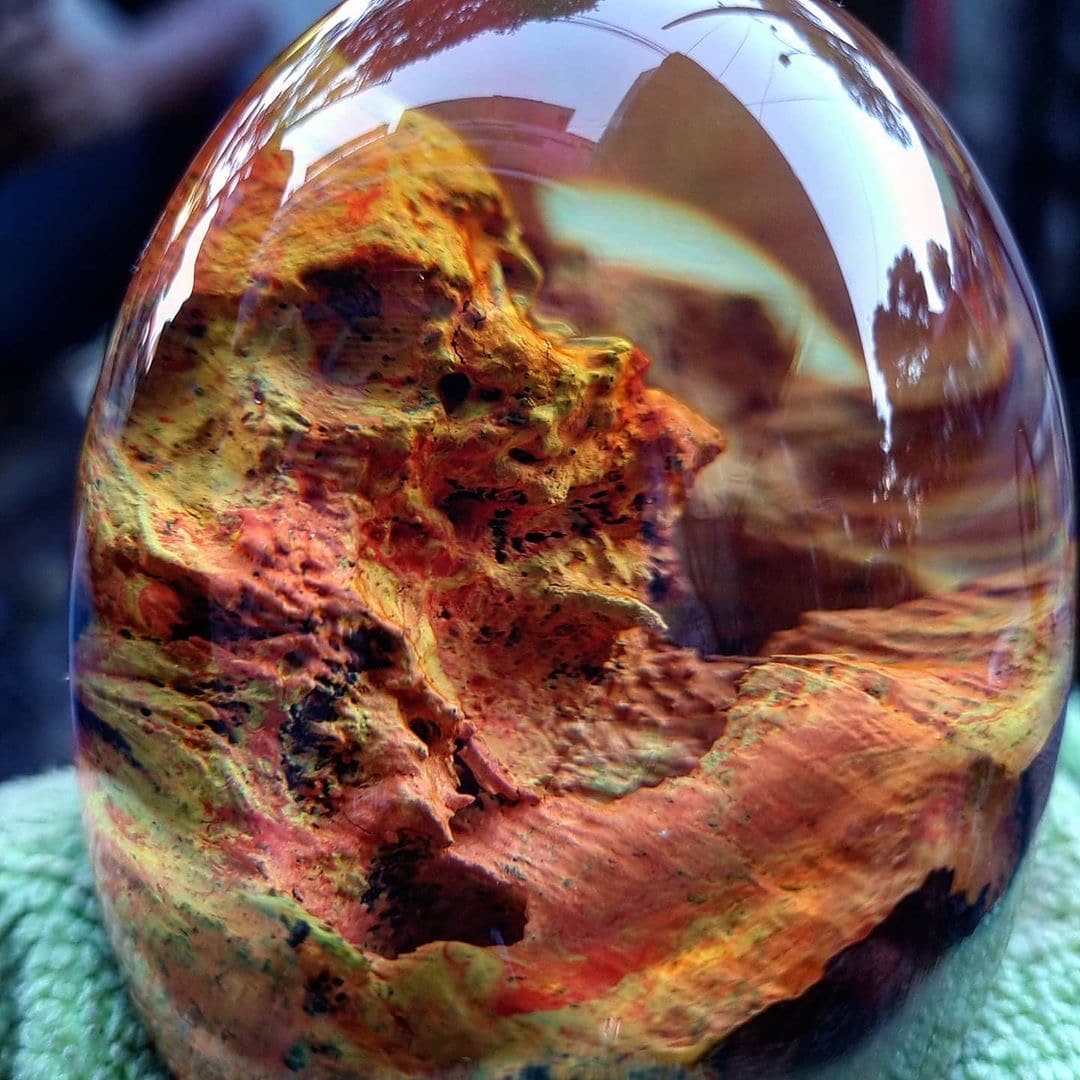
Let the filled mould sit undisturbed, ideally in a dust-free area. Most deep pour resins require a long curing time—often 48–72 hours or more—especially for larger pieces. Resist the temptation to demould early, as disturbances can deform soft resin or cause surface marks. Allow adequate curing time before demoulding to achieve solid, glass-clear results.
Once cured, gently remove the resin sculpture from the silicone mould. Flexible silicone helps ensure easy demoulding with minimal risk to the finished piece and allows for repeated use in future projects.
Step 5: Sanding, Polishing, and Finishing Touches
Inspect your cast sculpture for sharp edges or minor surface flaws. Use fine sandpaper to smooth the surface if needed, progressively moving to higher grits. Polish the resin with a suitable compound and a soft cloth to restore maximum shine and clarity. Detailed finishing can elevate the sculpture, giving it a truly professional and artistic appearance.
Tips and Common Mistakes
- Always wear protective gloves and work in a well-ventilated area for your safety.
- Ensure all materials are at room temperature for consistent curing.
- Take care to mix resin thoroughly; unmixed pockets may remain sticky or cloudy even after curing.
- Avoid rushing demoulding—early removal can permanently mar your sculpture’s surface.
- If layering resin, lightly sand between layers for optimal adhesion.
- Experiment with pigments or inserts, but avoid introducing objects that may react with epoxy.
Showcase: Common Finishing Techniques for Resin Sculptures
See how sanding, polishing, and detail work can transform resin sculptures and elevate your projects to exhibition standard. Observe before-and-after finishing effects for a professional look and feel.

- “Epoxytable 10-Ten” – Deep Pour Epoxy Resin for Tables, Up to 10cm CastingPrice range: £33.85 through £334.85“Epoxytable 10-Ten” is designed for deep casting projects like tables, offering low viscosity and long working time.
- "EpoxyTable 5-Five" – Deep Pour Epoxy Resin for Tables and Large Projects – Up to 5cmPrice range: £16.85 through £1,099.85"EpoxyTable 5-Five" offers a deep pour epoxy resin option for tables and large projects, designed for clear, scratch-resistant finishes.
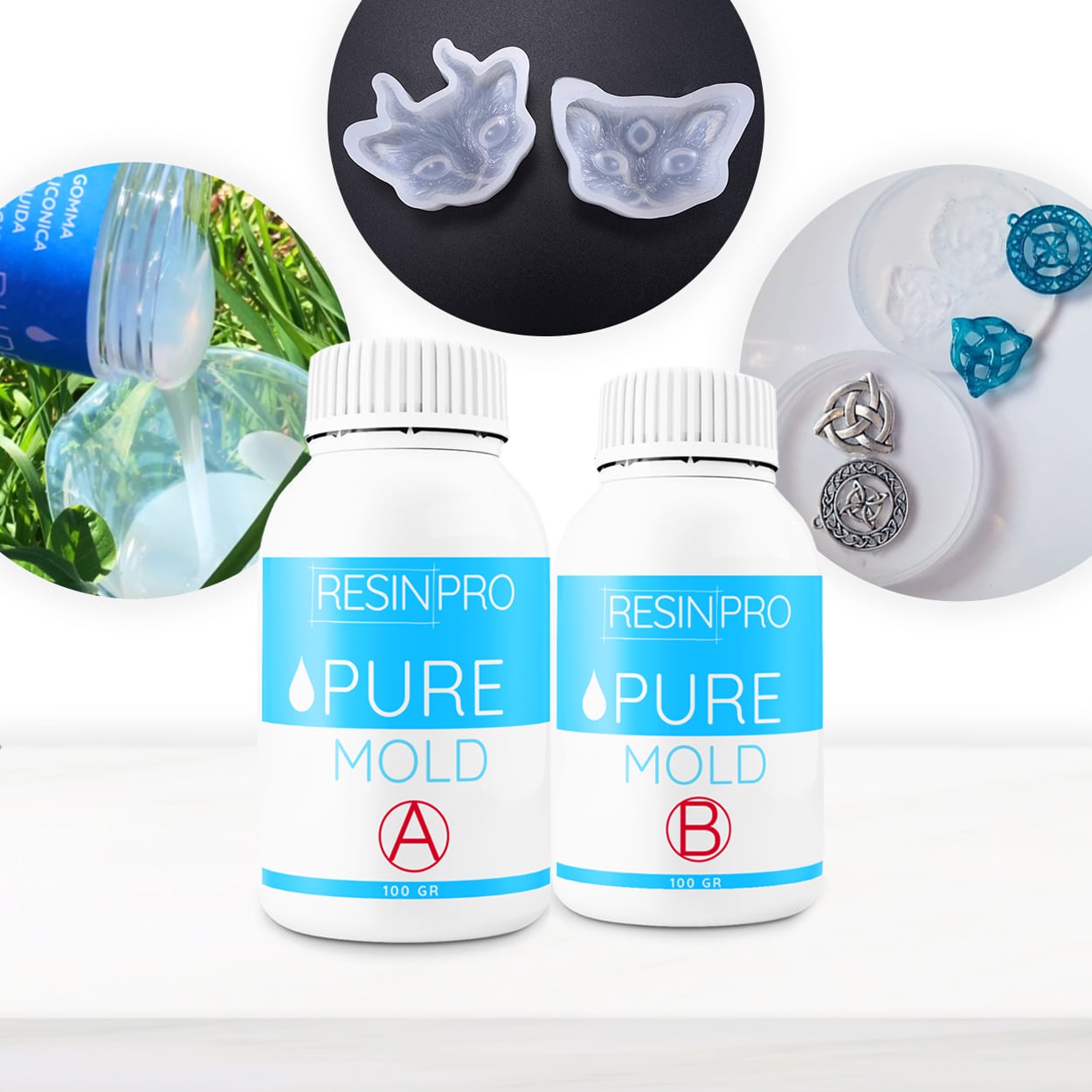 "Pure Mould" – Translucent Liquid Silicone Rubber for Mould MakingPrice range: £22.85 through £158.85"Pure Mould" silicone rubber is a translucent, fast-curing product suitable for creating detailed moulds compatible with various materials.
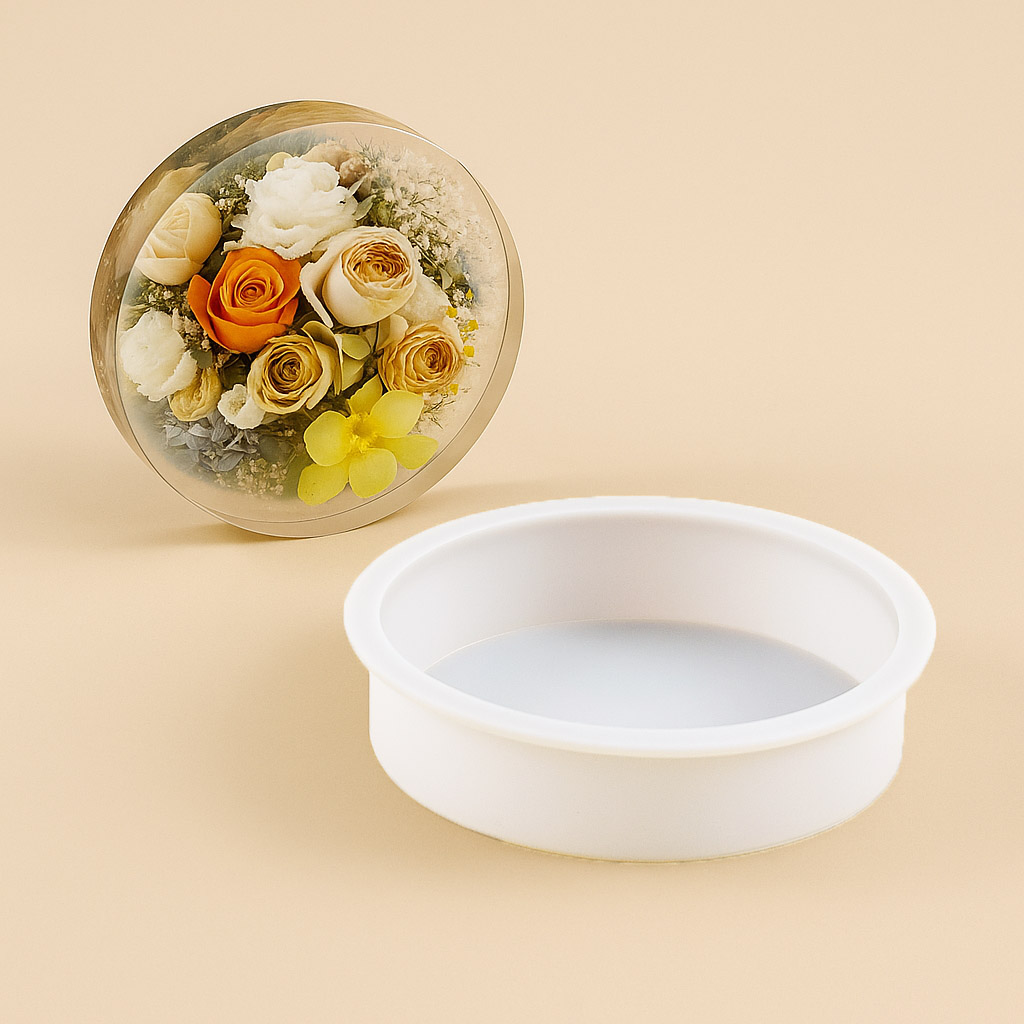 "Silicone Circle Mould" – For Creating with Epoxy Resin, Ø 20cm£12.85Flexible silicone mould suitable for making decorative objects in epoxy resin, designed for artistic creations and keepsakes.
Frequently Asked Questions
Which resin or silicone is best for resin sculptures?
For intricate detail, high-quality silicone moulds are ideal. Use deep pour epoxy resins for clear, solid sculptures.
How can I prevent bubbles in my resin sculpture?
Pour resin slowly and mix carefully to minimise bubbles. Let the mixture sit briefly before pouring to release trapped air.
What is the curing time for deep resin sculptures?
Curing usually takes 48–72 hours, depending on thickness and conditions. Always wait for full cure before demoulding.
Can you layer resin for thick sculptures?
Yes, resin can be poured in layers. Lightly sand between layers to ensure good adhesion and clarity.
Is resin safe for home sculpture projects?
When used with gloves and in a ventilated area, modern resins are safe for home use. Follow all safety instructions.
Any tips for successful demoulding of sculptures?
Use flexible silicone moulds and demould slowly after full cure. Lubricate complex moulds with a suitable release agent.