 Free shipping on orders over £29,85
  Shipping Tracking!


 Google
 Facebook
how to make a resin shaker
Resin shakers are fun, interactive pieces often used in keyrings, jewellery, and novelty crafts. This guide will walk you through making a resin shaker from start to finish, focusing on techniques that ensure clarity, durability, and smooth movement inside your shaker. Whether you’re a beginner or looking to refine your results, you’ll find professional tips and common mistakes to avoid along the way.
Step-by-step techniques for stunning clear shakers


What You’ll Need
- “Evershine Collection” – Artisan Jewellery Epoxy Resin Kit with 100+ Accessories: An all-in-one starter kit for bespoke resin crafts and jewellery.
- “One-2-One” – Epoxy Resin for Handcraft, 1:1 Mixing Ratio: Medium viscosity epoxy resin for reliable, clear finishes.
- “Trasparente” – Multipurpose Clear Epoxy Resin for Casting – Up to 2cm: Multipurpose casting resin for high-gloss clarity in thin layers.
- “Trasparente” Epoxy Resin Kit 800g + Mica Powder 10g – 10 Colour Variations: Kit containing clear resin and mica powder pigments for creative effects.
- Silicone shaker mould (shapes may vary)
- Shaker film or acetate sheets (for sealing)
- Mixing cups and stirring sticks
- Protective gloves and a well-ventilated work area
- Small decorative elements (glitter, beads, sequins)
- UV resin or strong glue (sealing option)
- Mini drill for keychain holes (optional)

Essential tools and workspace tips
Select a level, clean workspace with plenty of ventilation. Always wear gloves, and have all tools ready before you start to ensure a smooth workflow. Organise decorative elements so they are easy to reach while working.
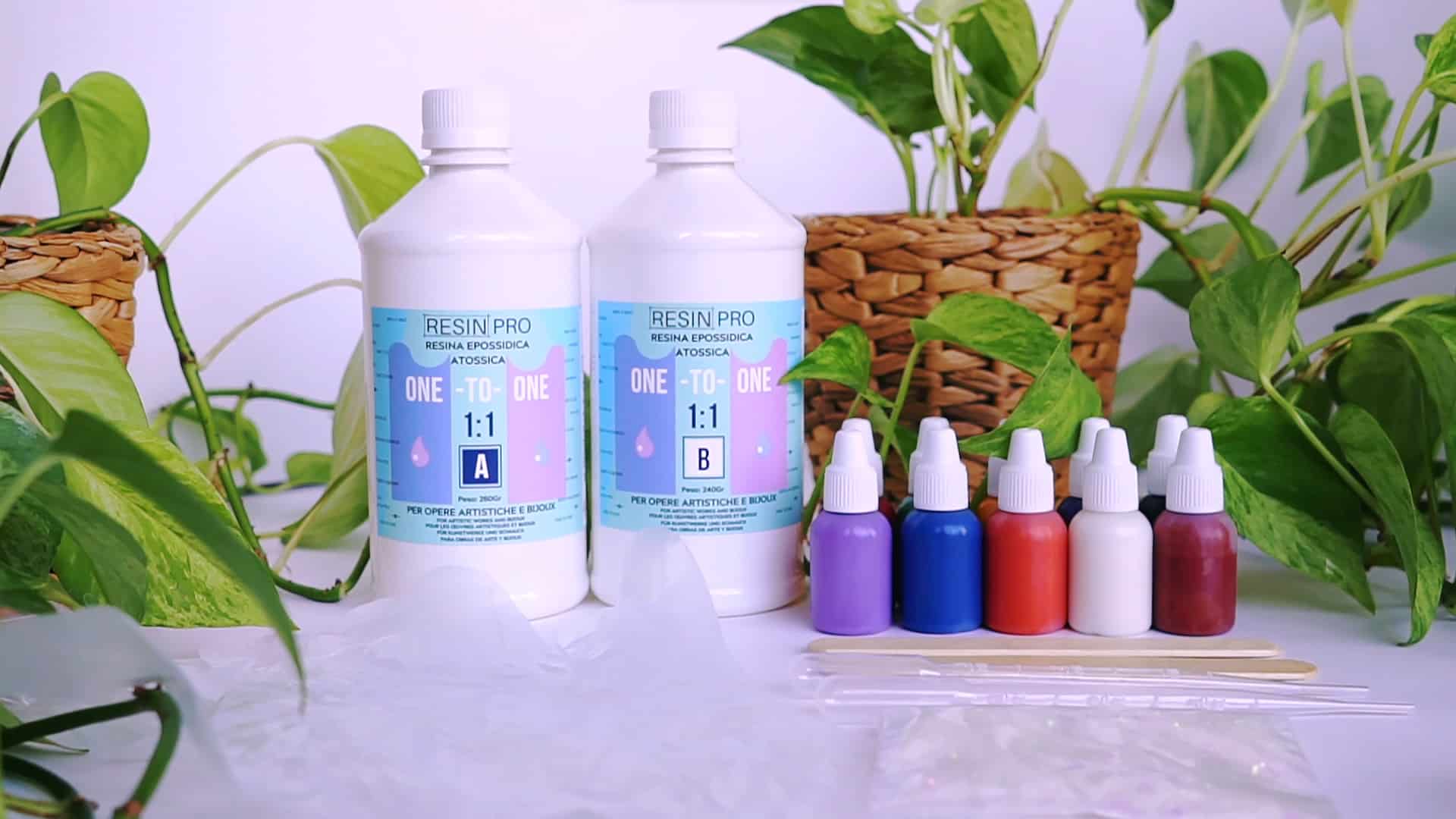
Step 1: Plan your design and gather your tools
Visualising your final resin shaker is key to achieving a professional look. Decide on the shape, theme, and contents you want to include. Laying out your decorative items and ensuring your silicone mould is clean and dry will make each next step much smoother. Assemble all your materials, including resin, shaker film, small inclusions, and protective gear before you begin mixing.
Step 2: Mix your resin carefully
Achieving clear, bubble-free resin is vital for the shaker effect. Use a high-quality, easy-mixing resin to reduce mistakes. Always measure and mix according to the manufacturer’s instructions, typically using a 1:1 ratio for many jewellery resins. Stir slowly and scrape the sides and bottom for an even mixture.
If you want both clarity and a hint of colour, a kit like the “Evershine Collection” – Artisan Jewellery Epoxy Resin Kit with 100+ Accessories is ideal, as it offers pigments and clear mixing guidance for jewellery-sized shakers.
Step 3: Pour resin and remove bubbles
Carefully pour the mixed resin into your mould, filling only the base layer. Tap the mould gently on the work surface to bring trapped bubbles to the top. Use a cocktail stick or a heat tool on low to pop any remaining bubbles, but avoid excessive heat which could distort the silicone mould. Allow this layer to cure fully according to the resin’s specifications for optimal clarity and strength.
For deep or highly detailed shakers, “Trasparente” – Multipurpose Clear Epoxy Resin for Casting – Up to 2cm works well due to its crystal-clear finish and low bubble formulation.
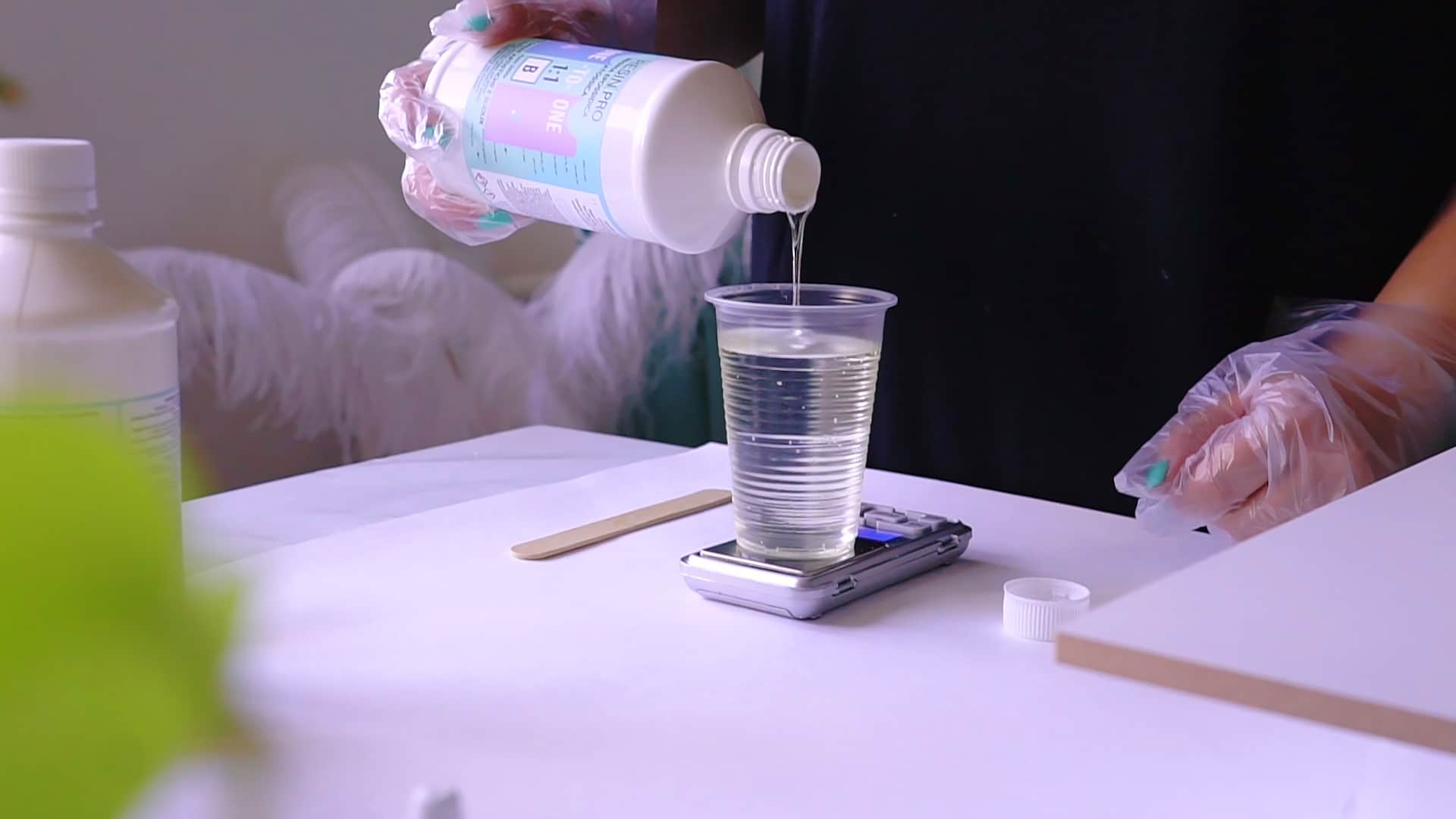
Step 4: Seal your shaker for a fluid movement
After the resin cures, add your chosen decorations (glitter, sequins, etc.) to the shaker cavity. Place a shaker film or acetate sheet over the opening, trimming as needed. To seal, you can use a strong adhesive or, for a seamless finish, apply a thin layer of UV resin around the edge and cure with a UV lamp. Ensure the seal is complete to prevent leaks if you add liquids later.

Step 5: Decorate and assemble your shaker
Once sealed, you can embellish the exterior with paint, stickers, or more resin for added effects. Attach keychain findings, jump rings, or magnet backs as desired. If you need to drill holes for attachments, use a precision drill with care. Let your completed resin shaker cure fully before use, especially if you’ve added finishing coats.
Tips and troubleshooting for perfect resin shakers
Always work in a dust-free environment to ensure clarity. Avoid pouring layers thicker than recommended for your resin, as overheating can occur. Take care when sealing to prevent fluid leaks and ensure decorations do not become trapped in the adhesive. If bubbles persist, warm your resin bottles before mixing to help reduce their occurrence. Patience during each curing stage leads to the best finished results.
Getting flawless, creative resin shakers
Preparation and patience yield the best shakers. Choose a resin with good clarity. Sealing correctly prevents leaks and cloudiness. Experiment with inclusions, but avoid overfilling to keep the shaker fluid moving.
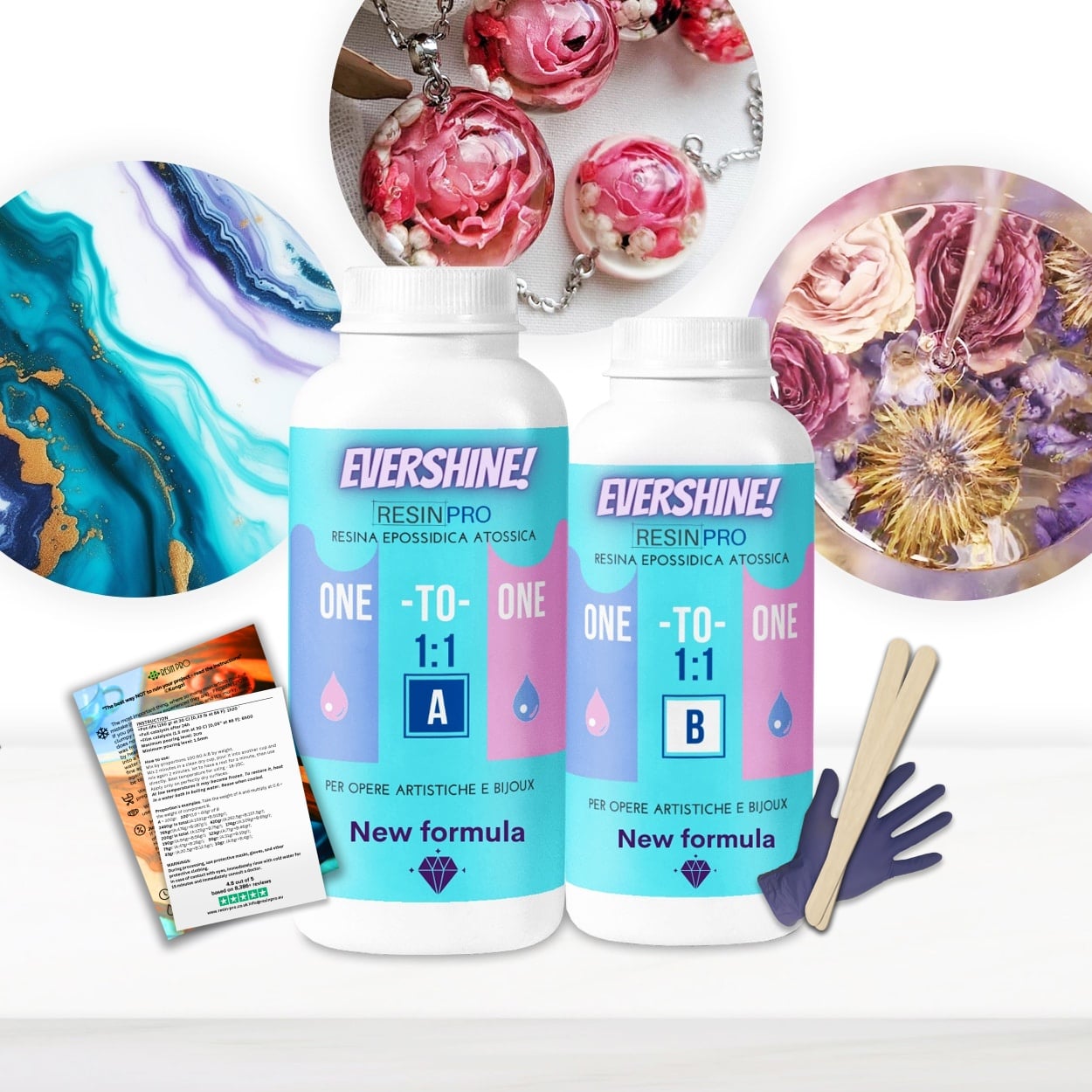
- "Evershine Collection" – Artisan Jewellery Epoxy Resin Kit with 100+ Accessories£20.85The "Evershine Collection" includes 500g crystal-clear epoxy resin and 100+ accessories, suitable for jewellery making in the context of how to make…
- "One-2-One" – Epoxy Resin for Handcraft, 1:1 Mixing RatioPrice range: £14.85 through £56.85"One-2-One" epoxy resin offers a medium viscosity and easy 1:1 mixing by volume, suitable for beginners and experienced users crafting decorative…
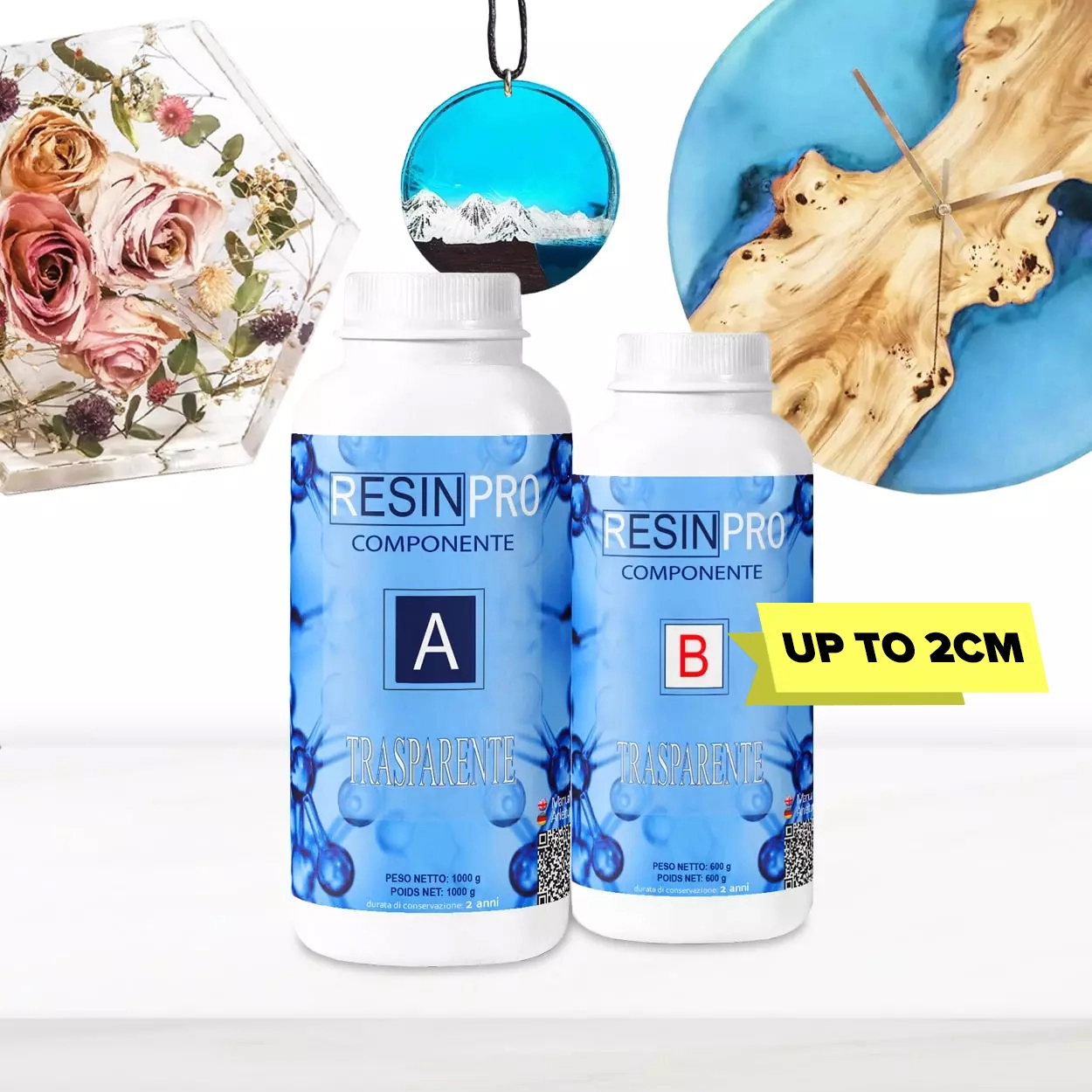 "Trasparente" – Multipurpose Clear Epoxy Resin for Casting – Up to 2cmPrice range: £8.45 through £948.85"Trasparente" is a clear epoxy resin suitable for casting up to 2cm layers, commonly used for detailed castings, tables, and woodworking projects.
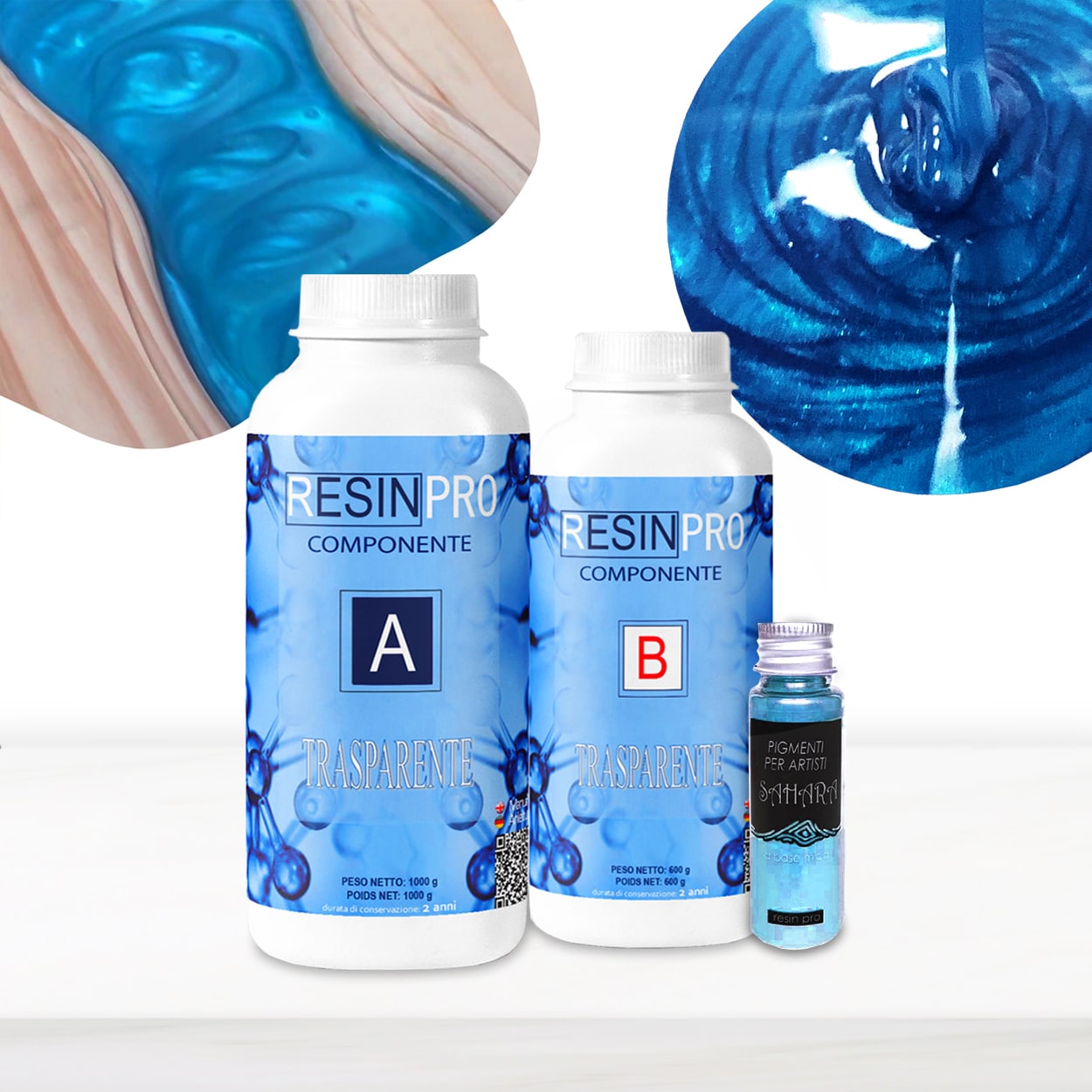 "Trasparente" Epoxy Resin Kit 800g + Mica Powder 10g – 10 Colour Variations£19.85"Trasparente" is an ultra clear multipurpose epoxy resin kit suitable for various creative projects including table making and DIY.
Frequently Asked Questions
Which type of resin is best for making shaker jewellery?
Clear, easy-mixing jewellery epoxy resins are best, such as non-toxic 1:1 ratio formulas. They provide clarity and consistent curing for shaker pieces.
How can I reduce or prevent bubbles in my resin shaker?
Mix resin slowly, warm bottles before use, and tap moulds after pouring. Use a toothpick or gentle heat to release trapped bubbles.
Can I add liquids to my resin shaker?
Yes, but make sure the seal is fully watertight using proper adhesive or UV resin, and test for leaks before use.
Is UV resin necessary for sealing a resin shaker?
UV resin provides a seamless clear seal but strong adhesive can also be used. UV resin is faster and easier to handle for beginners.
How long should I wait for my resin shaker to cure?
Curing time depends on the resin brand and thickness, but generally 24–48 hours is recommended for full hardness before de-moulding.
Are all silicone moulds suitable for making shakers?
Most silicone moulds work for shakers if they are smooth and deep enough to create a proper cavity. Inspect for any damages before use.
What is the best way to attach a keychain to a resin shaker?
A mini drill can be used to add a small hole for findings, or insert metal loops before the resin cures if supported by the mould’s design.