 Free shipping on orders over £29,85
  Shipping Tracking!


 Google
 Facebook
How to Make a Surfboard with Resin?
Building your own surfboard with resin is a rewarding craft that combines design, shaping, and technical skill. Whether you’re refining a new board or restoring an old favourite, mastering the resin working process can deliver a lightweight, durable, and eye-catching surfboard perfectly tailored to your needs.
Step-by-step surfboard construction using resin and technical fabrics.


What You’ll Need
- “Carbon Resin” – Epoxy Resin for Carbon Fiber & Fiberglass Coating – for superior fibre impregnation and impact resistance.
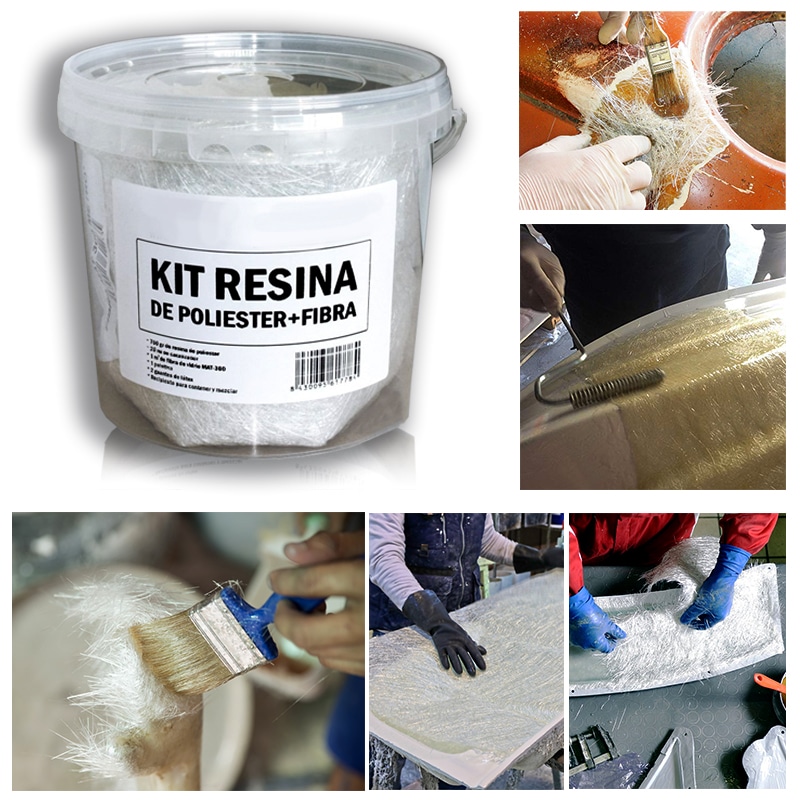
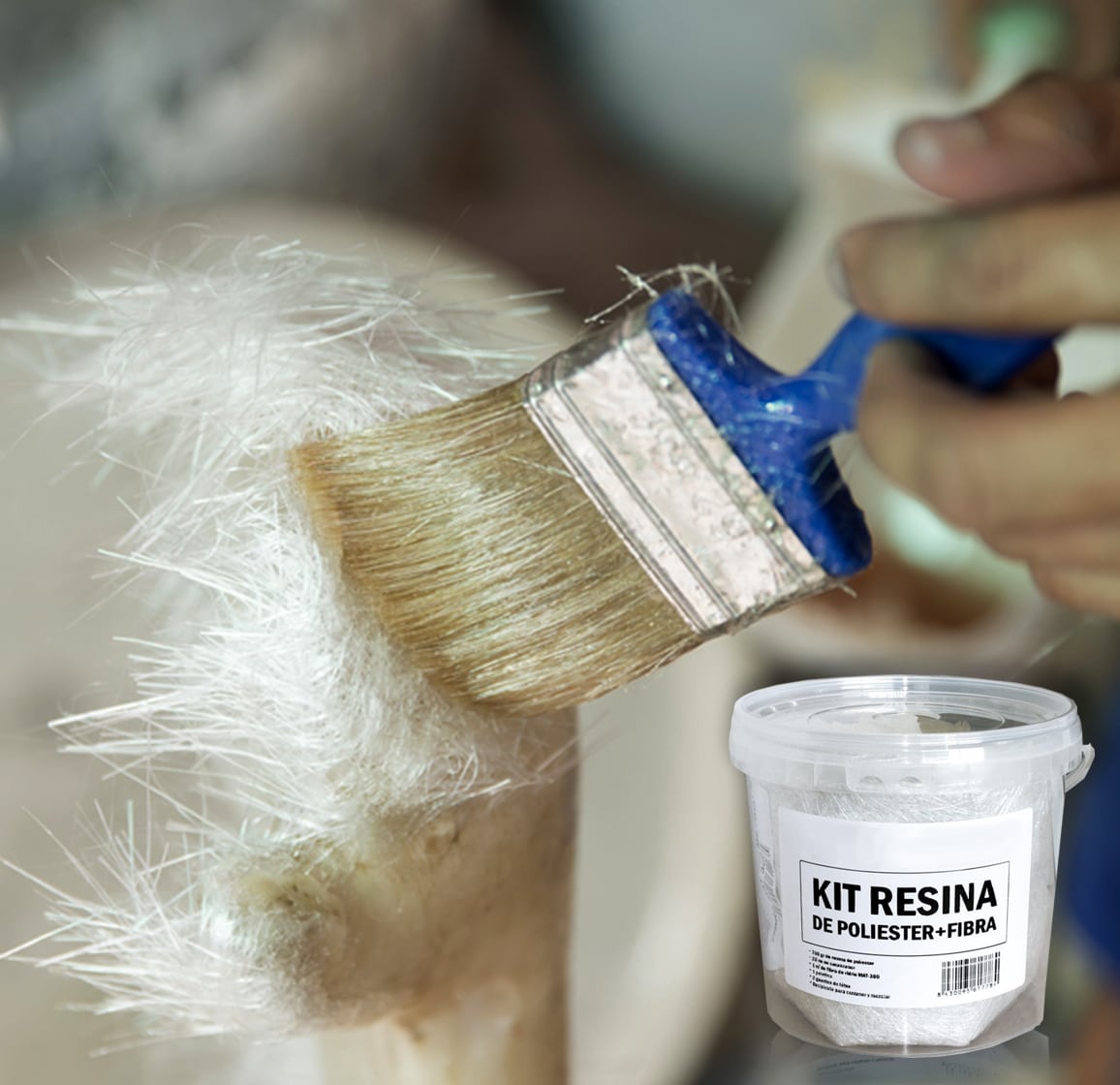
- Resin Fibreglass Repair Kit – Complete Polyester Resin and Hardener Set – helpful for structural repairs or patching shells.
- Polyurethane or polystyrene surfboard blank
- Fibreglass cloth or carbon fibre fabric (as preferred)
- Fine and medium grit sandpaper
- Protective gloves, goggles, and clothing
- Squeegee or resin spreader
- Cups and stirring sticks for accurate mixing

Essential Surfboard Resin Materials in Action
See how surfboard makers rely on impact-resistant resin and technical fabrics to achieve flawless surfboard finishes. Real project images demonstrate the lamination of blanks and expert wet-out techniques.

Step 1: Shape and Prepare the Blank
Begin with your surfboard blank. Use shaping tools to achieve your desired outline, rocker, and rail profile. Take your time to sand and fine-tune the curves, ensuring symmetry on both sides. Remove all dust from the surface, as debris or oils can prevent good resin adhesion later.
Careful preparation here is critical for a professional result. Many advanced makers vacuum the workspace or clean the blank with compressed air and a clean, lint-free cloth.
Step 2: Cut and Prepare the Fabric Layers
Select your chosen reinforcement fabric, such as fibreglass or carbon fibre. Lay the cloth over the blank and trim it, allowing a slight overhang at the rails for wraparound strength. If using multiple layers for added strength, cut them in advance. Keep the workspace clean to prevent contaminant transfer onto the fabric surface.
Step 3: Mix and Apply the Resin
Wearing gloves and eye protection, accurately measure and mix the resin and hardener according to your product’s instructions. For smooth fabric wet-out and robust impact resistance, “Carbon Resin” – Epoxy Resin for Carbon Fiber & Fiberglass Coating is ideal for comprehensive lamination of your board.
Carefully pour the mixed resin over your board, then use a squeegee to evenly distribute it across the surface, saturating the fabric. Work slowly from the centre outward and wrap resin-soaked cloth around the rails for a durable edge. Avoid overworking as this can introduce bubbles.
Step 4: Cure and Trim the Laminate
Allow the resin to cure thoroughly in a dust-free, temperature-controlled area. Avoid any disturbance during this time. When cured, use a sharp blade to trim any excess fabric and sand the edges and surface for a flush, smooth contour. Take care not to sand into the fibres.
Repeat the lamination process for the deck or base if needed, always letting each layer cure before further steps.
Step 5: Apply the Final Finish
For glassy shine and long-term protection, apply a final coat of resin with a squeegee after sanding the cured laminate with fine-grit sandpaper. Let this finishing layer cure fully before handling. This seals the board for water resistance and gives that professional, surf-ready look.
Tips, Common Mistakes, and Troubleshooting
Maintain patient, even strokes to avoid dry spots or bubbles. Always mix resin thoroughly but gently to reduce air entrapment. Use only dry, clean materials, as moisture or oils can cause delamination or a cloudy finish.
For minor surface dings or repairs, the Resin Fibreglass Repair Kit – Complete Polyester Resin and Hardener Set is suitable, offering an all-in-one solution for on-the-go restoration and patching.
Lamination Techniques and Finishing Touches
Observe crucial moments during glassing, resin curing, and sanding for that professional surfboard look. Close-up visuals highlight smooth edges, glossy surfaces, and attention to detail.

- "Carbon Resin" – Epoxy Resin for Carbon Fiber & Fiberglass CoatingPrice range: £18.85 through £35.85Epoxy resin designed for carbon fibre and fibreglass composites with a focus on structural integrity and a professional finish.
- Resin Fibreglass Repair Kit – Complete Polyester Resin and Hardener SetPrice range: £13.85 through £22.85The Resin Fibreglass Repair Kit contains polyester resin and hardener with a fibreglass mat, designed for structural repairs in marine and automotive…
 "EpoxyTable 5-Five" – Deep Pour Epoxy Resin for Tables and Large Projects – Up to 5cmPrice range: £16.85 through £1,099.85"EpoxyTable 5-Five" is designed for deep pour projects up to 5cm, suitable for tables and large creative works within the surfboard-making theme.
 “Epoxytable 10-Ten” – Deep Pour Epoxy Resin for Tables, Up to 10cm CastingPrice range: £33.85 through £334.85Epoxy resin suited for deep pouring up to 10cm, designed for tables and large casting projects with UV resistance in the surfboard resin theme.
Frequently Asked Questions
What resin types are suitable for surfboard making?
Epoxy resins and polyester resins are the most common. Epoxy offers superior strength and impact resistance, while polyester is often used for repairs.
What are the main steps for resin surfboard lamination?
Prepare the blank, cut the fabric, mix and apply resin, cure and trim, and add a finishing coat for gloss and protection.
How can I prevent bubbles in my surfboard resin?
Mix resin slowly and apply it evenly. Use a squeegee to guide bubbles outwards and laminate in a dust-free environment.
How long does surfboard resin take to cure?
Most laminating resins cure overnight at room temperature. For the best results, avoid moving the board until fully hardened.
What resin is best for surfboard repairs?
A polyester resin kit or a dedicated epoxy can be used, depending on the original construction of your surfboard.
Any tips for achieving a glossy surfboard finish?
Use fine sandpaper, apply a final resin coat, and ensure the board is fully cured in a dust-free area for a professional sheen.