 Free shipping on orders over £29,85
  Shipping Tracking!


 Google
 Facebook
How to make heather resin?
Step-by-step guide for stunning heather resin creations

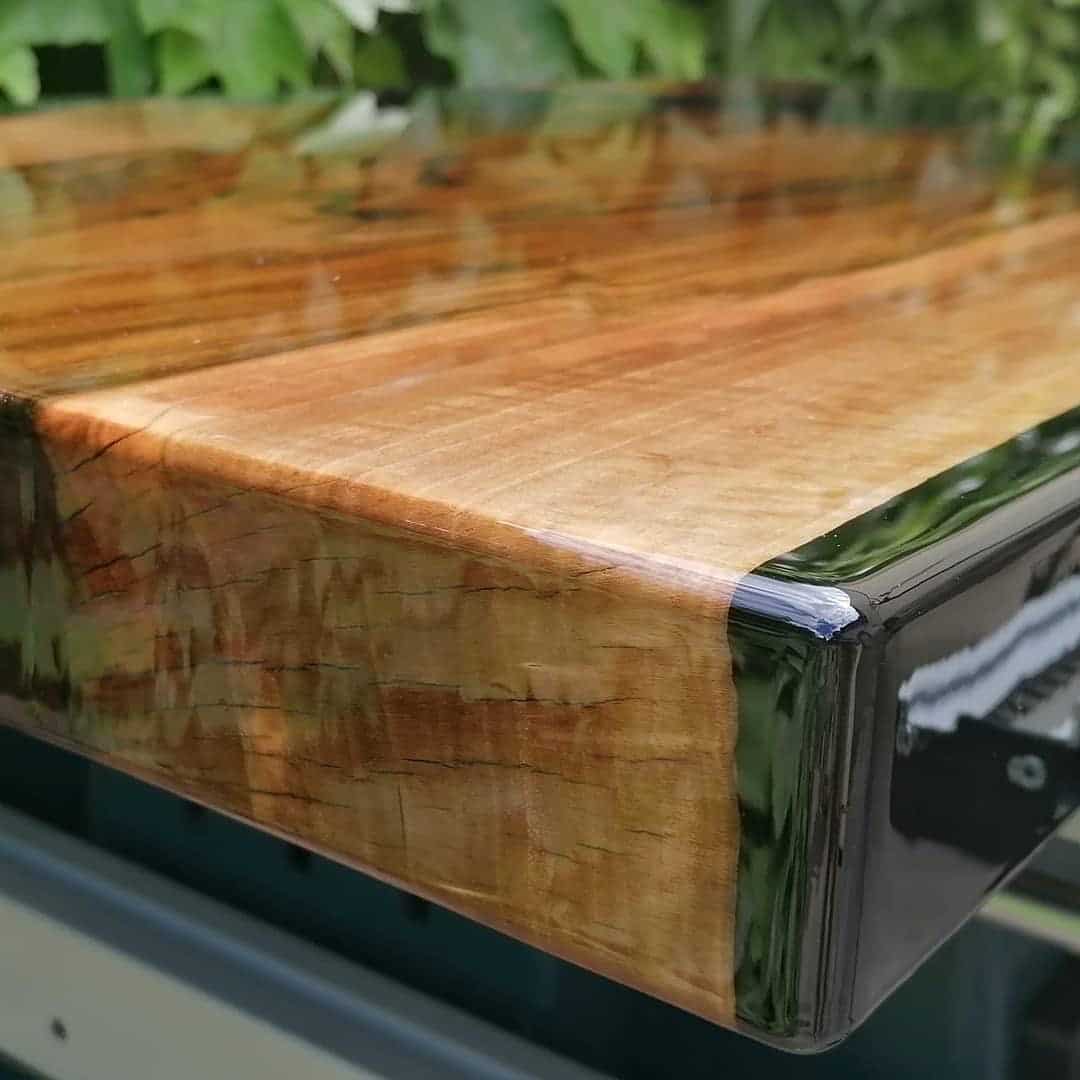
Creating heather resin is a rewarding way to capture the delicate beauty of real heather stems within crystal-clear resin. Whether you’re looking to make jewellery, paperweights, decorative art or keepsakes, this guide will walk you through every stage—from preparing your botanical material to achieving a professional, bubble-free finish. This page is perfect for crafters, hobbyists, and artists seeking detailed and practical advice on how to make heather resin objects of lasting elegance.
What You’ll Need
- “Icrystal” – Clear Epoxy Resin – Odourless Formula – Up to 1.5cm: Excellent for jewellery and small, clear castings.
- “Trasparente” – Multipurpose Clear Epoxy Resin for Casting – Up to 2cm: Ideal for slightly thicker projects.
- Prepared and thoroughly dried heather stems
- Mixing cups and sticks
- Disposable gloves and apron
- Moulds (silicone recommended)
- Protective surface for your workspace
- Masking tape and tweezers (optional for placement)

Heather Resin Craft Preparation Essentials
Before starting your heather resin project, ensure all your heather stems are pressed and dried, your tools are ready, and your resin is selected based on the thickness and finish you need. Gathering everything in advance ensures a smooth and enjoyable crafting experience.
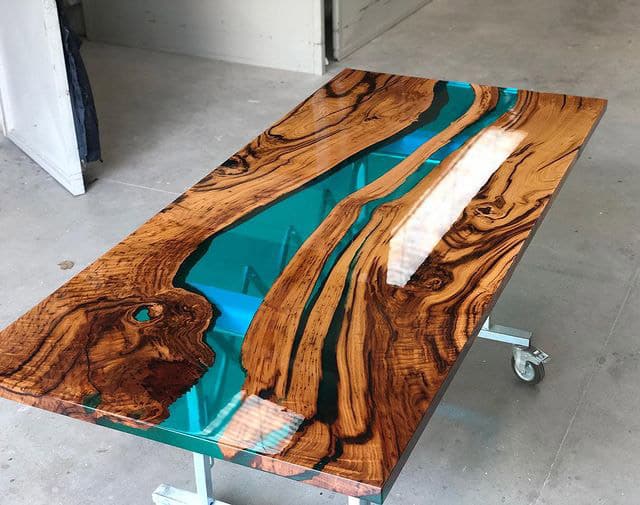
Step 1: Prepare Your Heather and Work Area
Start by selecting fresh or pressed heather sprigs. To avoid moisture ruining your casting, ensure the flowers are thoroughly dried or pressed—a minimum of one week between sheets of parchment and heavy books is suggested for flattening. Remove any excess leaves, debris or insects. Clean your workspace, cover it with a protective sheet, and gather all tools before starting. Wearing gloves throughout the process prevents fingerprints and skin contact with resin.
Work methodically and patiently for best results. Planning your layout in advance will help you achieve a visually balanced piece.
Step 2: Mix the Epoxy Resin Carefully
Measure the resin and hardener according to your chosen product’s instructions: for example, “Icrystal” uses a 2:1 mixing ratio (resin to hardener by volume), while “Trasparente” should be mixed as per packaging directions. Gradually combine the two parts in a clean cup, stirring gently but thoroughly for several minutes to avoid introducing excessive air.
Always measure and mix your resin and hardener accurately to ensure perfect curing and clarity. Scrape the sides and bottom of the cup as you mix.
Step 3: Embed the Heather in the Mould
Pour a thin base layer of the mixed resin into your silicone mould. Using tweezers, carefully arrange your dried heather sprigs face-down or as desired in the poured resin. For extra depth or layering, allow the first layer to partially set before adding more resin and floral pieces. This ensures the botanical elements remain suspended and do not float or settle at the bottom.
Press and dry your heather thoroughly before embedding to prevent mould, cloudiness or resin failure.
Step 4: Pour the Resin and Remove Bubbles
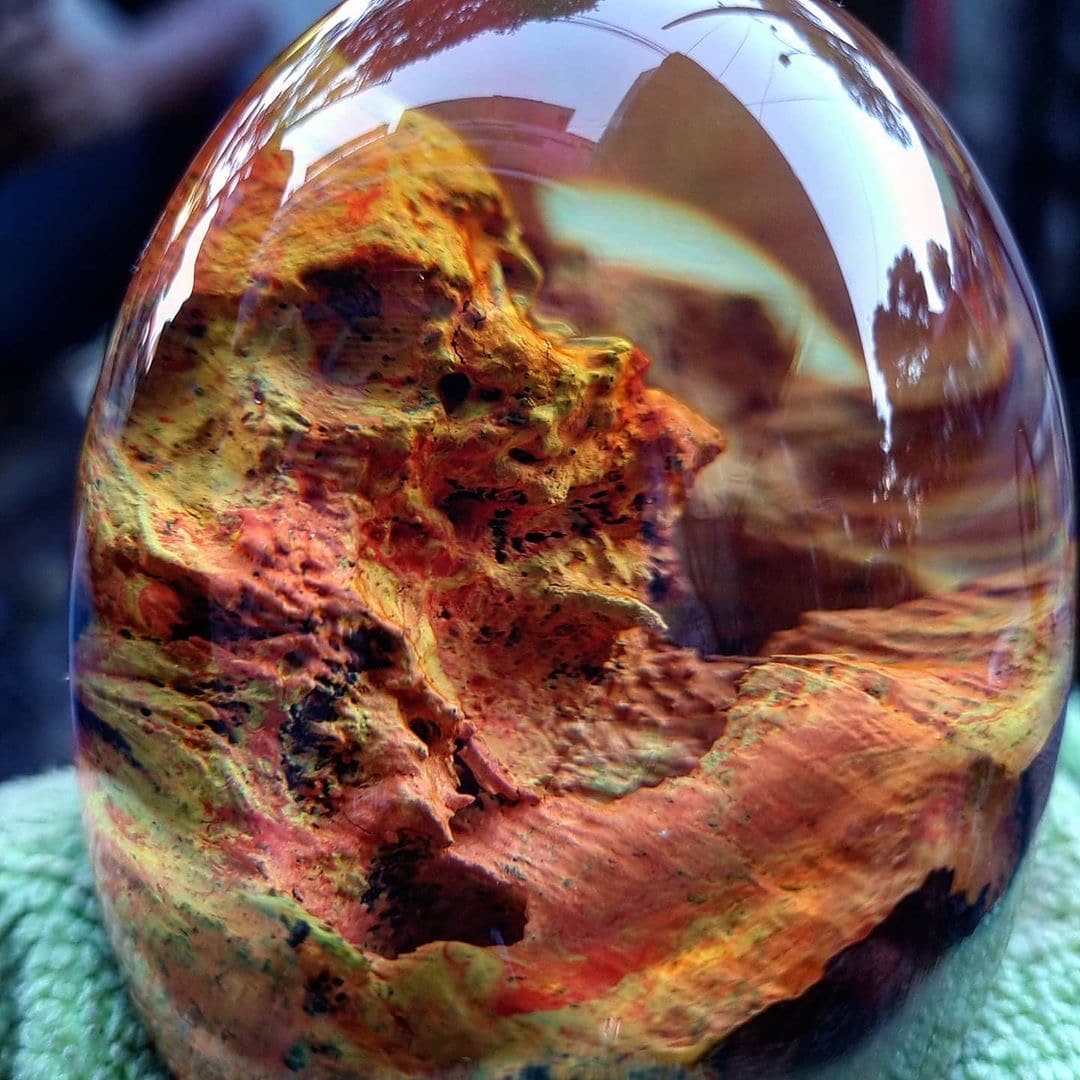
Slowly pour the remaining resin over your arranged heather, filling the mould to the desired height. Pouring in stages is recommended for thicker projects. To eliminate bubbles, gently breathe across the surface, use a toothpick to pop surface bubbles or carefully apply a heat gun from a distance.
Pour resin slowly to prevent bubbles and overflows, as quick pouring can disturb the placement and introduce air.
Step 5: Cure, Demould, and Finish Your Piece
Allow the resin to cure fully as per the product instructions—this can range from 24 to 48 hours at room temperature. Avoid moving or covering the piece during this time to ensure a flawless surface. Once cured, gently remove the item from the mould. If any sharp edges or cloudiness appear, lightly sand and polish for a glassy finish. Wash with a mild soap and water if sticky residue remains.
Allow the resin to cure fully before demoulding or handling to prevent bending, fingerprints, or surface damage.
Tips and Common Mistakes
When making heather resin, avoid using damp flowers, as moisture can cause cloudiness and inhibit curing. Pouring resin too thickly in one go can lead to overheating or bubbles—always follow layer recommendations bundled with your chosen product. If bubbles persist, warming the resin slightly before mixing and working in a dust-free environment can help. For brilliant clarity, store finished items away from sunlight to reduce yellowing over time.
Test with a small project first if you are new to resin crafting. Mistakes are common, but experience is the best teacher for mastering the process.
Visual Inspiration for Heather Resin Projects
Browse creative examples of heather resin arts and crafts, from floral keyrings to decorative paperweights. Not only do these showcase techniques, they inspire you to try different arrangements and colour accents for your own bespoke creations.

- “Epoxytable 10-Ten” – Deep Pour Epoxy Resin for Tables, Up to 10cm CastingPrice range: £33.85 through £334.85“Epoxytable 10-Ten” is designed for deep casting up to 10cm, suitable for tables and artistic creations within the theme How to make heather resin?
- "EpoxyTable 5-Five" – Deep Pour Epoxy Resin for Tables and Large Projects – Up to 5cmPrice range: £16.85 through £1,099.85"EpoxyTable 5-Five" is a deep pour epoxy resin suitable for tables and large projects up to 5cm thick, matching the theme How to make heather resin?
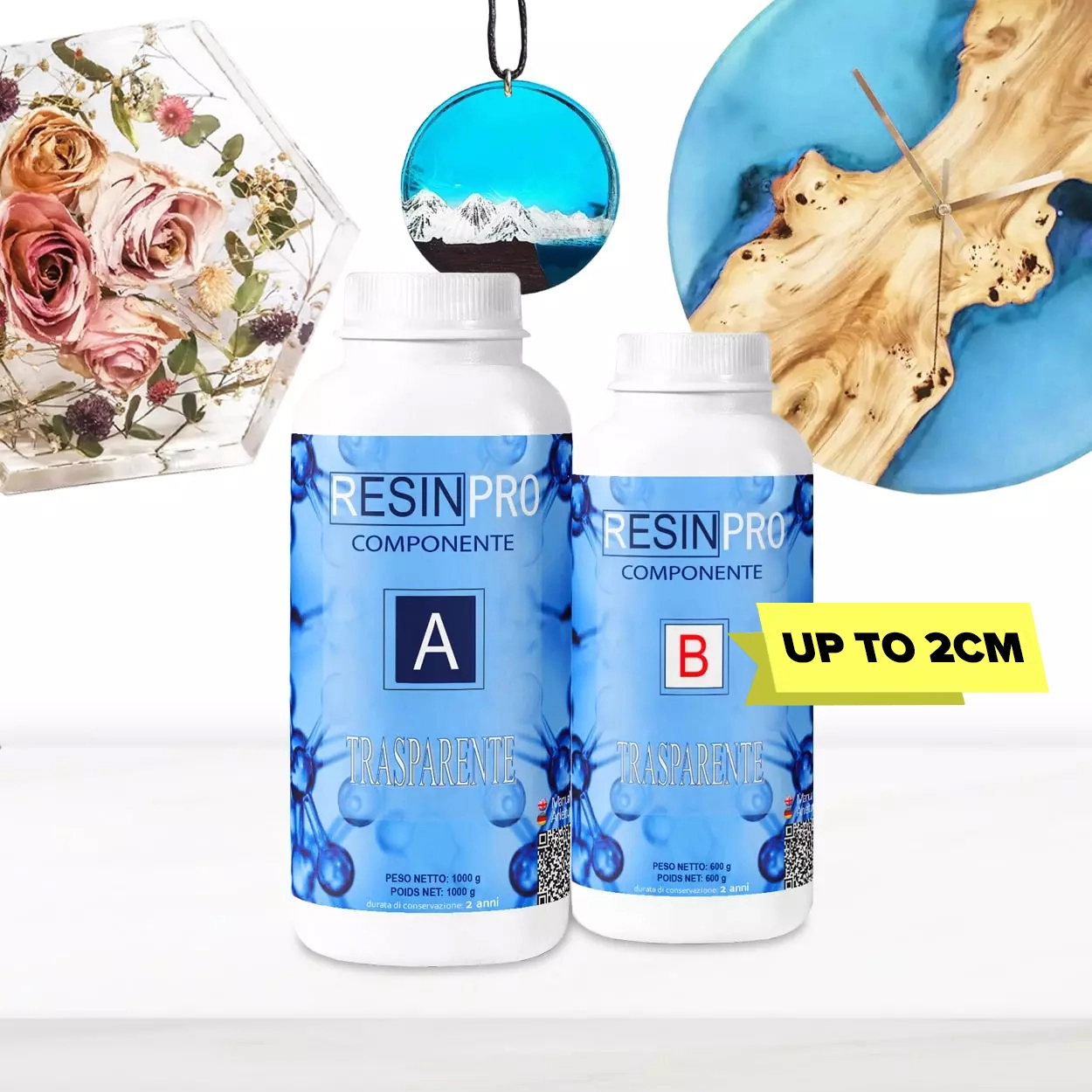 "Trasparente" – Multipurpose Clear Epoxy Resin for Casting – Up to 2cmPrice range: £8.45 through £948.85"Trasparente" is a clear epoxy resin for casting layers up to 2cm, suitable for detailed projects following the 'How to make heather resin?' theme.
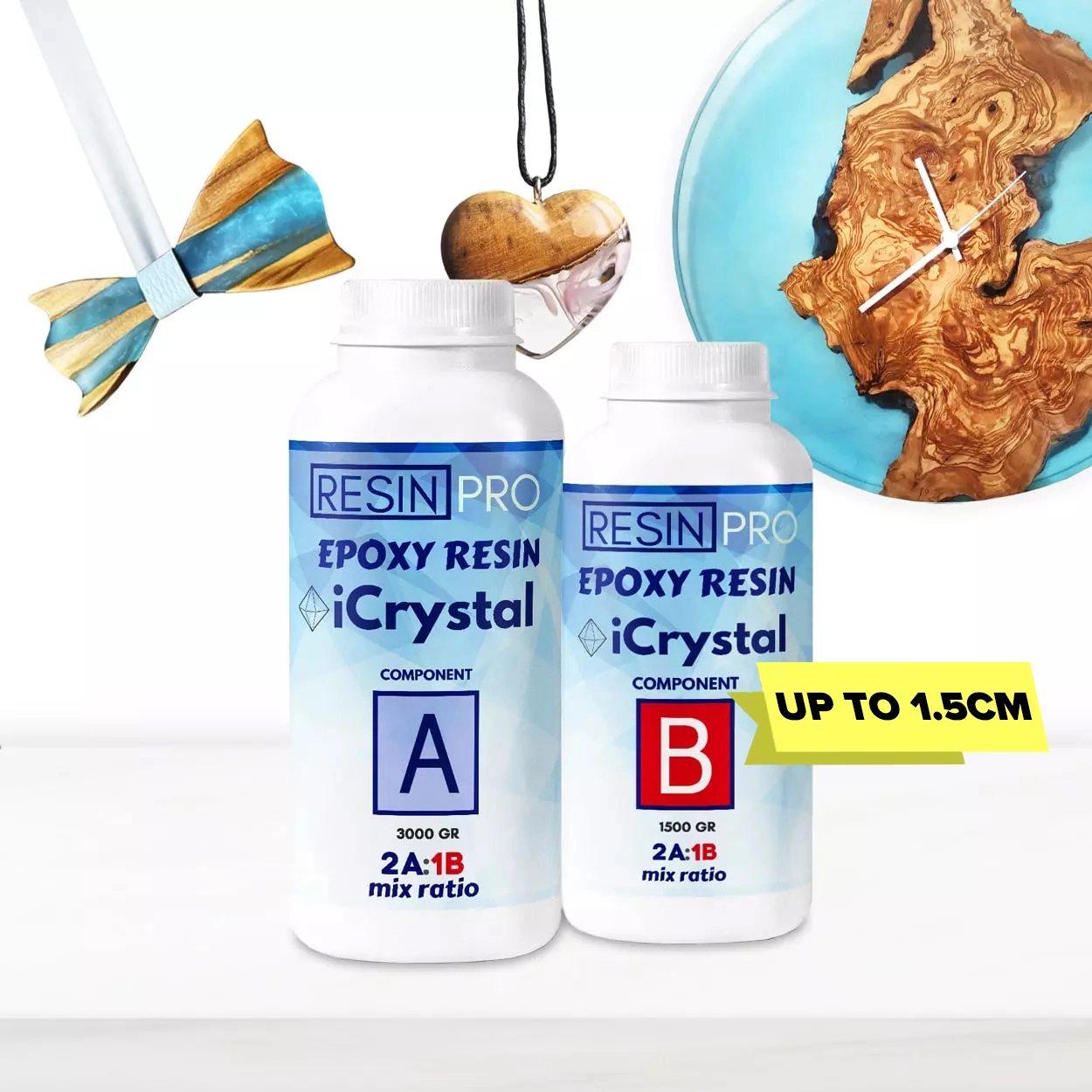 "Icrystal" – Clear Epoxy Resin – Odourless Formula – Up to 1.5cmPrice range: £11.65 through £954.85"Icrystal" clear epoxy resin is a versatile, odourless product designed for transparent coatings and creative projects.
Frequently Asked Questions
Which resin is best for embedding heather in resin art or jewellery?
Choose a clear casting resin, such as Icrystal for up to 1.5cm or Trasparente for up to 2cm thickness, for best clarity.
Can I use fresh heather sprigs directly in epoxy resin?
No, always dry or press the heather first, as moisture can cause resin cloudiness or improper curing.
How can I reduce bubbles when casting heather in resin?
Mix resin gently, pour slowly, and use a heat gun from a distance to remove any surface bubbles.
How long does epoxy resin take to cure for heather embedding?
Most epoxy resins cure within 24 to 48 hours at room temperature; check product directions for exact timing.
Will embedded heather retain its natural colour over time?
Properly dried heather maintains its colour for years, especially when UV-stabilised resins are used and items are stored out of direct sunlight.
How should I polish or sand my finished heather resin piece?
Allow resin to fully cure, then sand any sharp edges lightly and polish with a resin compound for a glassy finish.