 Free shipping on orders over £29,85
  Shipping Tracking!


 Google
 Facebook
how to make objects with epoxy resin
Creating unique objects with epoxy resin opens up a world of artistic and practical possibilities, from jewellery and decorative items to table inlays and homeware. This comprehensive guide will help you go from idea to finished piece, addressing key steps and tips for success at every stage.
Step-by-step guide for casting, curing, and finishing resin objects.

What You’ll Need
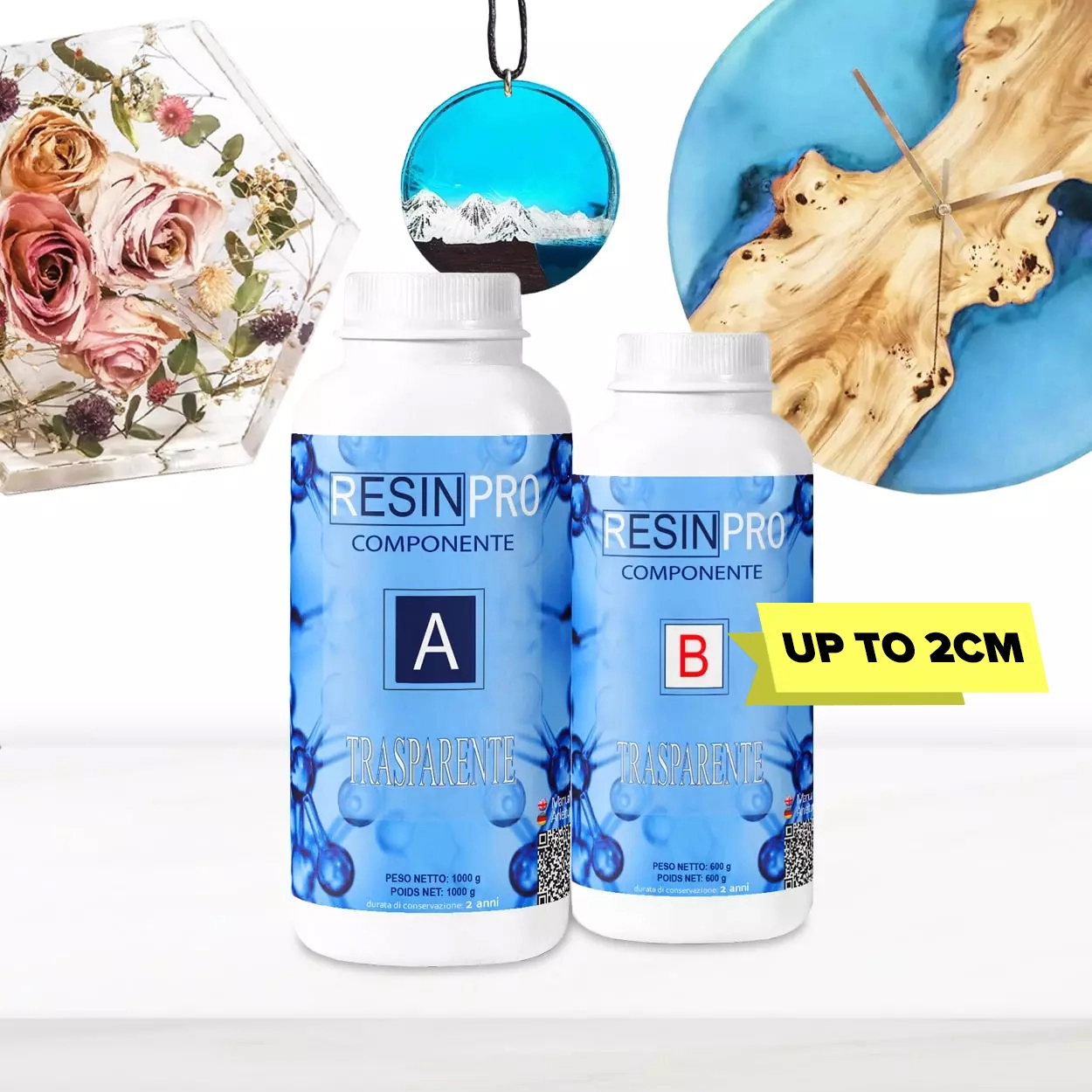
- “Trasparente” – Multipurpose Clear Epoxy Resin for Casting – Up to 2cm – for standard casts and clear finishes
- “Icrystal” – Clear Epoxy Resin – Odourless Formula – Up to 1.5cm – perfect for small decorative items or odour-sensitive environments
- “One-2-One” – Epoxy Resin for Handcraft, 1:1 Mixing Ratio – ideal for beginners and decorative work, such as jewellery
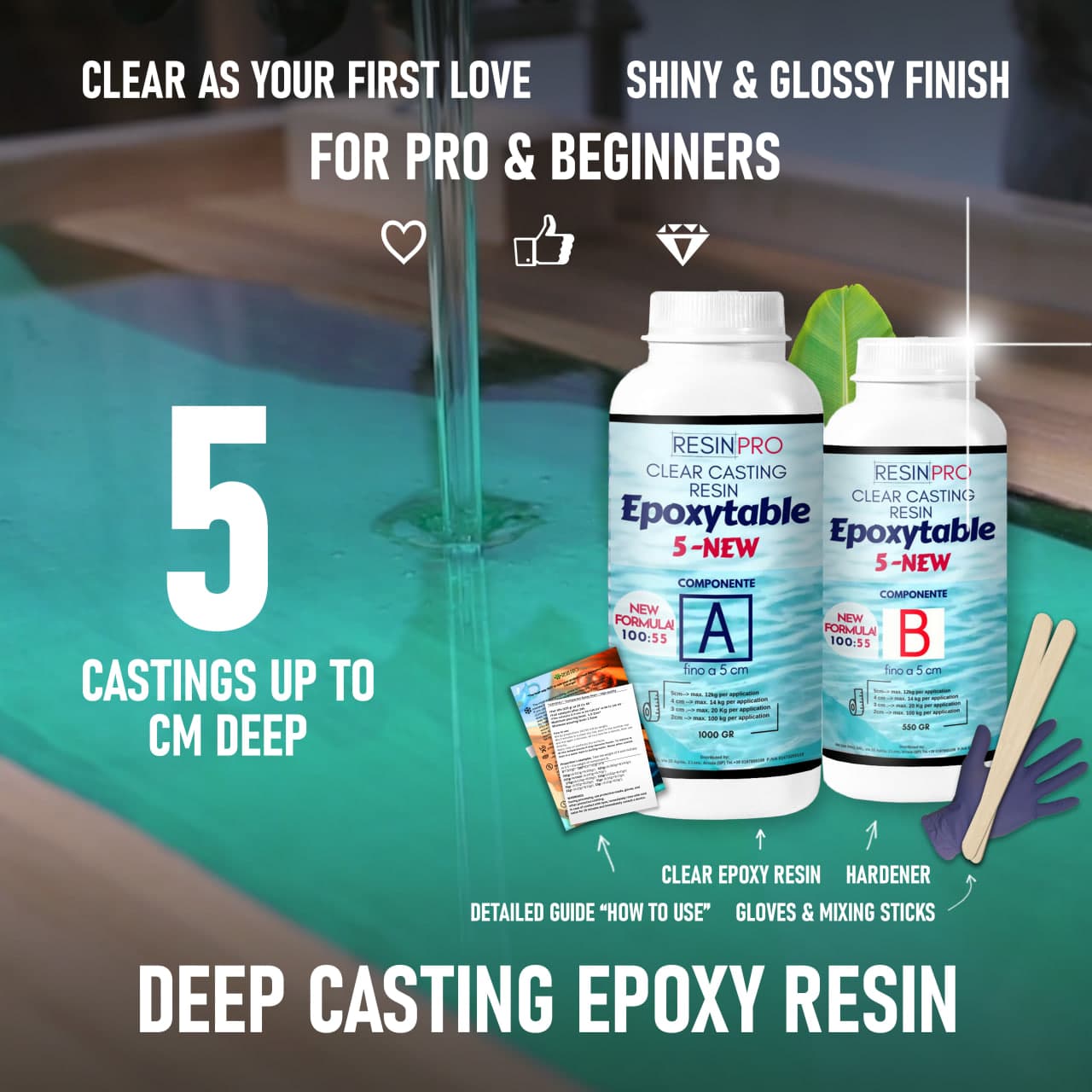
- “EpoxyTable 5-Five” – Deep Pour Epoxy Resin for Tables and Large Projects – Up to 5cm – select for deep or large castings
- Protective gloves, mixing sticks, calibrated cups, silicone moulds, release agent (where needed), heat gun or torch for bubbles
- Sanding paper (various grits), polishing compound, optional colour pigments

Basic Tools and Environment for Epoxy Resin Projects
Choose the right containers and tools—use silicone or polyethylene utensils to prevent sticking. Maintain a stable room temperature for predictable curing, and wear gloves at all stages to avoid skin irritation.

Step 1: Plan and Prepare Your Workspace
Plan your project carefully, taking into account the type and thickness of your intended object. Set up a clean, level, and dust-free area with good ventilation. Make sure you have all necessary supplies on hand before beginning, as epoxy resin can begin curing quickly once mixed.
Consider the specific properties of your chosen resin—whether you need deep pour ability, odourless working conditions, or a simple mix ratio—when deciding which to use.
Always use gloves and protective equipment, and cover your work surface to prevent sticky mishaps.
Step 2: Measure and Mix the Epoxy Resin
Measure ingredients accurately according to the instructions provided for your selected resin. Some resins, such as “Icrystal” – Clear Epoxy Resin – Odourless Formula – Up to 1.5cm, require a 2:1 ratio, while “One-2-One” – Epoxy Resin for Handcraft, 1:1 Mixing Ratio is a simple 1:1 mix by volume—ideal for ease and accuracy.
Inaccurate or improper mixing leads to tackiness or failed cures. Use two cups if needed: pour both components into a third cup to ensure completeness.
Mix thoroughly but gently for several minutes, scraping the sides and bottom, until fully blended and uniform. Avoid whipping in excess air, which can cause unsightly bubbles.
Step 3: Pouring and Casting the Resin
Pour in layers when needed, especially for thicker objects. For items up to 2cm thick, such as coasters or pendants, “Trasparente” – Multipurpose Clear Epoxy Resin for Casting – Up to 2cm is ideal. For deeper projects like river tables or large castings, opt for “EpoxyTable 5-Five” – Deep Pour Epoxy Resin for Tables and Large Projects – Up to 5cm.
Slowly pour the resin into prepared moulds or onto your substrate. Keep your workspace dust-free during the initial curing period to avoid imperfections on the surface.
Pop bubbles as you go using a heat gun, torch, or by gently exhaling over the surface. This step improves clarity and finish for professional results.

Step 4: Curing and Demoulding
Allow for full curing time as indicated for your resin of choice. Warmer rooms shorten cure time, but avoid direct heat sources which can lead to yellowing or warping.
Once fully hardened, carefully demould your object. Silicone moulds usually release easily, but a mould release agent can help with more complex shapes or detailed craft projects, such as jewellery made with “One-2-One” – Epoxy Resin for Handcraft, 1:1 Mixing Ratio.
Step 5: Finishing, Sanding, and Polishing
Carefully inspect your demoulded object for sharp edges, overflow, or surface flaws. Sand down rough spots starting with medium grit and progressing to finer grades.
If a high-gloss finish is desired, polish with a suitable compound after sanding. This step is especially important for pieces cast with “Icrystal” – Clear Epoxy Resin – Odourless Formula – Up to 1.5cm, which accepts polishing well.
If desired, add further layers of pigment or decoration, ensuring each layer cures before the next.
Tips for Success and Common Mistakes
Never rush measuring or mixing—take your time for perfect results. Choose your resin based on project thickness and finish: deeper pours require dedicated formulas. Always work in a clean, temperature-stable environment to prevent dust or uneven curing.
For clear and bubble-free results, gently warm the resin in its container before mixing and pour slowly into the lowest point of your mould. If surface imperfections occur, re-coat or sand and polish as needed.
Troubleshooting Imperfections and Achieving a Flawless Finish
If you encounter bubbles or cloudiness, apply gentle heat in short bursts and cover your piece during curing. For stubborn marks, sand with finer paper and re-polish to restore shine.
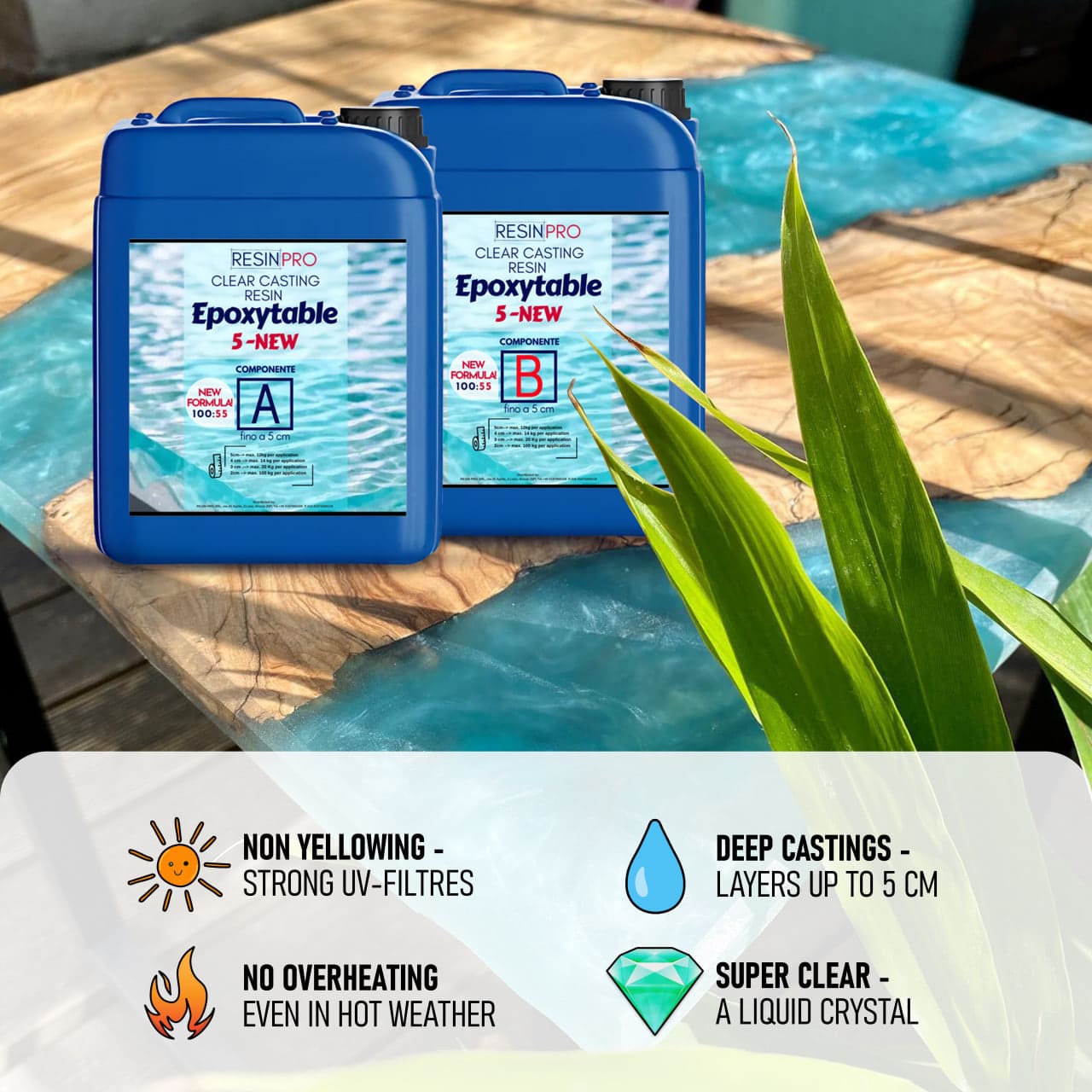
- "EpoxyTable 5-Five" – Deep Pour Epoxy Resin for Tables and Large Projects – Up to 5cmPrice range: £16.85 through £1,099.85"EpoxyTable 5-Five" is designed for deep pours up to 5cm, suitable for tables and large projects, with clear, resistant, and easy-to-use properties.
- "Trasparente" – Multipurpose Clear Epoxy Resin for Casting – Up to 2cmPrice range: £8.45 through £948.85"Trasparente" is an ultra-clear epoxy resin ideal for casting up to 2cm layers, delivering a glossy, self-levelling finish for various projects.
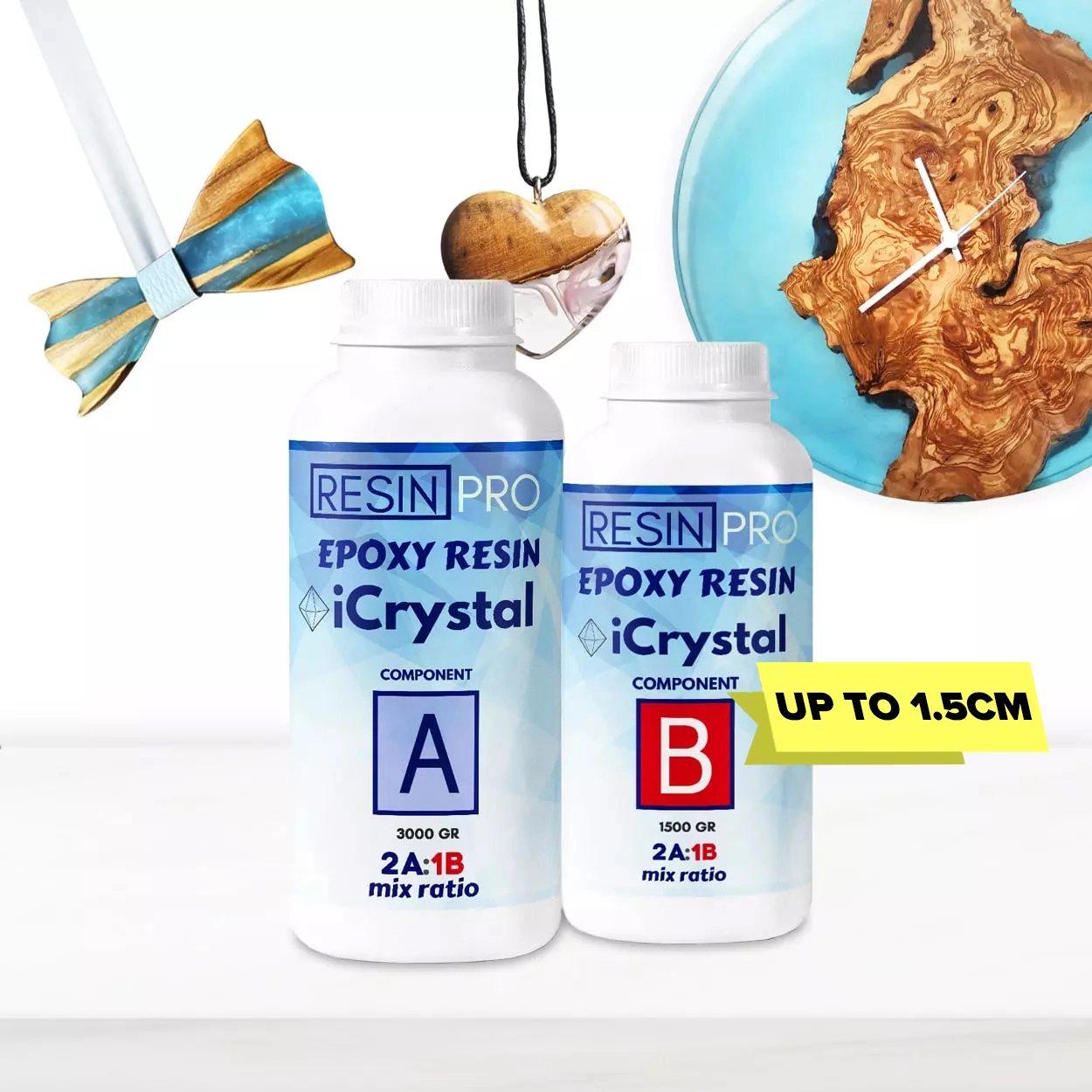 "Icrystal" – Clear Epoxy Resin – Odourless Formula – Up to 1.5cmPrice range: £11.65 through £954.85"Icrystal" clear epoxy resin offers good quality and odourless use suitable for crafting objects following the how to make objects with epoxy resin…
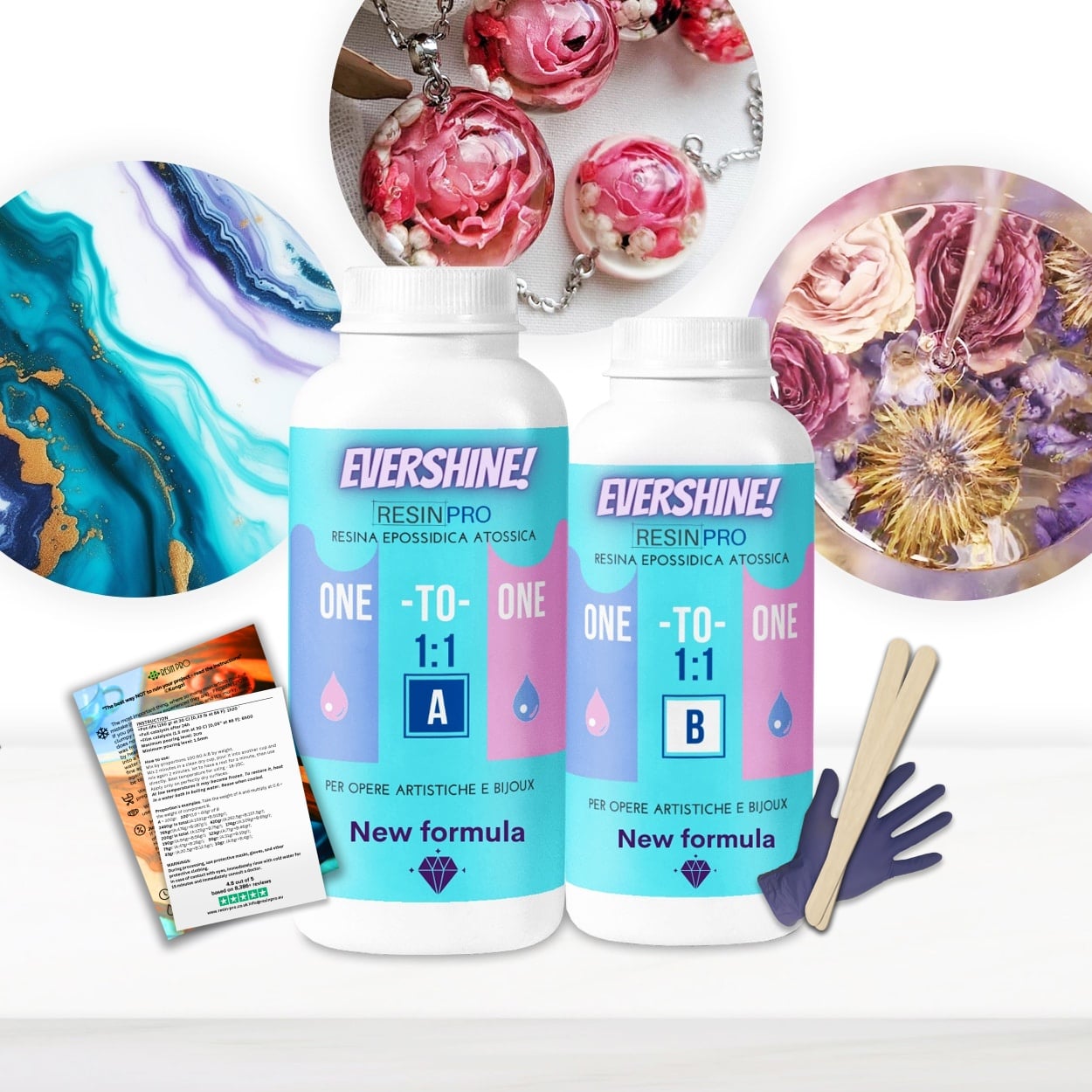 "One-2-One" – Epoxy Resin for Handcraft, 1:1 Mixing RatioPrice range: £14.85 through £56.85"One-2-One" epoxy resin offers a clear, glossy finish with a simple 1:1 mixing ratio, suitable for handcrafts within the how to make objects with…
Frequently Asked Questions
What resin thickness can I safely cast in one pour?
Project thickness depends on your resin—up to 1.5 cm for Icrystal, 2 cm for Trasparente, and 5 cm for EpoxyTable 5-Five. For deeper items, pour in stages.
How do I avoid bubbles in my epoxy resin objects?
Mix slowly, pour gently, and remove bubbles using a heat gun or torch. Warm the resin slightly before use for best results.
What type of epoxy resin is suitable for jewellery?
For jewellery and decorative crafts, a 1:1 mixing resin like One-2-One is easiest for beginners and provides a glossy, clear result.
What should I do if my resin does not cure?
Double-check your measurements and mixing technique. Sticky casts can sometimes be saved by scraping off soft resin and recoating after proper mixing.
How can I achieve a high-gloss finish on my resin object?
Wet sand through fine grits, then polish with a suitable compound. Let each layer fully cure before further sanding or buffing.
Can I colour my epoxy resin for different effects?
Yes, you can add colour pigments or mica powders during mixing, but always use compatible products for a streak-free finish.
Why is my epoxy resin sticky after curing?
Sticky resin results from inaccurate measurement or incomplete mixing. Always follow your product's proportions and stir thoroughly.