 Free shipping on orders over £29,85
  Shipping Tracking!


 Google
 Facebook
How to make pendants with epoxy resin
Step-by-step guide for clear, lasting and creative jewellery


Creating your own epoxy resin pendants is a satisfying way to craft personalised jewellery that showcases your creativity. Whether you are looking to give unique gifts or design bespoke pieces for yourself, this guide walks you through each essential technique for making pendants that are as durable as they are beautiful. No previous resin experience is required—just a willingness to experiment, learn, and have fun along the way!
What You’ll Need
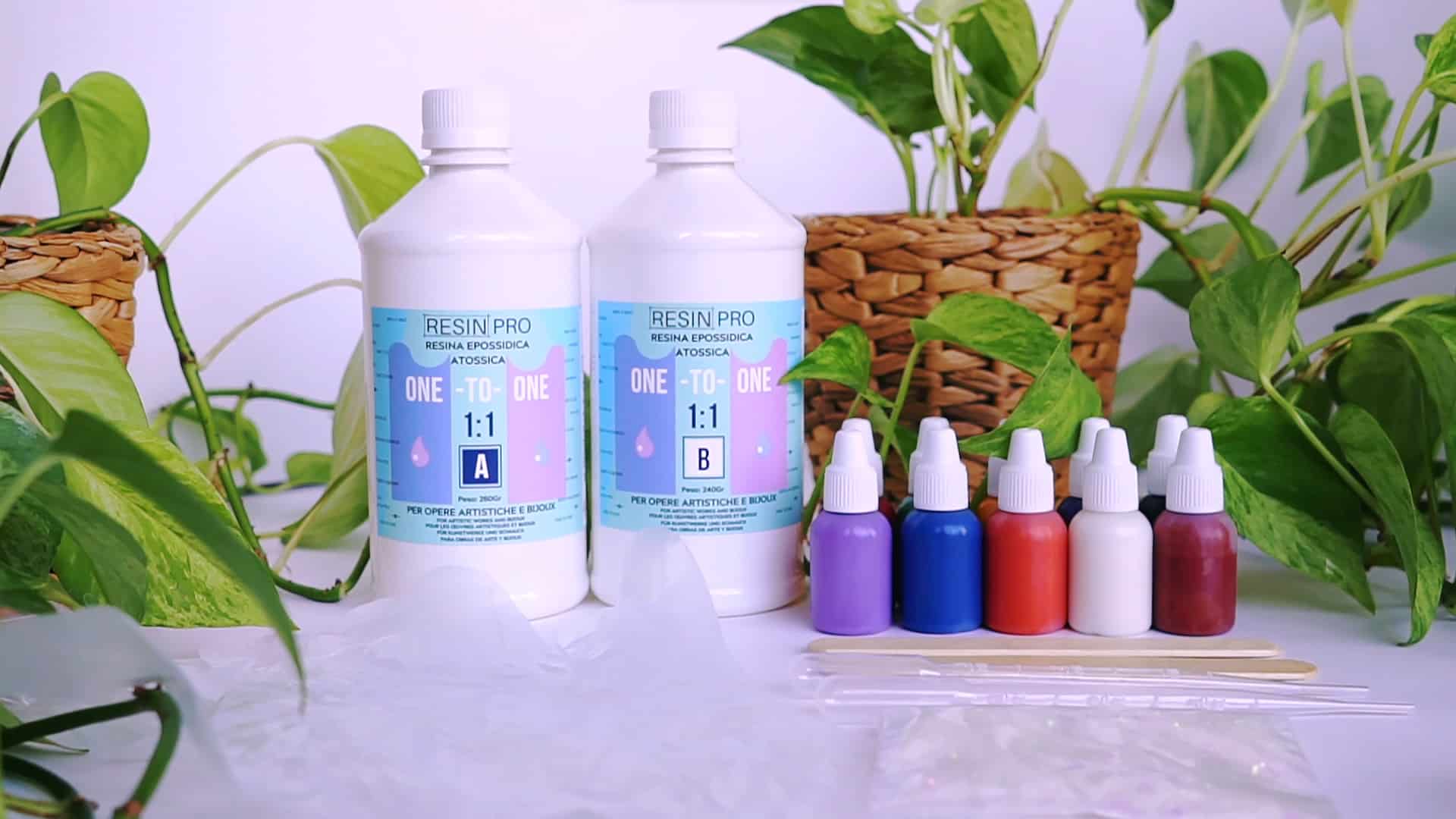
- “Evershine Collection” – Artisan Jewellery Epoxy Resin Kit with 100+ Accessories – ideal for beginners and includes all basics for pendant making
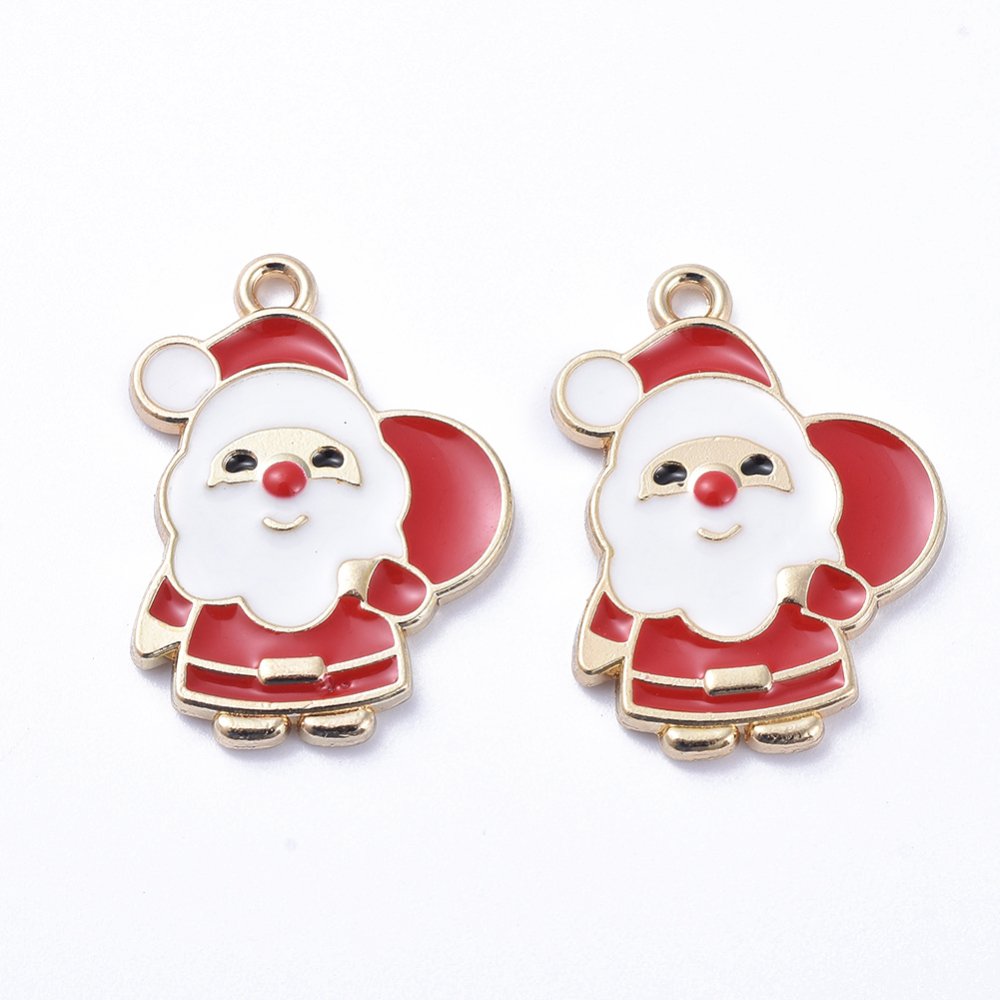
- Set of 10 Open Metal Bezels for Jewellery Making and UV Resin Projects – perfect for framing your designs and creating festive or keepsake pendants
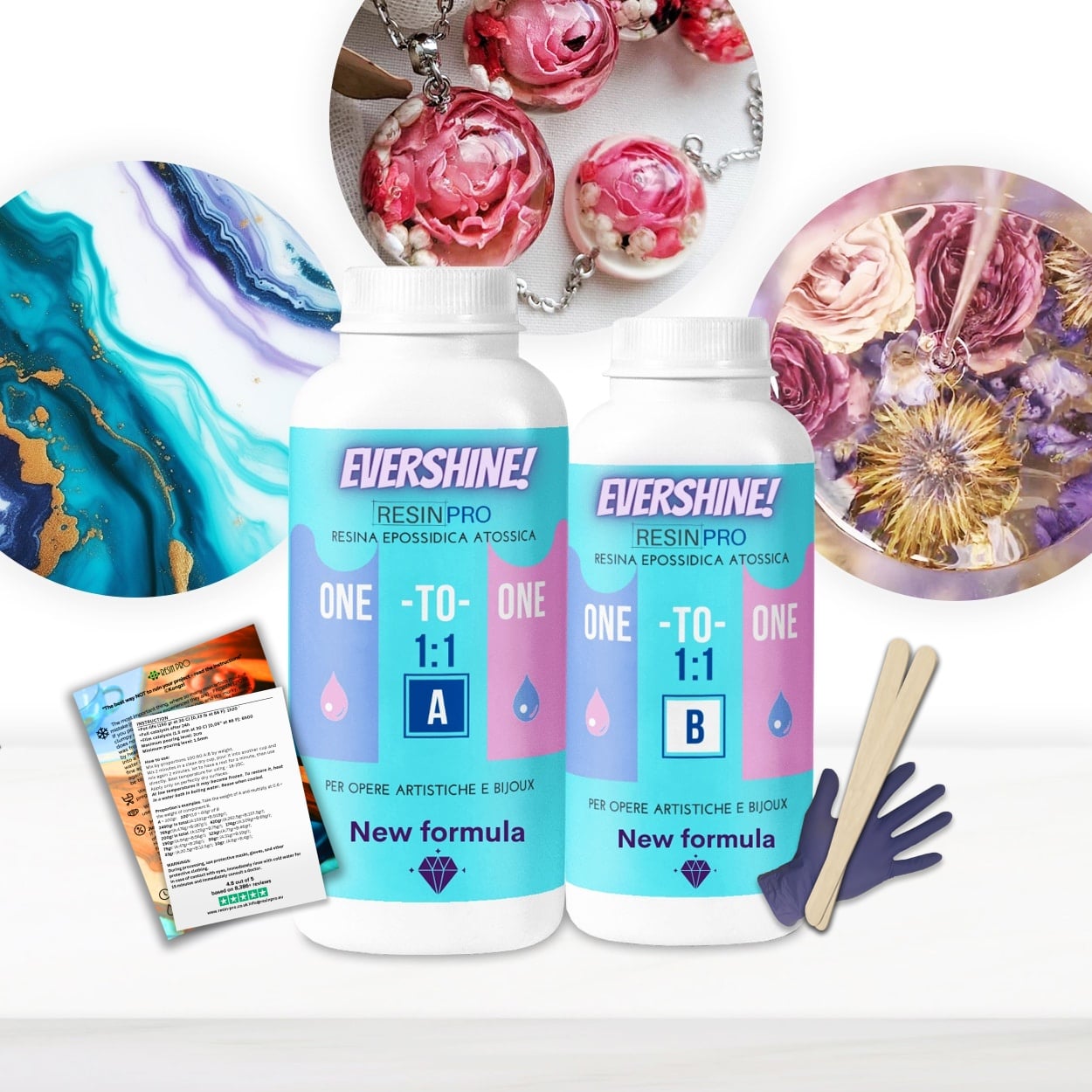
- “One-2-One” – Epoxy Resin for Handcraft, 1:1 Mixing Ratio – high-clarity resin for dazzling, glass-like results
- Protective gloves, disposable mixing cups and stirrers
- Silicone moulds or bezel frames as preferred
- Decorative elements: dried flowers, pigments, glitters (included in some kits)
- Toothpicks or a heat gun for bubble removal

Workspace and Inspiration Gallery
See how other makers have organised their resin workstations for jewellery making, and explore creative pendant ideas for every occasion. Good lighting and workflow organisation are keys to great results in resin crafts.
Step 1: Prepare Your Workspace and Materials
Start by covering your workspace with a disposable sheet or non-stick surface—epoxy can be messy, and protection will make cleanup easier. Wear gloves and ensure good ventilation. Lay out your moulds or bezels so they’re ready for pouring, and decide on any inclusions—such as dried flowers, pigment powders, or glitter—before you begin mixing.
Measure out the correct quantities of resin and hardener. If you are using the “One-2-One” – Epoxy Resin for Handcraft, 1:1 Mixing Ratio, the process is straightforward thanks to its equal parts by volume. Having all your tools to hand – including mixing sticks and any decorative elements – ensures a seamless workflow.
Step 2: Mix Your Epoxy Resin
Mixing resin correctly is critical for achieving a clear, bubble-free finish. Combine the resin and hardener as per the instructions (commonly 1:1 ratio by volume). Stir slowly and thoroughly, scraping the sides and bottom of your cup to ensure an even mix without introducing excess air.
Take your time mixing—incomplete mixing can result in sticky or cloudy pendants. If your kit includes pigments or glitter, blend them in at this stage for uniform colour and sparkle.
Step 3: Pour and Customise Your Pendants
Slowly pour your resin mixture into your chosen moulds or open bezels. If you are using the Set of 10 Open Metal Bezels for Jewellery Making and UV Resin Projects, place them on a silicone mat to contain any overflow. Incorporate decorative items such as dried flowers or alphabet letters for customisation before the resin starts to set.
Don’t overfill moulds or bezels. Fill to just below the edge to avoid spillage once bubbles are removed. Use a toothpick or heat tool to burst any surface bubbles as soon as possible after pouring—this is easiest before the resin begins to cure.
Step 4: Cure and Finish Your Resin Pendants
Allow the poured pieces to cure on a level surface, following the recommended cure time (usually 12–24 hours, but check your resin instructions). Cover the projects to protect from dust during curing.
After curing, gently remove the pendants from their moulds or bezels. If there are any rough edges, sand them carefully. Attach findings or chains to complete your jewellery. Many kits, including the “Evershine Collection” – Artisan Jewellery Epoxy Resin Kit with 100+ Accessories, supply a mini drill for making neat holes or attaching clasps.
Remove bubbles before curing. For the most professional finish, inspect your pieces a few minutes after pouring and again before the resin gels, dealing with any bubbles promptly.
Tips and Troubleshooting for Resin Pendants
- Patience with curing ensures perfection—rushing or unmoulding too early can spoil the finish.
- If inclusions float, pour the resin in two thin layers, adding flowers or charms to the second layer for optimal suspension.
- Store resin and hardener at room temperature and avoid direct sunlight during mixing and curing to prevent unwanted reactions or yellowing.
- Always read the product instructions thoroughly. Each resin formula may differ slightly for mixing and curing times.
Finishing Touches and Real Resin Pendant Examples
Discover how adding unique findings, layering colours, or embedding personalised items brings your pendant designs to life. Attention to detail during finishing elevates your work and makes each piece truly distinctive.

- "Evershine Collection" – Artisan Jewellery Epoxy Resin Kit with 100+ Accessories£20.85This all-in-one epoxy resin kit provides high-transparency resin and accessories suitable for pendant making and jewellery in the How to make…
- Set of 10 Open Metal Bezels for Jewellery Making and UV Resin ProjectsOriginal price was: £8.45.£6.85Current price is: £6.85.Set of 10 open metal bezels designed for festive jewellery making and UV resin projects, suitable for creative pendant designs and keepsakes.
- Set of 10 Open Metal Bezels for Jewellery Making and UV Resin ProjectsOriginal price was: £8.45.£6.85Current price is: £6.85.Set of 10 open metal bezels suitable for Christmas jewellery making and compatible with UV resin projects.
- "One-2-One" – Epoxy Resin for Handcraft, 1:1 Mixing RatioPrice range: £14.85 through £56.85"One-2-One" is a medium viscosity epoxy resin designed for beginners and experienced crafters making jewellery and decorative items.
Frequently Asked Questions
Can I use real flowers or petals in epoxy pendants?
Yes, dried flowers and botanicals can be embedded in epoxy resin, but ensure they are completely dry to prevent moisture issues or discolouration.
How long should I leave resin to cure for pendants?
Most epoxy resin pendants require 12–24 hours to cure fully, but always follow your chosen product's instructions for the best results.
How do I minimise bubbles when making pendants?
Mix the resin slowly to limit trapped air, and use a toothpick or heat tool to gently pop bubbles that reach the surface before curing.
What are the best types of moulds for resin pendants?
Silicone moulds and open metal bezels both work well for resin pendants, offering different levels of detail and customisation.
Is epoxy resin safe to use for jewellery?
Most epoxy resin designed for crafts is non-toxic and safe for jewellery once fully cured, but always use proper protection when handling uncured materials.
Why is my pendant sticky after curing?
Stickiness is usually caused by incorrect resin-to-hardener ratio or insufficient mixing. Double-check measurements and blend thoroughly to prevent this.