 Free shipping on orders over £29,85
  Shipping Tracking!


 Google
 Facebook
How to make resin keychains?
Creating resin keychains is a fun and rewarding craft that allows you to design personalised accessories for yourself or as thoughtful gifts. This guide covers the essential steps to cast and finish resin keychains with clarity, durability, and professional results—suitable for makers of all experience levels.
Step-by-step guide for unique, durable resin keychains


What You’ll Need
- “Evershine Collection” – Artisan Jewellery Epoxy Resin Kit with 100+ Accessories – An all-in-one kit for beginners, providing clear resin and a wide range of findings and moulds.
- “UV–Creation” – Fast Acrylic Resin, 3 Minute UV Cure – A fast-curing UV resin for small, detailed keychain projects.
- UV Resin Kit with 5 Christmas Silicone Moulds for Festive Crafting – Contains themed moulds and quick-curing resin for seasonal keychains.
- “One-2-One” – Epoxy Resin for Handcraft, 1:1 Mixing Ratio – Medium viscosity epoxy ideal for beginners and experienced makers pursuing durable, glossy finishes.
- Protective gloves and a mask
- Silicone moulds (letters, shapes, or themed moulds)
- Mixing cups, stirrers, and pipettes
- Keyring findings (splits rings, chains, clasps)
- UV lamp (if using UV resin)
- Optional: pigments, glitter, dried flowers, and embellishments

Essential Tools and Materials for Resin Keychains
Starting with a quality resin and the right silicone moulds is vital for a successful project. Choose from all-in-one kits, fast-curing UV options, or classic epoxy based on your needs. Protective gloves, a clean workspace, and dedicated mixing tools will ensure a precise, enjoyable experience and reliable results.
Step 1: Prepare Your Workspace and Moulds
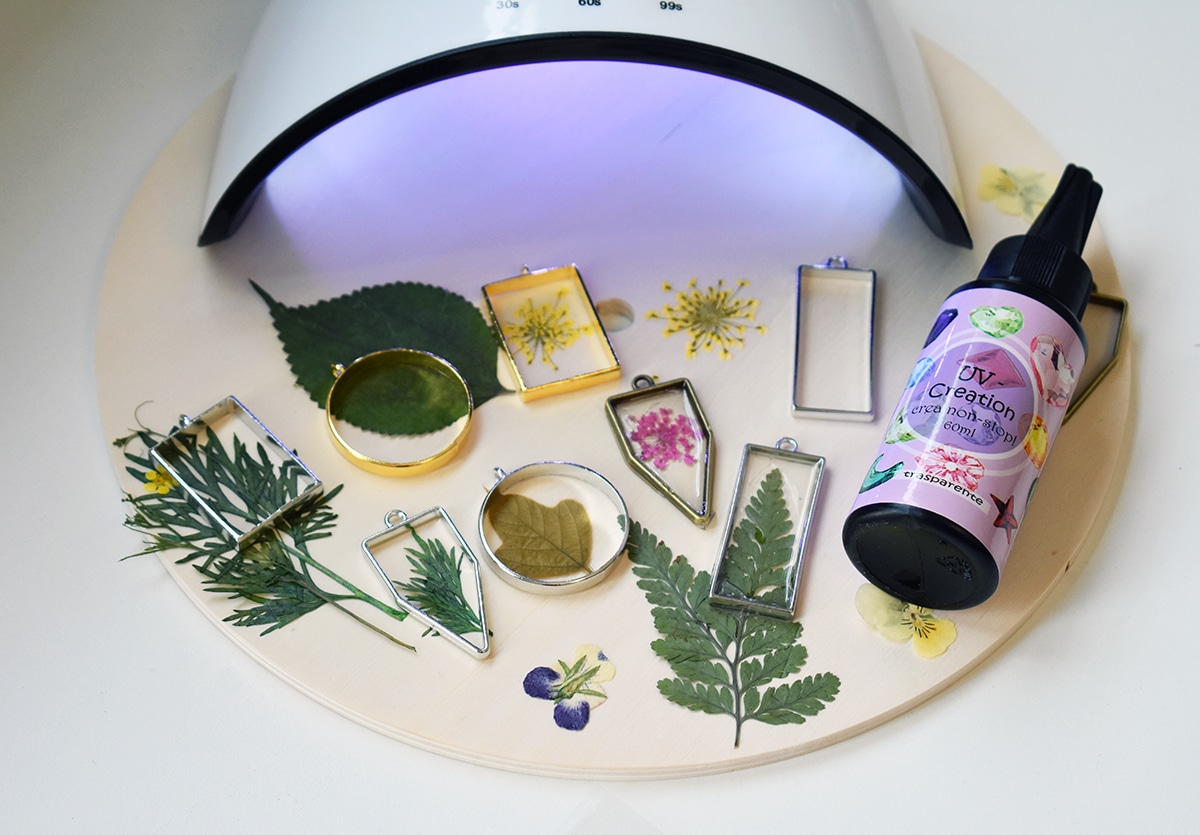
Choose a well-ventilated area with a dust-free surface. Lay out a protective sheet or tray to catch any spills. Assemble all your materials before you begin, ensuring moulds are clean and dry as any dust or moisture can affect the final finish. If you are using silicone moulds, lightly oil them with a release agent for easier demoulding, but avoid over-coating, which may blur details.
Inspect your keyring moulds and position them on a solid, level surface; this helps the resin sit evenly and reduces the risk of overflow or voids. For detailed or custom keychains, consider using alphabet or shape moulds included in dedicated kits.
Step 2: Mix and Pour the Resin
Measure the required amount of resin and hardener according to your specific resin’s mixing instructions. For example, the “One-2-One” – Epoxy Resin for Handcraft, 1:1 Mixing Ratio enables error-free preparation for beginners with its equal ratio by volume, while UV resins like “UV–Creation” – Fast Acrylic Resin come ready to use with no mixing required.
Stir thoroughly using a flat stick or paddle, scraping the sides and base to combine evenly. Pour the resin slowly into the centre of each mould cavity to limit air bubbles. Tapping the mould gently helps release trapped air. For layered or embedded effects, pour in stages and allow partial setting between layers.
Step 3: Decorate and Embellish Your Keychains
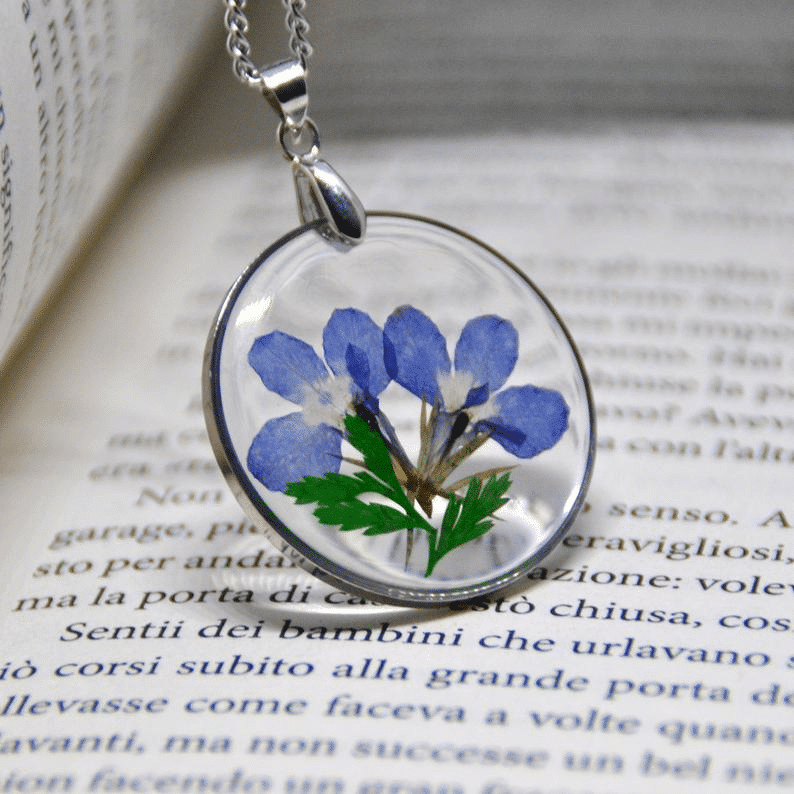
Add small decorative elements such as dried flowers, pigment powders, glitter, or found objects to the uncured resin. Insert these inclusions with tweezers for precise placement, ensuring they are fully submerged to avoid sharp edges or irregularities on the finished piece.
If you want to create festive or themed keychains, kits like the UV Resin Kit with 5 Christmas Silicone Moulds for Festive Crafting provide both the moulds and fast-curing resin to craft detailed ornaments. Work swiftly, as UV resin cures quickly when exposed to light, allowing you to layer colours or details efficiently.
Step 4: Cure the Resin
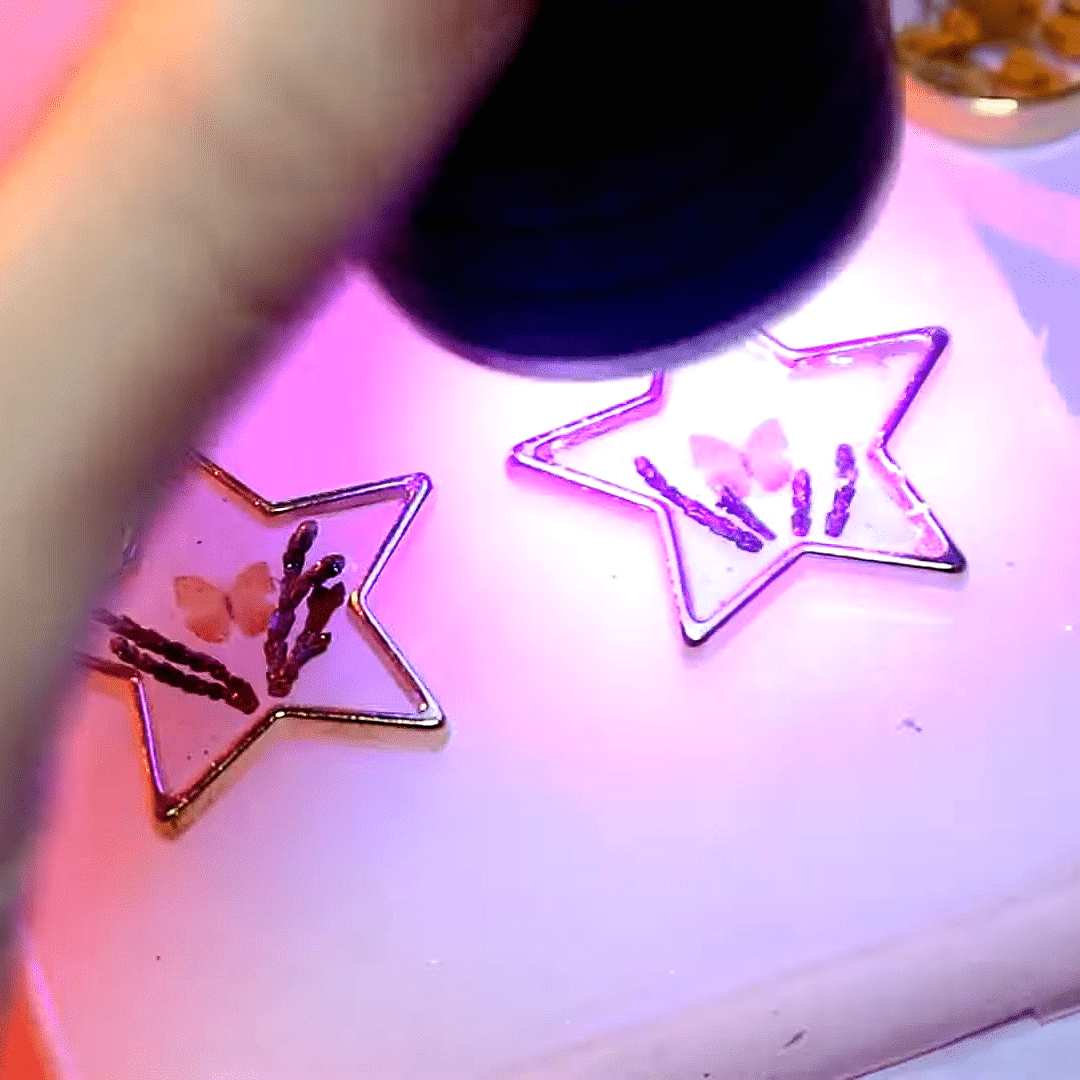
Allow the resin to fully cure before demoulding. The required time varies: traditional epoxy resins can take 12–24 hours at room temperature, while UV resin sets in just a few minutes under a UV lamp. Refer to your chosen product’s instructions for precise curing times, and avoid touching or moving the moulds during this stage to prevent unwanted marks or dust from settling.
If haste is important, “UV–Creation” – Fast Acrylic Resin can be fully cured in as little as three minutes under appropriate lighting, making it ideal for quick gifts and batch production.
Step 5: Demould and Attach Hardware
Demould and attach hardware by gently flexing the silicone moulds to release the finished keychains. Smooth any rough edges with a fine file or sanding pad. If you need to create a hole for attaching split rings or chains, use a precision drill included in comprehensive kits such as the “Evershine Collection” – Artisan Jewellery Epoxy Resin Kit with 100+ Accessories. Insert the finding, secure tightly, and polish the surface with a soft cloth for maximum shine.
Now, your custom resin keychain is ready to use or gift.
Tips, Troubleshooting, and Common Mistakes
Work in small batches to avoid resin waste or premature hardening. Wear gloves to protect your hands, and always measure resin carefully—improper ratios can result in tacky or brittle pieces. Remove bubbles by blowing gently with a straw or using a heat gun at a safe distance. Avoid pouring in a humid environment; excess moisture can cloud the resin or affect curing quality.
If you notice surface imperfections, these can often be sanded and recoated with a thin layer of resin for a flawless finish. Take your time with embedding objects—they should not break the resin’s surface.
Finishing Touches and Presentation Ideas
For a polished look, add a final shine with a soft cloth or coat, and attach fun charms or tassels for character. Present your finished keychains in small gift bags or personalised boxes, making them perfect for gifts, party favours, or small business sales.
- "Evershine Collection" – Artisan Jewellery Epoxy Resin Kit with 100+ Accessories£20.85A comprehensive epoxy resin kit suited for beginners and craft enthusiasts to create jewellery and keychains with clear resin and premium accessories.
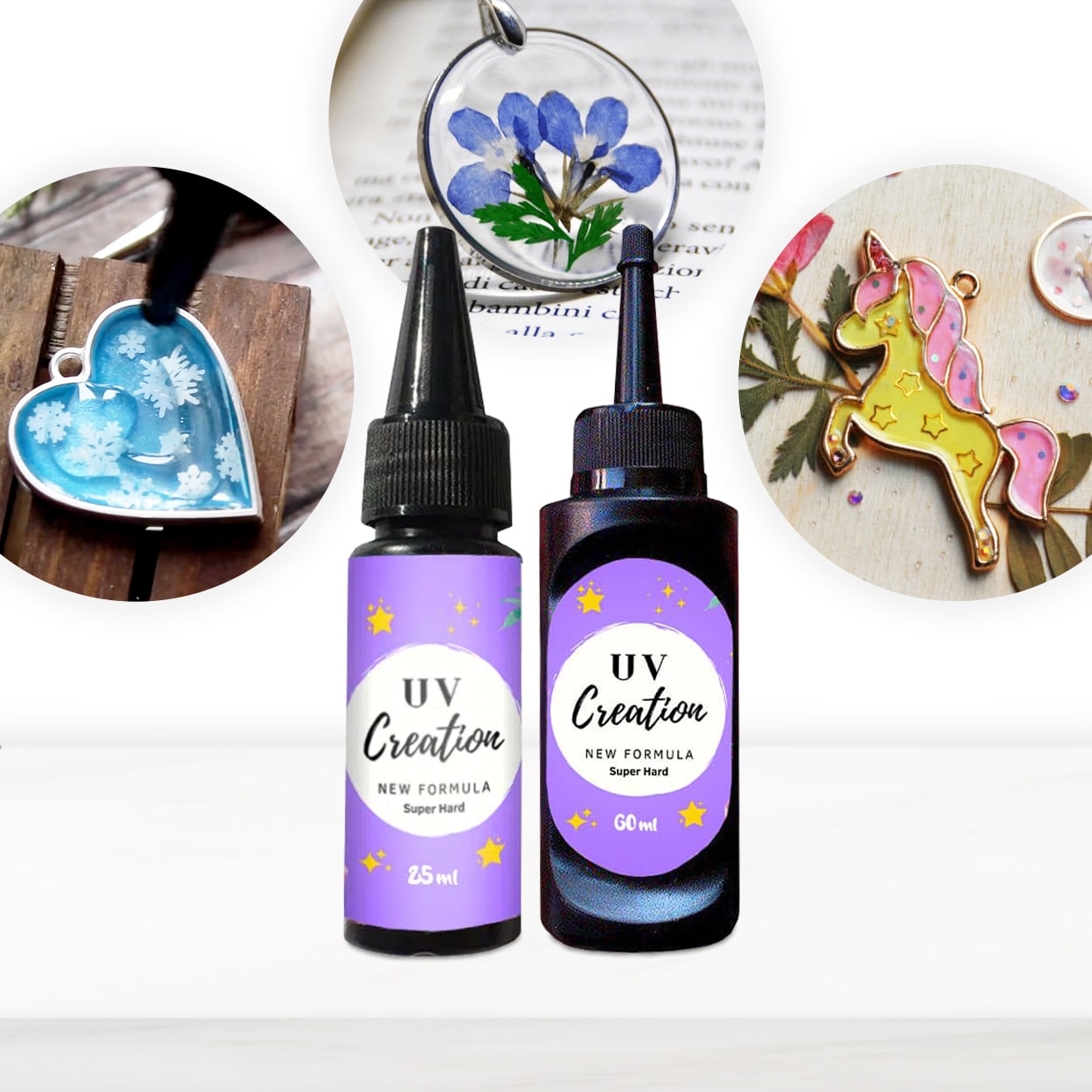
- "UV–Creation" – Fast Acrylic Resin, 3 Minute UV CurePrice range: £7.85 through £59.85UV–Creation is a ready-to-use UV acrylic resin designed for jewellery makers seeking fast curing and a clear, glossy finish.
 UV Resin Kit with 5 Christmas Silicone Moulds for Festive CraftingPrice range: £14.85 through £25.85The UV Resin Kit offers a straightforward approach to crafting festive keyrings and ornaments using clear, fast-curing UV resin and themed silicone…
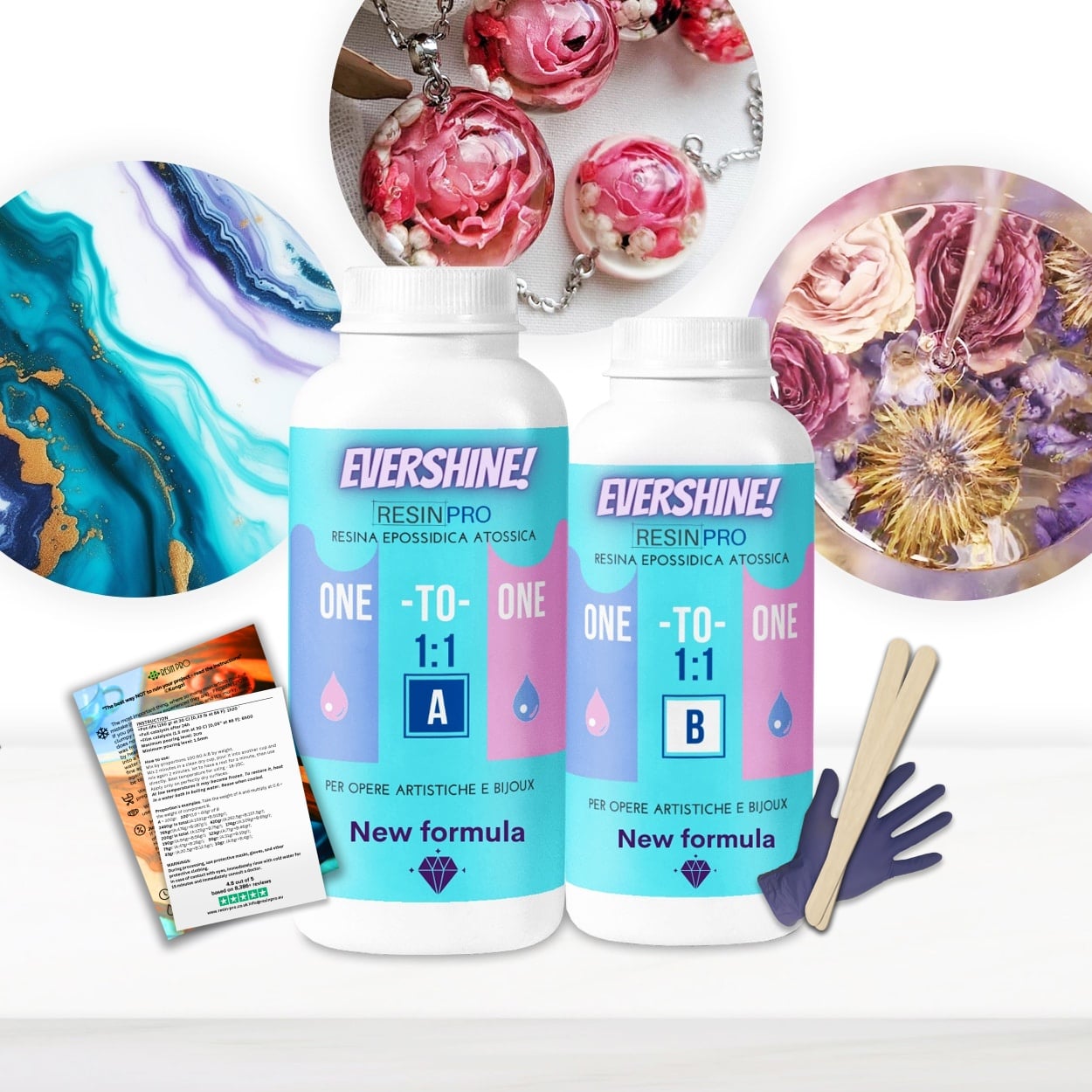 "One-2-One" – Epoxy Resin for Handcraft, 1:1 Mixing RatioPrice range: £14.85 through £56.85ONE–TWO epoxy resin is a medium viscosity resin suitable for beginners and experienced crafters, designed for jewellery and decorative projects.
Frequently Asked Questions
Can you use UV or epoxy resin for making keychains?
Both UV and epoxy resins are suitable for keychains. UV resin cures quickly under light, while epoxy resin takes longer but allows for larger pours.
How do you prevent bubbles in resin?
Pour resin slowly and tap the mould to help bubbles rise. Use a heat gun or straw to remove them before curing.
How long does resin take to cure for keychain making?
Epoxy resin takes 12–24 hours to cure fully, while UV resin can set in 2–5 minutes under a UV lamp.
Can you embed items like flowers or glitter in resin keychains?
Yes, you can embed dried flowers, glitter, or small trinkets to create customised and decorative keychains.
Which moulds are best for personalised resin keychains?
Alphabet silicone moulds are popular for personalisation, while themed or shaped moulds offer creative options for gifts and occasions.
How to drill holes in resin keychains for attaching rings or chains?
Use a fine hand drill or a mini drill tool to make precise holes without cracking the resin. Go slowly for best results.