 Free shipping on orders over £29,85
  Shipping Tracking!


 Google
 Facebook
how to make resin necklaces
Creating your own resin necklaces is a rewarding and creative way to make personalised jewellery with a glass-like finish. This guide is designed for crafters, artists, and beginners looking to master the essentials of resin necklace making, covering everything from preparing your work area to finishing your piece with confidence.
Step-by-step resin jewellery crafting basics for beginners


What You’ll Need
To craft your first resin necklace, assemble the following materials and tools:
- “Evershine Collection” – Artisan Jewellery Epoxy Resin Kit with 100+ Accessories: This all-in-one kit includes clear epoxy resin, pigments, dried flowers, a mini drill, moulds, and findings for jewellery creation.
- “One-2-One” – Epoxy Resin for Handcraft, 1:1 Mixing Ratio: Medium viscosity epoxy resin ideal for beginners wanting to customise their creations.
- “UV–Creation” – Fast Acrylic Resin, 3 Minute UV Cure: UV-cure resin for fast finishing and instant results with the help of a UV lamp.
- “Trasparente” – Multipurpose Clear Epoxy Resin for Casting – Up to 2cm: Recommended for clear, bubble-free thick castings and embedded designs.
- Silicone necklace moulds (various shapes)
- Mixing cups, sticks, pipettes, and gloves
- Necklace chains, jump rings, and pliers
- Optional: Inclusions (dried flowers, glitters, pigments, small charms)
- Paper towels and alcohol wipes for clean-up

Essential Tools and Set-up for Resin Necklace Success
Proper set-up minimises errors and ensures consistent results. Have disposable gloves, mixing sticks, and mould-release spray readily available. Organising your materials in advance helps prevent rushed steps and keeps your workspace safe and efficient.
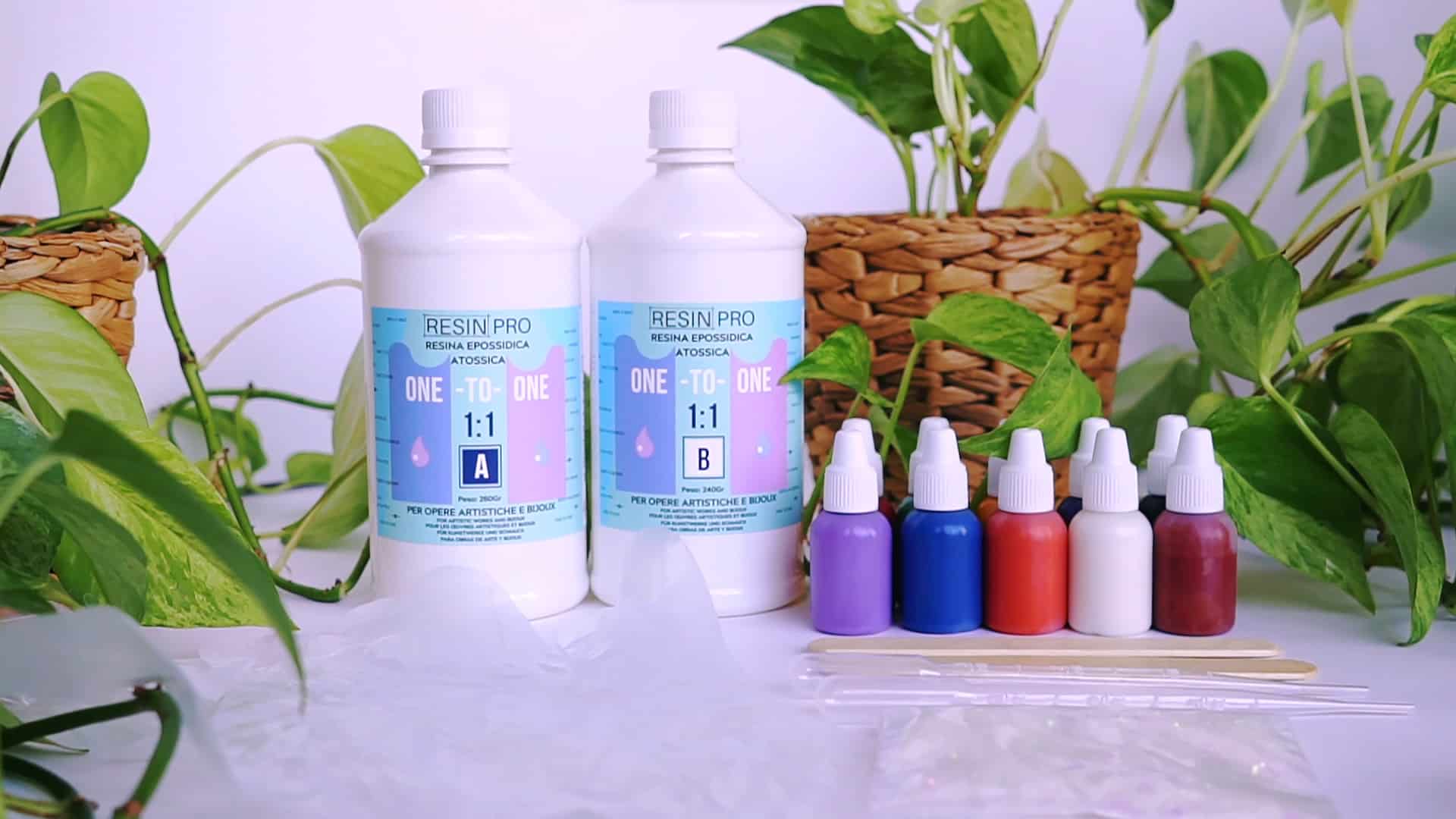
Step 1: Prepare Your Workspace and Materials
Work in a clean, dust-free area with good ventilation. Lay down a protective sheet and have all your tools within reach before mixing any resin. Always use gloves when handling resins and pigments to keep your skin safe. Read the manufacturer’s safety instructions for your chosen resin product.
Gather your silicone moulds and ensure every surface is spotless—any debris or moisture can cause surface imperfections or cloudiness. Ensure your moulds are completely dry before pouring the resin.
Step 2: Mix and Colour the Resin
Pour the required amounts of resin and hardener into your mixing cup, following the manufacturer’s mixing ratio. For beginners, a kit like the “Evershine Collection” – Artisan Jewellery Epoxy Resin Kit with 100+ Accessories or “One-2-One” – Epoxy Resin for Handcraft, 1:1 Mixing Ratio makes this step simple with a straightforward 1:1 ratio.
Mix gently for about 3–5 minutes, scraping the sides to fully incorporate both parts. Add dry pigments or inclusions like glitters and dried flowers at this stage—avoid excessive mixing, as this can introduce bubbles.
Step 3: Pour the Resin into Moulds
Pour the resin slowly into the prepared moulds, taking care to prevent spills or overfilling. If using a fast-curing product, like “UV–Creation” – Fast Acrylic Resin, 3 Minute UV Cure, simply squeeze it into your mould for direct UV lamp curing. For layer or design effects, alternate resin and inclusions for unique looks.
Pop surface bubbles with a toothpick, heat gun, or by exhaling gently over the newly poured surface, but avoid excessive heat to prevent damaging the mould or resin structure.
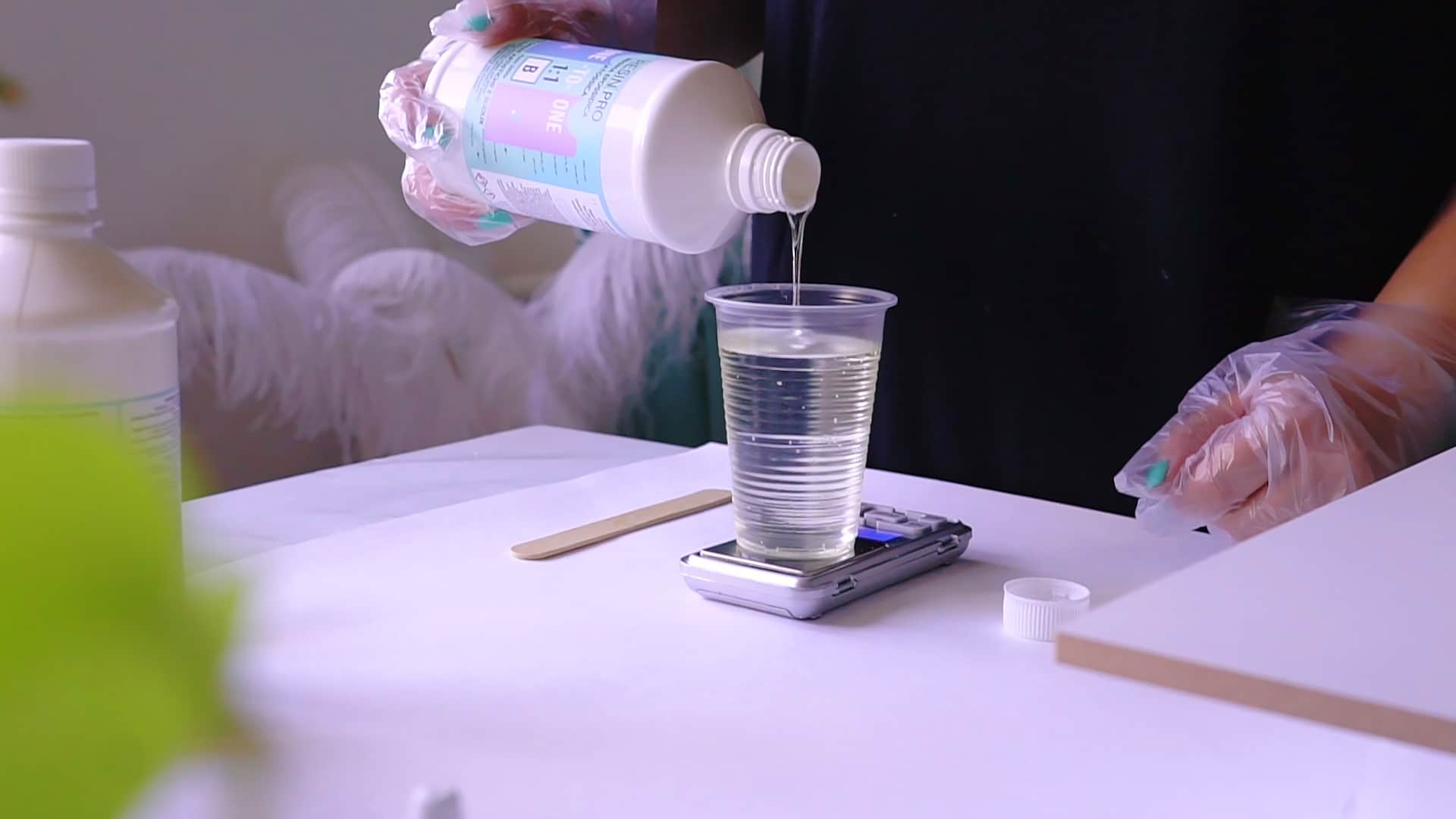
Step 4: Cure and Demould Your Creations
Depending on your chosen resin, curing can take anywhere from 3 minutes (with UV resin and lamp) to 24 hours for standard epoxies. Allow full curing time for maximum strength—do not rush this step, as incomplete curing will affect both durability and clarity.
Once fully hardened, flex the mould gently to release your necklaces. Remove any flash or sharp edges using the mini drill or a nail file for a professional touch.

Step 5: Assemble and Finish Your Necklace
Use the included findings—such as jump rings, bails, and necklace chains—from a kit like the “Evershine Collection” – Artisan Jewellery Epoxy Resin Kit with 100+ Accessories, or your preferred ones. Drill a hole if necessary, insert the hardware, and attach your pendant to a necklace chain securely.
Wipe away any fingerprints or residue with an alcohol wipe. Your one-of-a-kind resin necklace is now ready to wear or gift!
Tips, Common Mistakes, and Troubleshooting
- Do not overfill the moulds—excess resin can result in uneven backs or dripping.
- If bubbles persist, warm the resin containers slightly before use, but avoid overheating.
- Coloured inclusions or alcohol inks may not be compatible with all resins—confirm pigment suitability, especially for UV curing.
- Store unused resin tightly sealed in a cool, dark place to maximise shelf life.
- UV resin requires special UV lamps for curing—regular daylight or household bulbs are not effective.
Creative Inspiration: Embedding Botanicals and Charms
Personalise your necklace by capturing real flowers, metallic flakes, or colourful stones in clear resin. Experiment with layers and positioning to craft a truly bespoke piece. Let your creativity shine—resin jewellery rewards bold ideas!
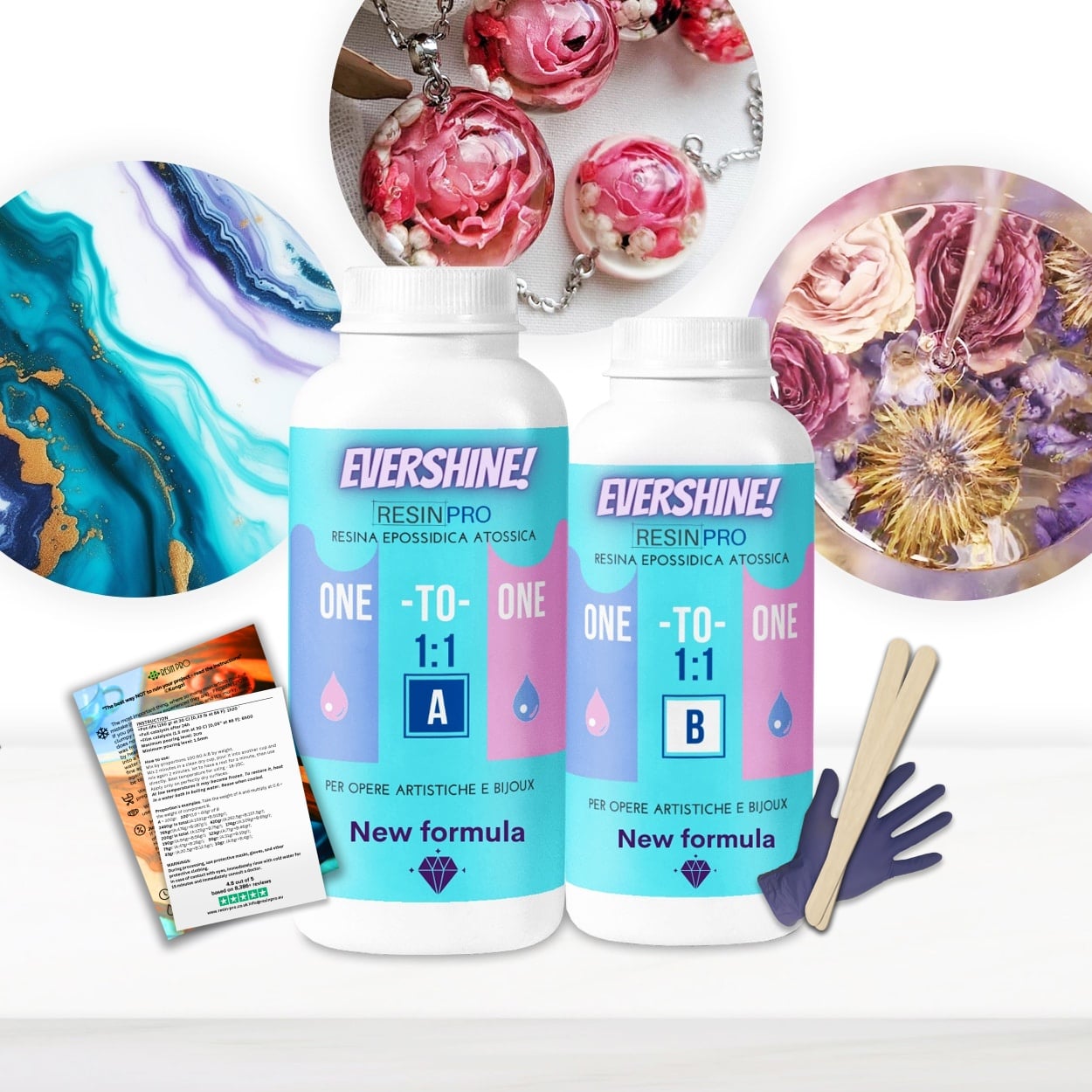
- "Evershine Collection" – Artisan Jewellery Epoxy Resin Kit with 100+ Accessories£20.85Complete jewellery kit with 500g clear epoxy resin and 100+ accessories, designed for crafting resin jewellery and creative projects.
- "One-2-One" – Epoxy Resin for Handcraft, 1:1 Mixing RatioPrice range: £14.85 through £56.85"One-2-One" epoxy resin offers a medium viscosity and easy 1:1 mixing for clear, durable results, suitable for crafting necklaces and decorative…
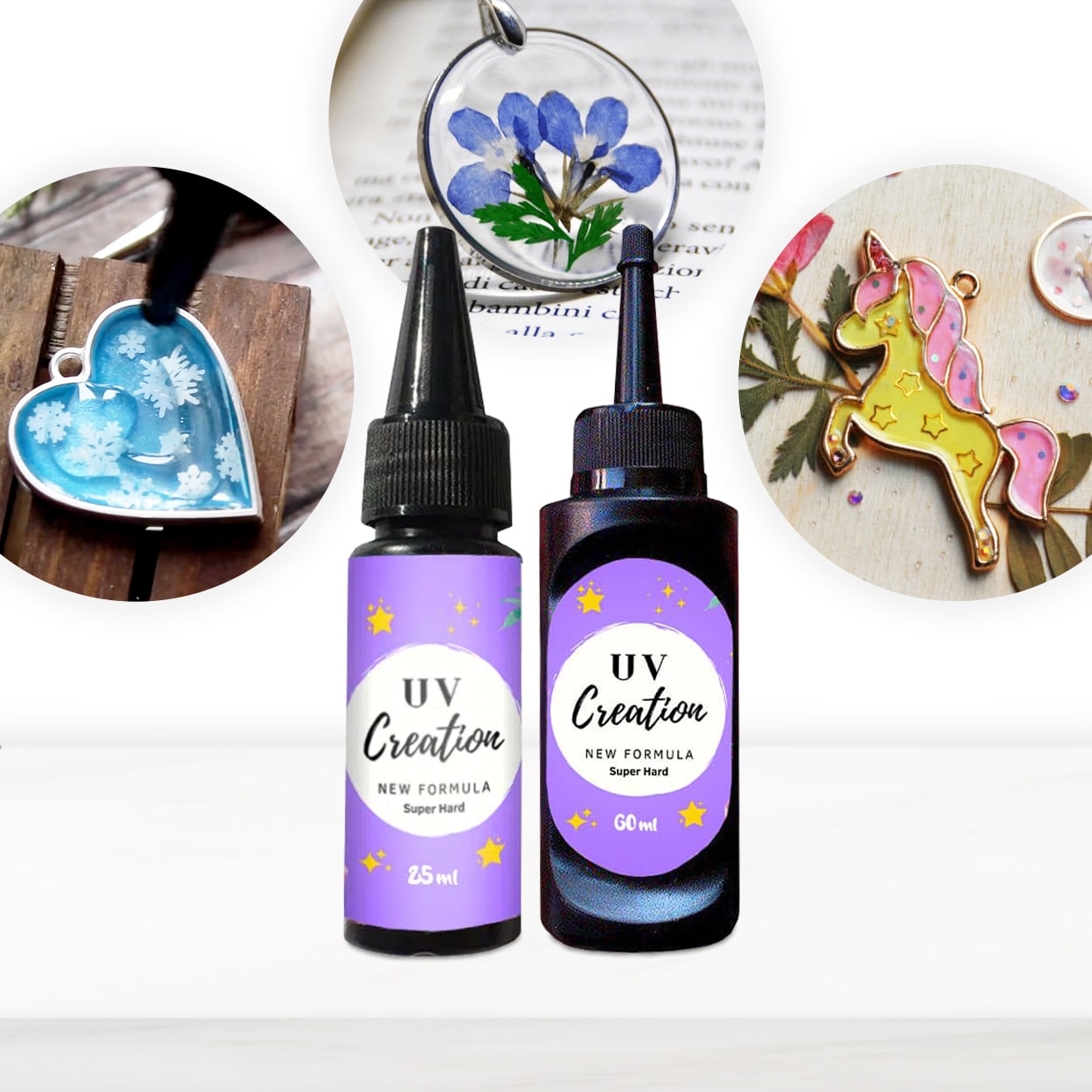 "UV–Creation" – Fast Acrylic Resin, 3 Minute UV CurePrice range: £7.85 through £59.85"UV–Creation" Fast Acrylic Resin cures quickly under UV light and offers a clear, glossy finish suitable for jewellery making.
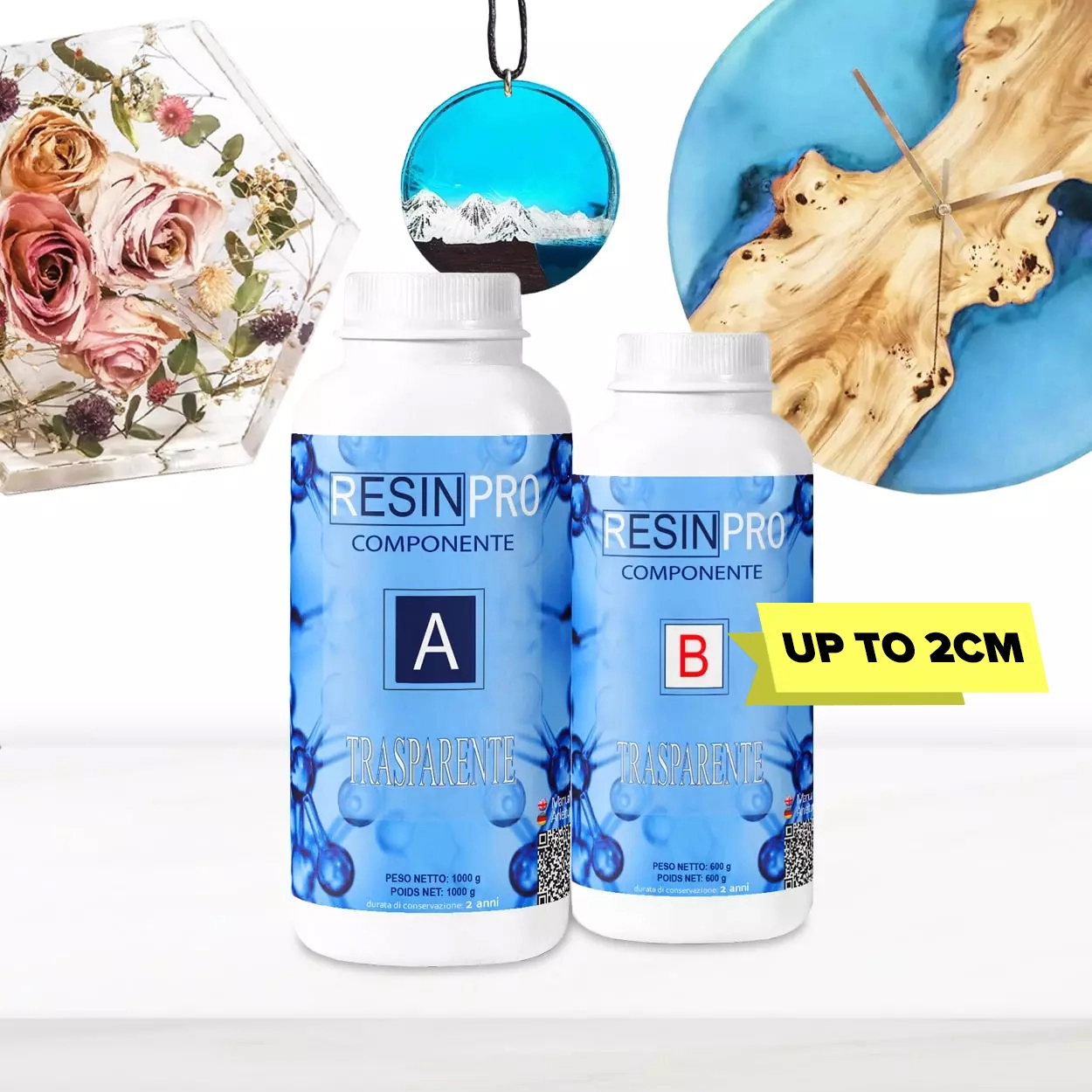 "Trasparente" – Multipurpose Clear Epoxy Resin for Casting – Up to 2cmPrice range: £8.45 through £948.85A clear, scratch-resistant epoxy resin designed for detailed castings and DIY projects within the theme of how to make resin necklaces.
Frequently Asked Questions
What is the best resin type for making necklaces?
Crystal-clear epoxy or fast-curing UV resin gives the best finish for most resin necklaces.
How can I prevent bubbles in my resin necklaces?
Mix slowly, pour gently, and use a toothpick or heat source to remove surface bubbles before curing.
Can I add fresh flowers or photographs to resin necklaces?
Use dried botanicals and properly sealed images for clear, durable results in resin embedding.
How long do resin necklaces take to cure?
UV resin can cure in minutes, while standard epoxy resins typically require 12–24 hours for a complete cure.
Can I use household items as moulds for resin necklaces?
Silicone moulds made for resin are recommended, but some household silicone trays can work for basic shapes.
Should I wear gloves when making resin jewellery?
Yes, gloves are essential for safe handling and for keeping your project clean and free of contamination.
How do I clean resin from my tools?
Wipe down tools with alcohol before the resin cures, or let excess harden and peel it off later.