 Free shipping on orders over £29,85
  Shipping Tracking!


 Google
 Facebook
How to paint polyester resin
Step-by-step guide to prepping, painting, and finishing

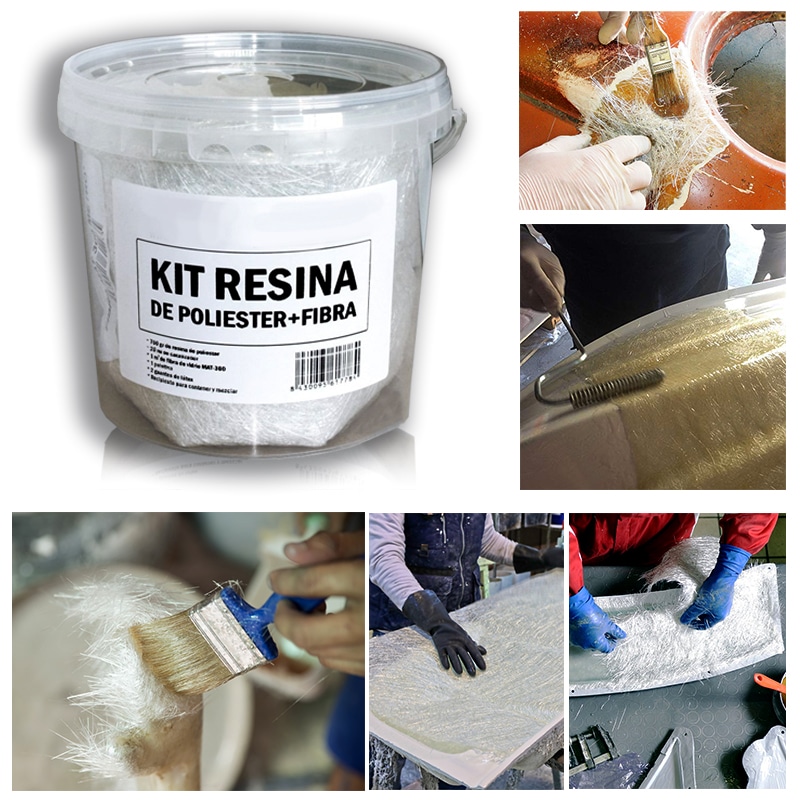
Painting polyester resin can breathe new life into repairs or art projects using fibreglass, rigid plastics, or composite materials. A proper paint finish not only enhances appearance but also adds an extra layer of protection against environmental factors. This hands-on guide will show you the best practices for priming, painting, and sealing polyester resin to ensure outstanding results that last.
What You’ll Need
- Resin Fibreglass Repair Kit – Complete Polyester Resin and Hardener Set – for filling, sealing, or prepping repairs if your surface has imperfections.
- “Epoxy Polish” – Epoxy Resin Polishing System – for polishing cured resin surfaces before or after painting for a professional finish.
- 12-Piece Artists Paint Brush Set for Epoxy Resin Art & DIY Projects – for precise, detailed, or broad paint application.
- Suitable sandpaper (180–400 grit)
- Lint-free cloths
- High-quality primer (plastic or multi-surface)
- Acrylic or polyurethane paint for plastics
- Respiratory protection and gloves
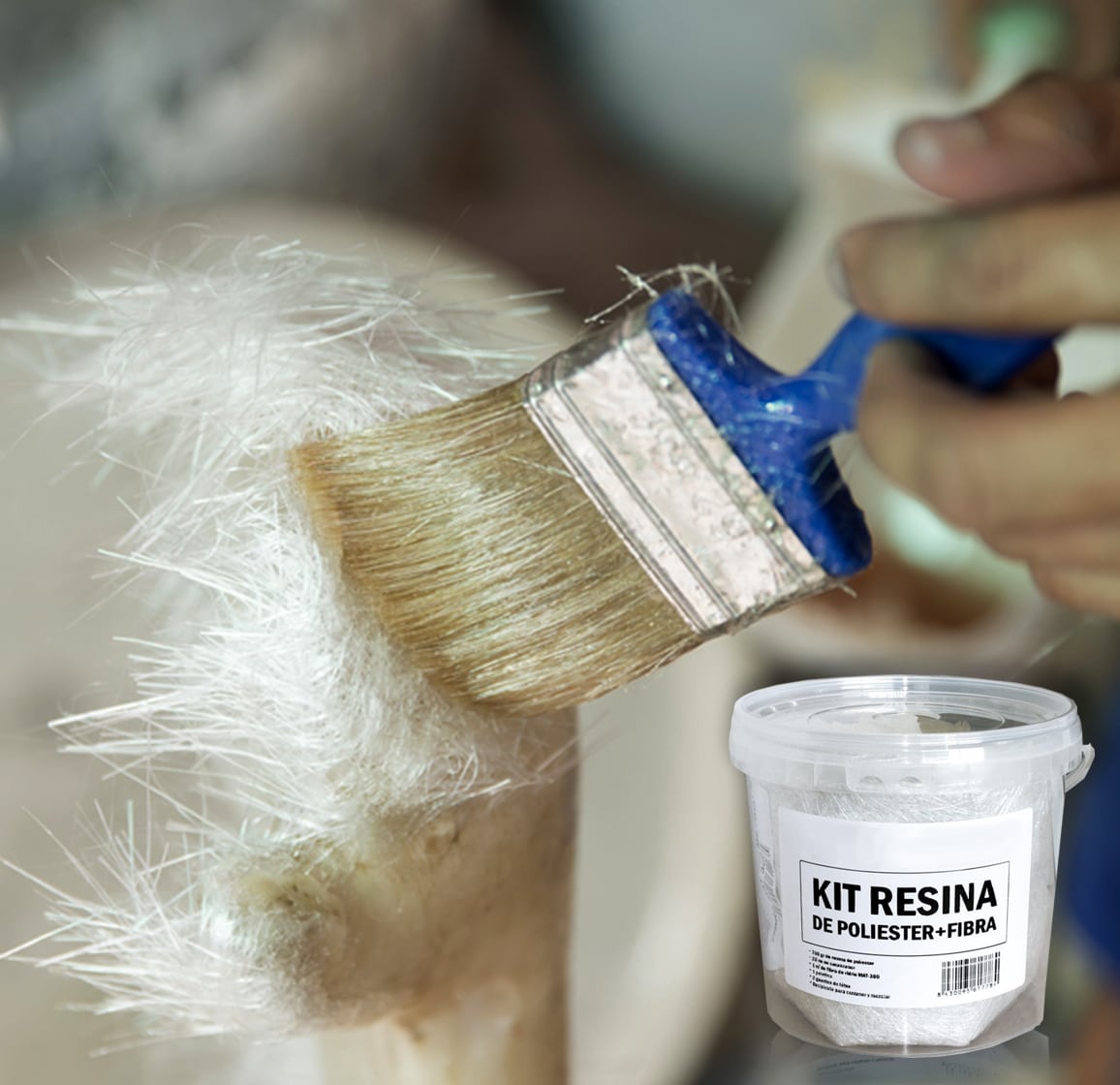
Preparing Your Workspace for Painting Resin
Set up a well-ventilated area with good lighting and a dust-free environment. Lay down protective sheets and gather all your materials before starting to ensure a smooth workflow. Having everything within reach can help prevent mistakes during the painting process.
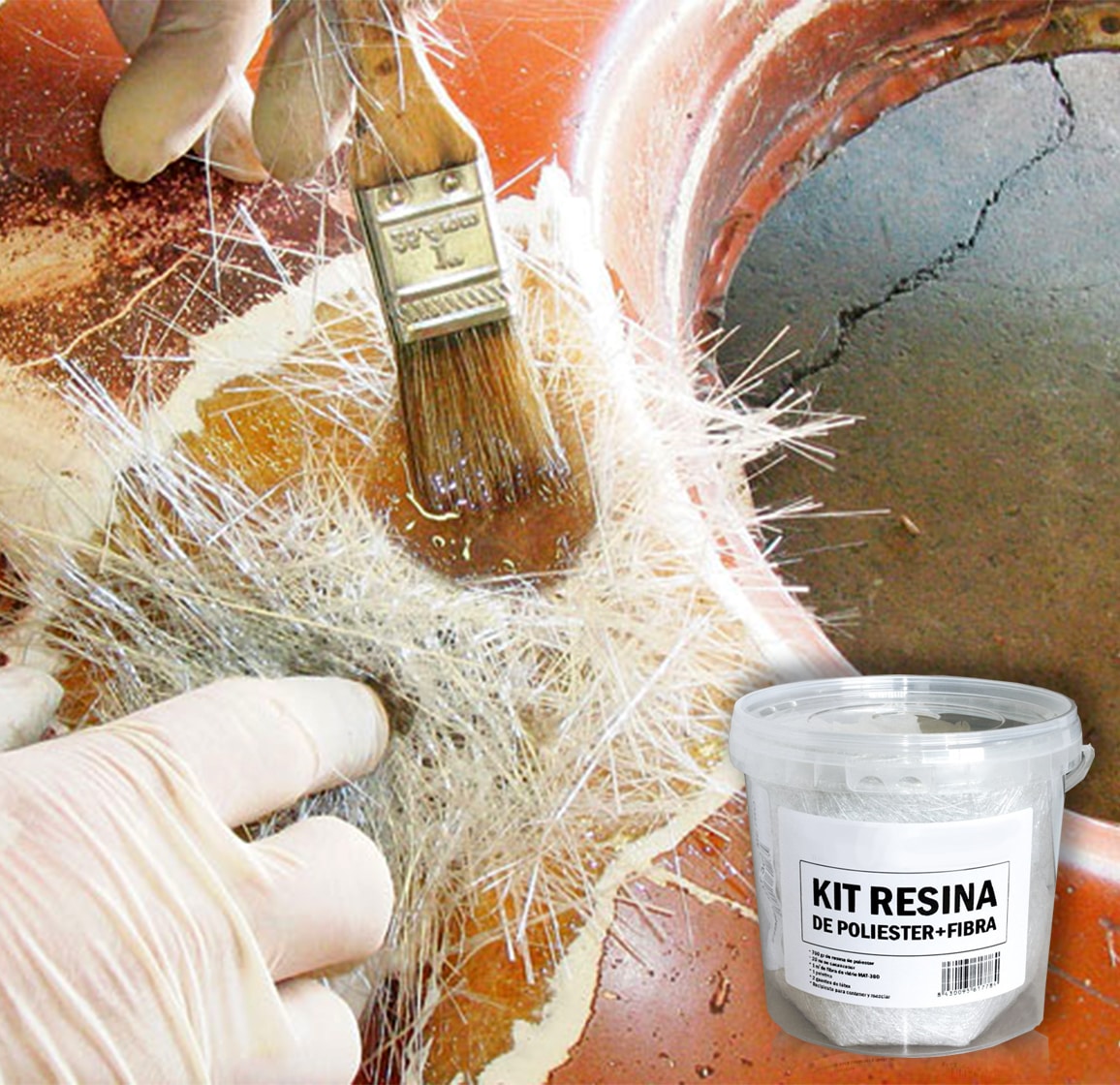
Step 1: Prepare the Resin Surface
Cleanliness is critical for a long-lasting paint finish. Begin by thoroughly removing dust, grease, and any residues from the polyester resin using a mild detergent. Rinse and allow it to dry completely. If repairing cracks or imperfections, now is the ideal time to fill and sand them. The Resin Fibreglass Repair Kit – Complete Polyester Resin and Hardener Set is well-suited for structural repairs on fibreglass or rigid plastics before painting. Follow the kit instructions for curing and ensure the surface is smooth before moving on.
Step 2: Sand for Adhesion
Use fine grit sandpaper (180–400 grit) and sand the surface to create microscopic roughness, which helps paint and primer adhere better. Sanding provides proper adhesion and prevents peeling over time. Once sanded, wipe away dust with a lint-free cloth and ensure the surface is completely clean and dry.
Step 3: Apply Primer and Paint
Apply a thin, even coat of a high-quality primer suitable for plastic or resin surfaces. Allow it to dry completely according to the product instructions. Next, use an acrylic or polyurethane paint that’s compatible with plastics. The 12-Piece Artists Paint Brush Set for Epoxy Resin Art & DIY Projects can help you achieve detailed or broad coverage, especially for intricate resin shapes. Use appropriate primers and paints and apply several light coats rather than one heavy coat to prevent runs and unevenness. Let each layer dry fully before applying the next.
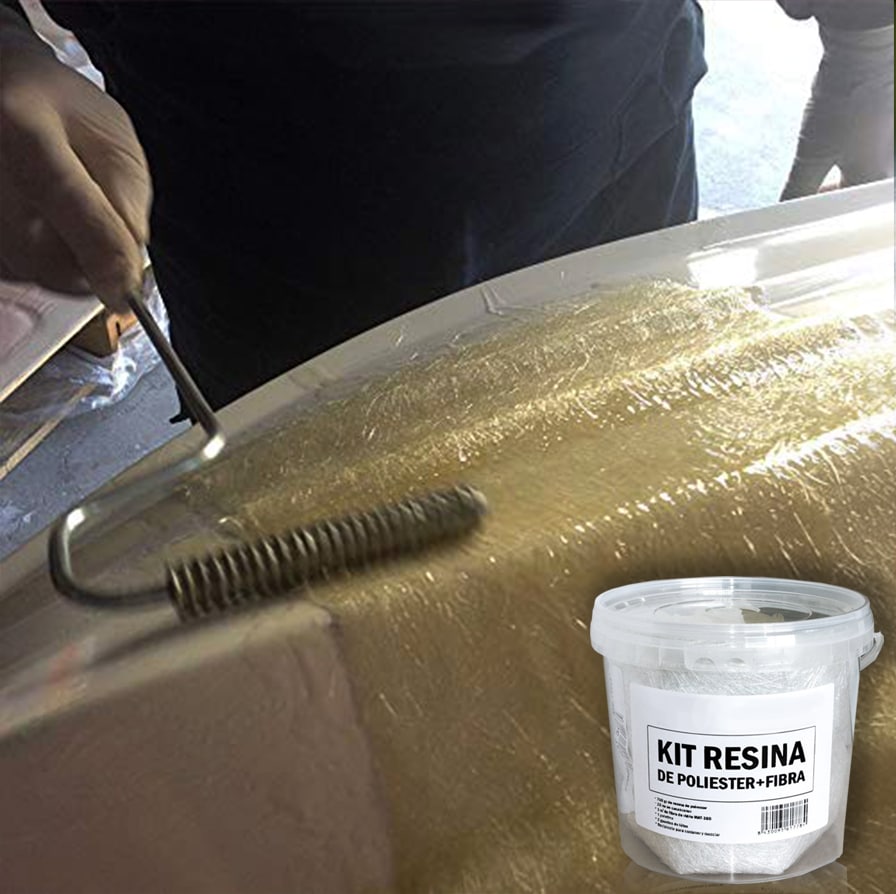
Step 4: Cure and Polish for the Perfect Finish
After your final paint layer, let the object cure as recommended by the paint manufacturer—this could take several days. Allow proper curing for durability and a flawless result. Once fully cured, you may wish to lightly polish the painted resin for a high-gloss finish using the “Epoxy Polish” – Epoxy Resin Polishing System, following included instructions for manual or machine polishing. This step is optional but can further enhance and protect the painted surface.

Tips, Common Mistakes, and Troubleshooting
Avoid thick paint layers as these can cause drips or pooling on the slick resin surface. If the paint isn’t sticking, double-check that the resin isn’t oily or glossy—sanding and degreasing may be needed again. Test on a small area first to confirm that your chosen paint, primer, and polish are compatible. Patience in preparation and drying times pays off with a smooth, professional-looking finish.
Achieving Long-Lasting Resin Paint Finishes
Seal painted resin for extra protection by applying a clear polyurethane or acrylic topcoat once the paint has fully cured. This step defends against scratches, UV exposure, and moisture, preserving your finish for years of use.
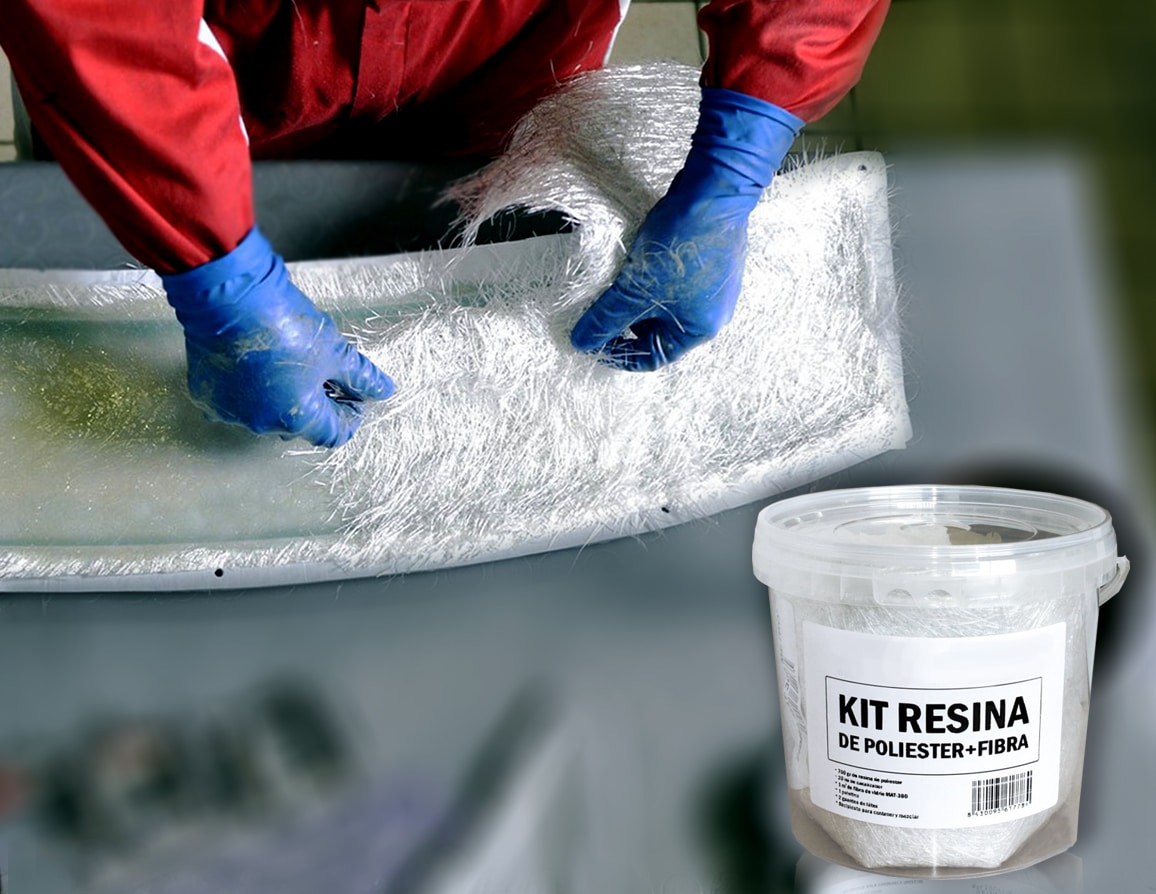
- Resin Fibreglass Repair Kit – Complete Polyester Resin and Hardener SetPrice range: £13.85 through £22.85The Resin Fibreglass Repair Kit provides a professional polyester resin solution for strong, waterproof repairs in line with the 'How to paint…
- "Epoxy Polish" – Epoxy Resin Polishing SystemPrice range: £17.85 through £44.85An epoxy resin polishing system designed for restoring gloss and removing scratches on resin surfaces.
 12-Piece Artists Paint Brush Set for Epoxy Resin Art & DIY Projects£6.45This 12-piece brush set contains versatile synthetic brushes designed for use in resin art projects under the chosen theme.
Frequently Asked Questions
What type of paint works best on polyester resin?
Acrylic or polyurethane paints designed for plastics provide excellent adhesion and durability for polyester resin surfaces.
Why should I sand polyester resin before applying paint?
Sanding creates a key for the paint, helping it grip the resin, reducing the risk of peeling or lifting after application.
Can I paint directly onto polished polyester resin?
No, paint adheres poorly to glossy surfaces. Light sanding is required, even on previously polished resin, to ensure adhesion.
Is it necessary to use a primer on polyester resin before painting?
Using a primer is highly recommended for adhesion and a smoother, more durable finish. Choose a primer suitable for plastics or resins.
How can I prevent paint from peeling off polyester resin?
Thorough cleaning, sanding, priming, and use of paint meant for plastics are essential steps to prevent peeling or flaking.
How long should I let polyester resin cure before painting?
Polyester resin should be fully cured, usually at least 24–48 hours, before sanding and painting to ensure adhesion and finish.