 Free shipping on orders over £29,85
  Shipping Tracking!


 Google
 Facebook
How to repair a panel with resin?
Repairing a panel with resin is a highly effective way to restore structural strength, waterproofing, and a smooth finish to damaged wood, fibreglass, or composite surfaces. This comprehensive guide walks you through each essential step, from the initial prep work to achieving a professional result, ensuring your panel is restored for both durability and aesthetics.
Achieve professional panel repairs across wood and composites

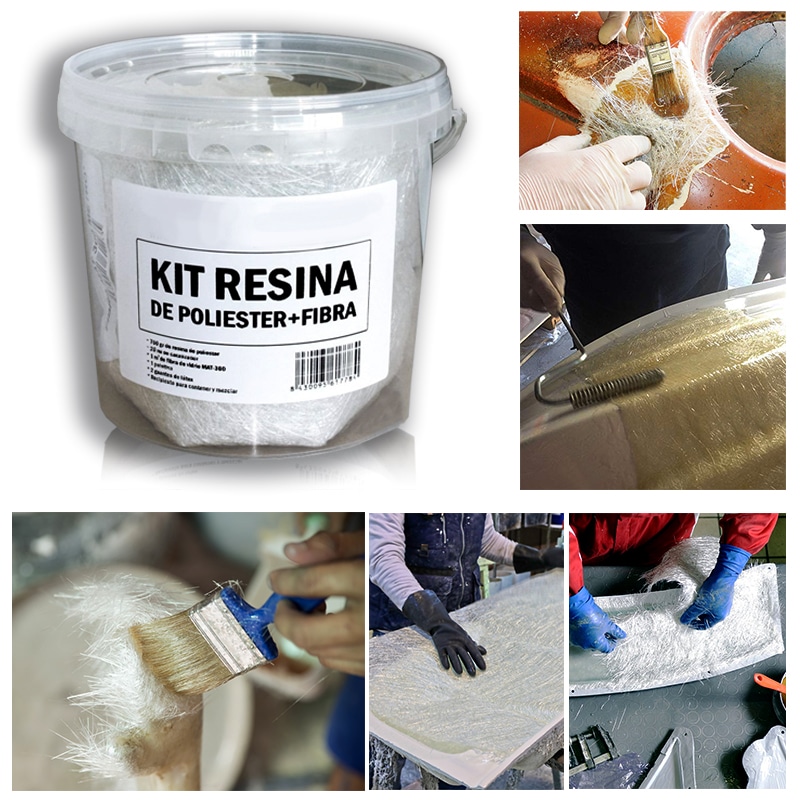
What You’ll Need
Gather the materials and tools vital for a successful panel repair:
- Resin Fibreglass Repair Kit – Complete Polyester Resin and Hardener Set – An all-in-one kit ideal for composite repairs on rigid panels.
- “Carbon Resin” – Epoxy Resin for Carbon Fiber & Fiberglass Coating – Ensure strong impregnation and impact resistance on fibreglass or carbon fibre panels.
- “EpoxyWood” – Wood Restoration Epoxy Resin for Deep Penetration and Waterproofing – Suitable for deep repairs and waterproofing on wood panels.
- “EpoxyTable 5-Five” – Deep Pour Epoxy Resin for Tables and Large Projects – Up to 5cm – Recommended for repairing panels with thick repairs or deep pours.
- Protective gloves, sanding tools, mixing containers, applicator brush, and suitable reinforcement such as fibreglass mat (if required).
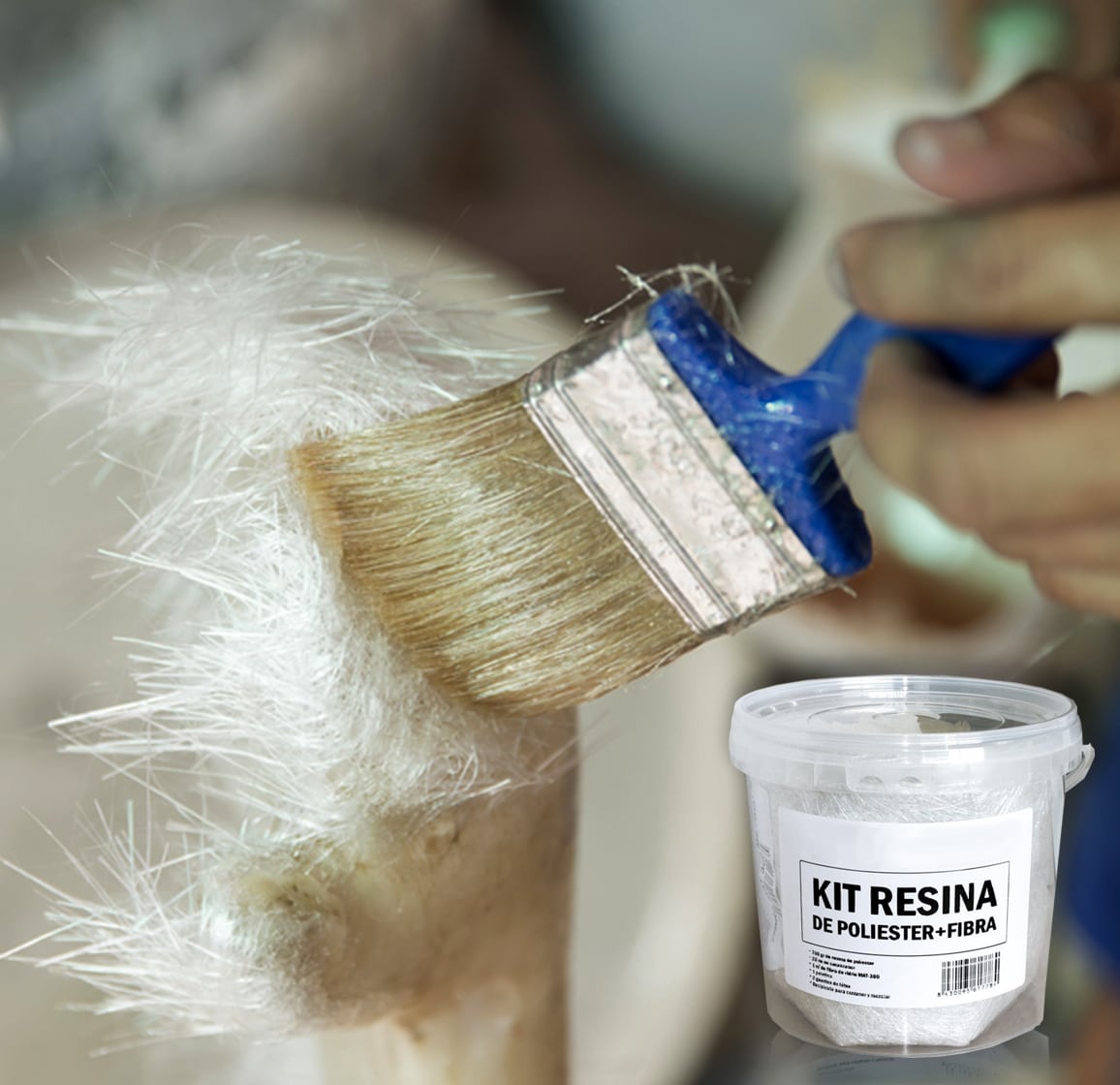
Key Tools and Repair Materials
Using the right products makes all the difference when repairing panels. Consider the Resin Fibreglass Repair Kit for composites or the EpoxyWood Epoxy Resin for wooden surfaces. Always check compatibility with your panel material before starting the repair process.
Step 1: Thoroughly Clean and Dry the Damaged Panel
Begin by clearing the repair area of all contaminants. Remove loose material, dust, and debris using a brush or vacuum. Clean the affected panel with a suitable solvent, ensuring the area is free from grease, oil, or moisture. If you’re working with wood, allow the substrate to dry completely to ensure proper resin adhesion. On fibreglass or composite panels, moisture or remaining dust can prevent the resin from bonding effectively. A well-prepared surface is crucial for a strong, lasting repair.
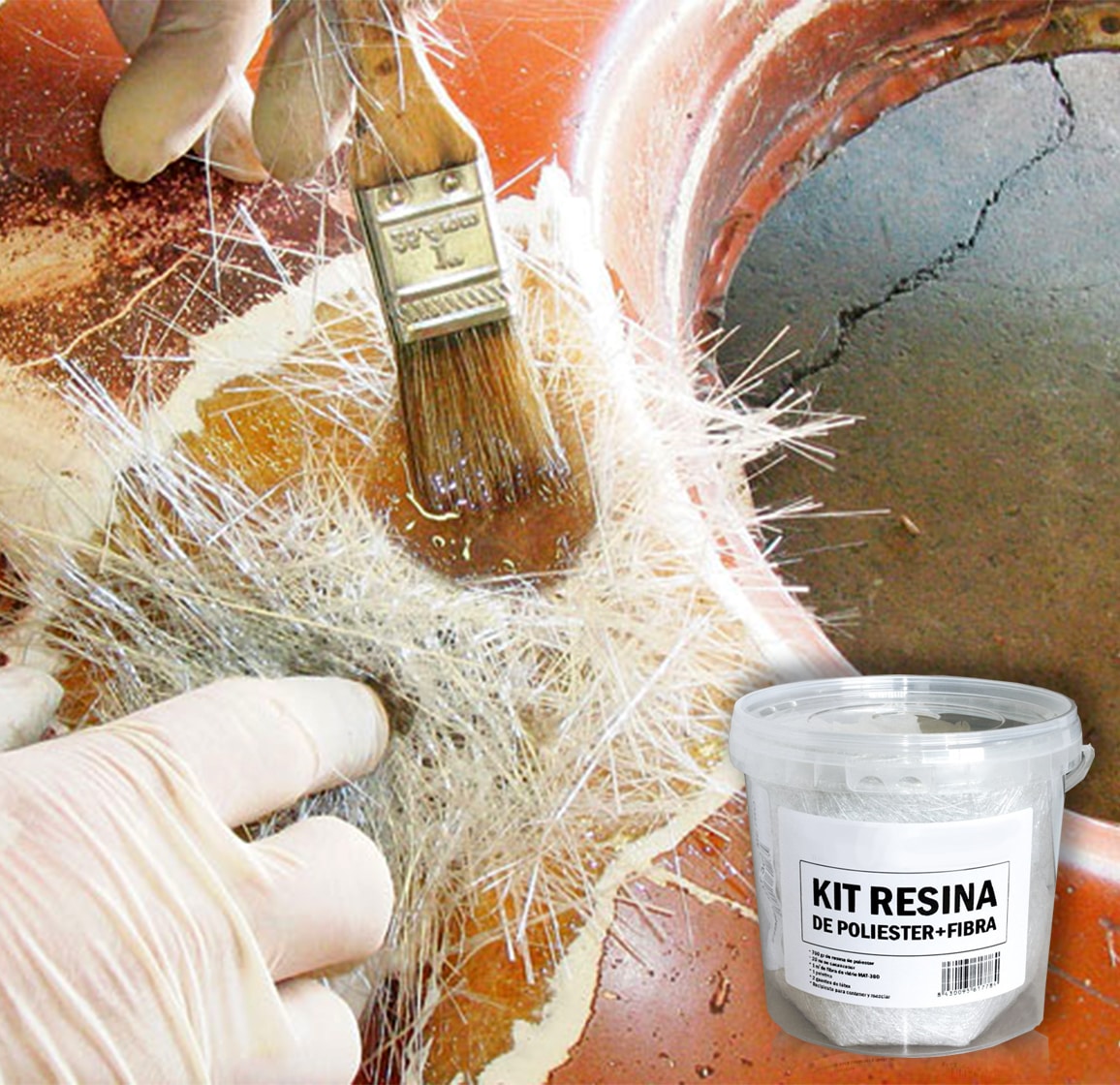
Resin Fibreglass Repair Kit – Complete Polyester Resin and Hardener Set
An all-in-one kit designed for durable fibreglass composite repairs on rigid materials.
Step 2: Prepare, Cut, and Position Reinforcing Material if Required
For larger or structural repairs, especially on fibreglass or composite panels, reinforcement is essential. Cut a piece of fibreglass mat or carbon fibre cloth slightly larger than the damaged area. Position it in place on the panel, checking that it sits flat without folds or creases. This reinforcement distributes loads and maximises durability. For wood repairs, this step may not be necessary unless extra strength is needed or if the damage is extensive.
Step 3: Mix Your Resin According to Package Instructions
Accurate mixing is vital for performance and curing. Using a clean container, mix your chosen resin and hardener according to the manufacturer’s recommended ratio. For wood repairs, “EpoxyWood” – Wood Restoration Epoxy Resin for Deep Penetration and Waterproofing is ideal, ensuring deep absorption and long-term moisture protection. For composite repairs, use the Resin Fibreglass Repair Kit or “Carbon Resin” – Epoxy Resin for Carbon Fiber & Fiberglass Coating, depending on your material. Mix slowly and thoroughly to minimise bubbles, and prepare only what you can apply within the resin’s working time to avoid waste.
Resin Fibreglass Repair Kit – Complete Polyester Resin and Hardener Set
An all-in-one kit designed for durable fibreglass composite repairs on rigid materials.
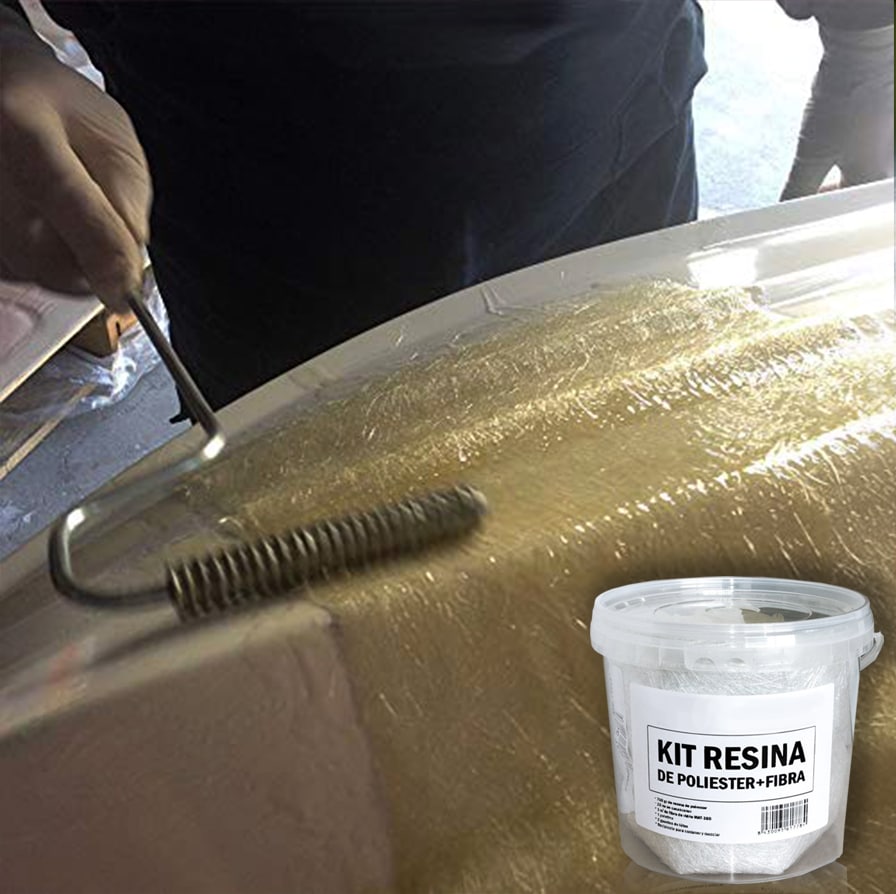
Step 4: Apply Resin and Reinforcing Material Evenly
With gloves on, use a brush or spatula to apply a layer of mixed resin to the cleaned, prepared repair area. Place the pre-cut reinforcement fabric (if needed) into the wet resin, and saturate it by gently pressing in more resin as required. Continue building thin layers if a deep repair is needed, for example with “EpoxyTable 5-Five” – Deep Pour Epoxy Resin for Tables and Large Projects – Up to 5cm for repairs requiring deeper fills. Take care to eliminate air bubbles by working gradually. Use a spreader or roller for a smooth surface, working the resin evenly across the panel without over-applying.
Step 5: Allow Sufficient Curing and Complete the Finish
Allow the repair to cure undisturbed, following the resin’s curing time as stated in the instructions. Keep the area dust-free for a flawless finish. Once hardened, sand the repaired zone to blend it with the surrounding surface, stepping through finer sandpapers for smoothness. If required, apply a final coat of resin for a high-gloss and protective surface, especially important for visible repairs. For wood panels, sanding after curing ensures a seamless repair that matches the original finish, while composite repairs benefit from meticulous smoothing and optional topcoating for enhanced durability.

"Carbon Resin" – Epoxy Resin for Carbon Fiber & Fiberglass Coating
Epoxy resin designed for carbon fibre and fibreglass projects requiring good impregnation and impact resistance.
Tips, Common Mistakes, and Troubleshooting
Always measure and mix resin precisely – Incorrect ratios can lead to incomplete curing or weak repairs.
Work in a well-ventilated environment and wear protection – Resin and hardener fumes may be harmful if inhaled, and gloves prevent skin exposure.
Pre-test on a scrap area when using a new resin – Surface compatibility and final appearance can vary based on substrate and working conditions.
Avoid working on damp panels or in cold, humid environments – These can delay curing or introduce imperfections.
Expert Panel Repair Advice
Take your time with resin repairs—patience during prep, application, and curing ensures the best results. If problems arise, review the instructions for your chosen resin and adapt your technique accordingly for a seamless and long-lasting finish.
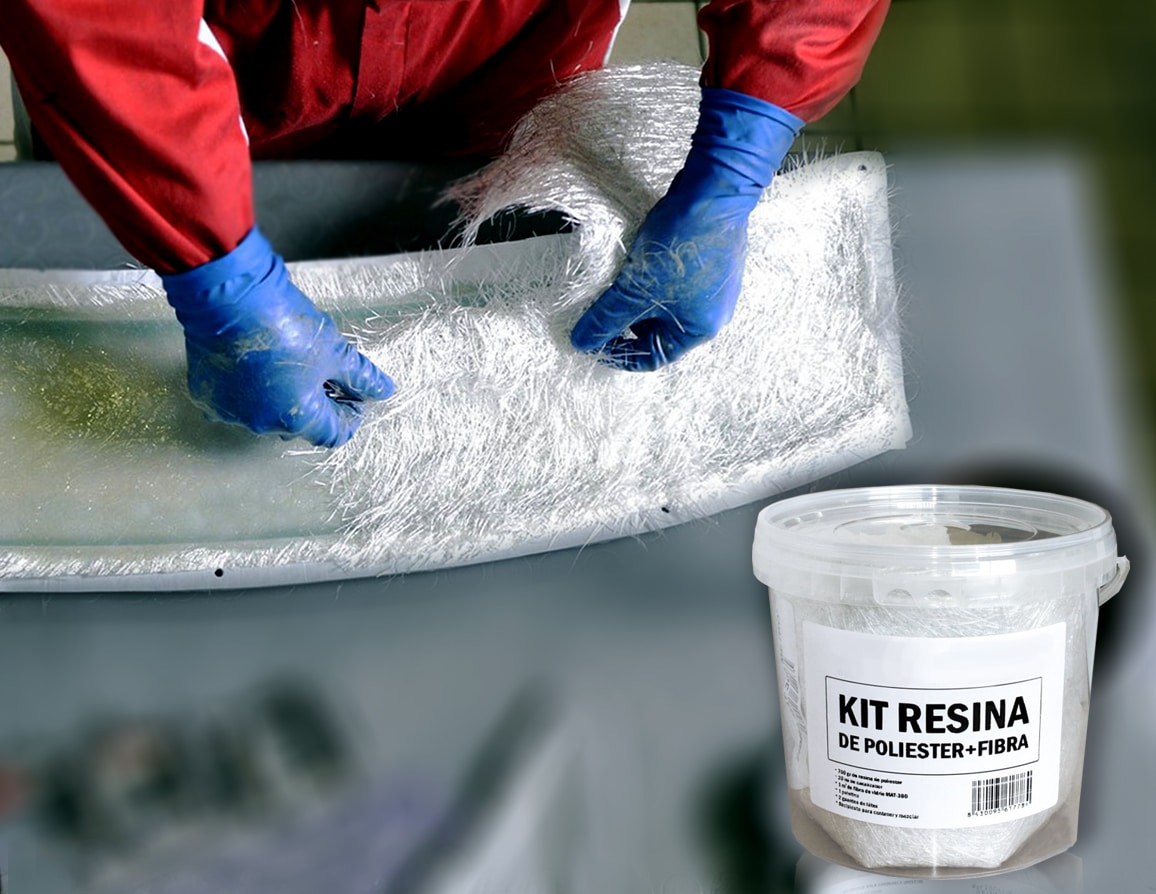
- Resin Fibreglass Repair Kit – Complete Polyester Resin and Hardener SetPrice range: £13.85 through £22.85The Resin Fibreglass Repair Kit offers a complete polyester resin and hardener set with clear instructions for structural repairs in your panel…
- "Carbon Resin" – Epoxy Resin for Carbon Fiber & Fiberglass CoatingPrice range: £18.85 through £35.85"Carbon Resin" epoxy resin is designed for carbon fibre and fibreglass, suitable for composite repairs with a durable and glossy finish.
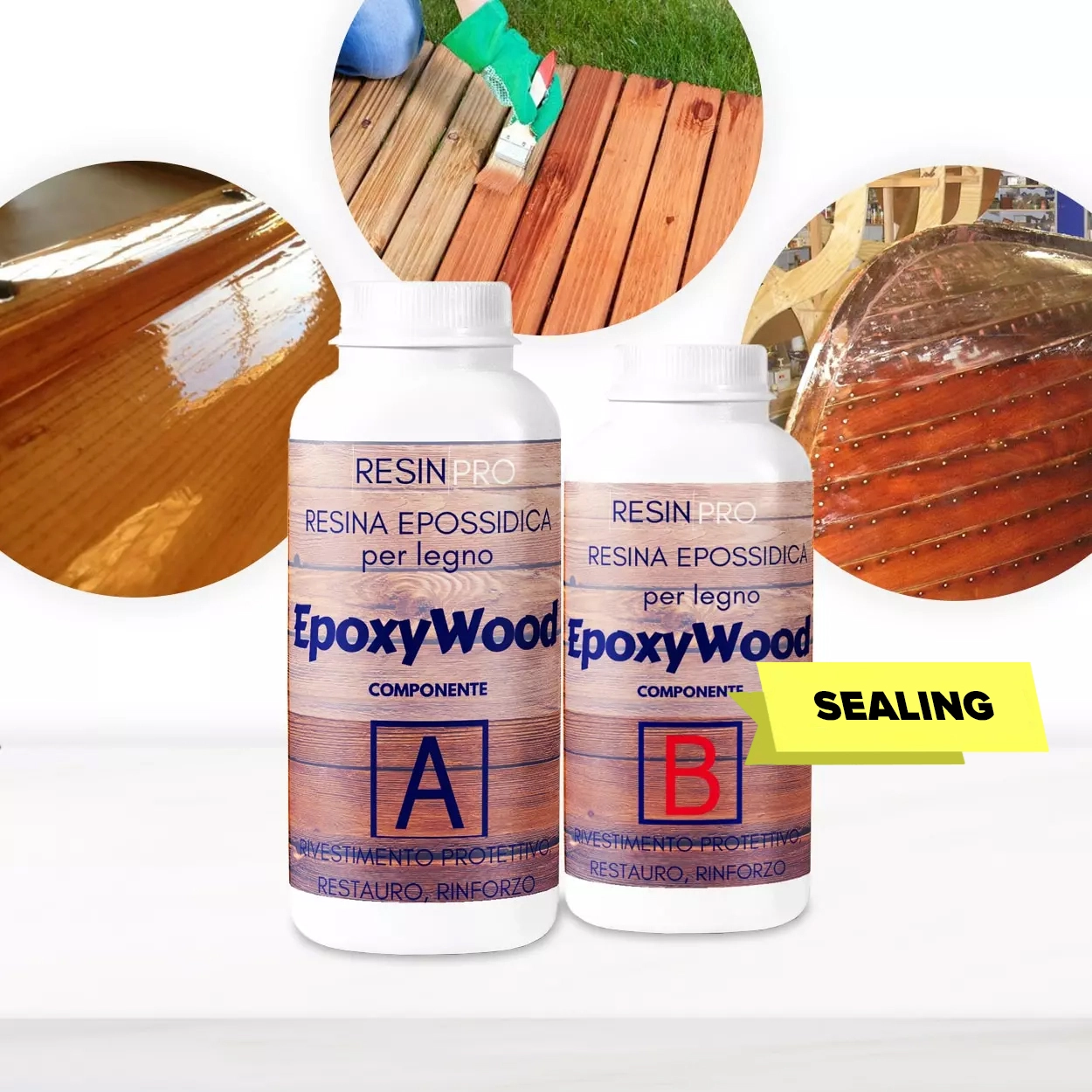 "EpoxyWood" – Wood Restoration Epoxy Resin for Deep Penetration and WaterproofingOriginal price was: £64.00.£39.85Current price is: £39.85."EpoxyWood" is a wood restoration epoxy resin designed for deep penetration and waterproofing, suitable for repairing wooden surfaces.
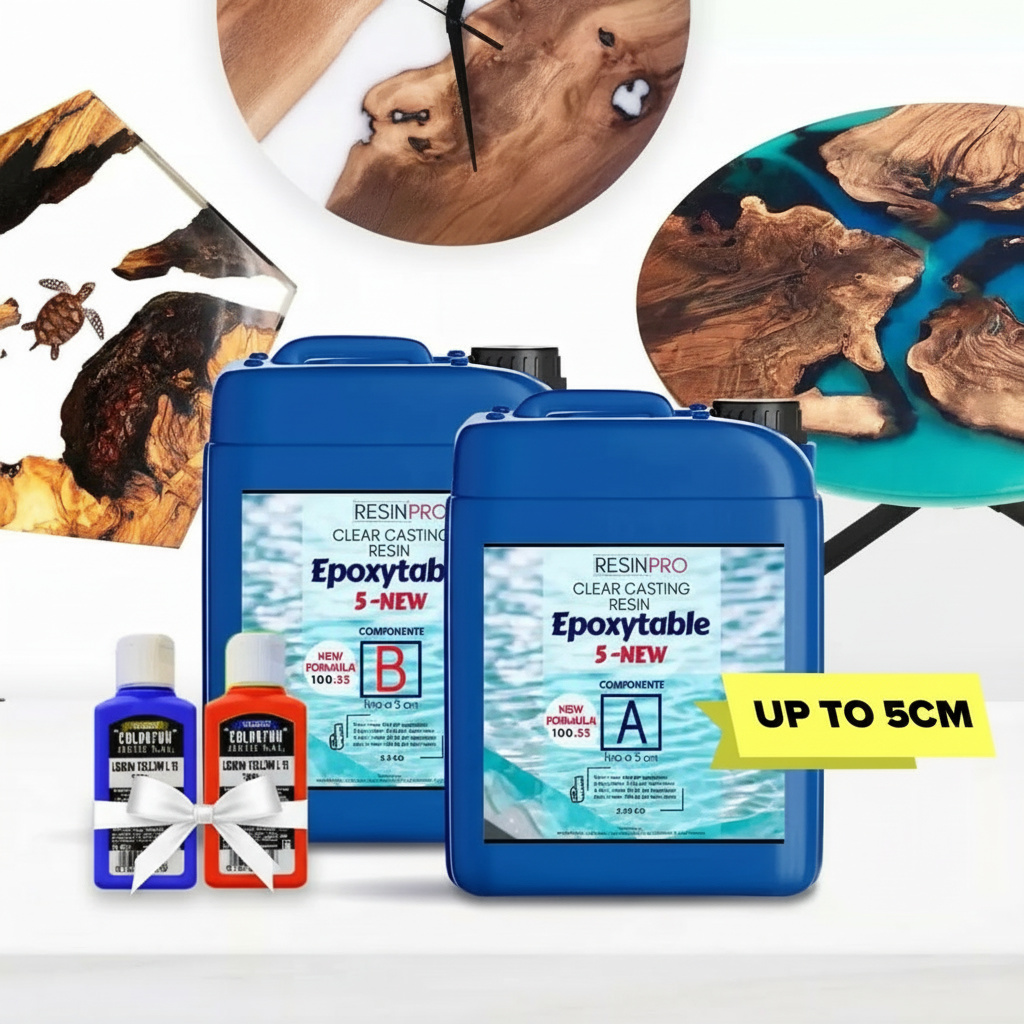 "EpoxyTable 5-Five" – Deep Pour Epoxy Resin for Tables and Large Projects – Up to 5cmPrice range: £16.85 through £1,099.85"EpoxyTable 5-Five" is a deep pour epoxy resin suited for tables and large projects requiring layers up to 5 cm thick.
Frequently Asked Questions
What types of panels can I repair with resin?
Resin panel repair works well on wood, fibreglass, rigid plastics, and composite materials. The approach can be tailored to suit your specific panel type, with product selection based on compatibility.
How long should I wait before sanding a resin-repaired panel?
Curing times vary by resin and environmental conditions, but most repairs can be sanded after 12–24 hours at room temperature. Check your product's guidelines for best results.
How do I prevent bubbles in my resin repair?
Mix resin slowly and avoid vigorous stirring. When laminating, use a spreader or roller to gently remove bubbles, and apply resin in thin layers to improve bubble release.
Can I apply resin directly to a damp or dirty panel?
No – moisture, oils, and dust greatly reduce adhesion. Always clean and dry the repair area meticulously before starting your resin application.
Should I use reinforcement material for every panel repair?
Reinforcement such as fibreglass mat is essential for structural or large repairs, particularly in fibreglass or heavily damaged panels. For minor wood repairs, resin alone is often sufficient.
Is it necessary to finish with paint or varnish after a resin repair?
This depends on your aesthetic goals. Resin repairs can be left clear for a natural or composite look, or sanded and painted for a uniform finish to match the original panel.
What should I do if the resin cures sticky?
Sticky resin usually signals improper mixing or incorrect ratio. Allow extra time, sand off the affected layer, and reapply properly mixed resin if necessary.
"Carbon Resin" – Epoxy Resin for Carbon Fiber & Fiberglass Coating
Epoxy resin designed for carbon fibre and fibreglass projects requiring good impregnation and impact resistance.
