 Free shipping on orders over £29,85
  Shipping Tracking!


 Google
 Facebook
What base is needed for permeable flooring?
How to create durable, draining surfaces for UK outdoor projects

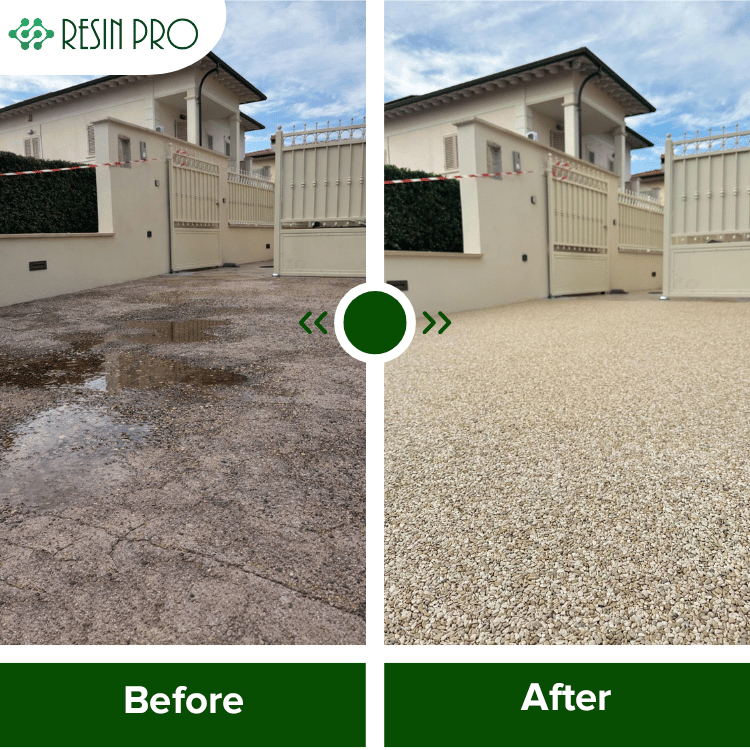
Looking to install a permeable floor but unsure what base is required? Whether it’s a driveway, garden path, terrace, or patio, selecting the correct base ensures your resin-bound surface remains durable, attractive, and water-draining for years to come. The ideal base not only supports effective drainage but also provides a stable foundation for resin-bonded pebbles, grits, or aggregates.
This in-depth guide will explain substrate options for permeable flooring, demonstrate why preparation matters, and compare essential products such as the “Flowstone” – Complete Permeable Floor Kit with Pebbles and Resin, Washed Pebbles for Permeable Floors 25kg – Outdoor Resin-Bound Surfaces, “Epoxyprimer” – Universal Water-Based Two-Component Epoxy Floor Primer, “Trasparente” – Epoxy Binder for Coloured Pebbles and Grits, “Resinstone” – One-Component Methacrylic Resin for Concrete Floors and Driveways, and “Polirock” – Polyurethane Binder for White Stones, 2kg Two-Component Kit. Let’s discover how these solutions fit together for a flawless result!
Understanding Substrate Basics for Permeable Resin-Bound Floors
Permeable solution floors allow rainwater to drain through, preventing puddles and reducing flood risks—making base choice crucial. A sound base:
- Provides mechanical stability for gravel, pebbles, or resin-bound materials
- Supports surface permeability and drainage
- Ensures long-lasting performance and resistance to weather
Generally, permeable flooring can be installed over clean, compacted soil for light-duty surfaces, or over reinforced concrete/cement screed for driveways and heavy use. In both scenarios, the base must be stable, dry, and free from contamination for best results. Mixing aggregates with the correct resin ensures the system works as an integrated, draining structure.
Product Comparison: Kits, Primers, Aggregates and Binders
Several product combinations support different installation scenarios:
- “Flowstone” – Complete Permeable Floor Kit with Pebbles and Resin is a comprehensive kit with all key materials, tailored to either white or coloured aggregates using non-yellowing polyurethane or low-yellowing epoxy respectively.
- Washed Pebbles for Permeable Floors 25kg – Outdoor Resin-Bound Surfaces are natural, pre-washed, dried aggregates ideal for resin binder systems, instantly usable on patios and paths.
- “Epoxyprimer” – Universal Water-Based Two-Component Epoxy Floor Primer acts as a crucial first step when installing resin flooring over stable bases (concrete, wood, tiles, or screeds). It maximises adhesion and underpins the longevity of your surface.
- “Trasparente” – Epoxy Binder for Coloured Pebbles and Grits is recommended for bonding and encapsulating decorative or coloured aggregates – offering a crystal-clear, UV-stable finish.
- “Polirock” – Polyurethane Binder for White Stones, 2kg Two-Component Kit is the go-to solution for white stones, as it cures clear and resists yellowing even outdoors.
- If sealing or reinforcing concrete bases, consider “Resinstone” – One-Component Methacrylic Resin for Concrete Floors and Driveways for durable, moisture-resistant yet breathable protection.
Why Substrate Preparation Is the Key to Long-Lasting Permeable Floors
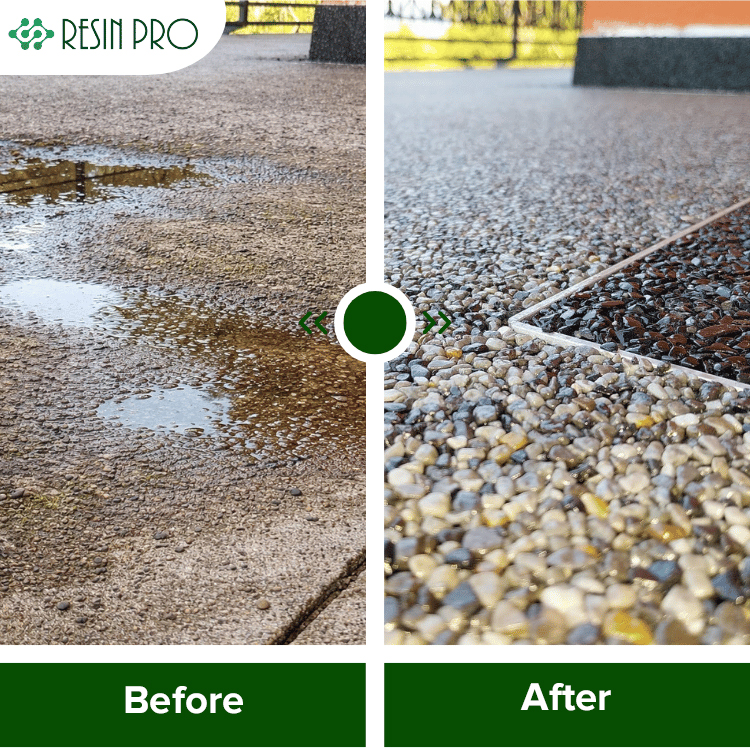
Careful base preparation is vital for any resin-bound permeable floor. Whether you opt for a simple compacted soil base in low-traffic paths or a concrete slab for driveways, ensuring cleanliness, stability and dryness maximises mechanical adhesion and water permeability. Applying dedicated primers such as “Epoxyprimer” or using “Resinstone” on absorbent concrete gives your installation the optimal start. This step cannot be overlooked as it improves resin performance and prevents future surface issues.
Step-by-Step: Building the Right Base for Permeable Surfaces
Correct base installation impacts performance. Here’s how to proceed with permeable flooring systems using products such as “Flowstone” – Complete Permeable Floor Kit with Pebbles and Resin or a custom-built system:
- Base Preparation: Excavate and level the area. For garden paths or light use, compacted soil plus a stabilising grid may suffice. For driveways, use a reinforced concrete slab or screed. Existing concrete floors can be sealed or primed to improve adhesion and durability using “Epoxyprimer” or “Resinstone” for enhanced waterproofing and mechanical strength.
- Priming (if required): Applying a primer like “Epoxyprimer” helps ensure strong adhesion between your base and resin-aggregate mix—especially vital on smooth, non-absorbent, or tiled backgrounds.
- Mixing Aggregates: Blend washed, dried pebbles (like those from Washed Pebbles for Permeable Floors 25kg – Outdoor Resin-Bound Surfaces) with the correct binder. Use “Polirock” for white stones or “Trasparente” for coloured or dark stones to achieve a durable, attractive, and non-yellowing surface.
- Laying and Levelling: Pour the aggregate-resin mix evenly, level it, and compact as directed. Surface is walkable after ~12 hours; usable by vehicles within 36–48 hours, depending on product and weather.
- Sealing: Where additional chemical or abrasion protection is needed, a final coat of “Resinstone” provides ongoing resistance and breathability.
Always follow the “Flowstone” kit advice or individual product instructions for best results.
Product Selection Tips for Exceptional Performance
Not all bases or aggregates are suitable for every environment. Select eco-friendly, pre-washed stones like those in the Washed Pebbles for Permeable Floors 25kg – Outdoor Resin-Bound Surfaces to guarantee permeability and fast application. For white stones, anti-yellowing binders such as “Polirock” ensure the colour stays fresh over time, while “Trasparente” gives coloured aggregate surfaces a clear, UV-resistant look without yellowing. For concrete bases, enhance long-term surface protection and waterproofing with “Resinstone”.
Always mix resin and aggregate before laying the mix, rather than pouring resin over loose gravel—this ensures full encapsulation, durability, and uniform finish.
How to Select the Ideal Binder for Pebble and Resin Floors
The correct binder is essential to your permeable floor’s durability and appearance. “Polirock” is perfectly suited to white stones, remaining clear without yellowing. For colourful or dark aggregates, “Trasparente” delivers a transparent, UV-resistant finish so colours stay bright for years. Refer to the “Flowstone” kit description or request product advice to ensure maximum compatibility and a beautiful result for your project.
Frequently Asked Questions about Bases for Permeable Resin Floors
- "Flowstone" – Complete Permeable Floor Kit with Pebbles and ResinPrice range: £42.85 through £3,389.85The "Flowstone" kit provides a durable, permeable pebble and resin floor system suitable for UK outdoor spaces with detailed application guidance.
 Washed Pebbles for Permeable Floors 25kg – Outdoor Resin-Bound Surfaces£26.85Washed Pebbles for Permeable Floors offer natural, pre-washed stone aggregates suitable for resin binder use in creating permeable outdoor surfaces.
 "Epoxyprimer" – Universal Water-Based Two-Component Epoxy Floor PrimerPrice range: £148.84 through £272.45Epoxyprimer is a water-based two-component epoxy primer suitable for concrete, timber, tiles, and screed surfaces, supporting the theme of base needs…
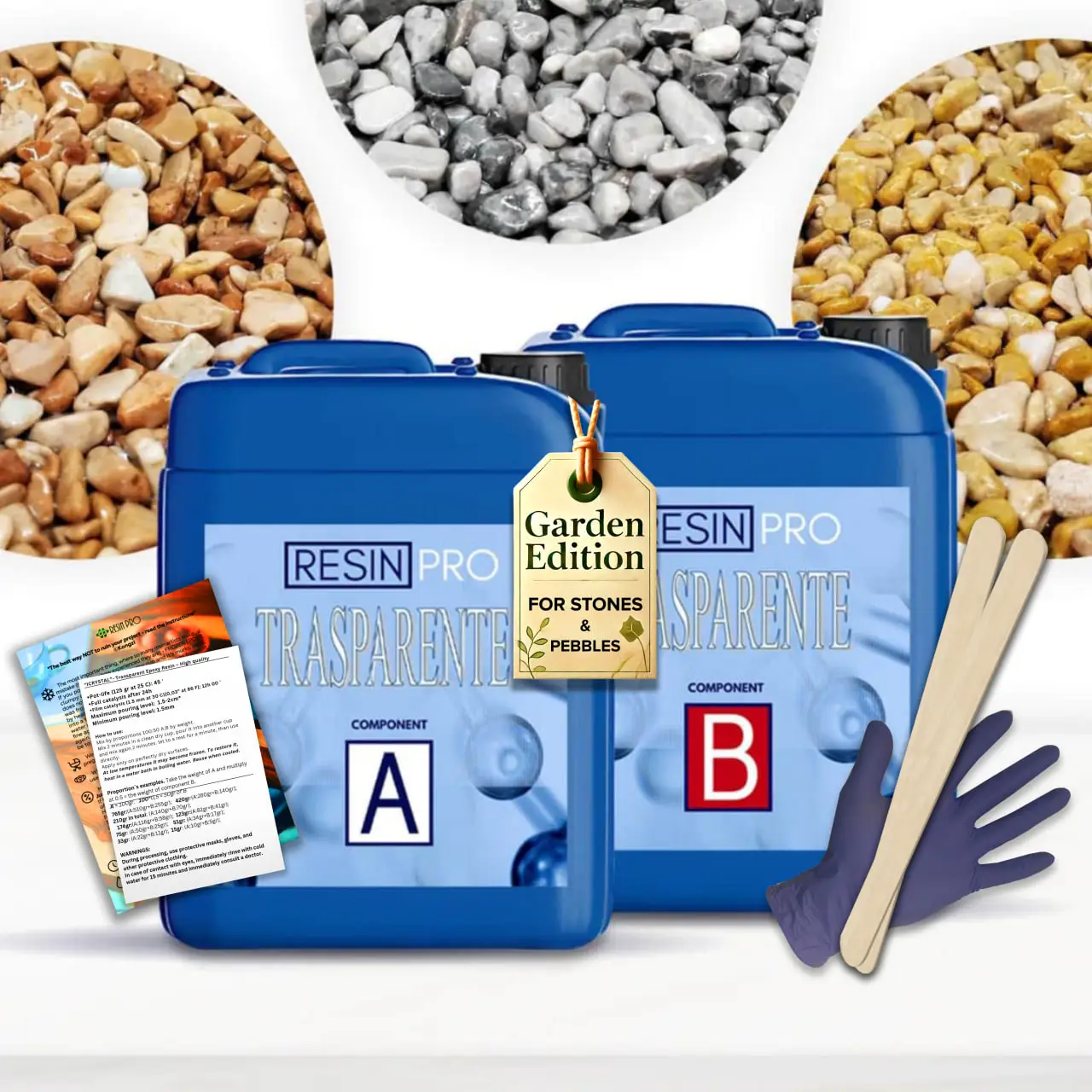 "Trasparente" – Epoxy Binder for Coloured Pebbles and GritsPrice range: £31.85 through £948.85"Trasparente" offers a clear, UV-resistant epoxy binder suitable for coloured pebbles and grits, designed for permeable flooring projects.
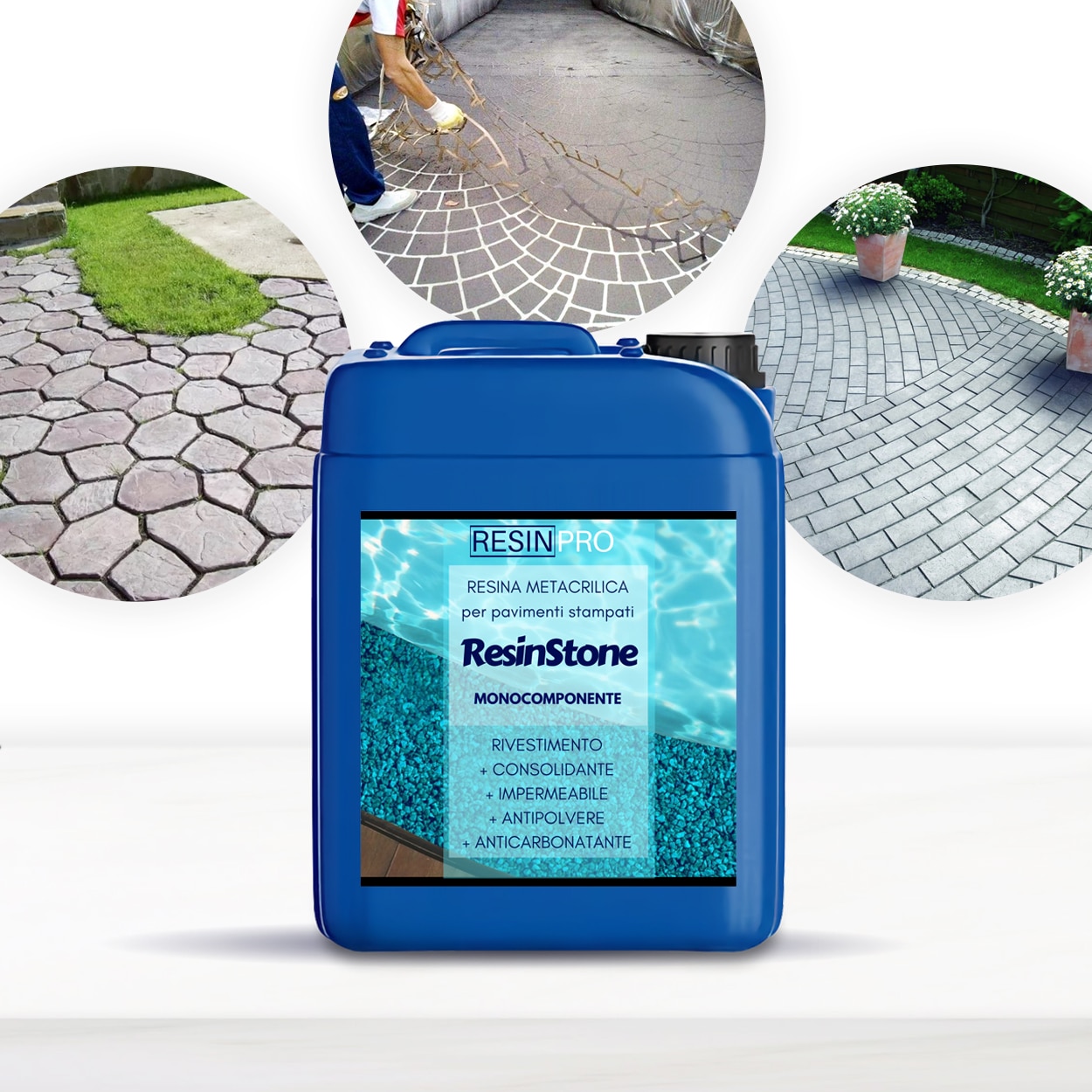 "Resinstone" – One-Component Methacrylic Resin for Concrete Floors and DrivewaysPrice range: £29.85 through £59.85"Resinstone" is a one-component methacrylic resin designed for sealing concrete floors and driveways with durable and breathable protection.
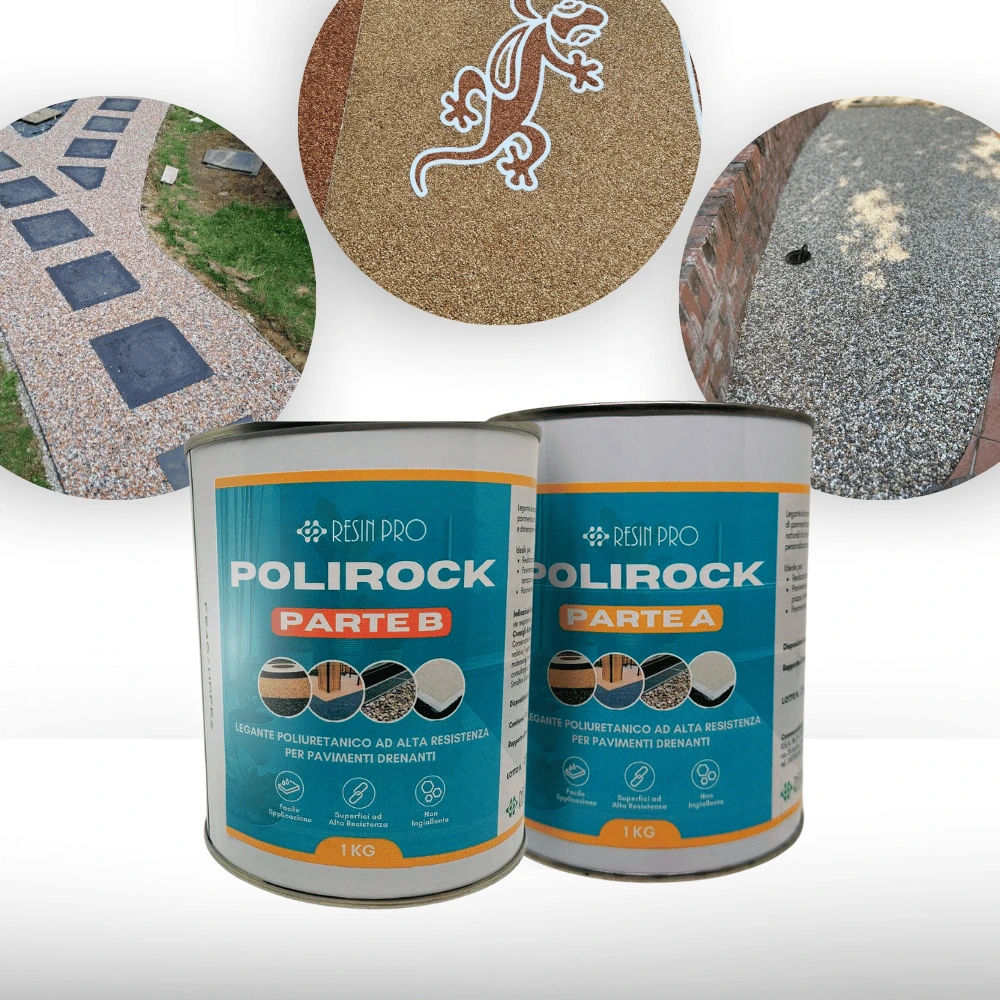 "Polirock" – Polyurethane Binder for White Stones, 2kg Two-Component Kit£58.85Polirock is a two-component polyurethane binder designed for permeable, decorative outdoor stone surfaces with lasting durability.
What bases are suitable for permeable flooring?
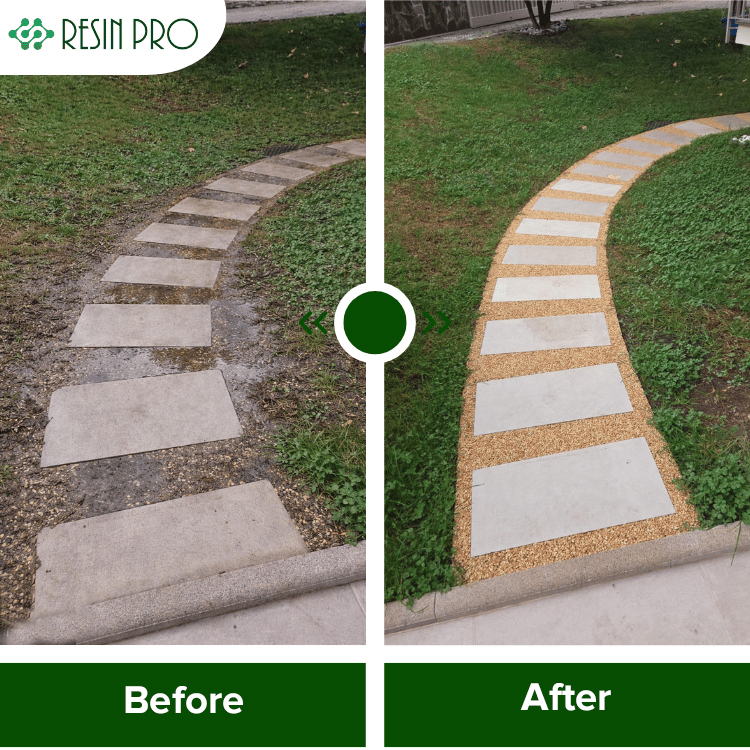
Permeable flooring can be laid over compacted soil (for light traffic and small areas), reinforced concrete, cement screed, or prepared old slabs depending on project demands. The base must be clean, stable, and dry for the best resin adhesion and long-term drainage.
Is it necessary to prime the base before applying the resin-bound mix?
Priming with a universal product like “Epoxyprimer” is essential on smooth or non-absorbent surfaces (e.g., tiles, sealed concrete) to maximise bonding and surface life. Absorbent concrete can often be reinforced using “Resinstone” for moisture resistance and protection.
Which binder should I choose for my stones?
Choose “Polirock” for white or light stones, as it is non-yellowing and remains clear even in outdoor conditions. For coloured or darker stones, “Trasparente” offers UV resistance and a transparent finish. Complete kits like “Flowstone” guide you to select the correct resin for your chosen aggregate.
What are the drainage benefits of using resin-bound permeable floors?
Resin-bound permeable floors allow rainwater to filter through the surface, supporting efficient water management, preventing puddles, and reducing runoff. Using washed pebbles, like Washed Pebbles for Permeable Floors 25kg – Outdoor Resin-Bound Surfaces, ensures reliable performance.
Can I install permeable flooring as a DIY project?
Yes—resin-bound aggregate systems are suitable for confident DIYers, especially if you follow step-by-step instructions included with kits such as “Flowstone”. Larger areas benefit from mechanical mixers.
How do I maintain a permeable floor?
Permeable resin surfaces require minimal upkeep. Regularly sweep and rinse to remove dirt. For repairs, new resin or aggregate mix may be applied directly over damaged areas according to product guidance.
Can permeable flooring be installed in UK climates?
Yes, as long as recommended installation temperatures are maintained and the substrate is properly prepared. These flooring systems—especially with “Flowstone” or certified stone binders—are designed to resist UK frost, rain, and temperature swings.
Is it possible to use my own gravel or stones?
You can, provided they are fully washed and dried before mixing with the resin. This ensures correct curing, strength, and an attractive final look. For best results and ease, try pre-washed products like Washed Pebbles for Permeable Floors 25kg – Outdoor Resin-Bound Surfaces.
Frequently Asked Questions
What bases are suitable for permeable flooring?
Permeable flooring can be laid over compacted soil (for light traffic and small areas), reinforced concrete, cement screed, or prepared old slabs depending on project demands. The base must be clean, stable, and dry for the best resin adhesion and long-term drainage.
Is it necessary to prime the base before applying the resin-bound mix?
Priming with a universal product like "Epoxyprimer" – Universal Water-Based Two-Component Epoxy Floor Primer is essential on smooth or non-absorbent surfaces (e.g., tiles, sealed concrete) to maximise bonding and surface life. Absorbent concrete can often be reinforced using "Resinstone" – One-Component Methacrylic Resin for Concrete Floors and Driveways for moisture resistance and protection.
Which binder should I choose for my stones?
Choose "Polirock" – Polyurethane Binder for White Stones, 2kg Two-Component Kit for white or light stones, as it is non-yellowing and remains clear even in outdoor conditions. For coloured or darker stones, "Trasparente" – Epoxy Binder for Coloured Pebbles and Grits offers UV resistance and a transparent finish. Complete kits like "Flowstone" – Complete Permeable Floor Kit with Pebbles and Resin guide you to select the correct resin for your chosen aggregate.
What are the drainage benefits of using resin-bound permeable floors?
Resin-bound permeable floors allow rainwater to filter through the surface, supporting efficient water management, preventing puddles, and reducing runoff. Using washed pebbles, like Washed Pebbles for Permeable Floors 25kg – Outdoor Resin-Bound Surfaces, ensures reliable performance.
Can I install permeable flooring as a DIY project?
Yes—resin-bound aggregate systems are suitable for confident DIYers, especially if you follow step-by-step instructions included with kits such as "Flowstone" – Complete Permeable Floor Kit with Pebbles and Resin. Larger areas benefit from mechanical mixers.
How do I maintain a permeable floor?
Permeable resin surfaces require minimal upkeep. Regularly sweep and rinse to remove dirt. For repairs, new resin or aggregate mix may be applied directly over damaged areas according to product guidance.
Can permeable flooring be installed in UK climates?
Yes, as long as recommended installation temperatures are maintained and the substrate is properly prepared. These flooring systems—especially with "Flowstone" – Complete Permeable Floor Kit with Pebbles and Resin or certified stone binders—are designed to resist UK frost, rain, and temperature swings.
Is it possible to use my own gravel or stones?
You can, provided they are fully washed and dried before mixing with the resin. This ensures correct curing, strength, and an attractive final look. For best results and ease, try pre-washed products like Washed Pebbles for Permeable Floors 25kg – Outdoor Resin-Bound Surfaces.