 Free shipping on orders over £29,85
  Shipping Tracking!


 Google
 Facebook
Which resin is best for moulds?
A detailed guide to selecting the ideal resin or silicone rubber for mould making
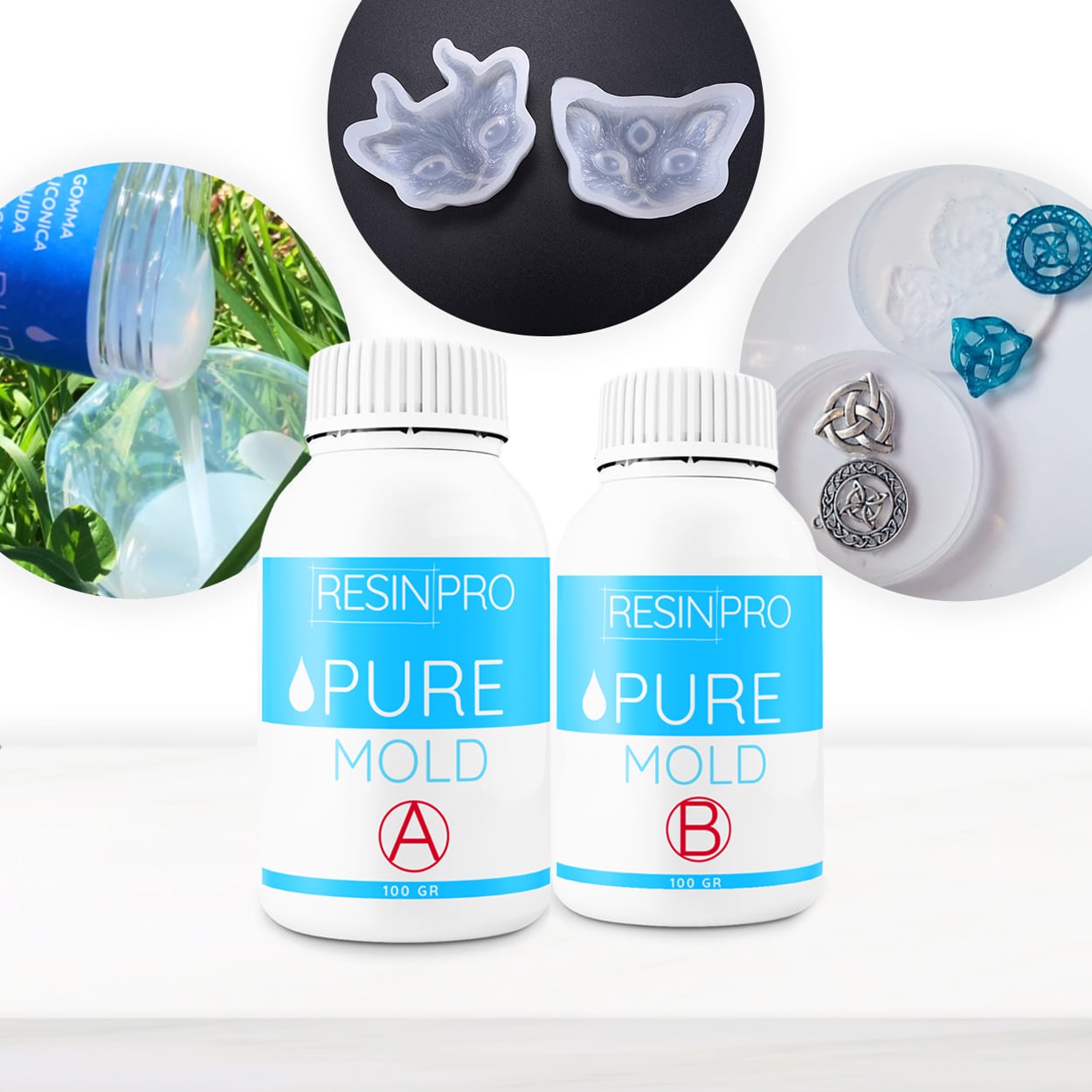
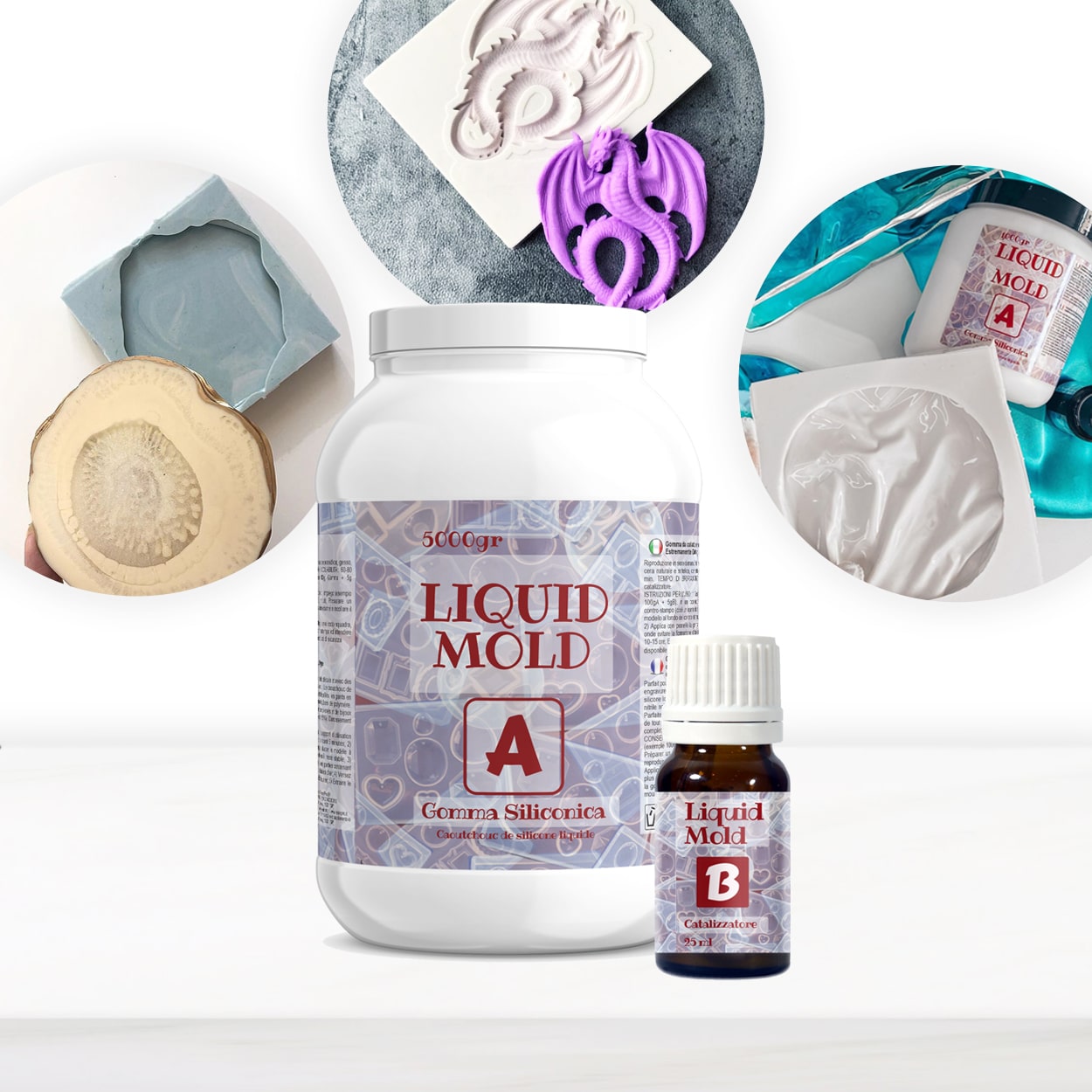
If you are looking to create durable, detailed, and reusable moulds for casting resin, wax, plaster, or other creative materials, choosing the right resin or silicone is essential. This page breaks down the top options for crafting professional or hobbyist moulds—whether for jewellery, art, technical models, or decorative pieces—helping you select the ideal material for your needs.
Resins versus Silicone Rubber: Which to Use for Moulds?
When it comes to mould making, the material you choose will determine detail, flexibility, and longevity. Silicone rubbers are generally the preferred choice for making the moulds themselves—thanks to their flexibility, detail reproduction, and compatibility with multiple casting mediums. Epoxy resins are most often used for casting into these moulds, especially for transparent or intricate creations. The key differences are their physical properties: silicones offer unbeatable release and intricate capture, while epoxy resins excel in clarity and strength when used inside the mould.
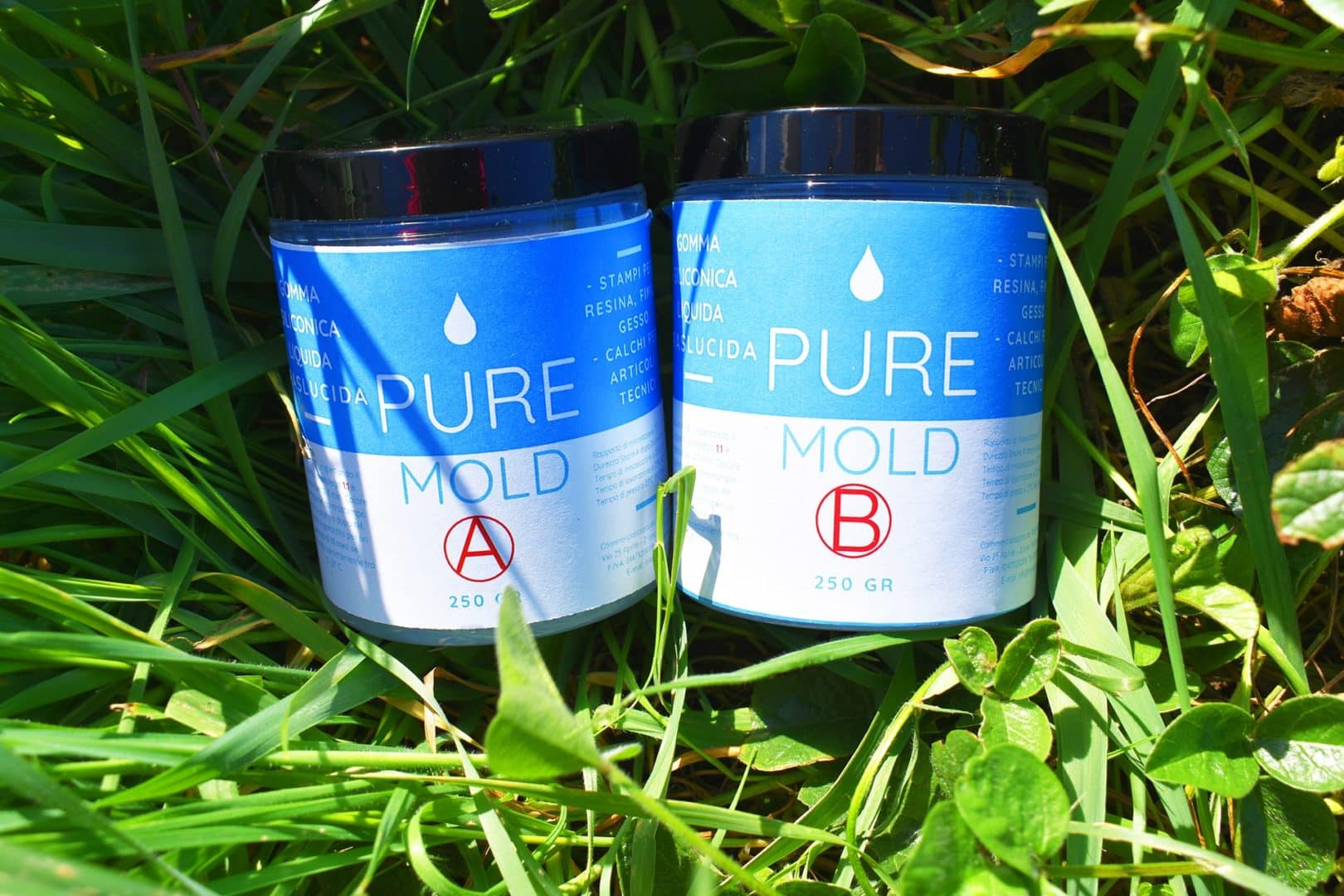
Visualising the Difference: Silicone vs Epoxy in Mould Creation
Silicone rubbers form your flexible, reusable moulds—delivering high-detail impressions. Epoxy resins, with their clarity and flow, are then poured into these silicone moulds for the finished piece. This key distinction shapes every moulding project, especially where detail and finish quality matter.
“Pure Mould” – Translucent Liquid Silicone Rubber for Mould Making
“Pure Mould” – Translucent Liquid Silicone Rubber for Mould Making stands out as a platinum-based, fast-curing silicone rubber that produces strong, detailed, and translucent moulds. Its easy 1:1 mixing ratio and quick 3–8 hour curing time make it a favourite among those seeking reliable results quickly. The see-through nature means you can check on your curing casts without risking mixing errors. Ideal for casting resins (epoxy, polyester), wax, plaster, or cement, this product is suitable for both professionals and hobbyists. The certified non-toxicity, solvent-free formula, and impressive longevity distinguish it from typical silicones.
“Liquid Mould” – Casting Liquid Silicone Rubber for Detailed Moulds
For those requiring pin-point detail and complex undercuts, “Liquid Mould” – Casting Liquid Silicone Rubber, 15 Shores 20.8 kg is engineered to reproduce even the finest elements in your original. This bi-component silicone is ideal for creating highly detailed moulds suitable for polymer pastes, soaps, and all major resin types. Its high mechanical strength accommodates elaborate or delicate shapes, making it the tool of choice for artistic foundries, technical models, and repeated casting of complex designs. Use it where maximum flexibility and detail capture are crucial.
“Liquid Mould” – Casting Liquid Silicone Rubber, 5-40 Shores, Bi-Component A+B
Looking for versatility and a broader shore hardness range? The “Liquid Mould” – Casting Liquid Silicone Rubber, 5-40 Shores, Bi-Component A+B system brings choices for projects big or small. It delivers all the fine detail benefits of silicone—penetrating every nook and undercut—but in a flexible range of hardnesses, making it suitable for everything from delicate jewellery to robust functional moulds. Ideal for serial reproduction, it caters for resin, wax, soap, plaster, and even technical product prototypes.
“Liquidissima” – Epoxy Resin for Moulded Creations
If your focus is filling intricate silicone moulds with stunning clarity, “Liquidissima” – Epoxy Resin For Creations & Jewellery offers a specialised solution. Designed for artists and jewellery makers, its low viscosity and long working time allow the resin to flow perfectly into detailed silicone moulds, minimising air bubbles and preserving every feature. The result: glass-like clarity ideal for small-scale, fine castings like jewellery, charms, or artistic miniatures. Though not for thick pours, it’s unmatched for meticulous, transparent work.
Tips for Choosing Mould Material and Project Success
When choosing a mould material, consider the level of detail needed, the number of reproductions, and what you’ll cast into the mould. Silicone rubbers are ideal for complex shapes, undercuts, and repeated use because they flex and release easily. Epoxy resins are perfect for the cast itself, especially where clarity or colour customisation is required. Always follow mix ratios carefully, use appropriate catalysts, and, for best results, select a product tailored to your specific artistic or technical needs. Testing a small sample before a major project can help avoid costly errors.
Achieving the Perfect Finish for Your Moulding Projects
Attention to curing times, mix ratios, and material compatibility ensures a professional result. Take time to degas silicone or pour resin slowly to prevent air bubbles. For repeated use, choose a silicone rubber specifically formulated for longevity and resilience. Always handle in well-ventilated areas and use gloves for safety and cleanliness.
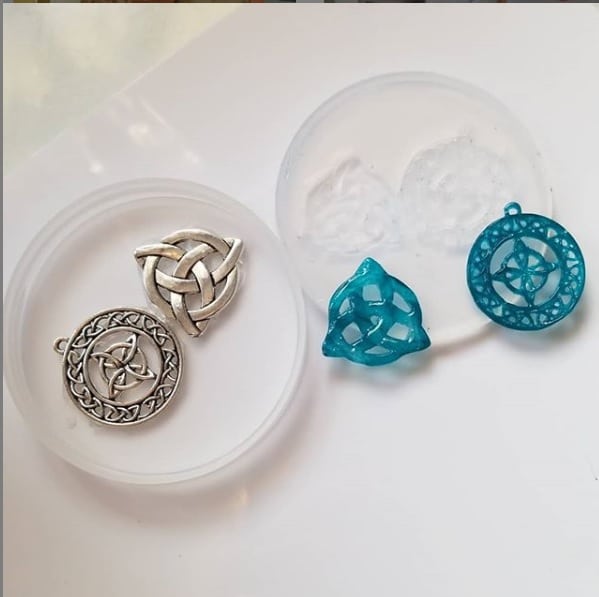
- "Pure Mould" – Translucent Liquid Silicone Rubber for Mould MakingPrice range: £23.95 through £166.95"Pure Mould" is a translucent liquid silicone rubber designed for making moulds compatible with resins and plasters in mould making.
- "Liquid Mould" – Casting Liquid Silicone Rubber, 15 Shores 20.8 kg£348.85"Liquid Mould" casting silicone rubber is designed for detailed moulds and fine reproductions in line with the theme "Which resin is best for…
- "Liquid Mould" – Casting Liquid Silicone Rubber, 5-40 Shores, Bi-Component A+BPrice range: £14.45 through £387.45"Liquid Mould" is suitable for making detailed moulds of small objects with undercuts, commonly used with resin and other pastes.
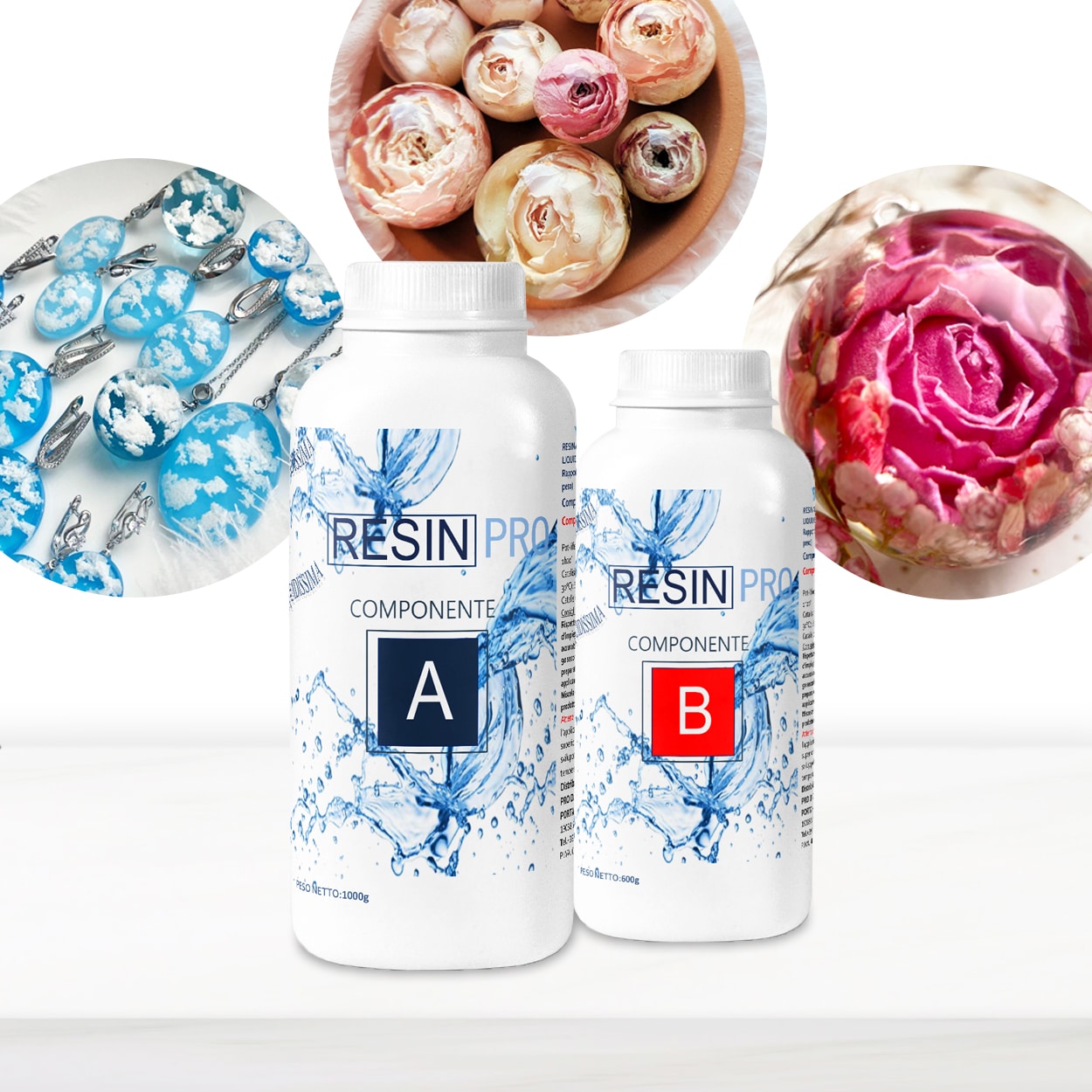 "Liquidissima" – Epoxy Resin For Creations & JewelleryPrice range: £12.85 through £31.85Designed for artists and creators, this epoxy resin offers clarity and flow suited to intricate moulds within the theme of choosing suitable mould…
Frequently Asked Questions
Is silicone or epoxy resin better for making moulds?
Silicone is the preferred material for making flexible, detailed, and reusable moulds, while epoxy is best suited for pouring into moulds for finished pieces.
Which silicone is best for hot wax or intricate details?
"Pure Mould" and "Liquid Mould" silicone rubbers are excellent for detailed wax and resin casting due to their flexibility and detail capture.
Can epoxy resin be used in jewellery moulds?
Yes, low-viscosity epoxy like "Liquidissima" is ideal for intricate jewellery moulds, providing clarity and fine detail.
How can I minimise bubbles in resin or silicone moulds?
Use slow, careful pouring and consider degassing with a vacuum chamber for professional quality casts.
What’s the difference between "Pure Mould" and "Liquid Mould" silicones?
"Pure Mould" is translucent and cures quickly. "Liquid Mould" offers a range of hardness and is designed for very fine details and undercuts.
Can I colour my resin for mould casting?
Yes, epoxy resins like "Liquidissima" can be tinted with compatible dyes for custom finishes.