 Free shipping on orders over £29,85
  Shipping Tracking!


 Google
 Facebook
How do you apply resin to tiles that have come loose from the wall?
Fixing loose tiles on your wall not only restores their appearance but also prevents moisture issues and potential safety hazards. This guide details how to effectively bond tiles back in place using resin techniques, ensuring a strong, long-term result on various tile types. Whether you are tackling a minor repair or multiple tiles, careful preparation and correct application will help achieve a professional, lasting finish.
A complete guide to securely reattaching and restoring tiles
What You’ll Need
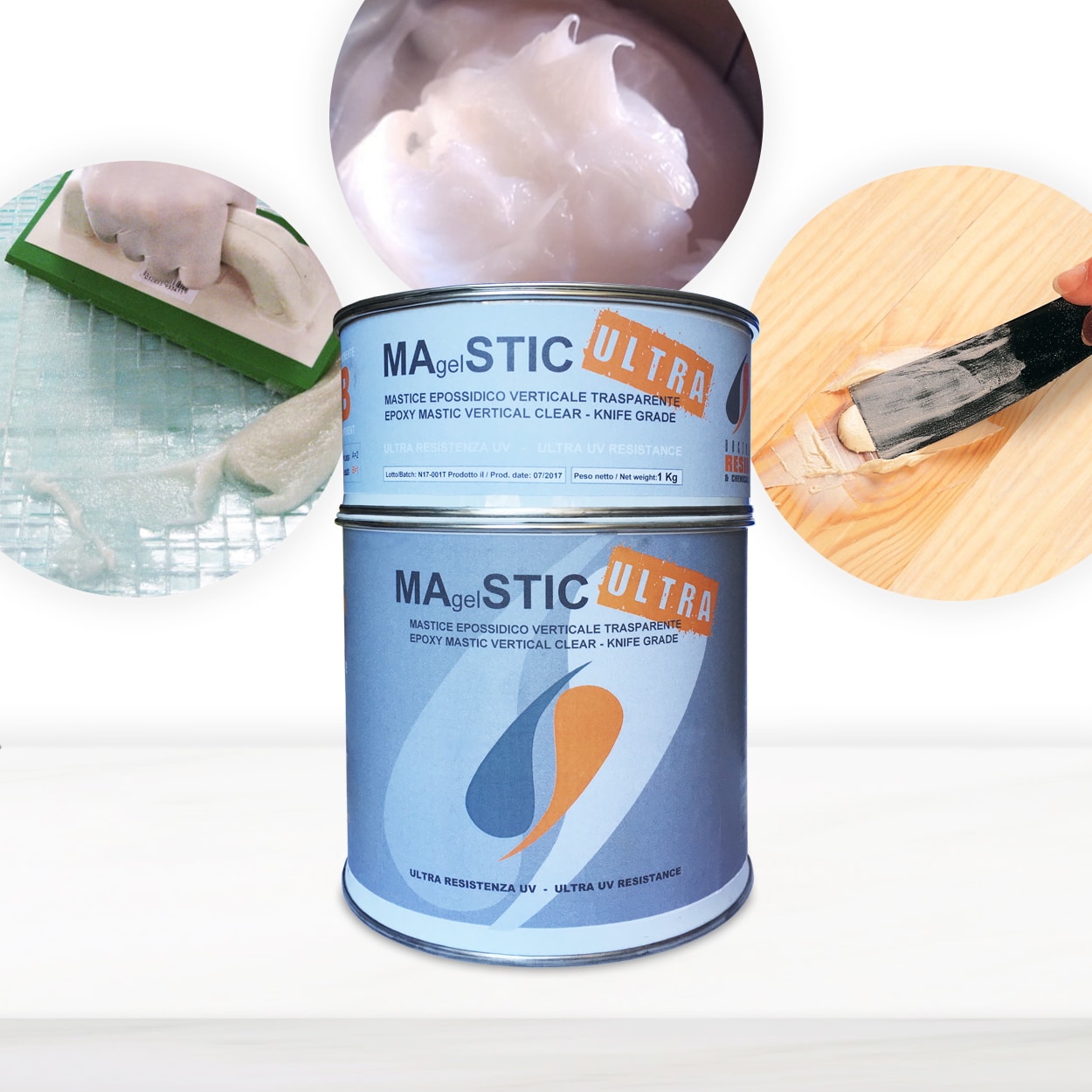
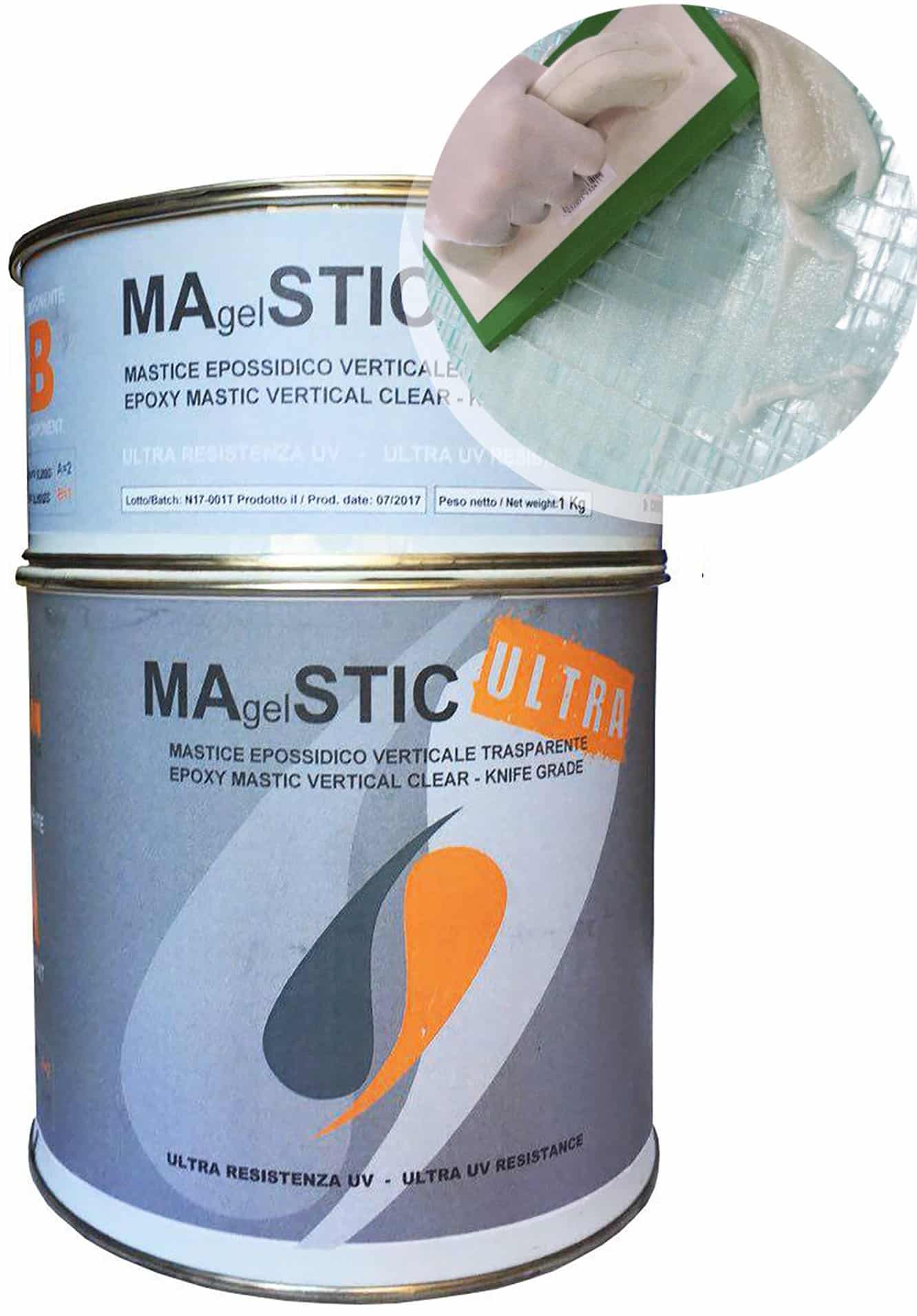
- “Magelstick” – Epoxy Mastic for Stone, Metal, and Cement Bonding and Grouting – for precision bonding and grouting on vertical surfaces
- “Epoxyprimer” – Universal Water-Based Two-Component Epoxy Floor Primer – optional, for improved adhesion on problem substrates
- Tooth Shaped Spatula for Epoxy Resin Application – to spread resin evenly and accurately
- Resin & Paint Application Rollers – Short-Pile, Large, and Sponge Types – for applying primers or larger resin surfaces
- Standard tools: cleaning brush, mild detergent, protective gloves, mixing container
Prepare your workspace and materials
Gather all necessary tools and products ahead of time in a well-ventilated area. Lay down protective covers to catch any resin drips and organise your workspace. Use gloves and ensure good lighting for careful, mess-free application at every step.
Step 1: Remove and Clean Loose Tiles
Begin by carefully loosening any tiles that have come away from the wall, using a thin spatula or flat tool to avoid cracking the tile edges. Remove old adhesive or grout from the back of the tiles and the wall surface.
Clean both the tile and wall thoroughly with a brush and mild detergent to remove dust, grease, or loose material. Allow everything to dry completely before continuing.
Ensure all surfaces are clean, dry, and free from dust to maximise the bond strength of the resin adhesive.
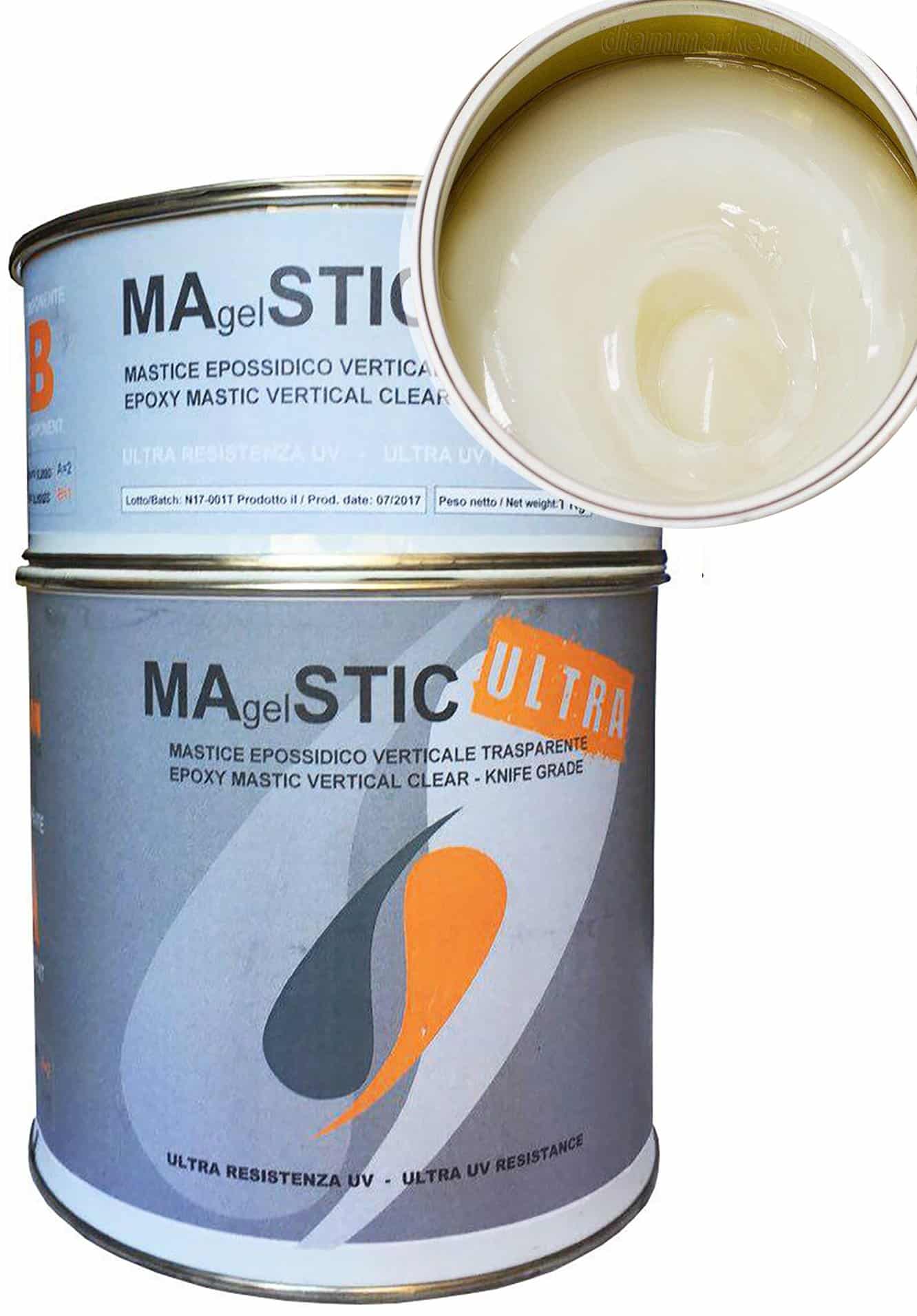
"Magelstick" – Epoxy Mastic for Stone, Metal, and Cement Bonding and Grouting
A professional bi-component epoxy putty for bonding and grouting natural and artificial stone, metal, and cement surfaces.
Step 2: Prepare and Mix the Epoxy Resin
Select a suitable epoxy resin adhesive like “Magelstick” – Epoxy Mastic for Stone, Metal, and Cement Bonding and Grouting. This thixotropic (non-sagging) formula is ideal for precise application on vertical surfaces such as walls.
Following the manufacturer’s instructions, mix the resin and hardener in the correct ratio (for Magelstick, this is 100:50 by weight) in a clean container. Stir thoroughly until the mixture achieves a uniform colour.
Do not mix large batches of resin at once; smaller quantities ensure better handling and reduce waste.
Step 3: Apply Resin and Reattach the Tiles
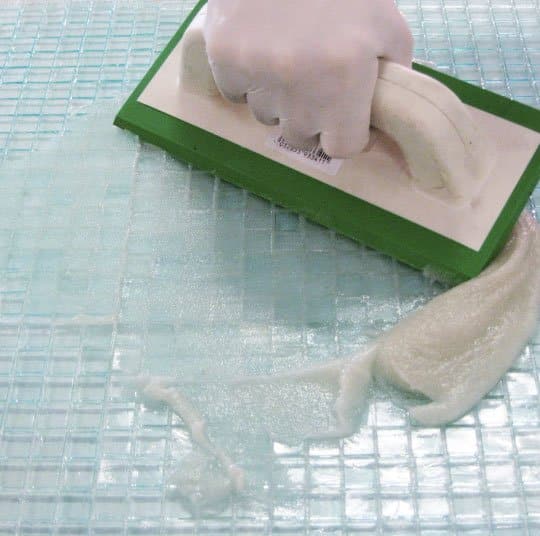
Use your Tooth Shaped Spatula for Epoxy Resin Application or a suitable tool to evenly spread a thin layer of the mixed resin onto the back of each loose tile or directly onto the prepared wall surface. The notched design helps ensure consistent coverage without air pockets.
Position the tile carefully on the wall, pressing firmly to ensure full contact. Remove excess resin that seeps out from the edges before it cures. Hold the tile in place with gentle pressure until the adhesive begins to set. For multiple tiles, work section by section to maintain alignment.
"Epoxyprimer" – Universal Water-Based Two-Component Epoxy Floor Primer
Universal water-based epoxy primer designed to improve adhesion and durability of resin coatings on various floor surfaces.

Step 4: Finishing Touches and Curing
Check that the tiles are aligned and level with surrounding tiles before leaving the resin to set fully. Refer to the product’s recommended curing time (typically a few hours to overnight for full strength).
If the gaps between tiles need filling, more resin mastic can be used for grouting and a smooth finish. Use a roller or spatula for fine adjustments.
Allow each layer to cure before applying the next to prevent displacement or surface imperfections.
Tips, Troubleshooting and Common Mistakes
Always observe the minimum recommended application temperature (generally above 10°C) for epoxy products, as colder conditions can impair curing and adhesion.
Avoid over-applying resin; excess material may seep onto the tile face or adjacent tiles. Promptly clean spills before curing begins.
If reattaching to an especially porous or problematic substrate, consider using Epoxyprimer before bonding the tiles to promote adhesion and longevity.

"Epoxyprimer" – Universal Water-Based Two-Component Epoxy Floor Primer
Universal water-based epoxy primer designed to improve adhesion and durability of resin coatings on various floor surfaces.
Key reminders for a professional finish
Take your time with alignment and cleaning excess resin during each stage. Resin adhesives cure quickly, so accurate positioning and immediate cleanup make a significant difference. For best results, follow each product’s specific guidance for mixing and curing conditions.
- "Magelstick" – Epoxy Mastic for Stone, Metal, and Cement Bonding and GroutingPrice range: £43.85 through £166.45"Magelstick" Epoxy Mastic is designed for expert bonding and grouting of stone, metal, and cement surfaces, suitable for restoration and repair tasks.
- "Epoxyprimer" – Universal Water-Based Two-Component Epoxy Floor PrimerPrice range: £148.84 through £272.45Epoxyprimer is a water-based two-component epoxy floor primer designed for reliable adhesion on concrete, tiles, screeds and timber.
 Tooth Shaped Spatula for Epoxy Resin Application£3.15The Tooth Shaped Spatula offers precise application and smooth spreading of epoxy resin, suited for various surfaces within the tile repair theme.
 Resin & Paint Application Rollers – Short-Pile, Large, and Sponge TypesPrice range: £3.45 through £4.85Rollers designed for precise and uniform application on resin surfaces suitable for epoxy resin projects and related detail work.
Frequently Asked Questions
How do I reattach wall tiles that have come loose with epoxy resin?
Begin by cleaning the wall and tile, removing old adhesive. Mix a small batch of thixotropic epoxy mastic, apply a thin even layer to the tile, press it onto the wall, and hold until it sets. Allow full cure before using the area.
Should I apply a primer to the wall before epoxy resin?
A primer is not always essential, but using a compatible epoxy primer on porous or dusty substrates can significantly improve adhesion and long-term stability. Always assess the wall's condition before proceeding.
How to clean up excess epoxy resin during tile repair?
Clean up any uncured resin with a damp cloth or recommended solvent immediately after pressing the tile. Once epoxy cures, removal becomes difficult and may require careful scraping or sanding.
How long does epoxy resin take to cure when fixing wall tiles?
Epoxy mastic typically begins to set within a few hours at room temperature, and full bonding strength is achieved overnight. Colder temperatures can extend this period, while higher temperatures may accelerate it.
What are common mistakes to avoid during resin wall tile repairs?
Avoid applying too much resin, as this may cause tiles to slip. Ensure surfaces are dry and dust-free, and do not disturb tiles during initial curing. Careful alignment and prompt cleaning of excess resin are key for best results.