 Free shipping on orders over £29,85
  Shipping Tracking!


 Google
 Facebook
How to cover resin tiles?
Step-by-step guide to upgrading or protecting existing resin tiles
Upgrading or refreshing resin tiles can transform the look and durability of your space, whether you’re working in a bathroom, kitchen, or creative project area. Covering existing resin tiles not only rejuvenates their appearance but also extends their lifespan and protects them against moisture, scratches, and wear. This guide walks you through essential steps, recommended techniques, and key tips to ensure your new coating or finish delivers professional, long-lasting results.
What You’ll Need
- “Epoxyprimer” – Universal Water-Based Two-Component Epoxy Floor Primer: For priming tile surfaces to guarantee robust adhesion for subsequent coats.
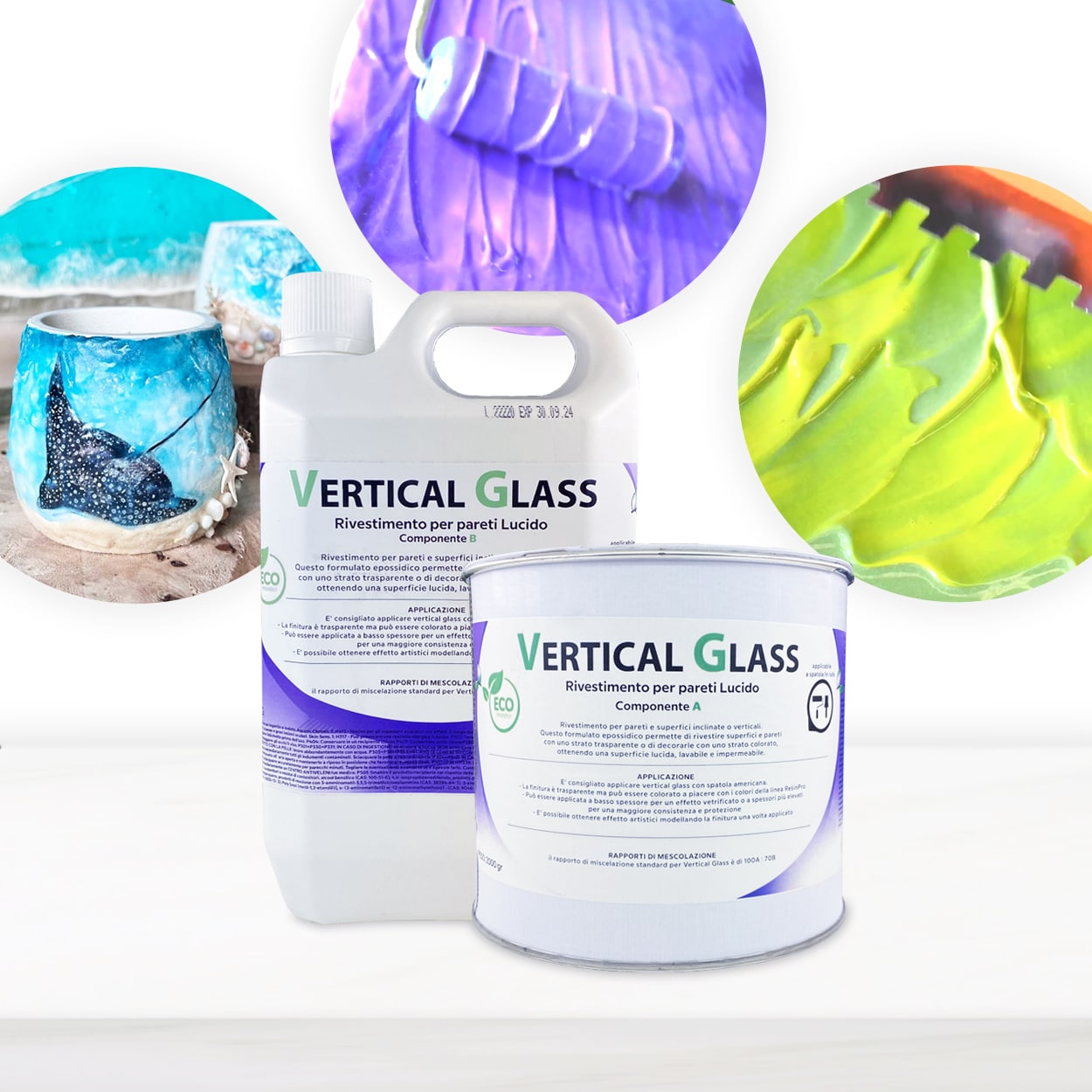
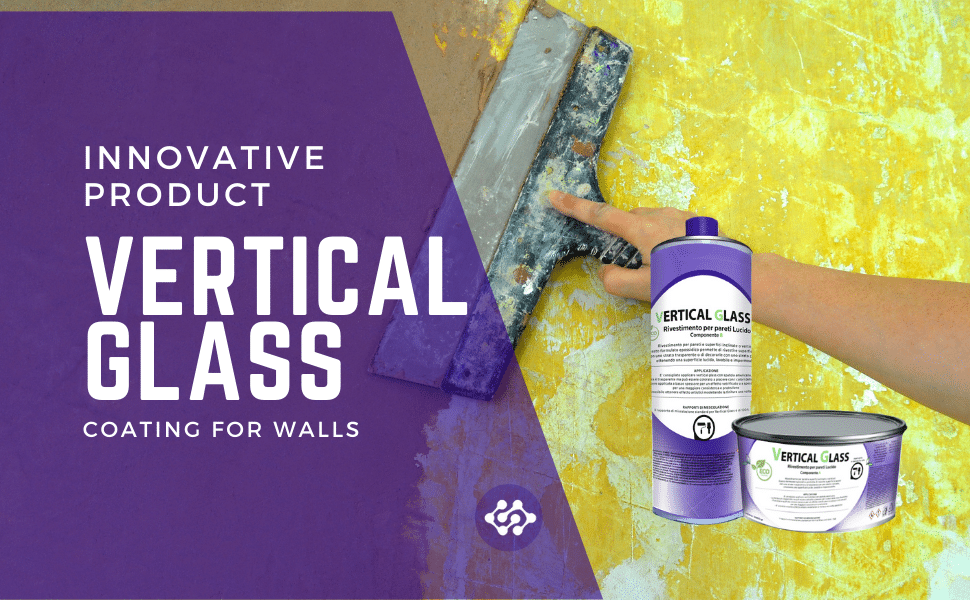
- “Vertical Glass” – Thick Resin Decorative Wall Coating: Ideal for decorative and waterproof coverings on vertical or sloped tile surfaces.
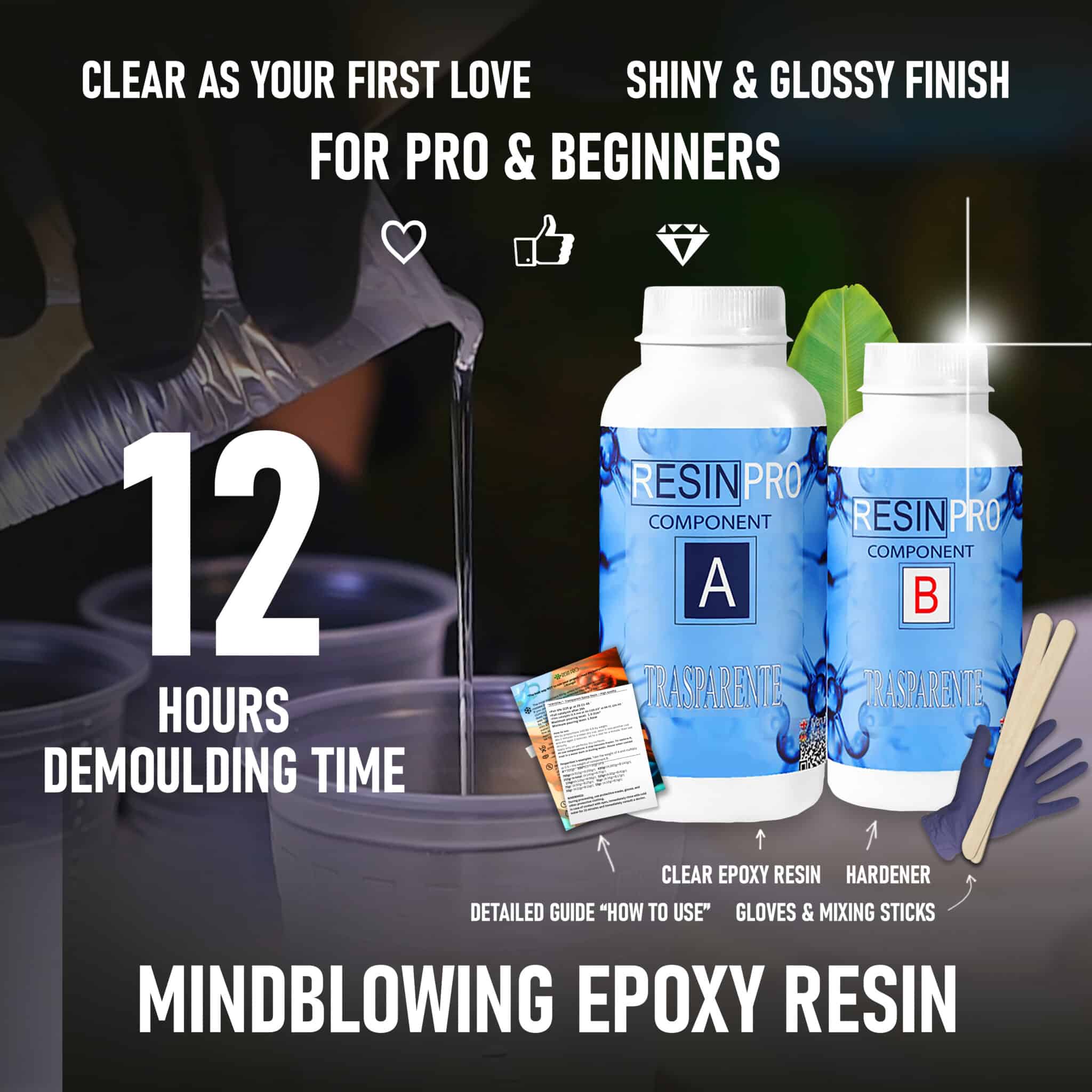
- “Trasparente” – Multipurpose Clear Epoxy Resin for Casting – Up to 2cm: Suitable for high-gloss, clear protective overlays where a thicker pour is required.
- “Art Pro” – Clear Epoxy Resin for Artists and Surface Coating: Best for thin, glass-like finishes on artistic or decorative resin tiles.
- Protective gloves and mask
- Plastic sheeting or masking tape (for protecting adjacent areas)
- Roller, brush, or spatula for application
- Fine grit sandpaper (optional, for surface prep)

Visual Prep and Product Selection
See examples of properly prepared resin tile surfaces ready for coating, along with application tools and containers of primer or resin. Notice the even sanding and cleanliness prior to priming. Arrange your materials close by for a smooth progression through each step.
Step 1: Clean and Prepare the Resin Tile Surface
Begin by thoroughly cleaning the existing resin tiles. Remove any dust, grease, dirt, or soap residues as these can affect the adhesion of new coatings. Use a mild detergent and warm water, rinsing well and allowing the surface to dry completely. For glossy or exceptionally smooth resin tiles, lightly sanding with fine grit paper can help create a texture for better adhesion. Ensure the area is ventilated and wear protective gloves and mask during this preparation.
Clean thoroughly and dry the resin tile surface before proceeding to any priming or coating for optimal results.
Step 2: Prime the Tiles for Maximum Adhesion
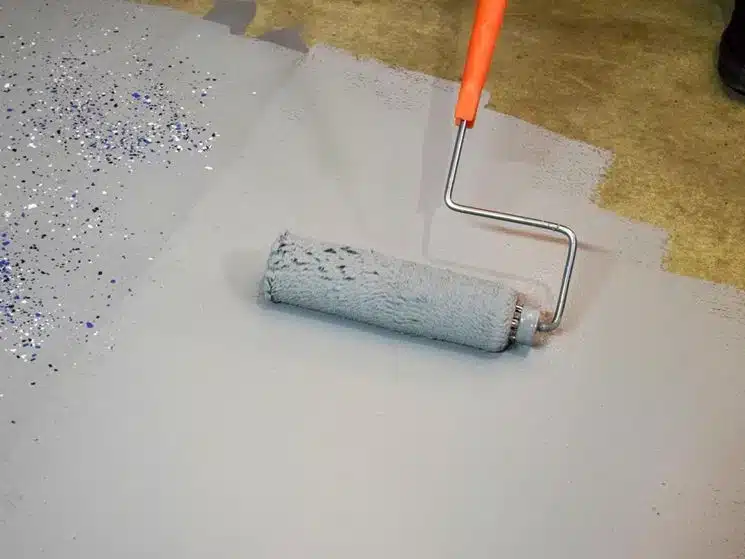
To achieve strong bonding between existing tiles and your new resin coat, priming is highly recommended, especially for floors or areas subject to regular use. Apply a dedicated primer designed for resin and tiled substrates using a brush or roller. Allow the primer to cure fully based on manufacturer guidelines (typically 24–48 hours) before continuing.
Use the right primer for best adhesion. Epoxyprimer – Universal Water-Based Two-Component Epoxy Floor Primer is formulated specifically for maximising adhesion on tiled and resin surfaces.
Step 3: Apply the Chosen Resin or Decorative Coating
Once primed, select a suitable resin product based on your final desired effect. For vertical or decorative wall tiles, use a spatula to apply a resin wall coating such as Vertical Glass – Thick Resin Decorative Wall Coating. This coating can be tinted for creative effects and offers waterproof protection. For clear, glossy overlays or artistic finishes (such as on mosaic tiles or art panels), use a casting resin like Trasparente – Multipurpose Clear Epoxy Resin for Casting – Up to 2cm for thicker pours or Art Pro – Clear Epoxy Resin for Artists and Surface Coating for thinner, glass-like surface coats. Pour or spread the resin evenly, avoiding drips or pooling, and use a brush or spatula to help distribute. Follow product-specific mixing ratios and working times precisely for trouble-free application.
Apply your chosen resin or coating evenly to avoid streaks and air bubbles, ensuring a seamless and professional finish.
Step 4: Allow the Coating to Cure Fully
Curing time is critical for the durability and performance of your new covering. Most resin coatings will require at least 24–48 hours to reach sufficient hardness for light use, and longer for full cure—refer to your selected product’s directions. Avoid stepping on, touching, or exposing the surface to moisture during this period. Proper curing ensures strong adhesion, scratch resistance, and a long-lasting finish.
Allow sufficient curing time before use to prevent marks, dents, or incomplete bonding in the resin surface.
Tips, Common Mistakes, and Troubleshooting
To ensure a flawless result, always test your resin application on a small hidden area first, especially when using coloured pigments or covering old tiles. Avoid applying resin on damp or dusty surfaces as this leads to poor adhesion or clouding. If bubbles appear, gently run a heat gun or blowtorch over the surface (taking care not to scorch the resin). Ensure sufficient ventilation throughout, and always wear proper protective equipment. When working on vertical tiles, choose a non-drip formula to maintain clean lines and avoid runs.
Curing and Creative Effects
Explore finished resin tile coverings at various stages of curing. View artistic effects using tinted resin coatings and see the clarity achieved with dedicated surface resins. Be inspired by creative finishes and learn how patience during curing produces outstanding results.

- "Epoxyprimer" – Universal Water-Based Two-Component Epoxy Floor PrimerPrice range: £148.84 through £272.45Epoxyprimer is a water-based epoxy floor primer designed for reliable adhesion on concrete, tiles, screed, and timber surfaces.
- "Vertical Glass" – Thick Resin Decorative Wall CoatingPrice range: £128.85 through £179.85"Vertical Glass" is a versatile epoxy resin wall coating suitable for creative, waterproof finishes on tiles and other surfaces.
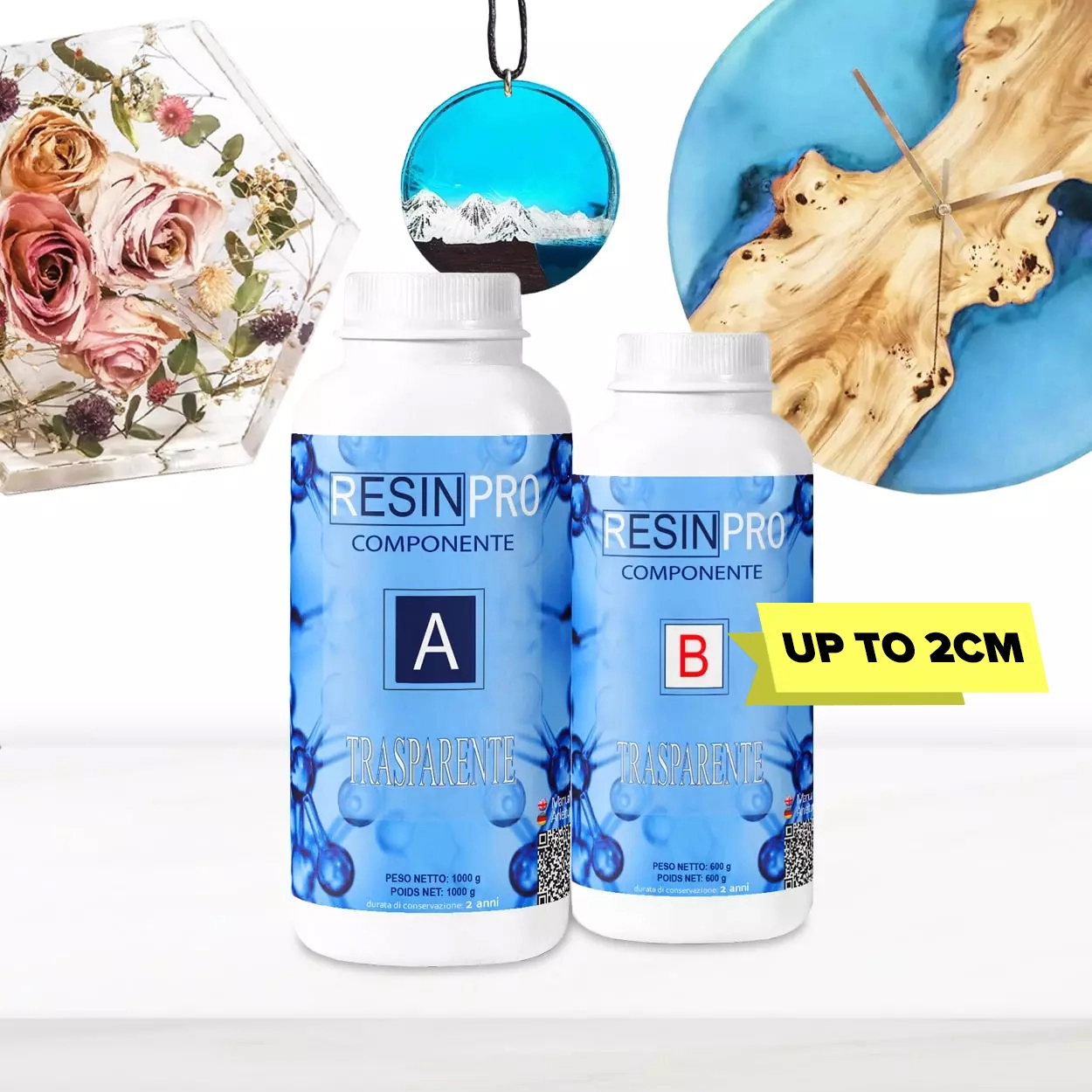 "Trasparente" – Multipurpose Clear Epoxy Resin for Casting – Up to 2cmPrice range: £8.45 through £948.85Multipurpose clear epoxy resin suited for up to 2cm layers, offering a glossy finish and scratch resistance for DIY projects and woodworking.
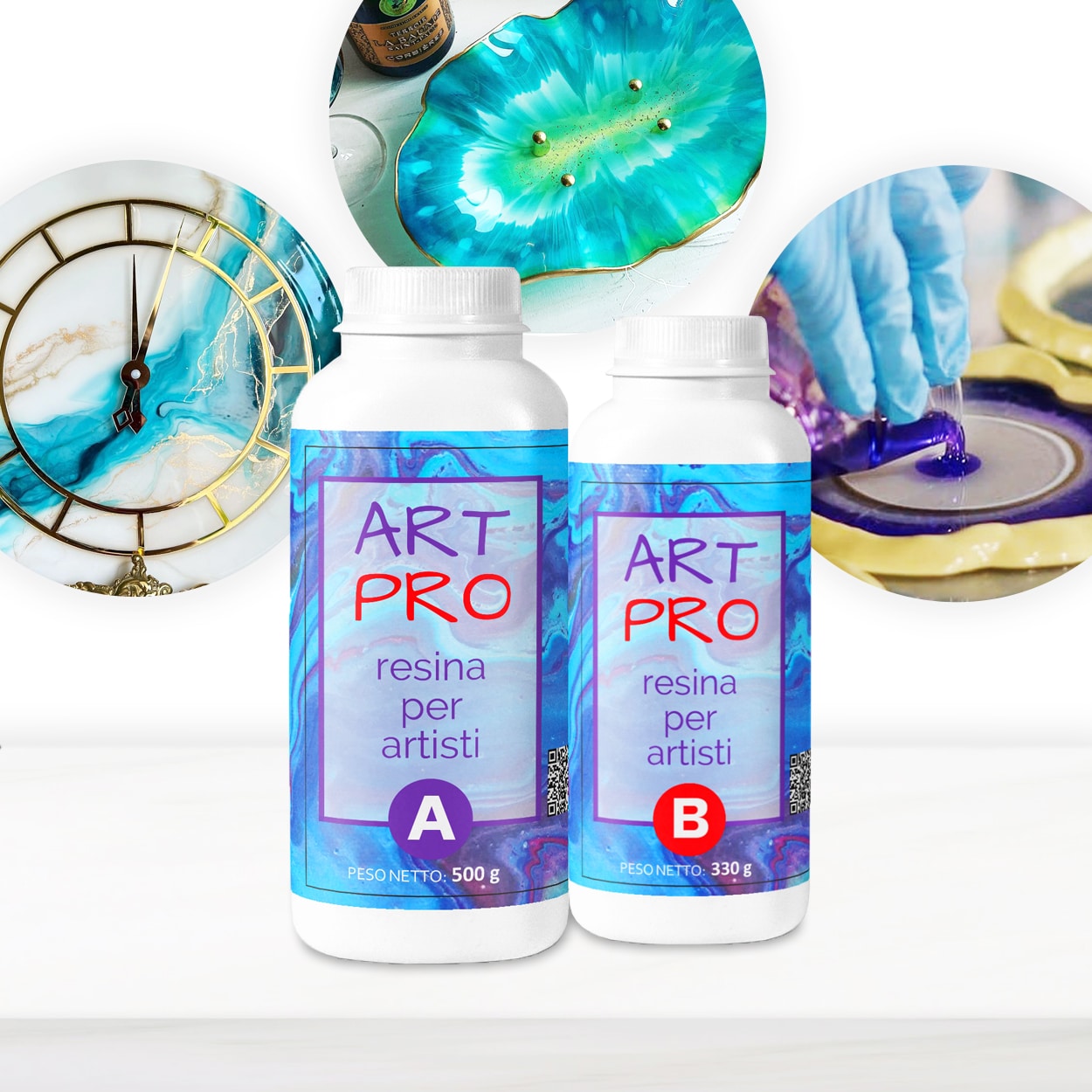 "Art Pro" – Clear Epoxy Resin for Artists and Surface CoatingPrice range: £31.15 through £388.85Art Pro clear epoxy resin provides a durable, high-gloss finish suitable for artistic surface coatings and decorative projects.
Frequently Asked Questions
Can I coat old resin tiles without removal?
Yes, as long as the tiles are clean, dry, and stable, you may cover them directly with an appropriate resin system.
How long should resin coatings cure on tiles?
Most resin coatings require at least 24–48 hours to cure for light use, and longer for full hardness or exposure to moisture.
Why use primer under resin on tiles?
Priming ensures maximum adhesion between the old tile surface and the new resin layer, preventing peeling or poor bonding.
Which resin is best for a glossy or decorative finish on tiles?
For ultra-clear finishes use Art Pro or Trasparente; for decorative, vertical surfaces choose Vertical Glass.
How do I fix bubbles or runs in a new resin coating?
Use a heat gun gently to remove bubbles and select non-drip resins for vertical applications to avoid runs.
Can I use resin on tiles in wet areas like bathrooms?
Yes, as long as you select a waterproof resin coating and allow it to cure completely before exposing to water.