 Free shipping on orders over £29,85
  Shipping Tracking!


 Google
 Facebook
How do you pour resin on a table with bottle caps?
Step-by-step guide to crafting a unique resin bottle cap table
Transforming a table with encapsulated bottle caps and clear resin creates a one-of-a-kind furniture piece that combines creativity with durability. This guide will walk you through the key steps, offering detailed advice to ensure your bottle cap resin table is both eye-catching and long-lasting. Whether you’re customising a coffee table or preserving your favourite cap collection, following these techniques will help you achieve exceptional, professional results.
What You’ll Need
- Tabletop or base panel (wood, MDF or solid substrate)
- Bottle caps (clean and dry)
- Strong adhesive for securing caps
- Dam or edging material to contain the resin
- Protective gloves and mixing tools
- Level and spirit bubble (to check flatness)
- Resin, chosen for your project thickness:
- “Trasparente” – Multipurpose Clear Epoxy Resin for Casting – Up to 2cm (for thin layers or shallow caps)
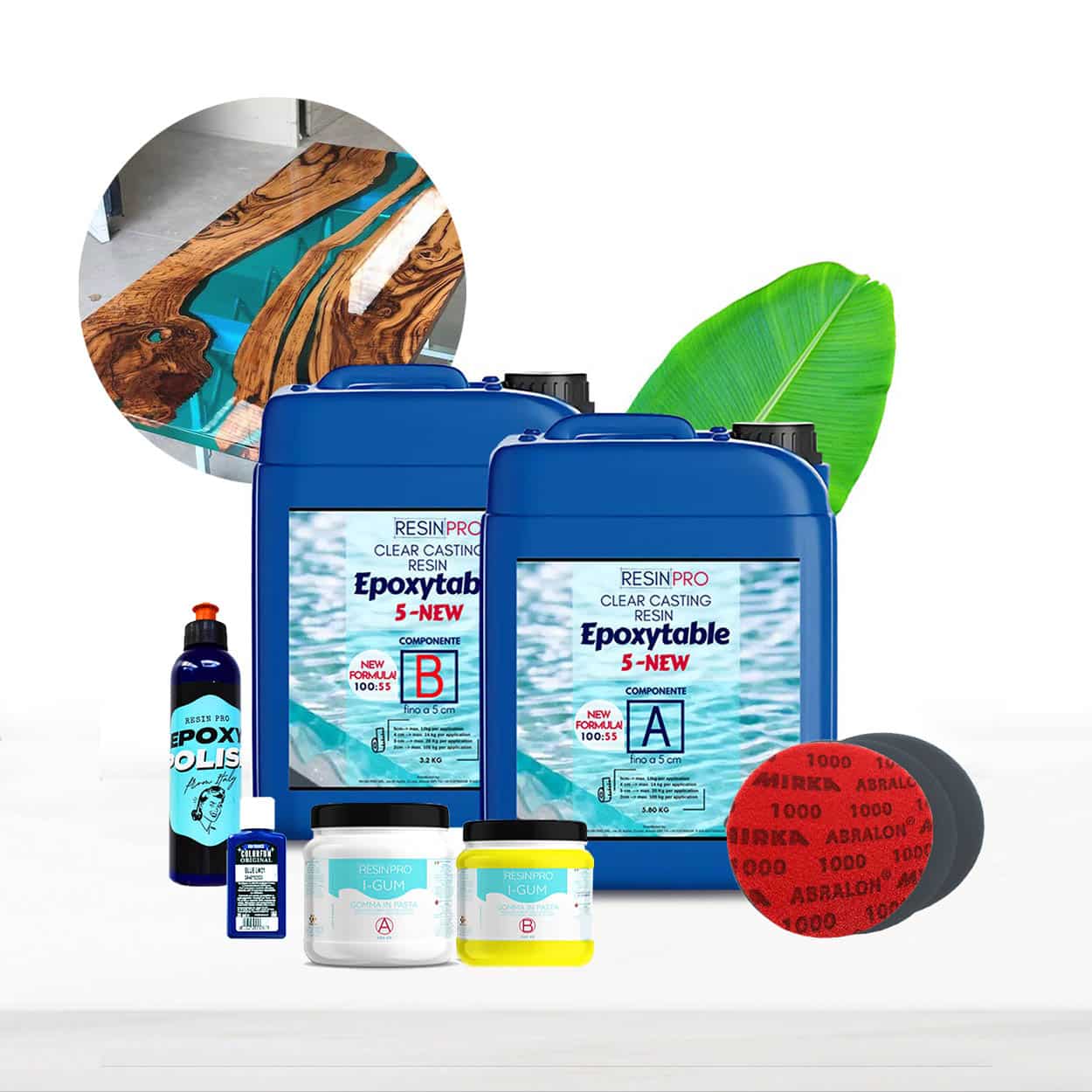
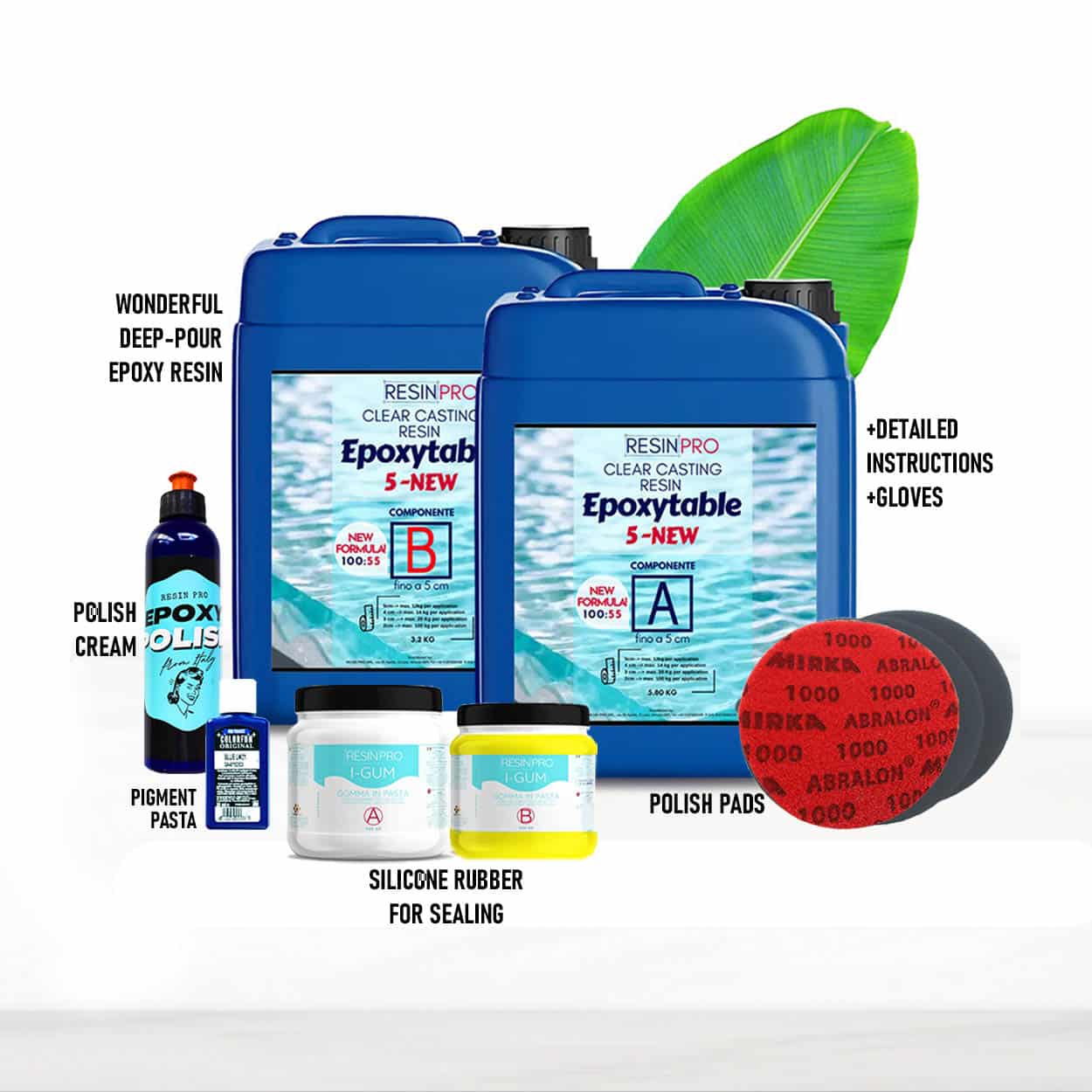
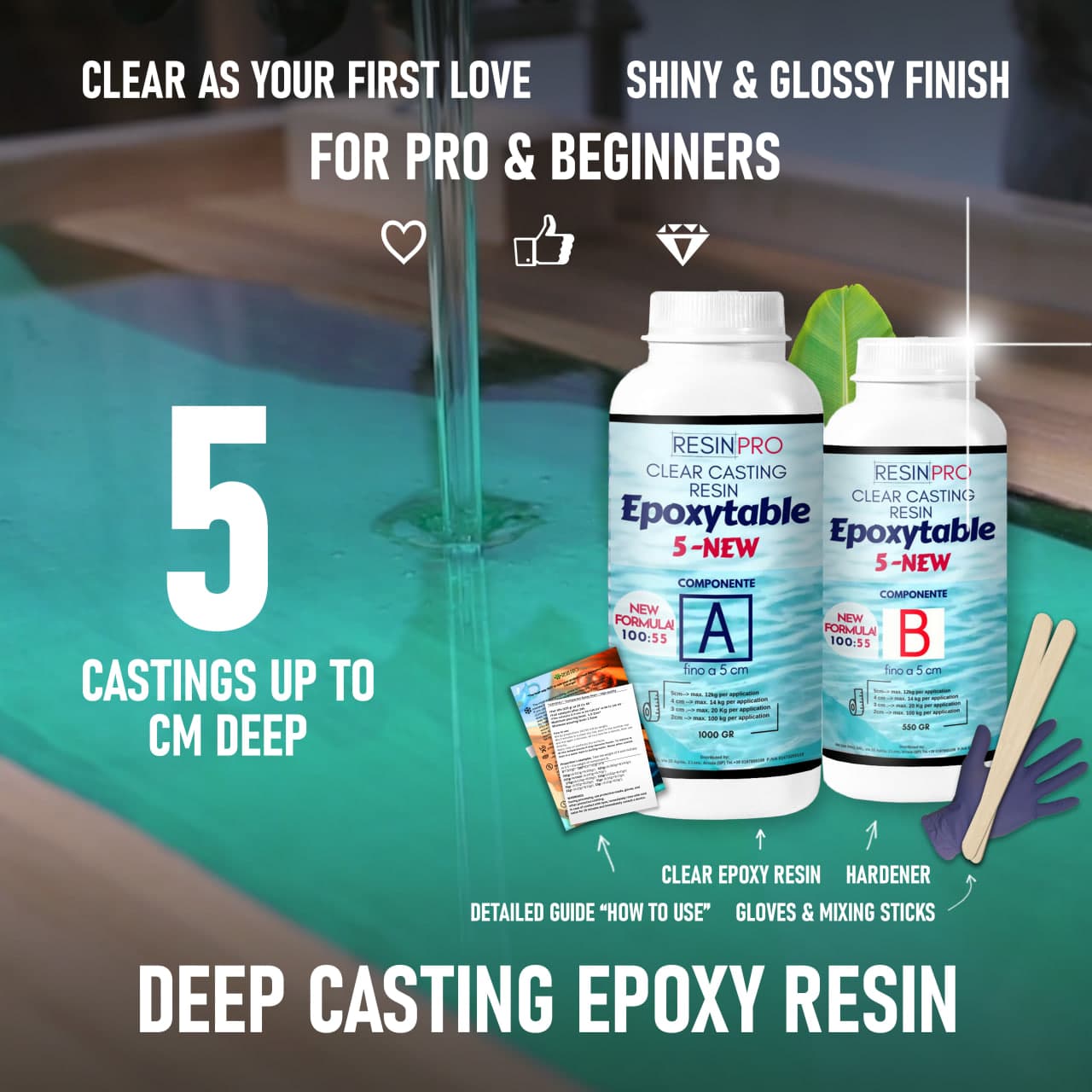
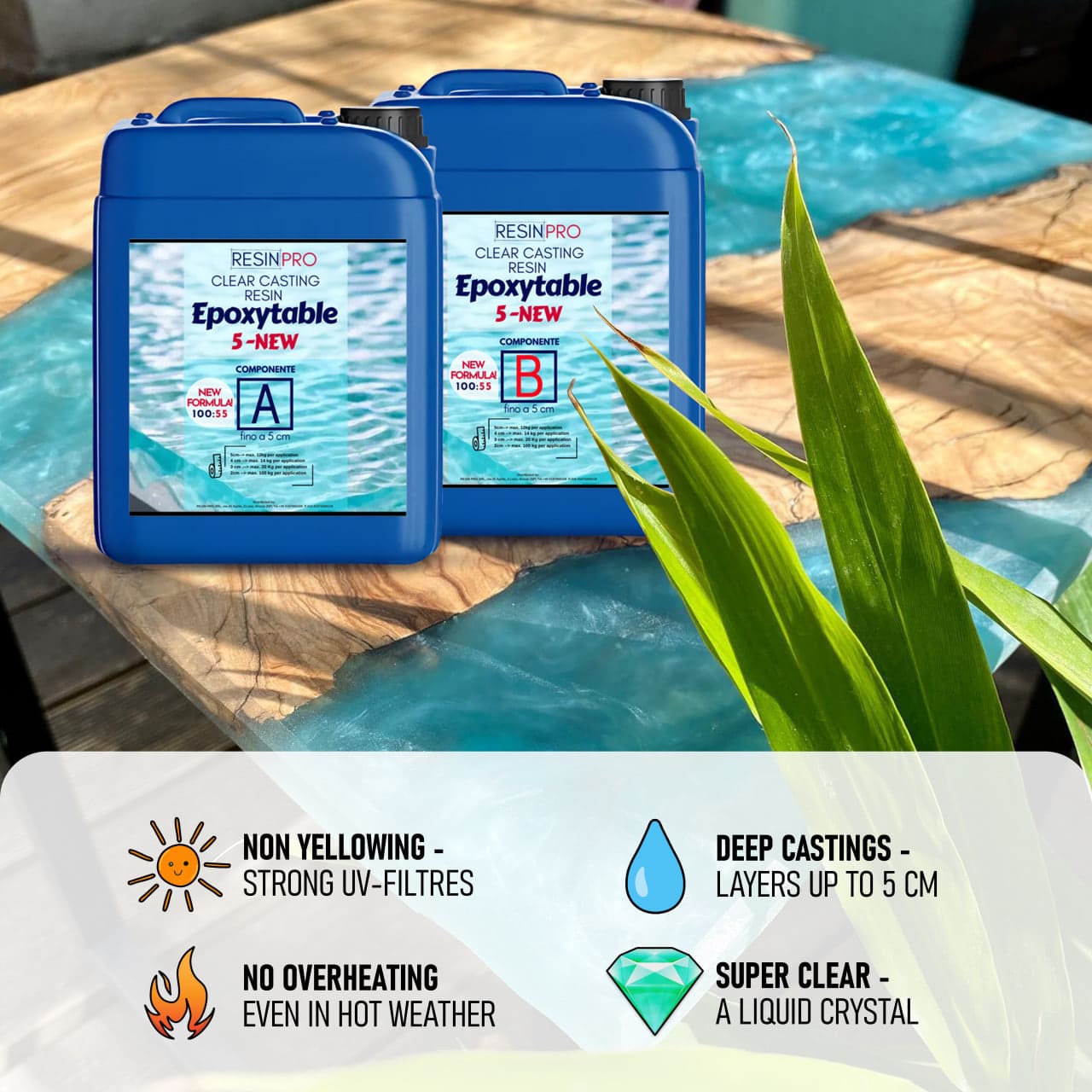
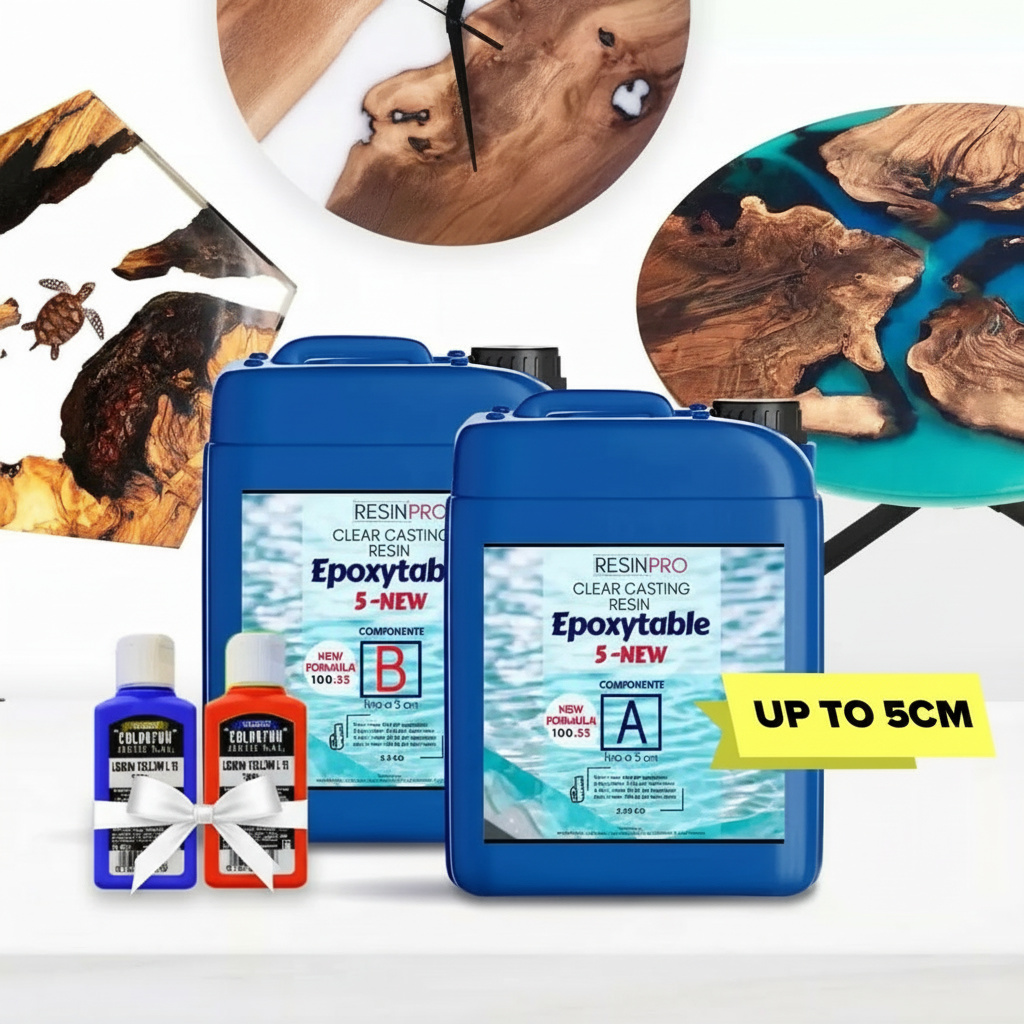
- “EpoxyTable 5-Five” – Deep Pour Epoxy Resin for Tables and Large Projects – Up to 5cm (for thicker pours and deeper encapsulation)
- “Epoxytable 10-Ten” – Deep Pour Epoxy Resin for Tables, Up to 10cm Casting (for extra-deep projects)
- “River-Table” – Complete Kit for Creating Your First Epoxy Resin Table (for a complete solution including materials and guidance)
- Pulley torch or heat gun (for bubble removal)
- Sandpaper and polishing kit (for finishing)
Getting Inspired: Bottle Cap Resin Table Designs
Bottle caps can be arranged in countless patterns, from uniform mosaics to eclectic collages. Consider grouping by colour or brand for striking effects, or create a bold centrepiece motif with contrasting surrounds. Test your layout in advance before you glue anything down as this step is key to the finished table’s look. Look for examples online and draw inspiration from completed resin projects to unlock ideas for your own space.
Step 1: Prepare the Tabletop and Bottle Caps
Start with a flat, clean, and dry table surface. Any imperfections in the base can show through the resin, so sand the table as necessary and wipe away dust. Arrange your bottle caps on the surface in your desired pattern, double-checking spacing and fit. Remove any stray labels or dirt from the caps for the best clarity once cast in resin. Wear gloves and work in a ventilated area to protect yourself throughout the process.
Once satisfied with the arrangement, fix each cap in place with a small dab of strong, fast-setting adhesive. Let the adhesive cure fully before proceeding to prevent caps from floating in the resin.
Step 2: Build a Dam and Seal the Surface
Attach a dam or edge barrier around the tabletop to contain the resin during pouring. Masking tape, silicone strips, or wooden battens are common choices, but ensure a tight seal to avoid leaks. If using a wooden surface, apply a sealant layer or a thin coat of resin to the base and over the bottle caps to prevent air bubbles from escaping during the main pour. This pre-sealing step is especially crucial for porous or rough substrates. Seal the base and bottle caps thoroughly and allow it to cure fully before proceeding.
Step 3: Mix and Pour the Resin in Layers
Choose your resin based on the thickness and depth required. For shallow projects, the “Trasparente” – Multipurpose Clear Epoxy Resin for Casting – Up to 2cm is ideal, while deeper tables with embedded objects will benefit from “EpoxyTable 5-Five” – Deep Pour Epoxy Resin or “Epoxytable 10-Ten”. Use the mixing ratio provided by the manufacturer and measure precisely. Measure and mix resin precisely to avoid curing issues.
Pour the resin slowly to minimise trapped air. For extra-deep projects, pour in layers no thicker than the product’s guidance, allowing each layer to partially cure to avoid overheating. Pour resin in layers suited to depth for the clearest, strongest result.
Step 4: Remove Bubbles and Allow to Cure
After pouring, bubbles may form around the caps or within the resin. Use a heat gun or pulley torch in gentle, sweeping motions across the surface to eliminate trapped bubbles. Pop bubbles as soon as they appear, working carefully to avoid overheating the resin or melting plastic caps.
Let the resin cure fully on a level surface, protected from dust and movement. Curing times vary based on product and thickness, so refer to instructions for accurate timings. Avoid disturbing the project until entirely hardened.
Step 5: Finish and Polish the Table
Once fully cured, remove the edge dam and inspect for sharp edges or imperfections. Sand any rough spots and use progressively finer sandpaper for smoothness. For a glass-like finish, polish the surface using a polishing kit as recommended in the resin’s instructions. Clean away dust and enjoy your feature bottle cap table – a durable, functional artwork for your space.
Tips and Common Mistakes to Avoid
Work in a dust-free area at recommended temperatures to prevent cloudiness and curing problems. Always follow the resin’s mixing ratio accurately; rushing or careless mixing may cause soft or sticky areas. Double-check your table is perfectly level to avoid unintentional resin pooling. Never pour resin deeper than the product allows in one go – deeper or oversized pours must be layered as instructed for even curing and clarity.
Showcase: Finishing Touches for a Professional Look
Proper sanding and polishing will ensure your resin surface is not only durable but also as clear as glass. Use a dedicated polishing kit for the best results. Many successful projects apply a final thin coat of resin after sanding to maximise gloss. A clean, dust-free finish will help your bottle cap table stand out in any setting.
- "River-Table" – Complete Kit for Creating Your First Epoxy Resin TablePrice range: £188.85 through £444.85"River-Table" kit provides materials and instructions to create a wooden and resin table, suited to beginners under the given theme.
- "EpoxyTable 5-Five" – Deep Pour Epoxy Resin for Tables and Large Projects – Up to 5cmPrice range: £16.85 through £1,099.85"EpoxyTable 5-Five" is a deep pour epoxy resin suitable for tables and large projects, offering low viscosity and bubble-free pouring.
 “Epoxytable 10-Ten” – Deep Pour Epoxy Resin for Tables, Up to 10cm CastingPrice range: £33.85 through £334.85“Epoxytable 10-Ten” epoxy resin is designed for creating tables with castings up to 10cm thick, suitable for projects involving deep pours.
 "Trasparente" – Multipurpose Clear Epoxy Resin for Casting – Up to 2cmPrice range: £8.45 through £948.85"Trasparente" is an ultra-clear epoxy resin designed for detailed castings and table projects with up to 2cm layers, suitable for wood and art…
Frequently Asked Questions
Can you pour resin over bottle caps on a tabletop?
Yes, resin can be poured over securely fixed bottle caps to create a smooth, clear, durable finish.
How do I prevent bottle caps from floating in resin?
Glue each bottle cap down firmly and allow adhesive to cure fully before pouring resin to keep them in place.
Which resin is best for a bottle cap table?
Use a deep pour epoxy resin for layers above 2cm, and a clear casting resin for thinner projects.
How do I avoid bubbles when pouring resin over bottle caps?
Seal caps and tabletop with a thin resin layer, and use a torch or heat gun to eliminate bubbles after pouring.
How long does a resin bottle cap table take to cure?
Curing time depends on resin and layer thickness, but typically ranges from 24 to 72 hours for full hardness.
Is the complete kit suitable for bottle cap tables?
Yes, a kit with resin and essential tools easily supports bottle cap table projects for beginners.