 Free shipping on orders over £29,85
  Shipping Tracking!


 Google
 Facebook
How do you catalyse casting synthetic resin?
Exploring curing methods and resin types for every casting project
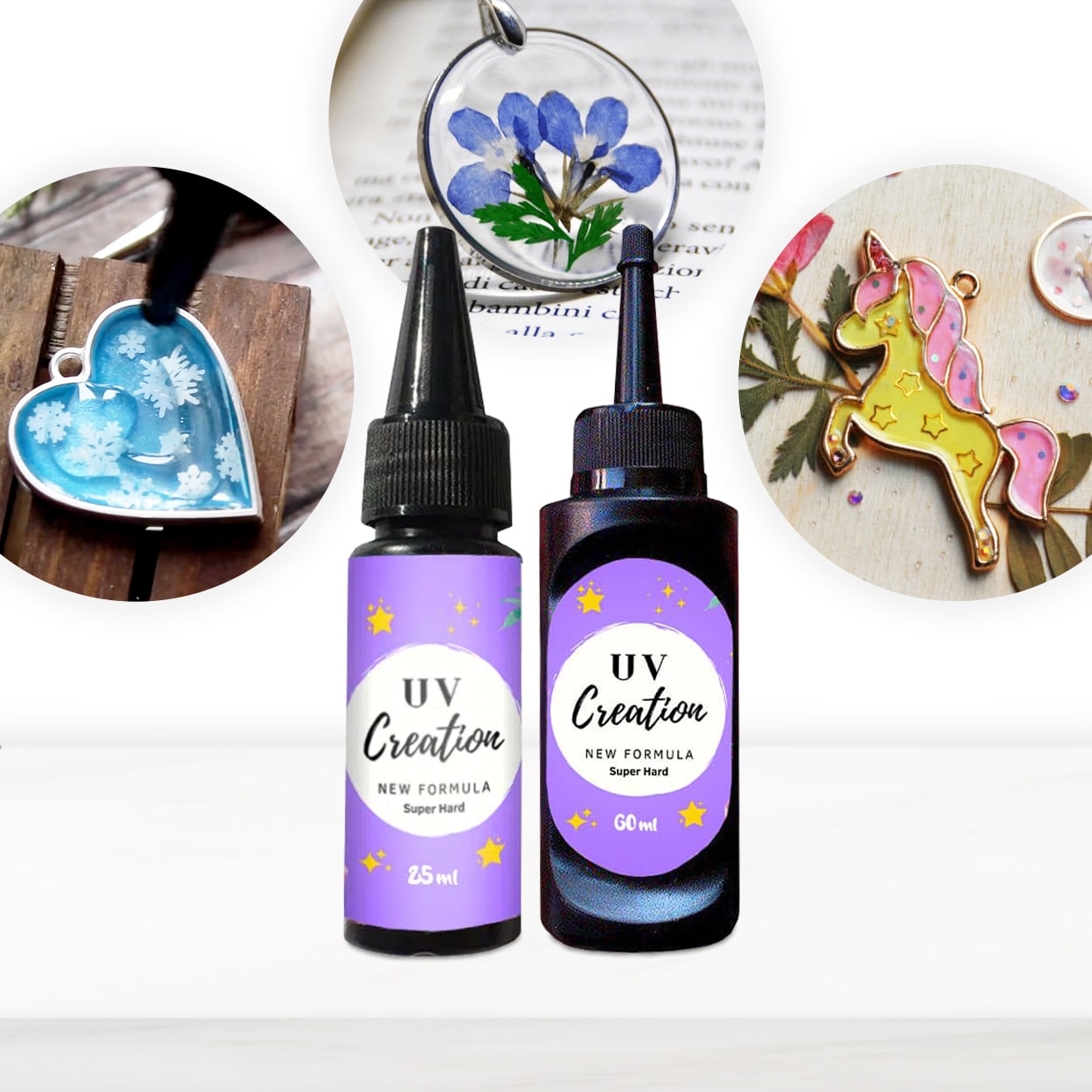
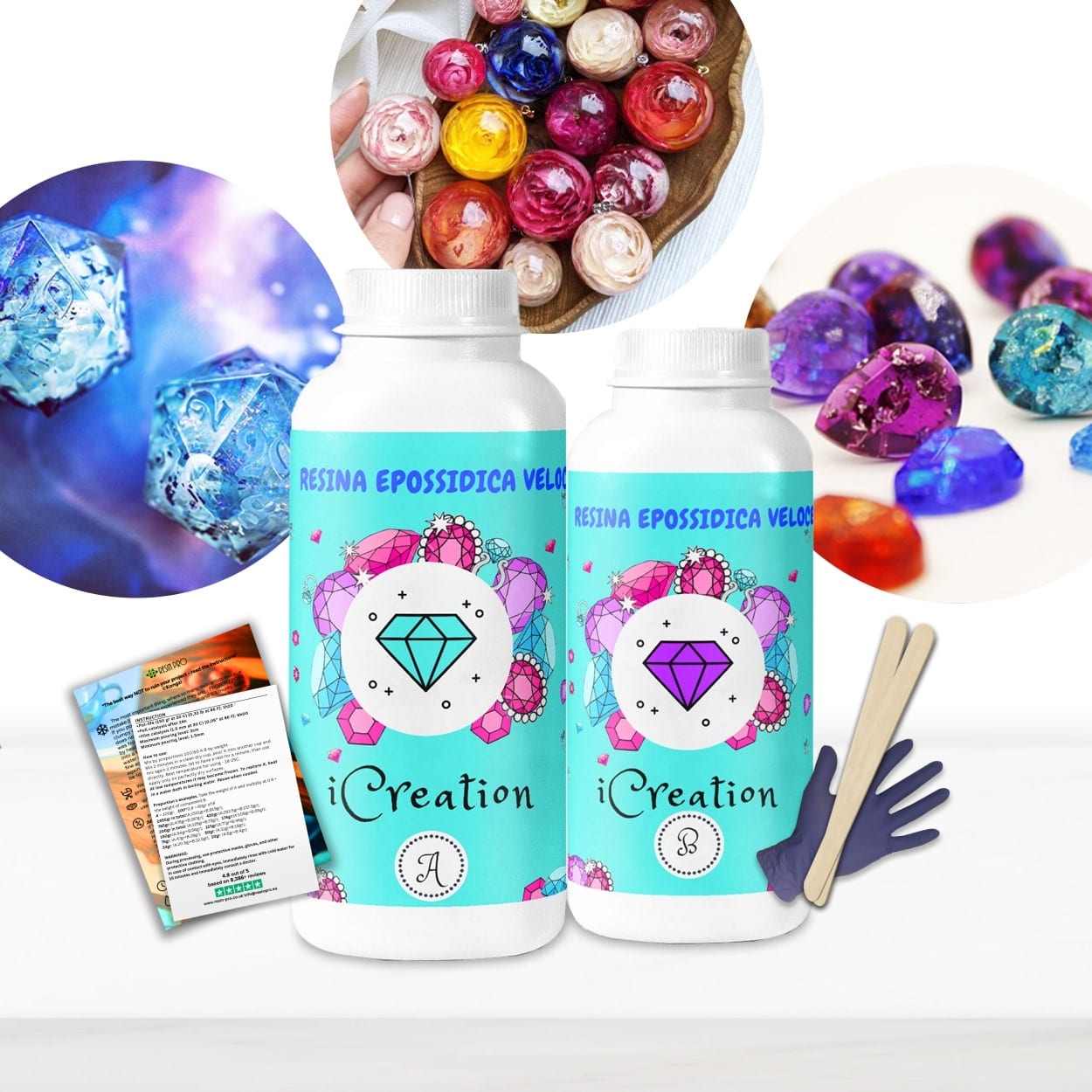
Whether you’re an artist, crafter, or professional maker, understanding how to catalyse casting synthetic resin is key to achieving clear, durable results. This page guides you through the main methods of catalysis in casting resins, spotlights fast and reliable resin options, and supports you in selecting the ideal system — no matter if you’re shaping jewellery, producing decorative craft, or casting large, thick pieces like resin tables.
Overview: Comparing Catalysis Methods in Synthetic Resin Casting
Catalysis is the chemical process that transforms synthetic resin from a liquid to a solid via curing. Resin systems differ in how this catalysis is achieved: some activate rapidly under UV light, while others rely on room temperature chemical mixing. Selecting the right catalysis method determines your workflow, working time, demoulding speed, and final finish.
- Instant curing is possible with UV-acrylic resins, offering precision for small crafts and jewellery pieces.
- Epoxy systems, popular for larger objects, catalyse through careful mixing of two components, with variants optimised for speed (6-hour demoulding time) or for thickness of cast (up to 10cm deep pours).
- Ease of use is enhanced with products offering a one-component (ready to use), 2:1 or 1:1 mixing ratios, and clear safe handling properties.
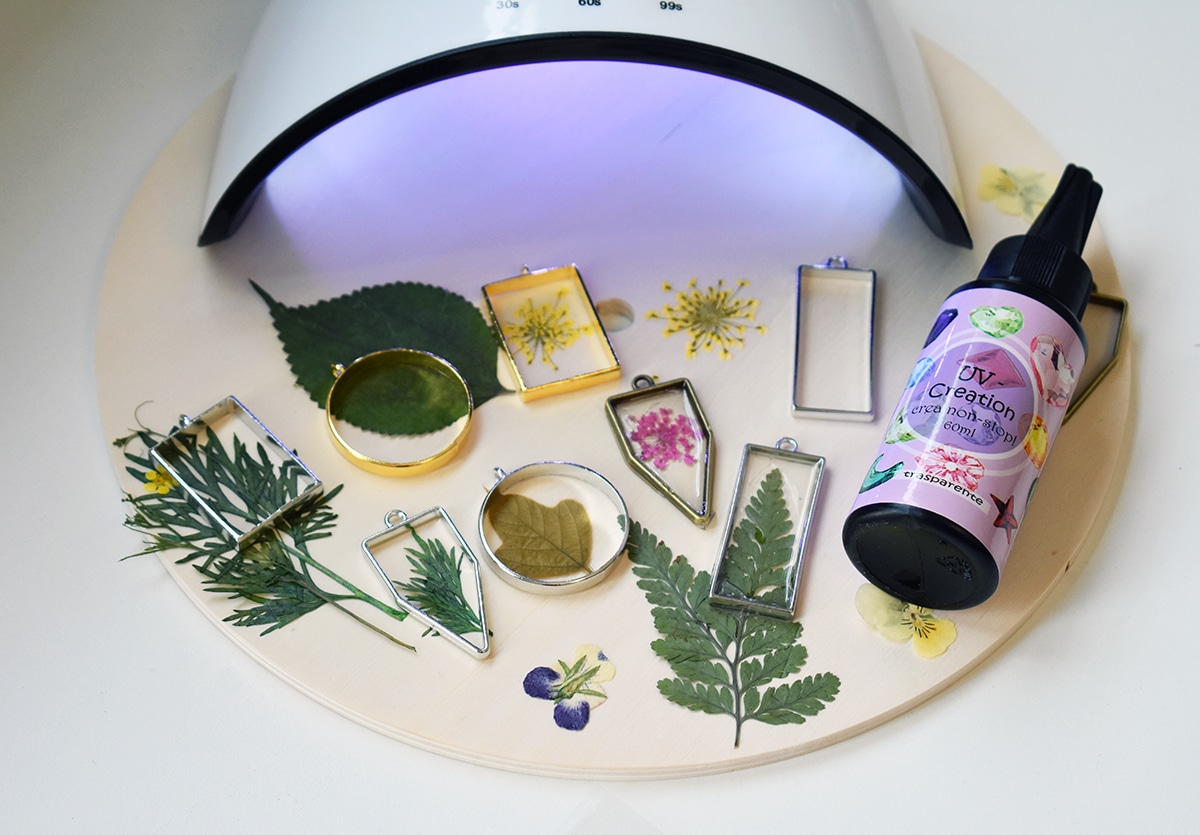
Visual Guide to Resin Curing Methods
Compare UV-resin and epoxy curing visually: UV systems set in minutes under specialised lamps, while epoxies mix and self-level before curing over several hours. Observe the clarity, surface gloss, and catalyst application for each method.
“UV–Creation” – Rapid UV Curing for Jewellery and Small Craft
For artists and hobbyists seeking the fastest turnaround, “UV–Creation” – Fast Acrylic Resin, 3 Minute UV Cure delivers a radical solution. This one-component UV resin doesn’t require mixing—simply apply and cure it under a 365–405 nm UV lamp. It’s exceptionally clear and glossy, resisting yellowing and suitable for intricately-detailed items like open bezels, pendants, and miniatures. Note: this system is best for small-to-medium pours where swift curing and minimal cleanup are priorities.
“ICreation” – Fast Epoxy for Art, Resin Jewellery, and Decorative Craft
The “ICreation” – Fast Epoxy Resin, 6h Demoulding, Transparent Gloss Finish is engineered for rapid catalysis in epoxy applications. With a straightforward 2:1 mixing ratio (resin to hardener), the ICreation system produces a crystal-clear, self-levelling finish that’s touch-ready for demoulding in just six hours, and fully cured in about twelve. Its UV filter resists yellowing, and it’s the ideal choice for projects like cabochons, layered art, moulded jewellery, and time-sensitive batch work.
“Epoxytable 10-Ten” – Deep Pour Catalysis for Large Projects
When you need to pour thick castings — such as river tables, large centrepieces, or deep art works — “Epoxytable 10-Ten” – Deep Pour Epoxy Resin for Tables, Up to 10cm Casting is specifically developed for up to 10cm depth in a single pour. Its slow, controlled catalysis limits heat build-up, preventing cracks or bubbles even in large volumes. Featuring advanced UV filters and long pot life, it is trusted for clarity, non-yellowing, and superb professional results.
“One-2-One” – Easy 1:1 Mixing for Handcraft and Jewellery
For beginners and DIYers seeking simplicity and reliability, “One-2-One” – Epoxy Resin for Handcraft, 1:1 Mixing Ratio is formulated to provide an easy equal-parts (by volume) preparation. This medium viscosity, non-toxic resin cures to a brilliant, glassy finish ideal for smaller castings, cabochons, coasters, and surface coatings. Its resilience against scratches and moisture, together with a UV-resistant finish, makes it a favourite for decorative crafts.
Tips for Choosing Your Resin Catalysis System
When selecting a casting resin, consider the project scale, thickness required, and how quickly you need to demould. Fast UV systems are unbeatable for agile, small-format work, while advanced epoxies offer reliability for both decorative and structural applications. Deep pour resins like Epoxytable 10-Ten are essential for thick or large pieces—avoid using quick-cure epoxies for deep projects due to risk of overheating and imperfections. Always mix thoroughly, following recommended ratios and safety guidance.
Pro Tips for Safe and Effective Resin Catalysis
Always wear gloves and eye protection when working with synthetic resins. Mix slowly to avoid trapped air, and cure in a dust-free, temperature-stable environment. Choose a resin suited to your project’s thickness, and follow manufacturer guidelines for best results.
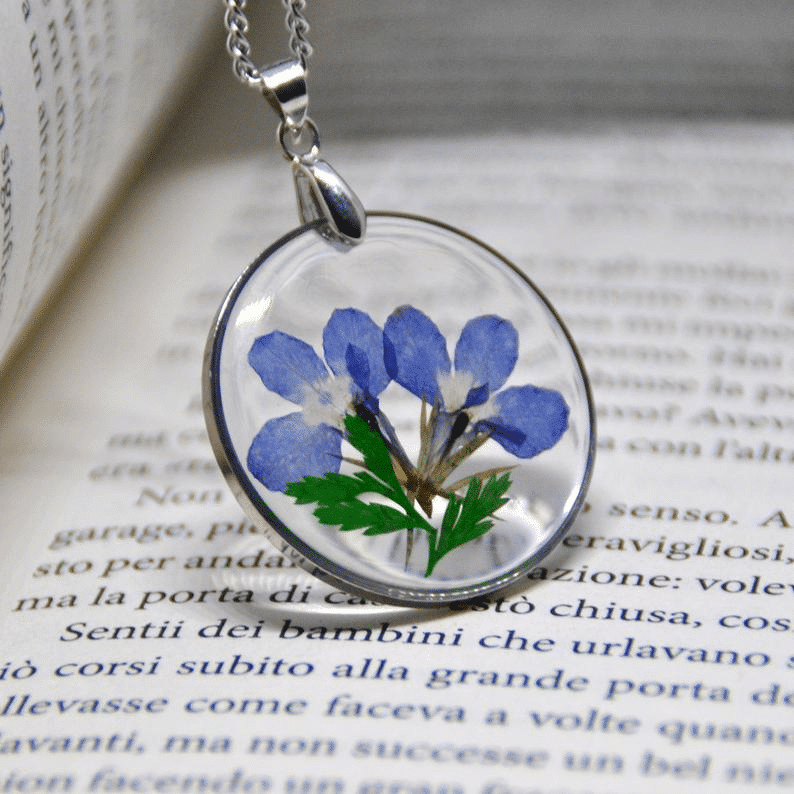
- "UV–Creation" – Fast Acrylic Resin, 3 Minute UV CurePrice range: £7.85 through £59.85"UV–Creation" UV acrylic resin cures rapidly under UV, offering a clear, glossy finish suited for fast jewellery crafting.
- "ICreation" – Fast Epoxy Resin, 6h Demoulding, Transparent Gloss FinishPrice range: £19.40 through £52.85ICreation fast epoxy resin offers rapid catalysis with a 6-hour demoulding time and a transparent, glossy finish.
 “Epoxytable 10-Ten” – Deep Pour Epoxy Resin for Tables, Up to 10cm CastingPrice range: £33.85 through £334.85“Epoxytable 10-Ten” is designed for creating deep, clear resin castings up to 10cm, suitable for tables and artistic projects.
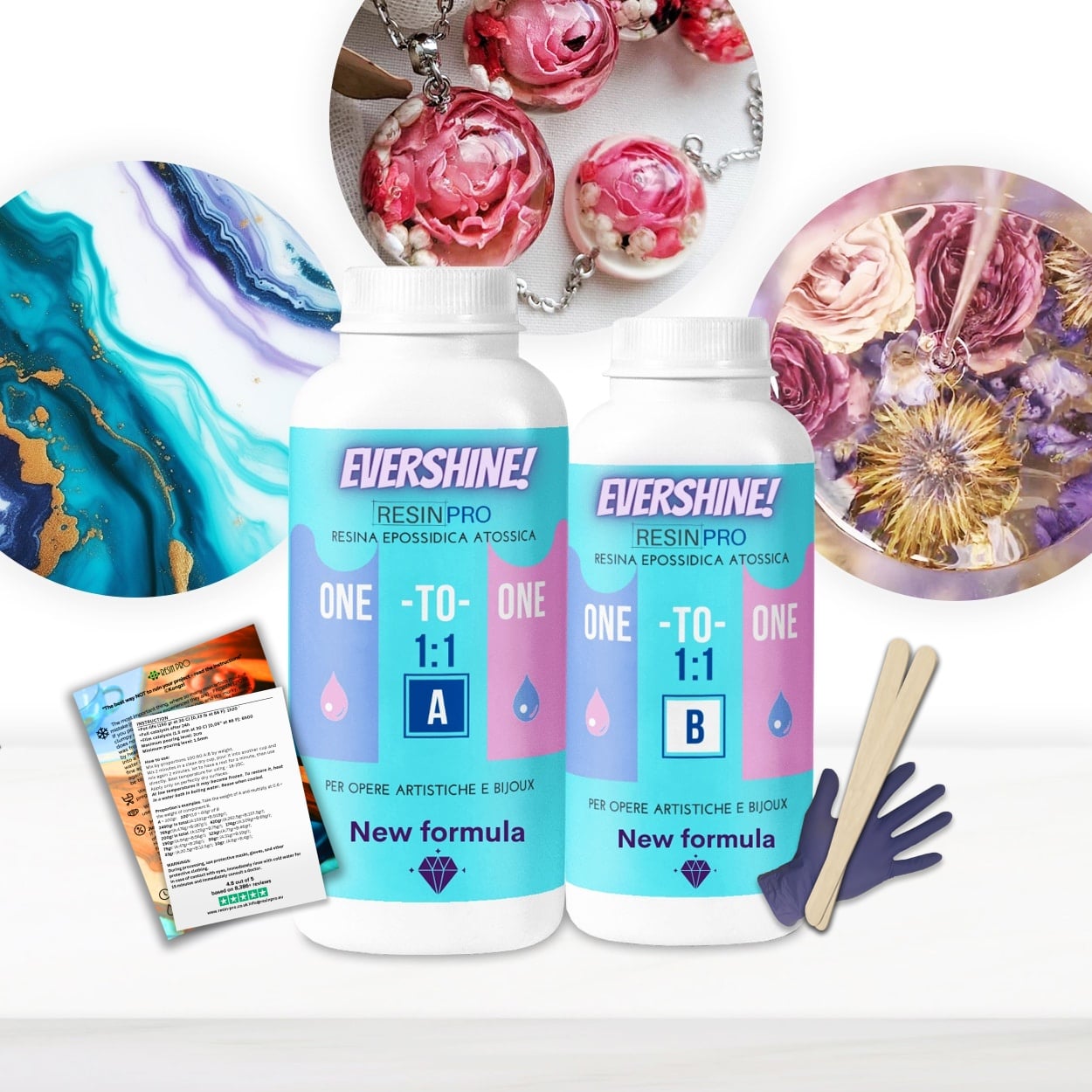 "One-2-One" – Epoxy Resin for Handcraft, 1:1 Mixing RatioPrice range: £14.85 through £56.85ONE-2-ONE epoxy resin is a clear, medium viscosity product designed for handcraft projects with a straightforward 1:1 mixing ratio.
Frequently Asked Questions
What are the suitable UV lamps for curing this resin?
Suitable UV lamps range from 3W to 36W and should emit light between 365 and 405 nm for optimal catalysis.
Which epoxy resin offers the fastest demoulding time?
The ICreation fast epoxy resin provides demoulding in approximately 6 hours, fully curing in 12 hours total.
What are the main differences between Art Pro and One-2-One resins?
Art Pro is more viscous and mixed by weight, resulting in a harder cure. One-2-One is mixed 1:1 by volume for a glossier finish.
Which resin is recommended for different project sizes and thicknesses?
For pours above 5cm, use Epoxytable 10-Ten. For 2–5cm thickness, choose Epoxytable Five. For thin layers, select Art Pro.
Are the resins mixed by weight or volume?
Most resins are mixed by weight, but the One-2-One resin simplifies the process with a 1:1 ratio by volume.