 Free shipping on orders over £29,85
  Shipping Tracking!


 Google
 Facebook
How to compact resin?
Achieving a flawless, durable resin surface requires more than simply pouring and waiting. Proper compaction is the secret to seamless, stable finishes—essential for driveways, patios, decorative panels, and resin art. This guide walks you through the entire process of compacting resin, from mixing to curing, to help you create long-lasting, attractive results whether you’re revamping outdoor flooring or working on creative projects.
Step-by-step guide to compacting and stabilising resin layers

What You’ll Need
- “Flowstone” – Complete Permeable Floor Kit with Pebbles and Resin – for creating water-draining surfaces.
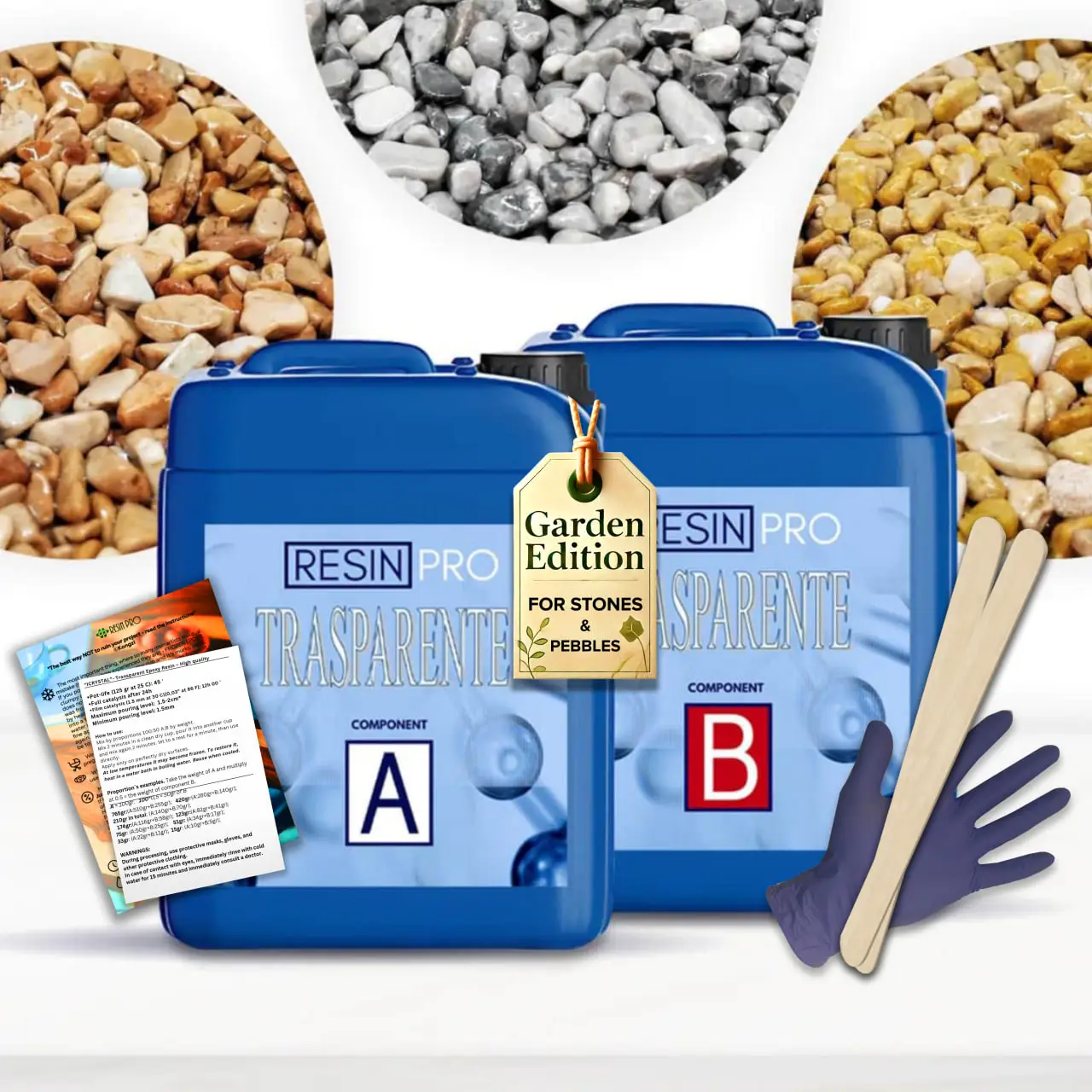
- “Trasparente” – Epoxy Binder for Coloured Pebbles and Grits – when using coloured or dark aggregates.
- Anti Bubble Mixer for Epoxy Resin – Reusable Mixing Tool – ensures smooth, bubble-free blending.
- Mixing Buckets Kit for Epoxy Resin Art – Easy Clean Flexible Design – ideal for precise mixing and easy clean-up.
- Protective gloves, straight edge trowel, hand tamper or roller, and suitable masking materials.
See Compact Resin Mixing and Spreading in Action
Watch how proper mixing and compaction of resin and aggregates produces long-lasting, seamless surfaces. Explore real project examples from patios and creative resin floors. For additional application videos and inspiration, visit our Pebble Floors gallery.
Step 1: Thoroughly mix aggregates and binder
The foundation of compact resin surfaces starts with precise, patient mixing. Place your selected aggregates and resin binder together in a clean, flexible container such as the Mixing Buckets Kit for Epoxy Resin Art – Easy Clean Flexible Design. For the best blending, stir the components slowly and thoroughly using an Anti Bubble Mixer for Epoxy Resin – Reusable Mixing Tool. Take your time to ensure every particle is fully coated—this prevents weak spots and guarantees uniformity across the applied area.
Avoid vigorous mixing to reduce air bubbles, which can interfere with compaction and final strength. Check the bottom and sides of the container to make sure no dry patches remain.
Step 2: Evenly spread the resin mixture
Pour the thoroughly mixed resin and aggregate blend onto your prepared substrate. Use a straight edge trowel to spread the mixture to the required thickness, working methodically in small areas. Pay special attention to edges and corners to avoid gaps.
Level out the surface but do not compact at this stage—overworking before compaction can cause separation or disturb the aggregate distribution.
Step 3: Compact the surface for stability
Once the mix is evenly distributed, compact it using a hand tamper, roller, or float, depending on the project scale. Apply light, even pressure to embed the resin deep into the aggregate layer, removing any air pockets and ensuring a dense, interlocked finish.
Compact in multiple passes for larger areas, working in diagonal paths to avoid patterns or weak points. For outdoor applications, timely compaction within the resin’s workable period is crucial for optimal bonding and drainage.

Step 4: Allow full and undisturbed curing
With the surface compacted, let the resin cure completely. Protect the area from rain, debris, and disturbance during this period—typically 24 hours for walkability, and up to 72 hours for vehicles depending on resin type and layer thickness.
Follow the specific guidance for your chosen binder to ensure stability, colour retention, and permeability, especially for exposed outdoor floors.
Tips for Success and Common Mistakes
- Do not rush the mixing process—incomplete blending leads to weak, patchy surfaces.
- Avoid over-trowelling the surface before compaction, which causes poor aggregate uniformity.
- Always monitor working temperature, humidity, and weather conditions to prevent curing and adhesion issues.
- Clean your tools immediately after use to maintain best results for future projects.
- When in doubt—test a small patch before full application, especially with new aggregates or resin systems.
Visual Guide: Compacting Resin for Outdoor and Indoor Projects
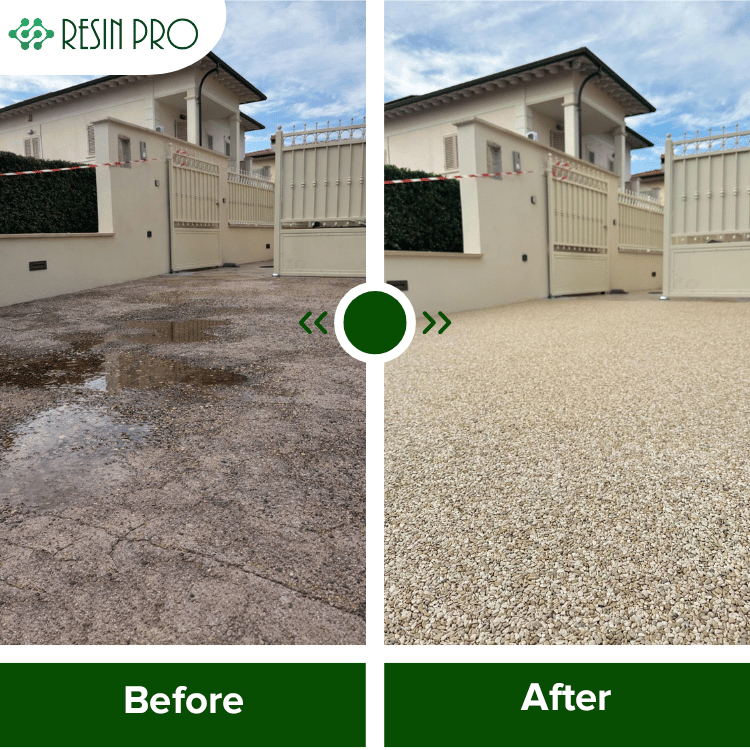
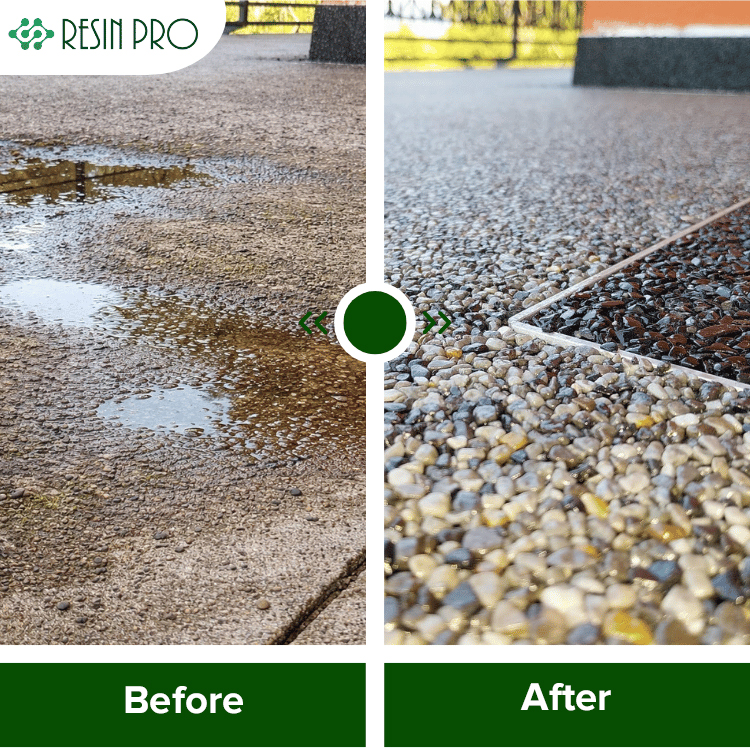
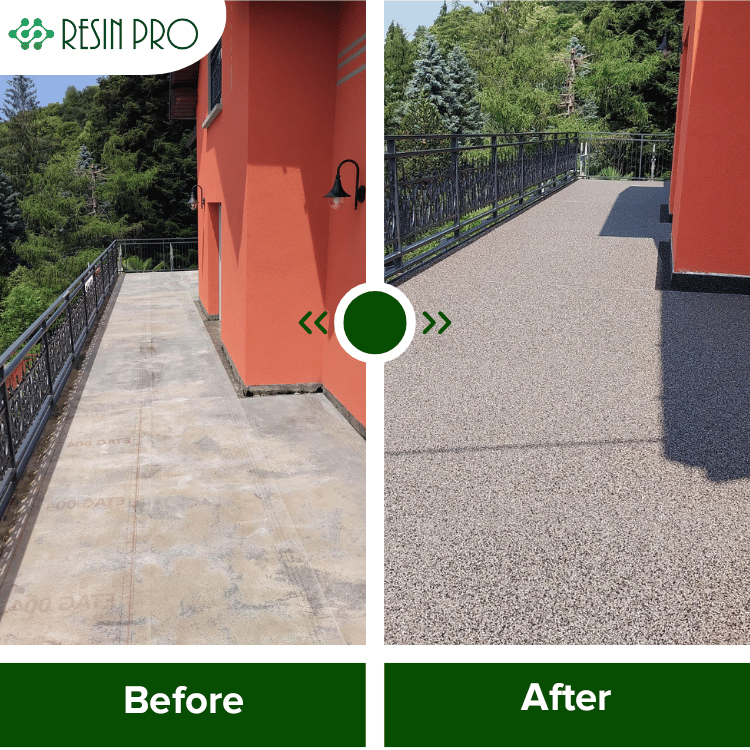
Compare compacted versus non-compacted resin surfaces to spot the difference. Notice the improved gloss, uniformity, and structural integrity made possible by effective compaction. Discover more tips in our Dosage Measuring Mixing Tools section.
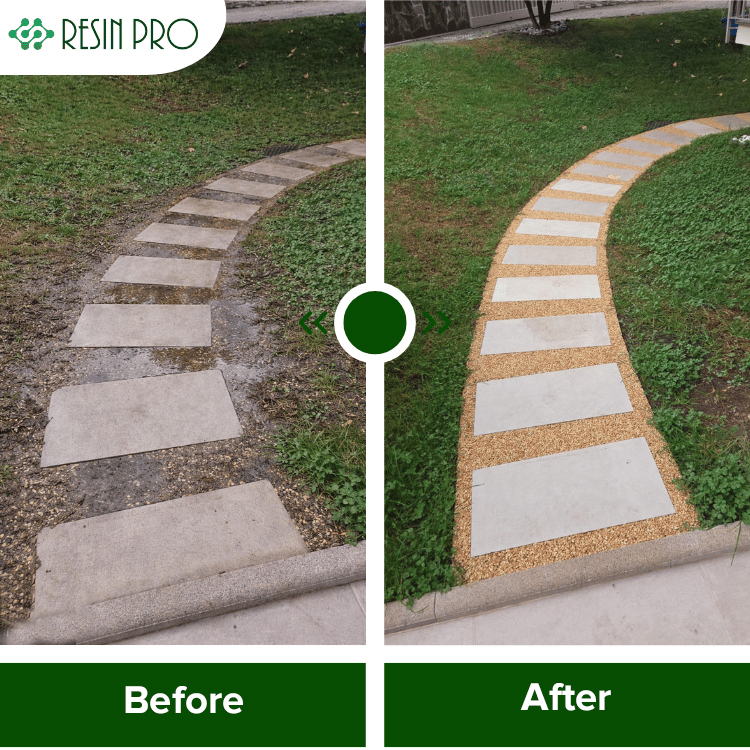
- "Flowstone" – Complete Permeable Floor Kit with Pebbles and ResinPrice range: £42.85 through £3,389.85"Flowstone" offers a durable and permeable draining floor system with pebbles and resin, suited for renewing outdoor surfaces in the UK.
- "Trasparente" – Epoxy Binder for Coloured Pebbles and GritsPrice range: £31.85 through £948.85"Trasparente" is a transparent epoxy binder designed for coloured pebbles and grits, providing a clear, bubble-free finish suitable for various…
 Anti Bubble Mixer for Epoxy Resin – Reusable Mixing Tool£4.45The Anti Bubble Mixer is a reusable tool designed for epoxy resin projects to help achieve a bubble-free finish with straightforward mixing.
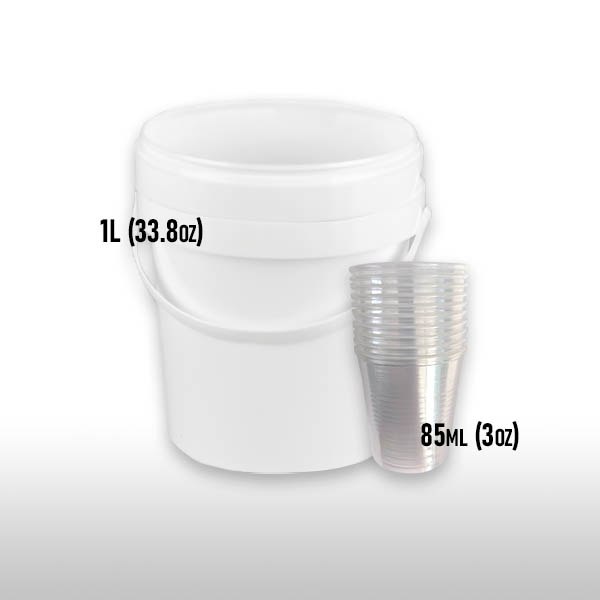 Mixing Buckets Kit for Epoxy Resin Art – Easy Clean Flexible DesignPrice range: £1.95 through £8.35Mixing Buckets Kit is designed for resin art with an easy-clean, flexible design suited to compact resin use.
Frequently Asked Questions
What tools are best for compacting resin mixtures?
Use a hand tamper or roller for floors, and a flat float or pressing tool for smaller panels or art. Always select non-stick tools for easy cleaning.
How long should resin cure after compaction?
Curing times vary, but most surfaces require at least 24 hours before foot traffic and up to 72 hours for heavier loads.
What are common mistakes in compacting resin?
Rushing the mixing, over-trowelling before compaction, and poor weather control are frequent errors. Careful technique is key.
Can I walk on compacted resin soon after application?
It’s best to wait for the surface to cure fully—usually 24 hours—before walking on it to avoid marks or deformation.
Why is compaction important in resin floors?
Compaction bonds the resin and aggregates, reduces voids, and delivers a smooth, durable surface less prone to cracking or damage.
Can I compact resin in humid or cold weather?
It is not recommended, as temperature and humidity influence curing, bonding, and the finished result. Always follow resin specifications.
How do I avoid bubbles when compacting resin?
Gently mix with dedicated tools and compact evenly. Avoid fast or aggressive stirring that introduces air.