 Free shipping on orders over £29,85
  Shipping Tracking!


 Google
 Facebook
How to apply marine epoxy resin?
Achieve long-lasting waterproof protection on boats and marine woodwork


Applying marine epoxy resin is an essential technique for anyone seeking to protect, seal, or restore surfaces that endure harsh water environments. Whether you are maintaining a boat hull, reinforcing woodwork, or working with fibreglass, this guide walks you through each step to achieve a professional, resilient result that stands up to marine challenges.
What You’ll Need
- “EpoxyWood” – Wood Restoration Epoxy Resin for Deep Penetration and Waterproofing — for deep wood waterproofing and structural reinforcement
- “Carbon Resin” – Epoxy Resin for Carbon Fiber & Fiberglass Coating — for coating glass fibre, carbon fibre, or reinforcing composites
- “Trasparente” – Multipurpose Clear Epoxy Resin for Casting – Up to 2cm — for self-levelling, clear finishing on small marine parts or repairs
- Protective gloves and safety goggles
- Mixing containers and sticks
- Applicator brushes or rollers
- Sanded, clean substrate (wood, composite, or fibreglass)

Getting Started with Marine Epoxy Resin
Working with marine epoxy resin begins by understanding the unique requirements of water-resistant protection for boats and outdoor woodwork. Whether you are undertaking repairs, restoration, or new construction, correct surface preparation and careful mixing are the foundation of long-term results. Always read safety and technical information before starting to ensure both optimal results and personal safety.
Step 1: Prepare the Surface
Begin by ensuring that the surface you’re treating is completely dry, free from dust, grease, and old coatings. For wood, sand it to a smooth finish, addressing any damaged or weak areas. Make sure to remove any previous lacquer or paint as epoxy resin requires direct contact with the substrate for effective bonding. Mask off adjacent areas if needed to avoid unwanted resin contact. Take particular care to ensure that hidden moisture is not present in wood, as trapped water can undermine the curing and long-term performance of marine epoxy resin.

Step 2: Mix the Epoxy Resin Correctly
Carefully measure and mix the resin and hardener according to the instructions supplied by your chosen product. Stir slowly but thoroughly, scraping the sides and base of your mixing container to ensure a complete blend. Inadequate mixing is a common pitfall and can result in soft spots or incomplete curing. Always mix amounts you can apply within the working time specified on your resin packaging to avoid waste and premature gelling. Ensure complete mixing of resin and hardener to avoid uncured patches.
Step 3: Apply the First Coat
Use a clean brush or roller to apply an even layer of epoxy resin over the prepared surface. For wood restoration and waterproofing (for example, on boat hulls or marine timber), select “EpoxyWood” for its ultra-low viscosity, enabling deep penetration and complete waterproofing of the wood grain. Apply along the grain, working the resin into any crevices or end-grain sections. Smooth out any drips or pooling as you go. Ventilate your workspace and wear appropriate personal protective equipment.
Step 4: Build Up Strength with Additional Layers
Allow the base layer to cure as specified by your resin manufacturer, typically until it is tack-free but not fully hardened. If reinforcing with fibreglass or carbon fibre, lay the fabric smoothly over the first layer and use “Carbon Resin” for optimal wetting and bonding. Apply further resin layers, ensuring even coverage and eliminating any trapped air bubbles with a roller or spreader. For clear decorative top coats or small surface repairs, “Trasparente” can deliver a glossy, UV-resistant finish ideal for exposed marine fittings.

Step 5: Final Curing and Finishing
Once the final coat has been applied, let the epoxy cure fully, avoiding any disturbance or moisture contact. Curing time may vary based on ambient temperature and product, commonly taking 24 to 72 hours for full strength. After hardening, sand lightly if you desire a satin finish or to prepare for paint or varnish. Rinse surfaces if necessary to remove amine blush, then enjoy the long-lasting, robust protection of your freshly applied marine epoxy resin.
Tips and Common Mistakes to Avoid
Smooth, even application is crucial for maximum durability. Do not apply resin to damp or oily surfaces. Avoid mixing too much resin at once or applying layers that exceed manufacturer-specified thicknesses, which can cause overheating or incomplete curing. Always use clean tools and mix only what you can comfortably apply in the open time. If embedding fibres, ensure the fabric is properly saturated but not flooded. Avoid pouring layers that exceed the recommended maximum thickness to prevent bubble formation and poor adhesion.
Achieving Professional Results Every Time
Attention to humidity, surface condition, and mixing accuracy determines the quality of your finished project. Take your time with each stage, and never compromise on cleanliness or the working environment. This ensures strong adhesion, clarity, and durability that are vital for marine and outdoor applications.

- "Carbon Resin" – Epoxy Resin for Carbon Fiber & Fiberglass CoatingPrice range: £18.85 through £35.85Epoxy resin for carbon fibre and fibreglass offering precise impregnation and durable results, suitable for marine epoxy resin applications.
- "Trasparente" – Multipurpose Clear Epoxy Resin for Casting – Up to 2cmPrice range: £8.45 through £948.85"Trasparente" is a clear casting resin suitable for detailed craft and woodworking projects with a self-levelling finish up to 2cm thick.
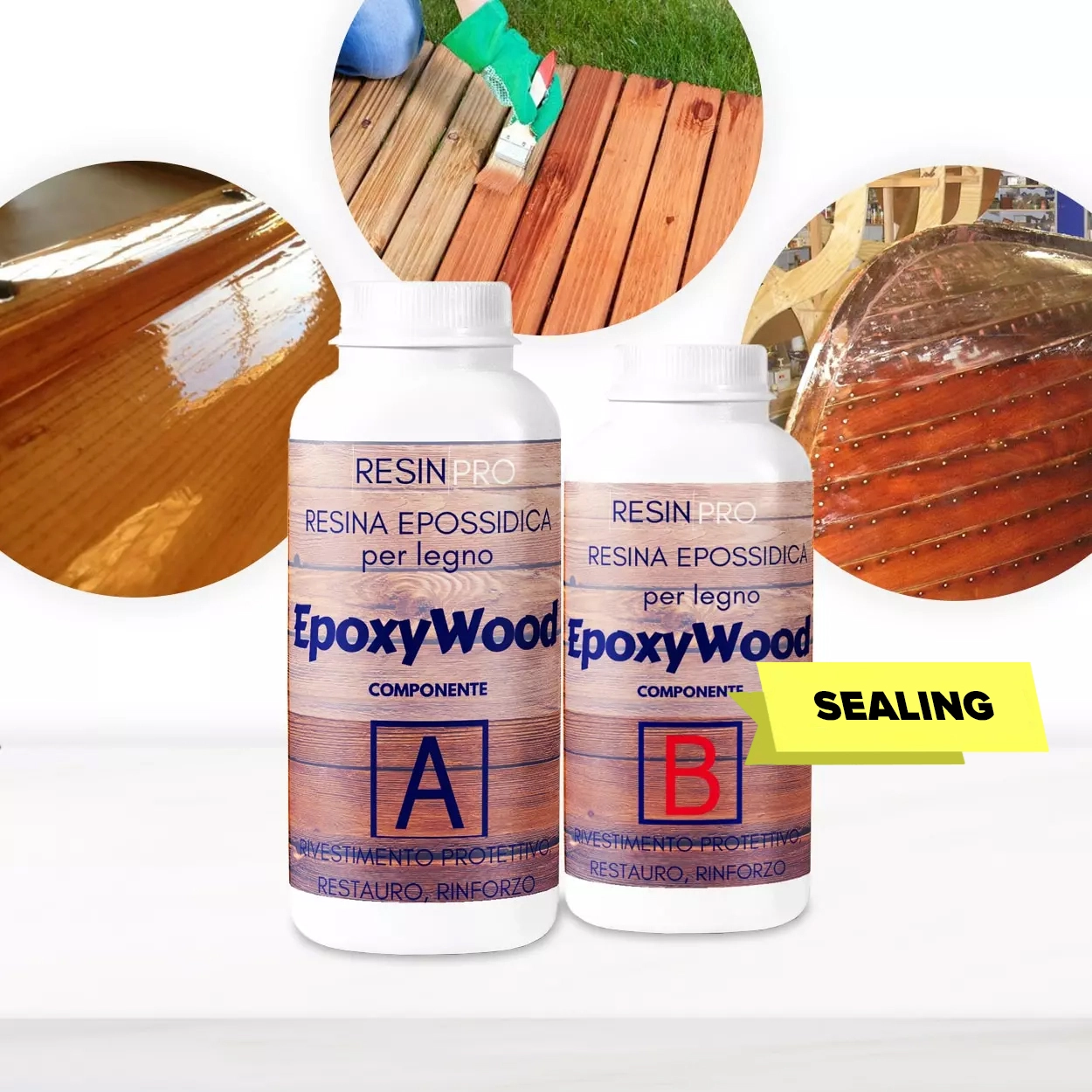 "EpoxyWood" – Wood Restoration Epoxy Resin for Deep Penetration and WaterproofingOriginal price was: £64.00.£39.85Current price is: £39.85."EpoxyWood" is designed for wood restoration with deep penetration and waterproofing, suitable for marine epoxy resin applications.
Frequently Asked Questions
Can you use epoxy resin on boat hulls?
Yes, marine epoxy resin is commonly used to waterproof, reinforce, and restore wooden and fibreglass boat hulls.
How many layers of epoxy do I need for marine projects?
Typically, two to three coats are recommended for lasting protection, but always follow the specific resin instructions.
Does marine epoxy resin resist UV exposure?
Many marine epoxies include UV protection, but applying a dedicated UV-resistant varnish can further enhance durability outdoors.
Can I apply marine epoxy resin over old paint or varnish?
No, surfaces should be stripped of old coatings for the new epoxy to properly bond and last.
How do you know if marine epoxy resin is fully cured?
Fully cured epoxy will be hard, non-tacky, and sandable. Refer to the curing times provided on your specific resin product.
What happens if you mix marine epoxy resin incorrectly?
Improper mixing can cause areas that remain sticky or soft, leading to reduced protection and poor durability.
Is marine epoxy resin suitable for fixing and reinforcing timber?
Absolutely, marine epoxy resin is ideal for repairing, sealing, and strengthening wooden structures exposed to moisture.