 Free shipping on orders over £29,85
  Shipping Tracking!


 Google
 Facebook
How do you make resin concrete?
Step-by-step guide to creating long-lasting resin concrete

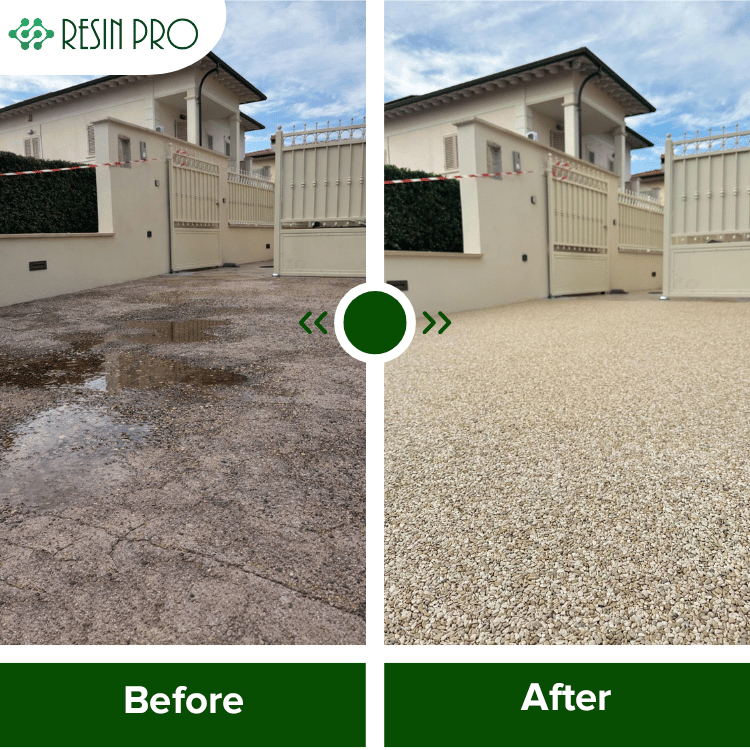
Creating a robust and decorative resin concrete surface adds durability and aesthetic value to driveways, paths, patios, and high-traffic outdoor areas. This guide will walk you through the essential steps to achieve a smooth, long-lasting finish, whether you’re beautifying a home driveway or upgrading commercial outdoor flooring. Follow this comprehensive process to ensure professional results and avoid common pitfalls.
What You’ll Need
- “Flowstone” – Complete Permeable Floor Kit with Pebbles and Resin: Complete kit for constructing decorative, permeable pebble floors suitable for outdoor areas in the UK.
- “Trasparente” – Epoxy Binder for Coloured Pebbles and Grits: Transparent epoxy binder designed for coloured and dark aggregates in permeable pebble flooring.
- “Epoxyprimer” – Universal Water-Based Two-Component Epoxy Floor Primer: Water-based epoxy floor primer to improve adhesion on concrete, tile, screed, and timber substrates.
- “Resinstone” – One-Component Methacrylic Resin for Concrete Floors and Driveways: Methacrylic resin ideal for sealing and protecting cured concrete surfaces.
- Clean sand, gravel, or decorative pebbles according to your project’s finish
- Mixing tools: large container or forced-action mixer
- Trowel, float, roller, brush, and protective gloves
- Masking tape or edge forms (for boundaries)
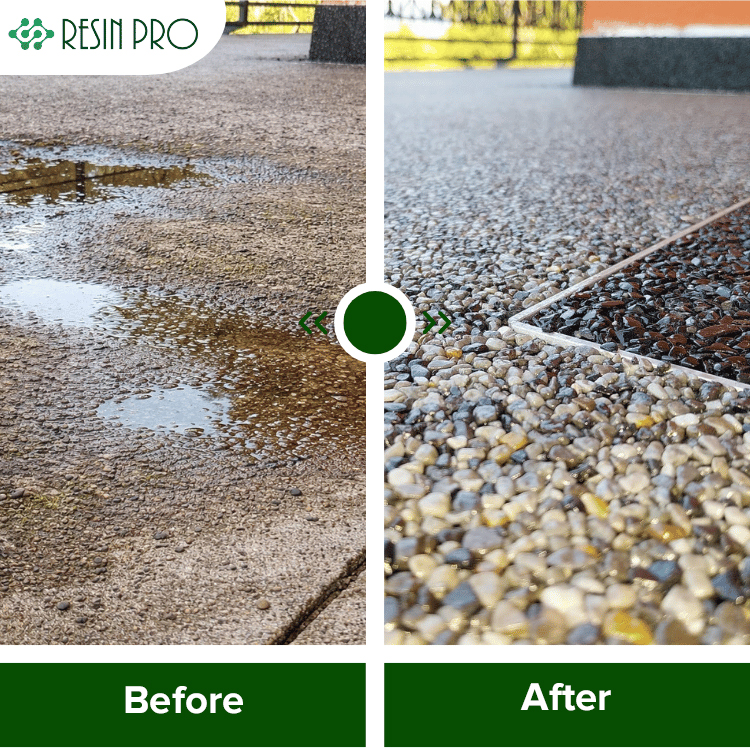
See the Difference: Resin Concrete in Modern Landscaping
Resin concrete systems transform outdoor areas by combining strength with unique decorative effects. Pebble and resin blends create a permeable finish that remains attractive and functional for years. Explore real-life project results and visual inspiration for your own driveway or path.
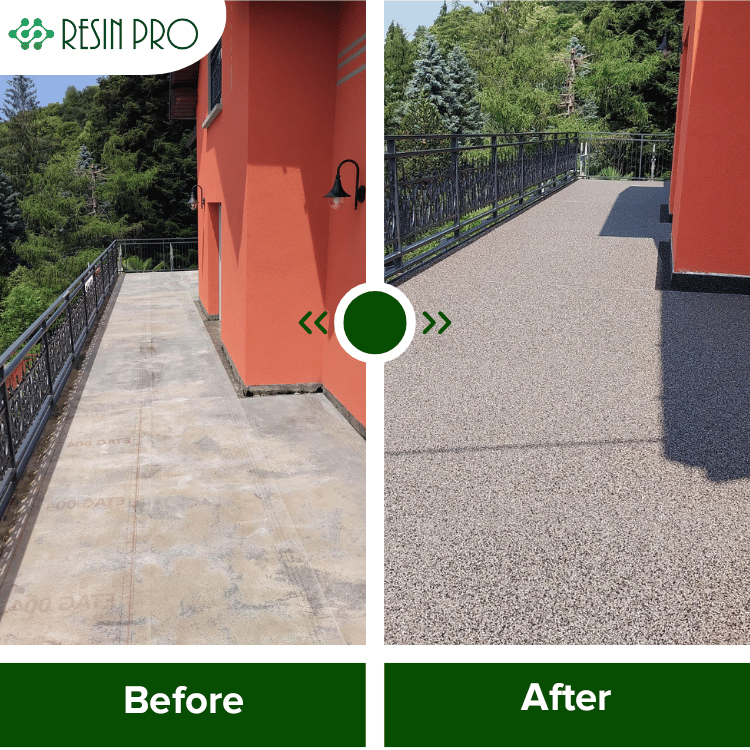
Step 1: Prepare the Surface
Ensure the substrate is clean, dry, and stable before applying any resin. Remove any loose material, dust, oil, or contaminants. If you are working over a concrete sub-base, repair cracks and allow for complete drying. Proper preparation enhances adhesion, prevents delamination, and extends the life of the finished surface.
For concrete, tiles, screeds, or timber, use a primer such as “Epoxyprimer” – Universal Water-Based Two-Component Epoxy Floor Primer to maximise the bond between your substrate and the resin system. Apply the primer evenly and allow it to cure fully according to product instructions before moving on.
Step 2: Mix the Resin and Aggregates
Carefully measure the resin and hardener, following the ratios specified by the manufacturer. Add the resin to your chosen aggregates (gravel, coloured pebbles, or decorative grit) in a clean container or mixer.
Mix the resin and aggregates thoroughly for even coverage. This step is crucial to achieving consistent bonding, maximum strength, and a uniform appearance across your resin concrete surface. Scrape the sides and base of the container as you blend for several minutes. For coloured or dark stone surfaces, a clear binder like “Trasparente” – Epoxy Binder for Coloured Pebbles and Grits ensures high transparency and UV resistance.
Work quickly, as resin systems typically have limited open time before they start to set.
Step 3: Lay and Finish the Surface
Pour or spread the mixed resin and aggregate compound onto the primed substrate. Distribute evenly using a trowel or float, targeting your desired thickness and finish. Edges can be defined using masking tape or forms.
Work in manageable sections to ensure an even, controlled finish. Smooth the surface with a float, taking care to avoid excessive pressure which may cause resin pooling at the surface. Check for voids and fill as required for a seamless result. If you are using a dedicated kit such as “Flowstone” – Complete Permeable Floor Kit with Pebbles and Resin, follow the supplied step-by-step guidance for optimal permeability and consistency.

Step 4: Allow to Cure and Protect
After laying, allow the resin concrete to cure undisturbed. Allow for proper curing based on the manufacturer’s recommended time—typically 24–48 hours before light foot traffic and several days before commercial or vehicle loading. Avoid exposure to rain or contaminants during this period.
For added surface protection or to seal an existing concrete area, apply “Resinstone” – One-Component Methacrylic Resin for Concrete Floors and Driveways to increase water resistance and durability. This not only prolongs lifespan but also minimises maintenance needs for outdoor applications.

Tips, Common Mistakes, and Troubleshooting
- Always check the weather. Avoid application in very humid, cold, or hot conditions which can affect curing and finish.
- Never mix more resin than you can apply within its working time to prevent waste and uneven results.
- Ensure aggregates are dry and dust-free before mixing with resin to optimise bonding and clarity.
- Be patient—rushing through curing stages can compromise integrity and durability of the surface.
- If patching or repairs are needed, ensure the site is sanded and pre-primed for best adhesion.
Common Surfaces and Project Ideas
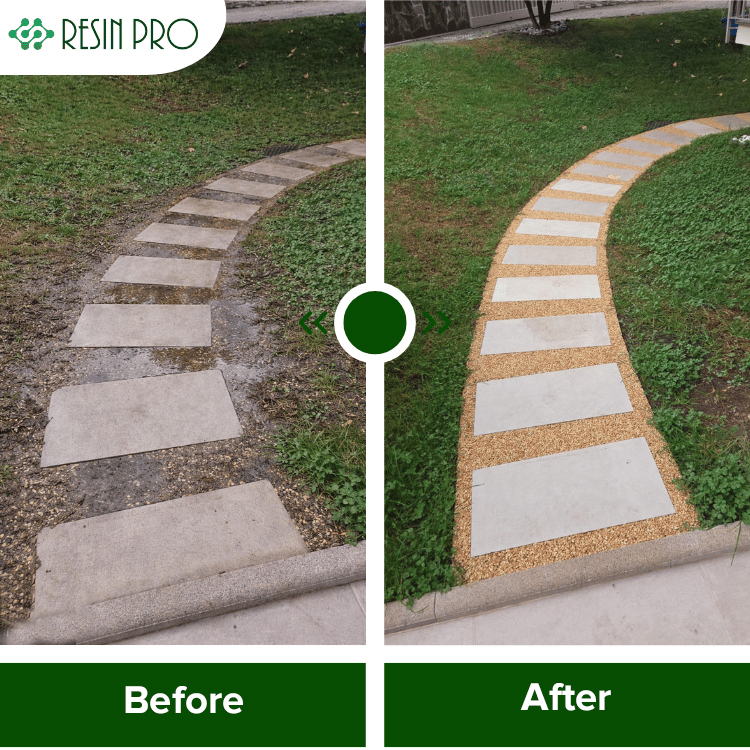
Create beautiful, maintenance-friendly spaces with resin concrete floors. Ideal for driveways, garden paths, patios, and terraces, permeable resin-bound surfaces adapt to various outdoor designs. Consider mixing different stone colours and granule sizes for bespoke results that complement your property.
- "Flowstone" – Complete Permeable Floor Kit with Pebbles and ResinPrice range: £42.85 through £3,389.85Flowstone kit provides a durable, permeable pebble and resin system for outdoor surfaces, suitable for UK climate and easy to apply.
- "Trasparente" – Epoxy Binder for Coloured Pebbles and GritsPrice range: £31.85 through £948.85"Trasparente" epoxy binder provides a clear, UV-stable finish for coloured pebbles and grits, suitable for surfacing driveways and paths.
 "Epoxyprimer" – Universal Water-Based Two-Component Epoxy Floor PrimerPrice range: £148.84 through £272.45Epoxyprimer is a water-based two-component floor primer, suitable for use with concrete, tiles, wood, and screeds.
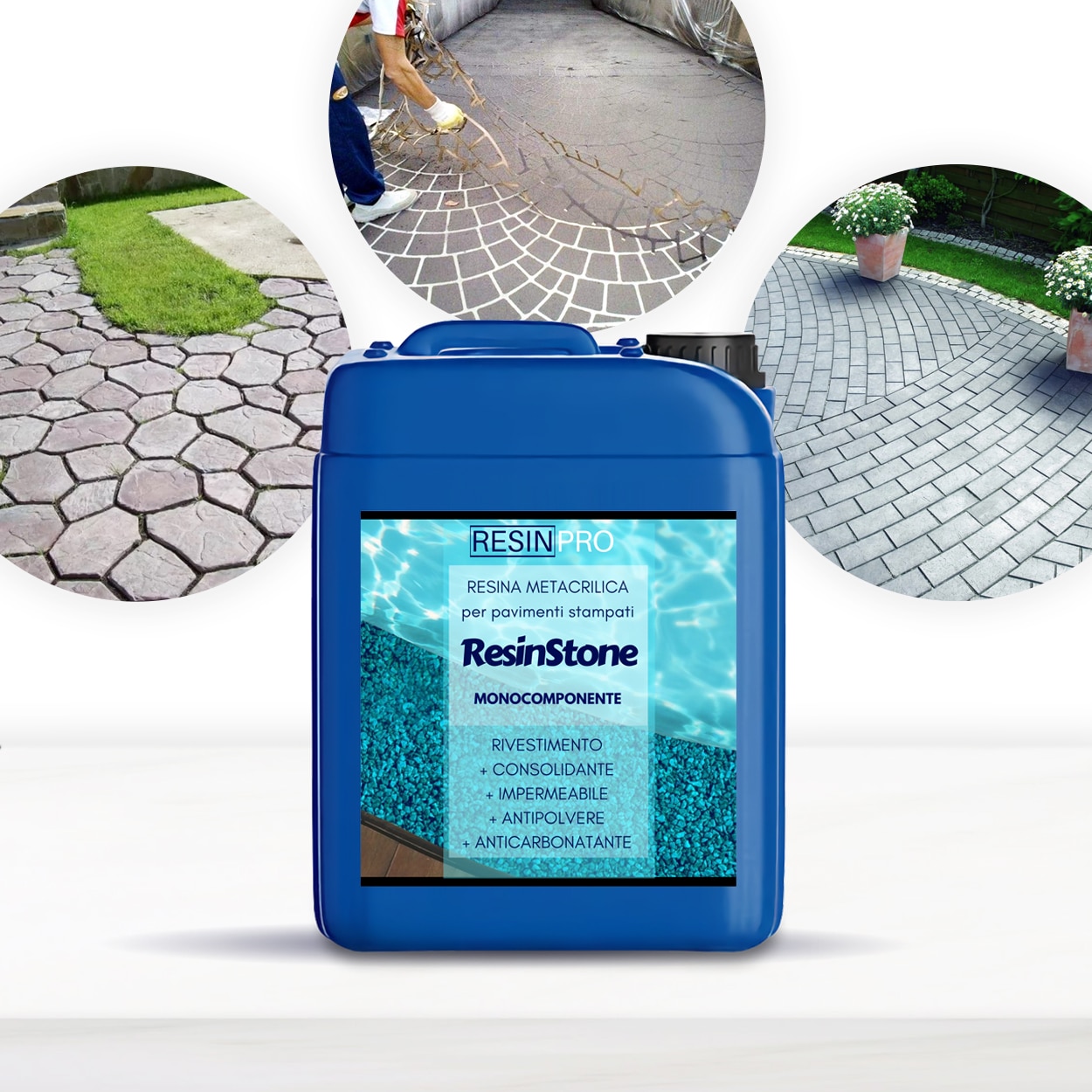 "Resinstone" – One-Component Methacrylic Resin for Concrete Floors and DrivewaysPrice range: £29.85 through £59.85"Resinstone" is a one-component methacrylic resin designed for sealing concrete floors with durable protection and breathability.
Frequently Asked Questions
How long does resin concrete take to cure fully?
Initial curing generally takes 24–48 hours. Wait several days for full strength before heavy use or vehicle traffic.
What surfaces can resin concrete be applied on?
Most stable substrates including concrete, screed, tiles, and timber (after priming) are suitable for resin-bound systems.
Can I install resin concrete myself?
Yes, with careful preparation and by following each step, DIY installation is possible using user-friendly kits and clear instructions.
Is a primer necessary before applying resin?
Priming is strongly recommended—especially on concrete, timber, or screeded bases—to ensure optimal adhesion and long-term durability.
How do I maintain resin concrete surfaces?
Sweep regularly and wash with water as needed. Occasional resealing with the correct resin keeps the surface protected and looking fresh.
Can resin be used to seal existing concrete?
Yes, products like methacrylic resin can seal and protect concrete, improving water resistance, stain resistance, and durability.
What do I do if the surface becomes damaged?
Clean the area, sand lightly if necessary, and apply the resin and aggregate mix to repair minor damage or cracks.