 Free shipping on orders over £29,85
  Shipping Tracking!


 Google
 Facebook
How to make wooden resin tables?
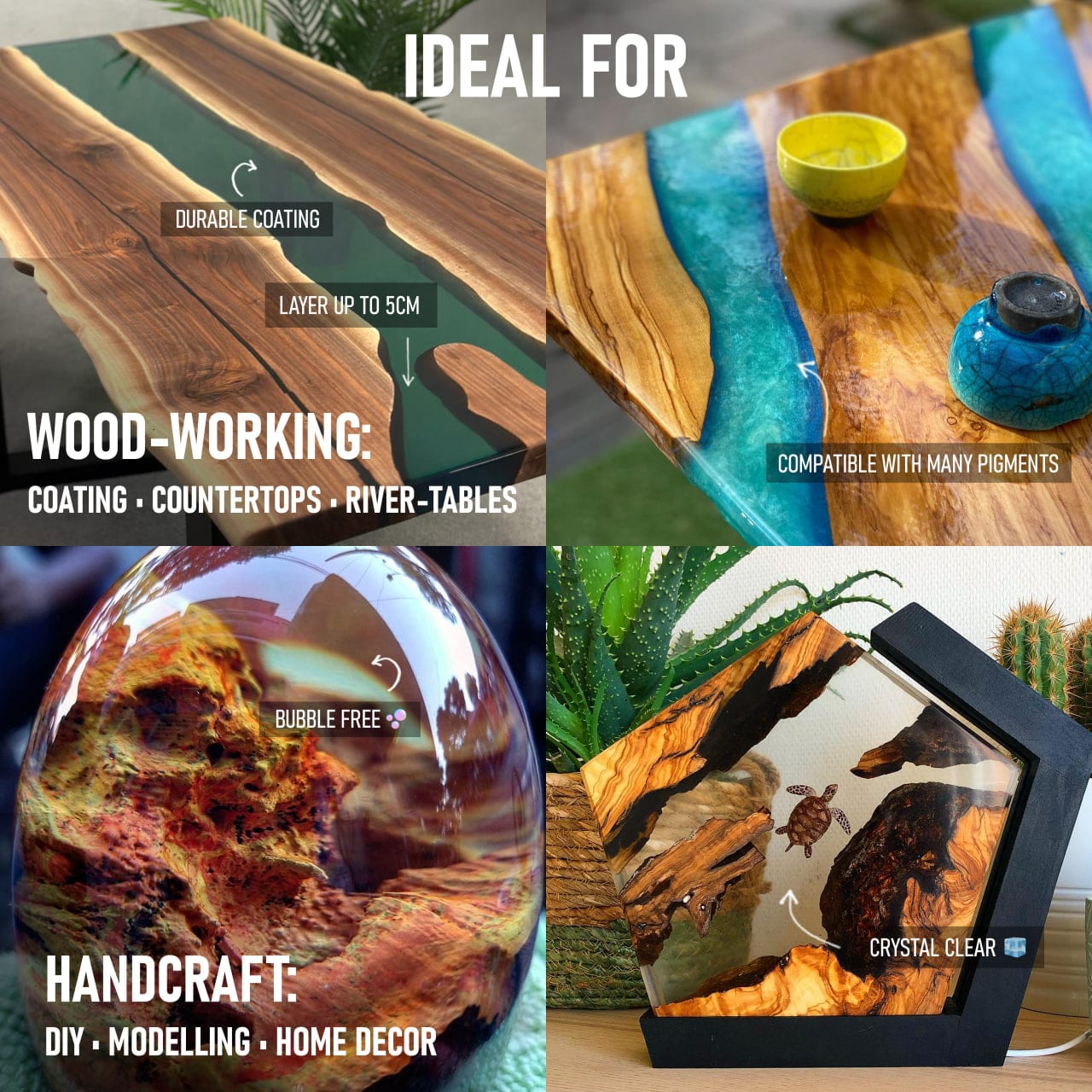
Creating a stunning wooden resin table blends traditional woodwork with creative resin artistry. Whether your aim is a river table, geode-inspired centrepiece, or a simple wood and resin blend, this guide walks you through every essential step—from preparation to final finish. Designed for makers at any experience level, you’ll discover how to achieve flawless results and lasting durability.
Step-by-step guide for beginners and enthusiasts in resin tabletop creation
What You’ll Need
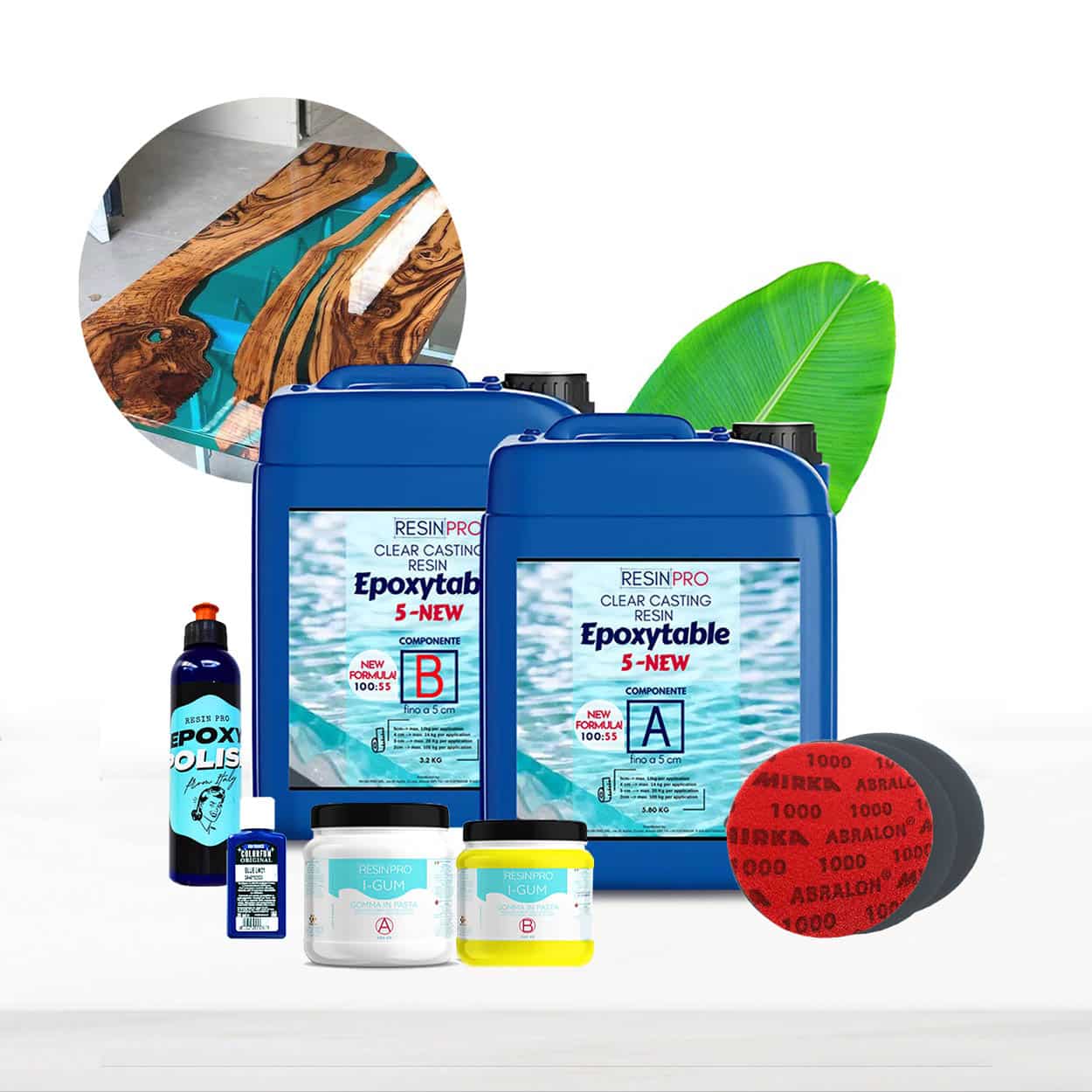
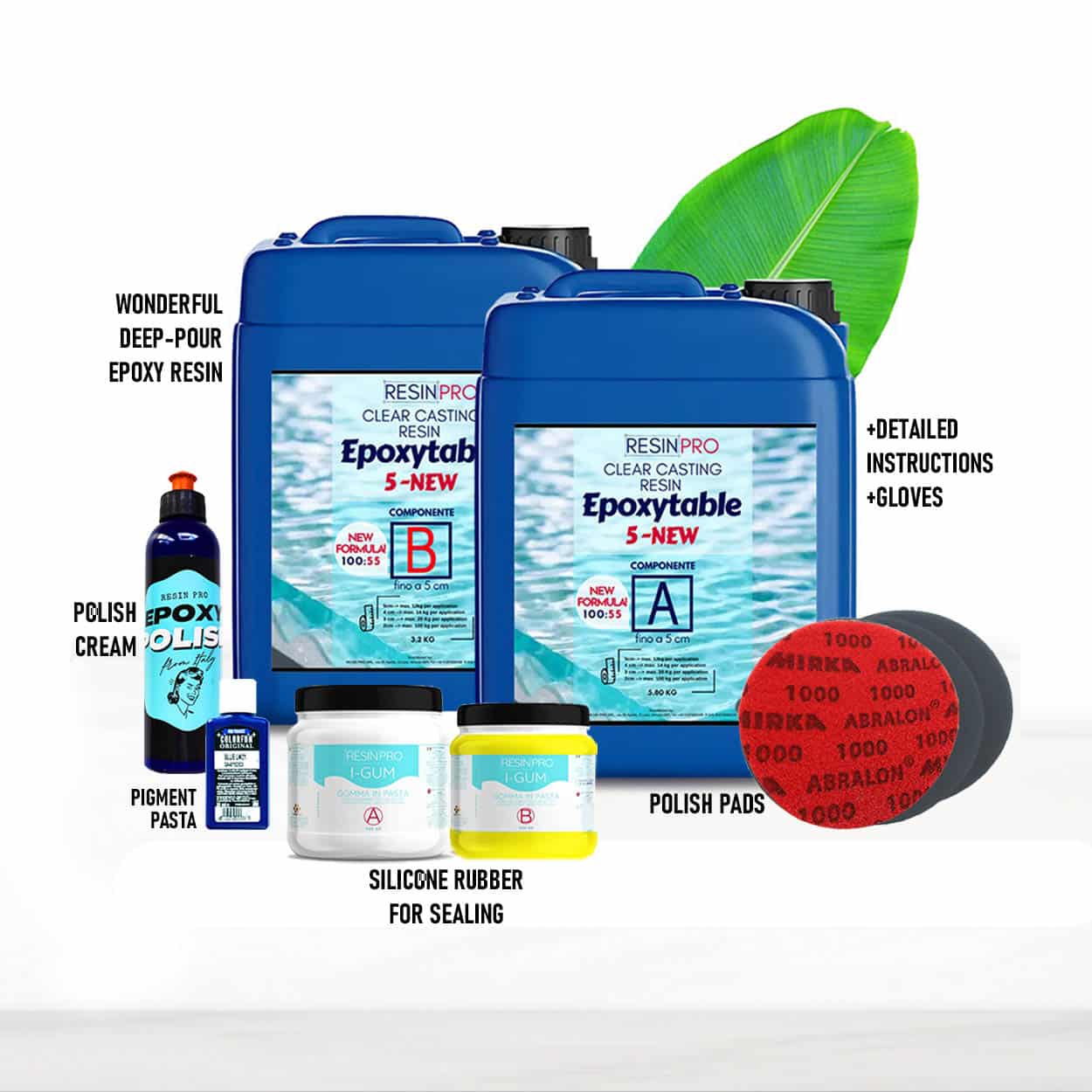
- “River-Table” – Complete Kit for Creating Your First Epoxy Resin Table – For beginners needing all-in-one materials and instructions
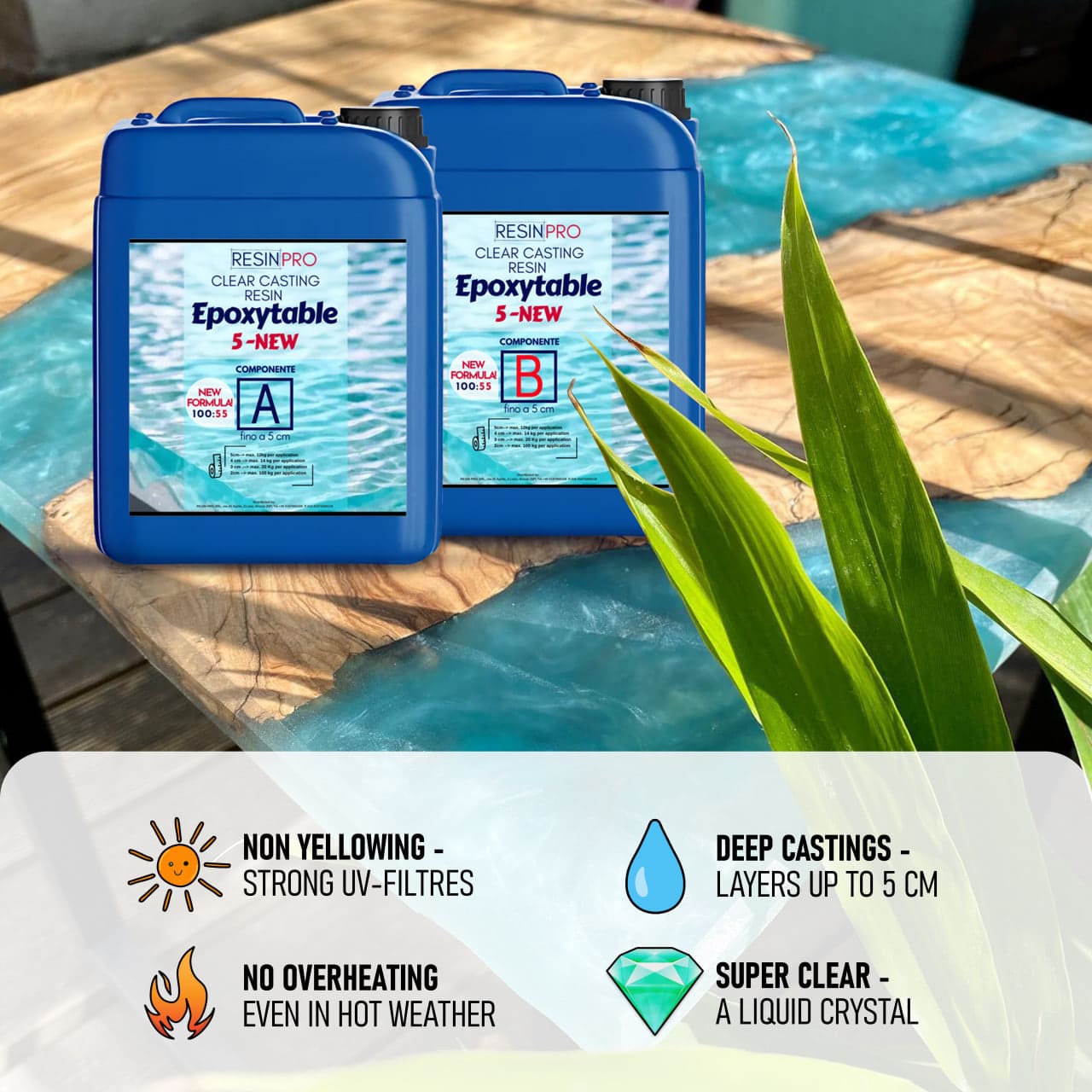
- “EpoxyTable 5-Five” – Deep Pour Epoxy Resin for Tables and Large Projects – Up to 5cm – For medium-depth projects requiring mechanical durability
- “Epoxytable 10-Ten” – Deep Pour Epoxy Resin for Tables, Up to 10cm Casting – For ultra-deep resin castings up to 10cm
- “Geode O” – Large Wooden Board Table Base for Epoxy Resin Projects – 90x60cm or 120x80cm – A stable base for your tabletop creation
- Mixing containers, stirring sticks, masking tape, level, sander, personal protective equipment (gloves, mask)
- Pigments and dyes (optional, for coloured resin)
- Finishing oils or clear topcoat

See Inspiring Resin Table Projects
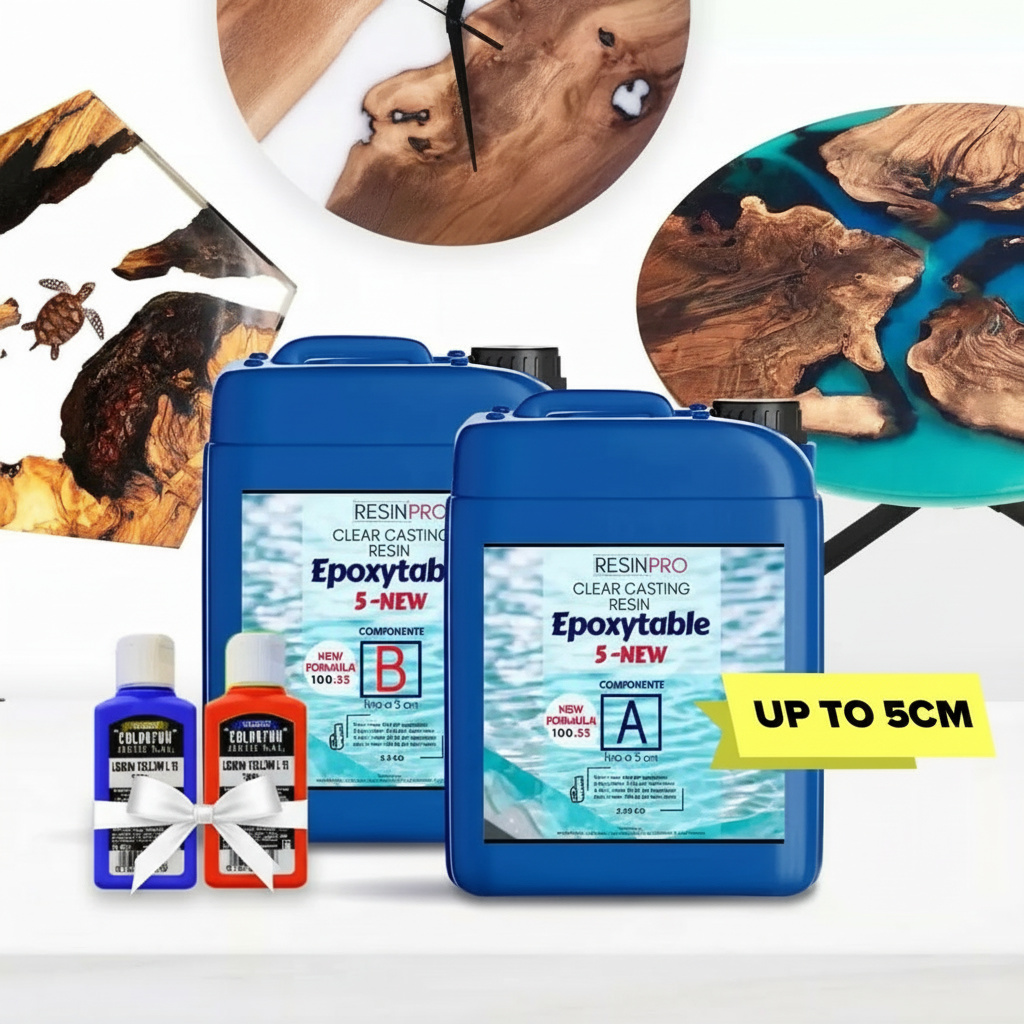
Browse a gallery of remarkable wooden resin tables crafted with ResinPro products. Each project demonstrates how creative design and professional materials come together for stunning, one-of-a-kind furniture. Let these examples inspire your next project!
Step 1: Prepare Your Workspace and Materials
Begin by setting up a clean, dust-free workspace with a flat, level surface. Make sure your environment is well-ventilated and clear of humidity, as moisture can negatively affect the outcome of resin. Gather all your materials and safety gear before starting. Always wear protective gloves and ensure ample ventilation to avoid skin contact and fumes.
Next, select and measure your wooden base. The “Geode O” – Large Wooden Board Table Base is especially useful as it’s purpose-built for resin projects, offering stability and durability during pouring and curing.
Plan your design and choose your materials before starting—whether you want a clear river, vibrant pigments, or embedded objects, deciding now helps streamline later steps.
Step 2: Seal and Prepare Wood and Mould
Seal the wooden surfaces thoroughly using a thin layer of epoxy resin, applied with a brush. This prevents air bubbles from escaping the wood during the main pour. Allow this sealing coat to cure completely before moving forward.
If you’re new to building a mould, the “River-Table” – Complete Kit for Creating Your First Epoxy Resin Table includes silicone sealant and release film to help set up a leak-proof formwork, minimising risk of seepage and stuck projects.
Carefully seal your mould or workspace wherever resin will be poured. Use masking tape and silicone where needed to avoid leaks.
Step 3: Mix and Pour the Epoxy Resin
Choose your resin system based on the depth of your pour. For pours up to 5cm, “EpoxyTable 5-Five” – Deep Pour Epoxy Resin is formulated for clarity, minimum bubbles, and slow curing times. For even deeper fills (up to 10cm), opt for “Epoxytable 10-Ten” to prevent excess heat and guarantee bubble-free results.
Carefully follow mixing ratios. Stir slowly for at least 3-5 minutes, making sure to scrape the sides and base of your container. Add pigments if desired. Pour resin slowly to minimise bubbles, pouring in the centre and letting it flow naturally to the edges for an even level.
If layering is needed (for very deep pours or larger surfaces), allow each layer to partially cure before applying the next, as directed by the product instructions.

Step 4: Curing and Demoulding
Allow the epoxy to cure in a dust-free environment according to product guidelines, which can range from 24 to 72 hours based on depth and conditions. Let each resin layer cure thoroughly before adding subsequent layers or beginning demoulding. Covering the surface helps prevent airborne dust settling during this time.
Once fully cured and hardened, carefully demould your tabletop. Remove any remaining edge flashings or uneven spots by sanding with progressively finer grit paper. Wear a mask and work outdoors where possible to avoid inhaling fine dust.
Step 5: Finishing Touches
For the final finish, sand the surface smooth, moving steadily from coarse to very fine grit. You can polish the resin for high-gloss, or apply a clear oil or topcoat for a more natural effect. Buffing with a soft cloth brings out exceptional clarity and depth.
If you started with the “River-Table” – Complete Kit, you’ll find a polishing kit included, specifically designed for resin finishing—ideal for beginners aiming for a professional sheen.
Tips and Troubleshooting
Work with patience—avoid rushing multiple pours or working in damp areas as moisture and heat can cause cloudiness or bubbles. Keep the project covered whenever possible while curing. If bubbles appear, wave a heat gun lightly over the surface.
Sanding between pours can improve adhesion if you’re working with layers. Ensure surfaces are dust-free for a clear, professional result. If unexpected issues arise, reviewing the resin manufacturer’s FAQ or guides can provide clarity and reassurance.
Pro Tips for Wooden Resin Table Perfection
Start small if it’s your first project and test your resin choices on offcuts before committing to a full table. Read the full instructions of your chosen products and allow extra curing time in cooler weather. Beginner kits simplify the process by combining clear steps with every material needed for success.
- "River-Table" – Complete Kit for Creating Your First Epoxy Resin TablePrice range: £188.85 through £444.85"River-Table" kit provides materials and instructions suitable for making wood and resin tables in a clear epoxy resin project.
- "EpoxyTable 5-Five" – Deep Pour Epoxy Resin for Tables and Large Projects – Up to 5cmPrice range: £16.85 through £1,099.85EpoxyTable 5-Five is designed for deep pouring of tables and large projects with durable, non-yellowing, and bubble-free finish.
 “Epoxytable 10-Ten” – Deep Pour Epoxy Resin for Tables, Up to 10cm CastingPrice range: £33.85 through £334.85“Epoxytable 10-Ten” is suitable for deep pouring up to 10cm, designed to create tables with low viscosity and strong UV protection.
 "Geode O" – Large Wooden Board Table Base for Epoxy Resin Projects – 90x60cm or 120x80cmThe Geode O Big is a wooden table base suitable for epoxy resin projects, designed for crafting large resin tables.
Frequently Asked Questions
How thick can I pour epoxy resin in one go when making a table?
Carefully follow the guidelines for each resin type. Typically, up to 5cm in a single pour with 'EpoxyTable 5-Five', or up to 10cm with 'Epoxytable 10-Ten'.
What is the best way to prevent bubbles in my epoxy resin table project?
Seal wood with a thin resin coat first, pour slowly, and use a heat gun gently over the surface to release trapped air.
Which base should I use for a wooden resin table?
Choose a durable, stable, and flat wooden base, such as the 'Geode O' board, specially designed for resin projects.
What is the advantage of using a complete kit compared to choosing products individually for my first resin table?
A kit provides all essential components and instructions, simplifying the process for beginners and ensuring compatibility.
Can beginners successfully make their own wooden resin table?
Yes, with patience and the right kit, even first-time makers can achieve great results following simple steps and guidance.
How long should I leave my resin table to cure before use?
Curing takes between 24 to 72 hours, depending on the resin, depth, and temperature conditions. Always check manufacturer instructions.