 Free shipping on orders over £29,85
  Shipping Tracking!


 Google
 Facebook
How to Make a Multi-Purpose Resin Court?
Step-by-step guide for robust, versatile outdoor resin courts

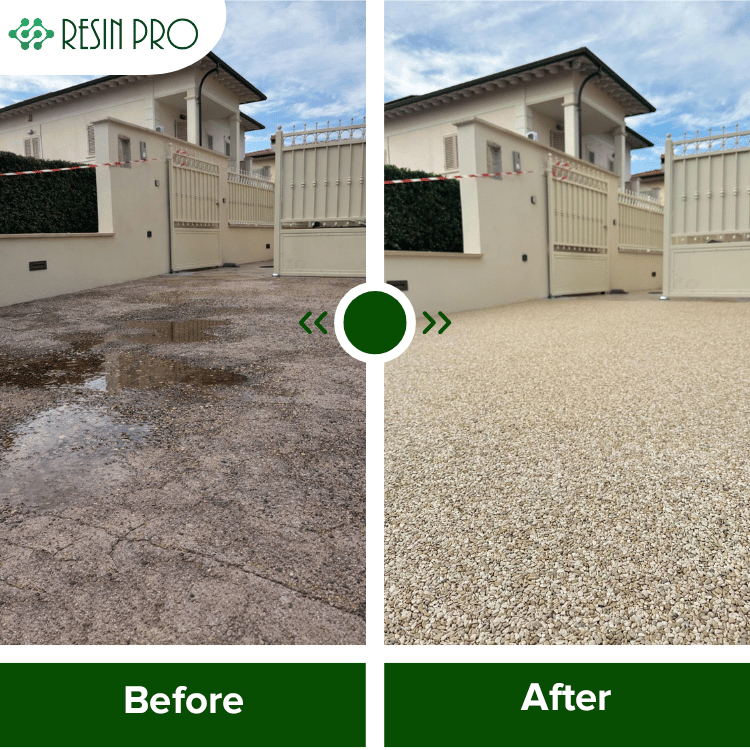
Building a multi-purpose resin court transforms your outdoor space into a durable, visually appealing area suitable for a wide range of sports and leisure activities. This guide explains each crucial step from ground preparation to final sealing, ensuring a safe, weather-resistant and low-maintenance surface, perfect for UK environments.
What You’ll Need
- “Flowstone” – Complete Permeable Floor Kit with Pebbles and Resin: Complete solution for permeable, draining decorative courts.
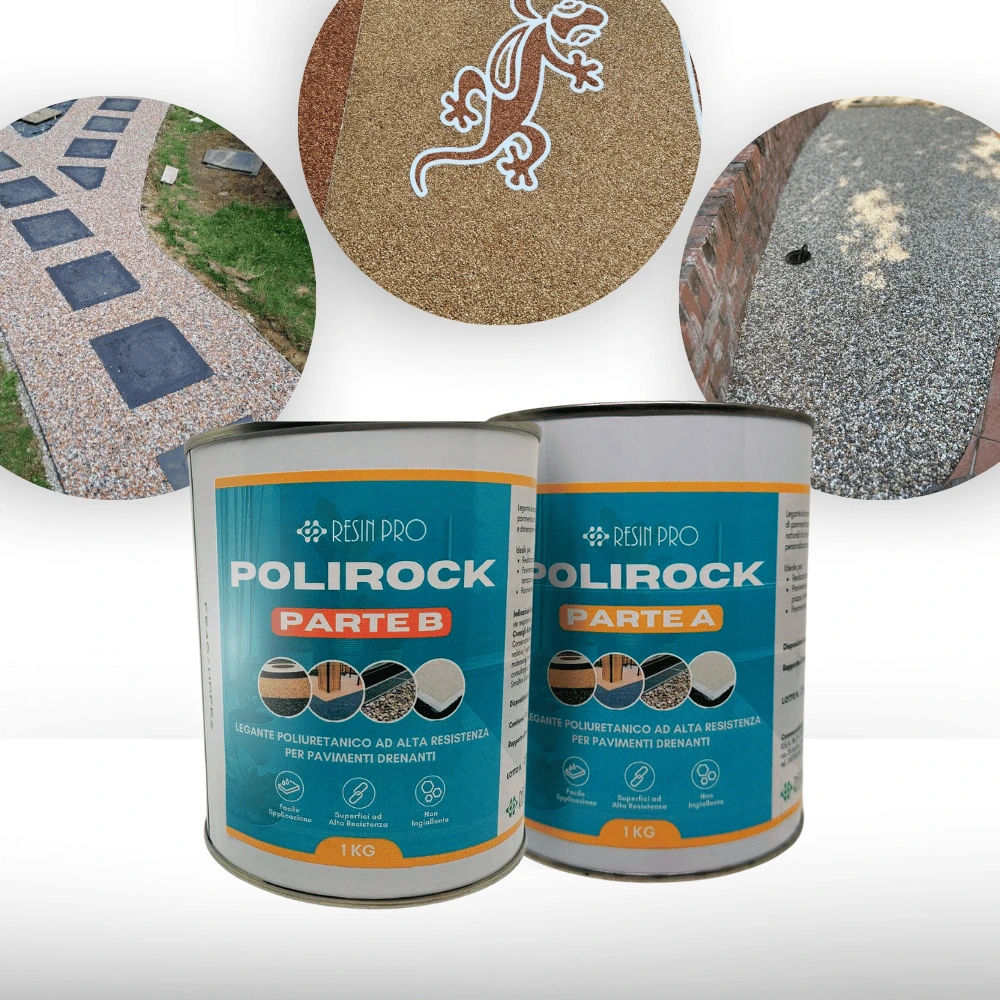
- “Polirock” – Polyurethane Binder for White Stones, 2kg Two-Component Kit: For creating stable, non-yellowing surfaces with white stone aggregates.
- “Trasparente” – Epoxy Binder for Coloured Pebbles and Grits: Best for incorporating vibrant or dark aggregates in decorative, resilient layers.
- “Resinstone” – One-Component Methacrylic Resin for Concrete Floors and Driveways: For protecting and sealing concrete sub-bases.
- Mixing buckets, trowels, roller, personal protective equipment (gloves, mask, eyewear).
- Aggregates and stones (sized and coloured to your preference).
- Pressure washer and/or broom for cleaning the base.
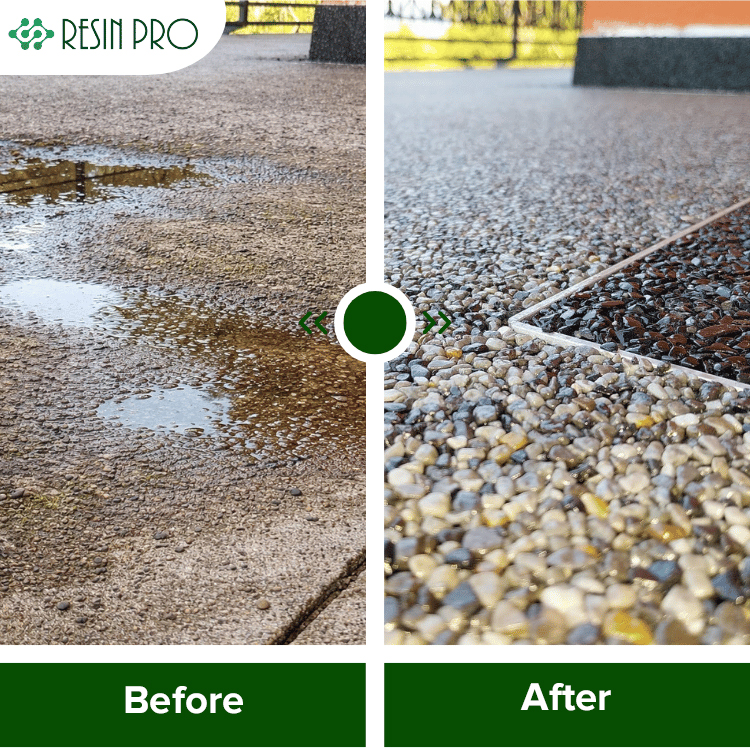
Mixing Resins and Aggregates for a Custom Finish
Blending the right resin with selected aggregates unlocks both performance and style. Whether you prefer bright white pebbles or coloured stones, mixing on-site ensures every stone is coated evenly and the finished court meets your specification. Work methodically and always wear gloves during handling.
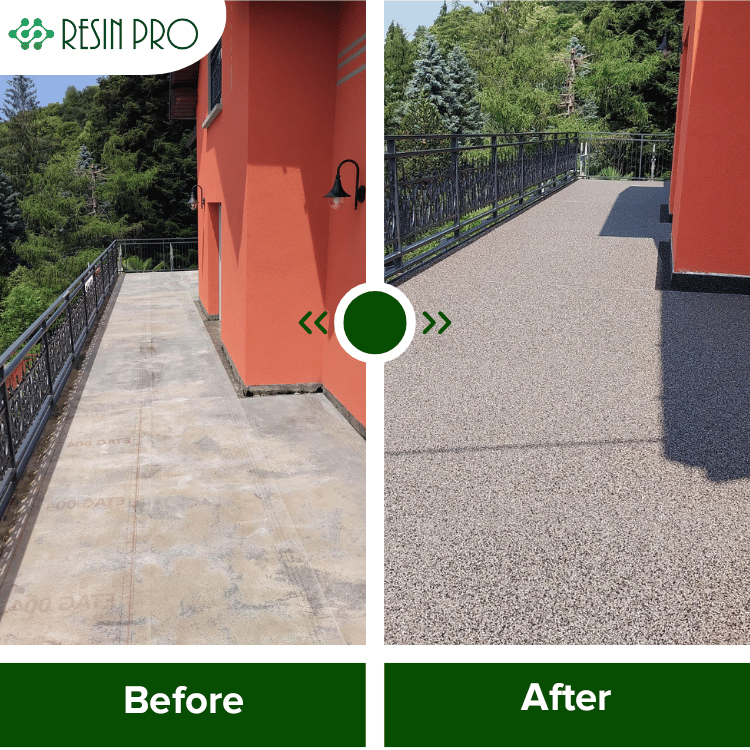
Step 1: Prepare the Surface Thoroughly
Proper preparation is essential for a long-lasting and safe resin court. Begin by clearing the entire area of debris, vegetation, and loose materials. If laying onto an existing surface, pressure-wash thoroughly and repair any major cracks or potholes. For new installations, a solid, well-compacted base (such as concrete or asphalt) ensures stability.
Ensure your base is level and structurally sound to prevent uneven wear and water pooling over time. Let the surface dry completely before proceeding to prevent trapped moisture beneath your resin system.
If you are working with a concrete base, consider pre-sealing it after cleaning and repairs. “Resinstone” – One-Component Methacrylic Resin for Concrete Floors and Driveways can be applied to provide deep sealing, moisture resistance, and enhanced mechanical durability.
Step 2: Mix and Choose the Right Aggregate System
Next, select the aggregate and binder combination tailored for your intended use. The performance and look of your resin court depend on this step, as different resin systems cater to different aggregates and colours.
Carefully select your aggregate and resin system based on UV stability, permeability, and aesthetics. For white stone finishes that must remain clear and bright, choose a polyurethane binder such as “Polirock” – Polyurethane Binder for White Stones. For coloured or dark aggregates, opt for a clear epoxy like “Trasparente” – Epoxy Binder for Coloured Pebbles and Grits, which offers excellent UV resistance and colour retention.
Combine aggregates and binder in a clean mixing vessel, following your kit’s ratio instructions. Mix thoroughly to evenly coat each aggregate piece with resin, avoiding dry spots or clumping. This step is crucial for uniform strength and appearance.
Step 3: Apply the Resin-Aggregate Mixture Evenly
With your mixture ready, carefully pour it onto the prepared base. Use a trowel to spread to the required thickness, maintaining an even layer throughout the area. Having helpers can ease distribution and smoothing, especially for larger courts.
Work in small batches for consistent coverage and to prevent premature curing, especially in warmer weather. Compact the surface with a roller or trowel to eliminate air pockets and create a seamless finish.
If you prefer an all-in-one solution, the “Flowstone” – Complete Permeable Floor Kit with Pebbles and Resin simplifies this process and includes full guidance.

Step 4: Allow to Cure and Finish with a Protective Coat
After application, allow your resin court to cure undisturbed according to the resin system’s instructions. Curing times can vary depending on product and temperature; full hardness typically takes from 10 to 24 hours.
Apply an appropriate topcoat for added protection. For concrete or mixed aggregates, an extra layer of Resinstone or similar sealing resin can increase resistance to wear and UV exposure. Avoid use until the surface is fully cured to maximise durability.
Tips, Common Mistakes, and Troubleshooting
- Always check your local weather forecast before starting – avoid rainy or highly humid days to prevent poor adhesion and resin whitening.
- Measure all ratios carefully and mix thoroughly – poor blending can lead to uneven curing or surface defects.
- Do not rush the curing process – walking on or using the court before full cure time can reduce long-term durability.
- Plan your workflow – large courts may require extra hands for even spreading before resin sets.
- Periodic maintenance, like sweeping and occasional pressure washing, helps keep your resin court safe and attractive.
Maintaining Your Resin Court Over Time
Routine cleaning and quick minor repairs keep your court in optimal condition. Use a soft broom for weekly cleaning or an occasional pressure wash for stubborn marks. Resinstone or similar resin coating can refresh gloss and reinforce UV resistance as needed.
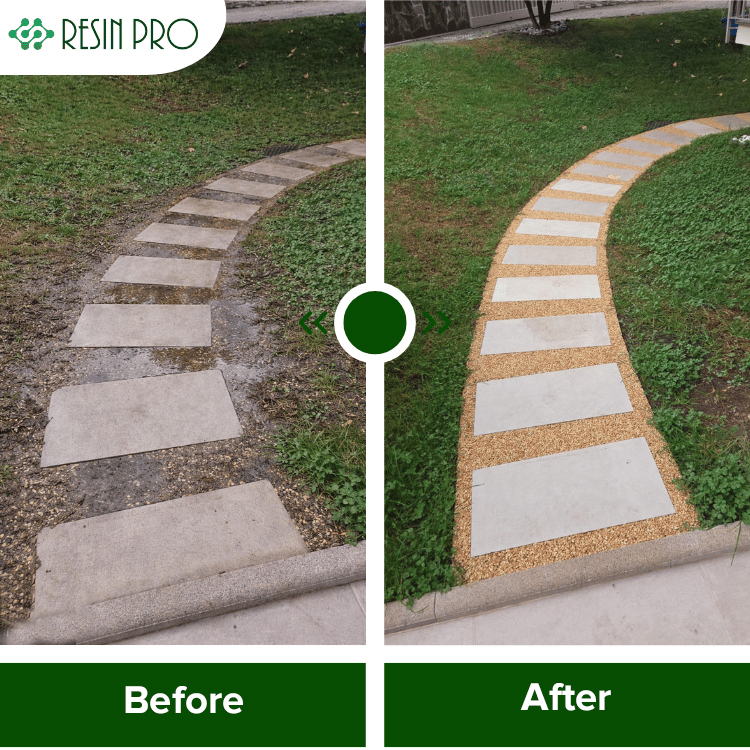
- "Flowstone" – Complete Permeable Floor Kit with Pebbles and ResinPrice range: £42.85 through £3,389.85The Flowstone kit provides a durable, permeable pebble and resin flooring solution suitable for outdoor areas in the UK, with guidance for…
- "Polirock" – Polyurethane Binder for White Stones, 2kg Two-Component Kit£58.85POLIROCK is a two-component polyurethane binder for white stones, suitable for durable, decorative, and permeable outdoor stone surfaces.
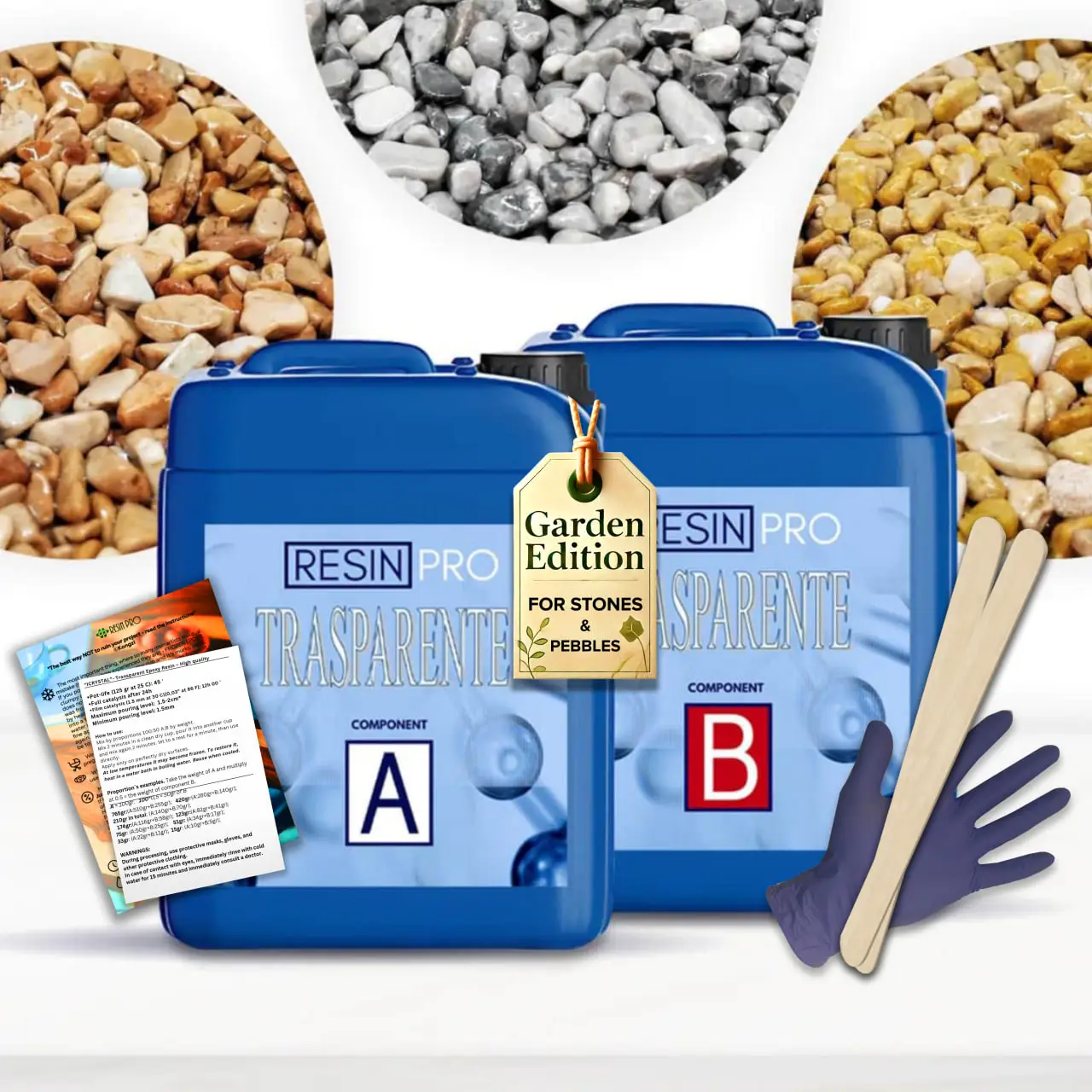 "Trasparente" – Epoxy Binder for Coloured Pebbles and GritsPrice range: £31.85 through £948.85"Trasparente" is a transparent epoxy binder designed for coloured pebbles and grits, suitable for driveways and permeable floors, supporting clear,…
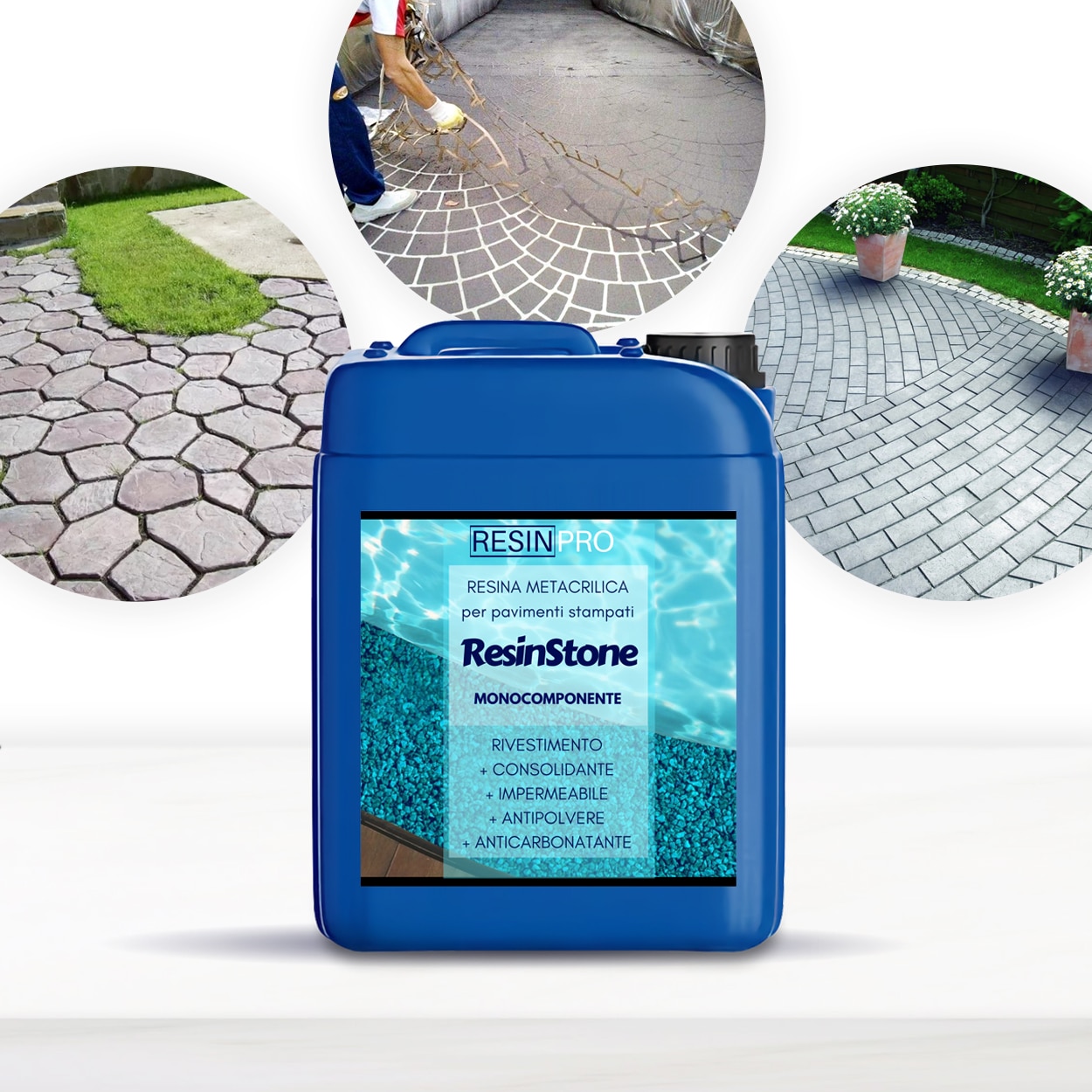 "Resinstone" – One-Component Methacrylic Resin for Concrete Floors and DrivewaysPrice range: £29.85 through £59.85RESINSTONE is a one-component methacrylic resin designed for sealing and protecting concrete floors and driveways, aligned with the theme of a…
Frequently Asked Questions
How do I choose the best resin for my court?
Select a polyurethane binder for white stones and an epoxy binder for coloured aggregates to ensure colour clarity and UV stability.
What is the best way to prepare the base?
Use a level, stable, and clean base free from cracks or excess moisture. Pre-seal concrete bases where possible for best results.
What application thickness is recommended?
Generally, 1.5–2 cm for pebble and resin systems provides durability and proper drainage.
How soon can I use the court after installation?
Most resin courts can be walked on after 10–24 hours, but heavy use is best delayed for at least 48 hours.
Is the finished surface slip-resistant?
Yes, using anti-slip resins or suitable aggregates helps achieve a secure surface suitable for active use.
Can I install a resin court myself?
Yes, with the right preparation and kit, DIY installation is possible. Large areas may benefit from professional help for evenness.
What maintenance does a resin court require?
Regular sweeping and occasional cleaning are sufficient. Inspect occasionally for minor repairs to prevent long-term damage.