 Free shipping on orders over £29,85
  Shipping Tracking!


 Google
 Facebook
How to make a mould with silicone rubber and flour?
Making custom moulds with silicone rubber and flour is a versatile and accessible technique for craft, model-making, and resin projects. Whether you’re an absolute beginner or an experienced hobbyist, this guide will walk you through each stage to achieve crisp, reusable silicone moulds for casting creative shapes and objects in a variety of materials.
Step-by-step guide for reliable custom silicone moulds
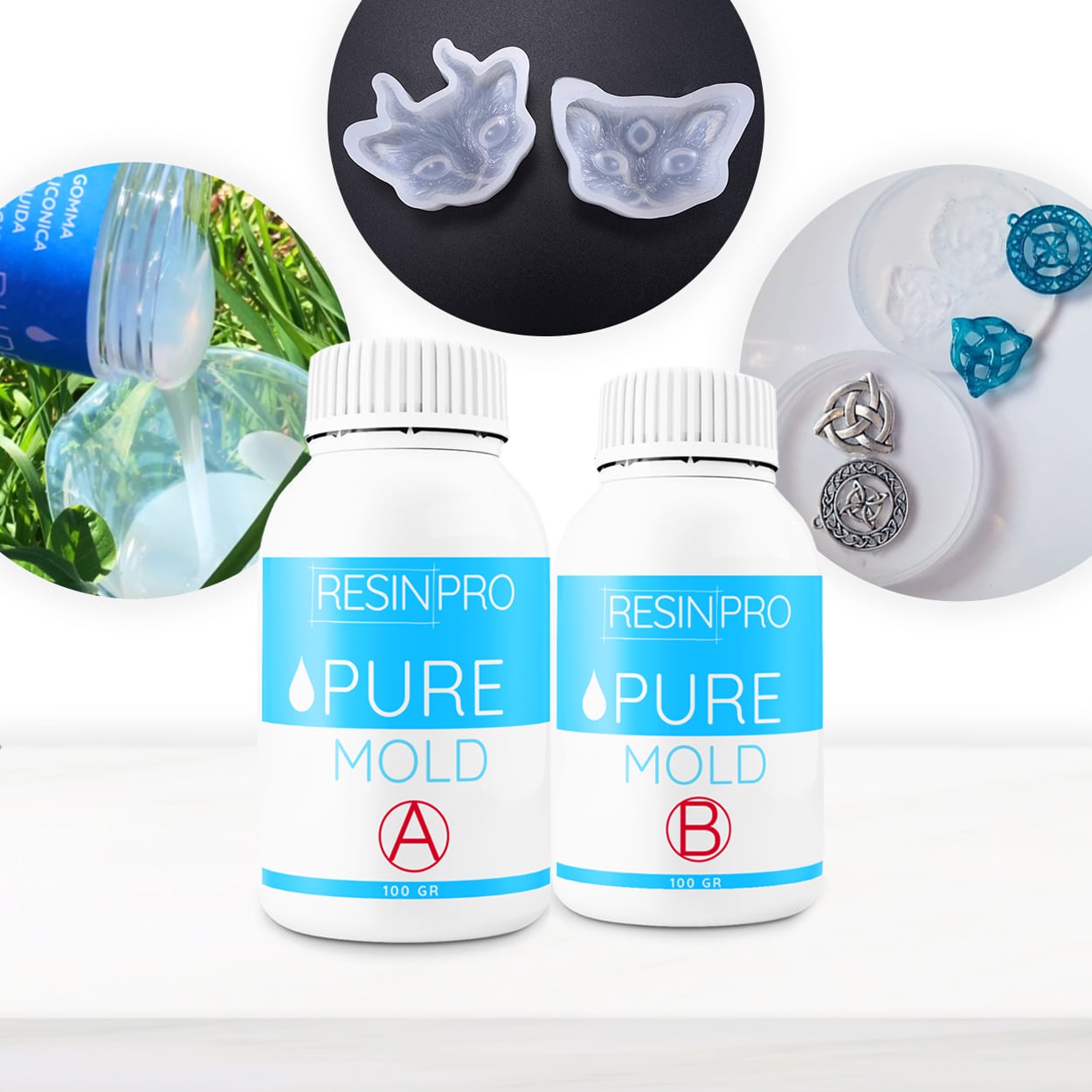
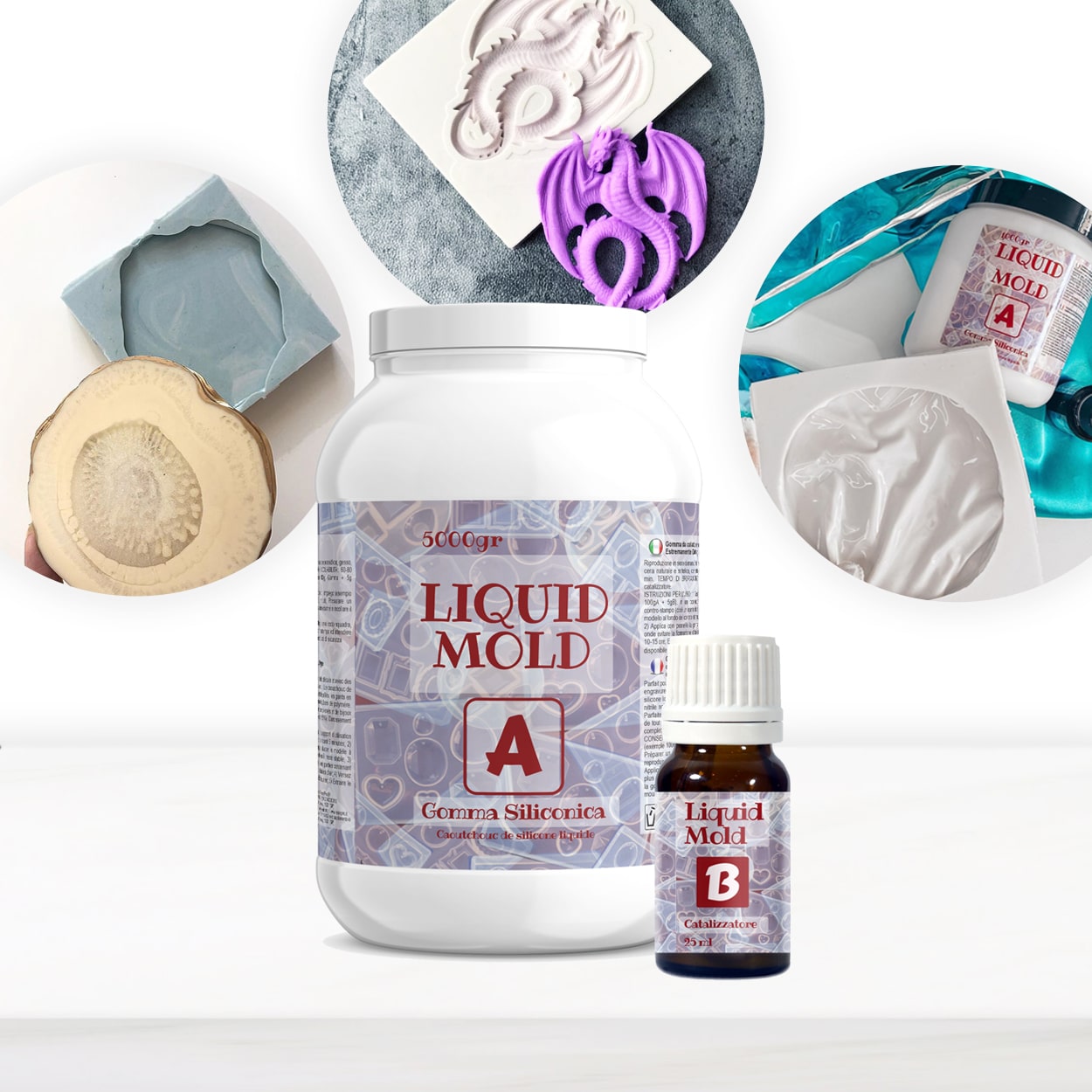
What You’ll Need
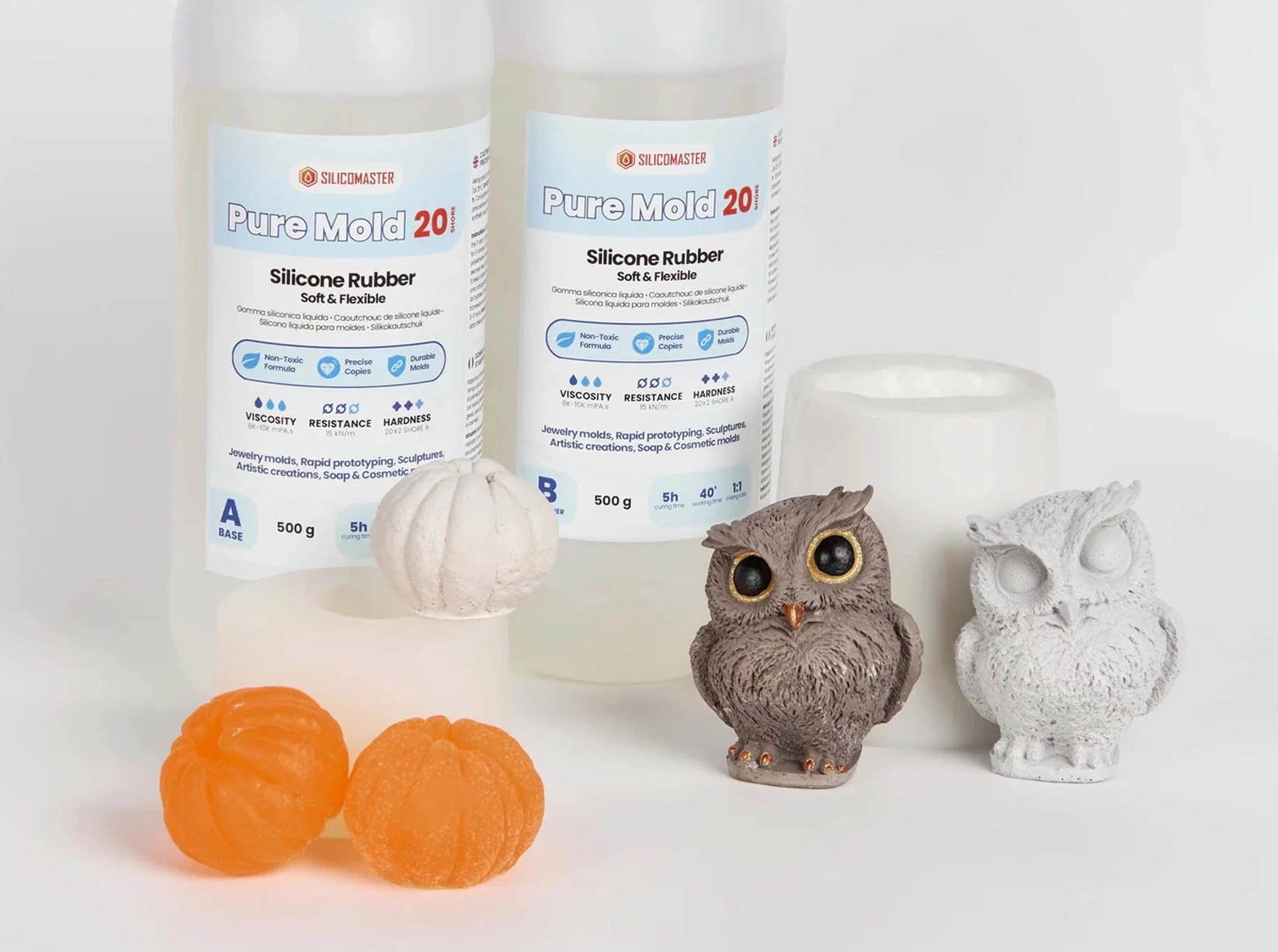
- “Pure Mould” – Translucent Liquid Silicone Rubber for Mould Making
- “Liquid Mould” – Casting Liquid Silicone Rubber, 5-40 Shores, Bi-Component A+B
- “I–Gum” – Non-Toxic Silicone Putty for Mould Making
- All-purpose plain flour (for thickening or texturing as the traditional additive)
- Mixing bowls and spatula or stick
- Disposable gloves (for some silicones)
- Measuring scales
- Protective table covering
- Your master object (item to be moulded)
- Release agent (optional, for some surfaces)
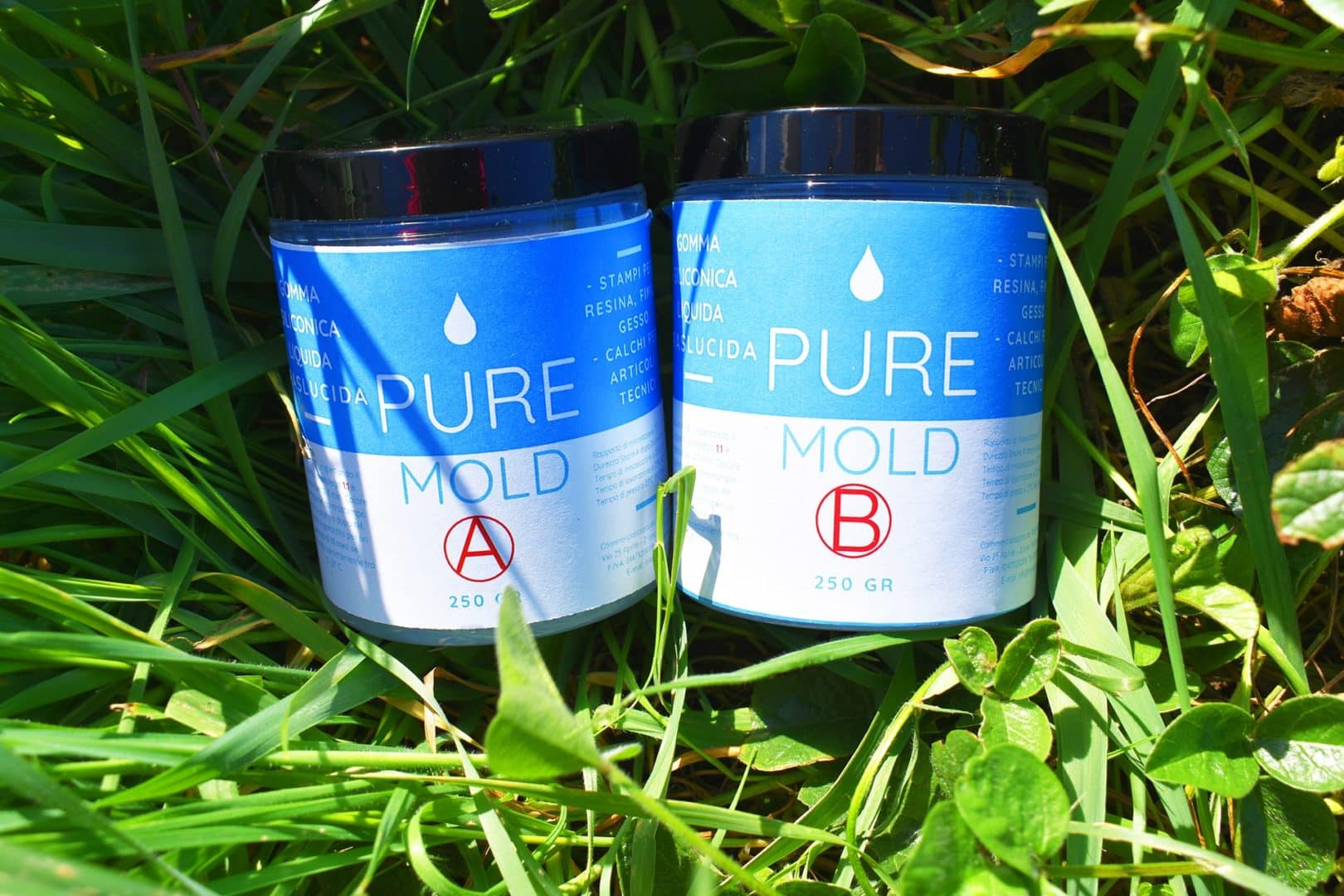
Visual Examples of Mould Making with Silicone Rubber and Flour
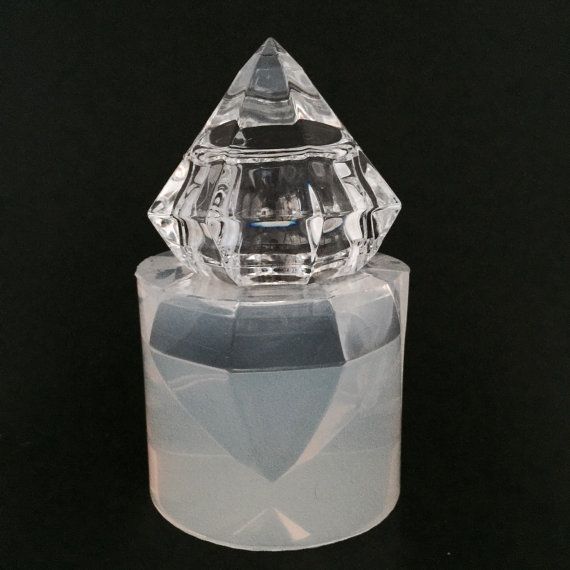
See the tactile difference between a plain silicone mould and one thickened with flour. Mixing flour with silicone increases viscosity, which is helpful for hand-built moulds and sculpting details. The additional texturing can allow for varied effects when working around complex shapes or when needing a self-supporting mould structure.
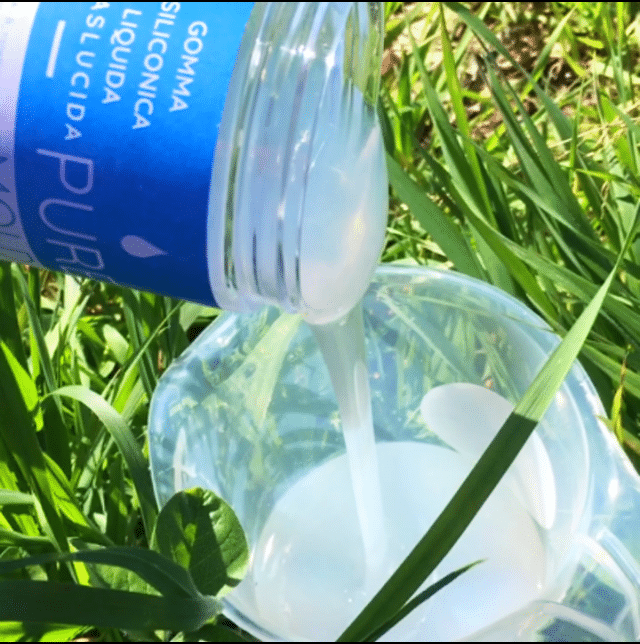
Step 1: Prepare Your Workspace and Materials
Start by clearing a well-ventilated, dust-free area and protecting your surfaces with a sheet or plastic cover. Gather all your tools and lay out measuring equipment, mixing implements, and your master object. Use a clean workspace and precise measurements to reduce contamination and achieve optimal results. If using a liquid silicone product, check the instructions for any safety guidance and don gloves if required by your selected material.
Step 2: Mix the Silicone Rubber and Flour
Carefully measure the two components of your silicone rubber according to the manufacturer’s specified ratio. For example, “Pure Mould” – Translucent Liquid Silicone Rubber for Mould Making and “Liquid Mould” – Casting Liquid Silicone Rubber, 5-40 Shores, Bi-Component A+B should be mixed 1:1 by weight. Add flour incrementally to the silicone mixture, stirring thoroughly until you reach your desired consistency. The flour acts as a thickener and texture modifier, making the silicone paste easier to mould by hand if required, or to thicken it for surface application.
Mix thoroughly to avoid air bubbles and achieve a smooth paste. For added detail or to reach complicated crevices, ensure there are no flour lumps or unmixed pockets.
Step 3: Apply or Pour the Mixture Over the Master
Secure your master object on a stable, non-stick base or in a suitable container. Depending on your mixture’s thickness, either pour the silicone and flour blend gently over your model (for fluid mixes), or press and sculpt the thickened rubber (for paste-like mixes). The putty approach can be performed with products like “I–Gum” – Non-Toxic Silicone Putty for Mould Making, ideal for direct moulding around small objects or for hand-shaping trays and frames.
To help with release, seal your master with a release agent if necessary, especially when moulding porous, wooden, or delicate objects. Work methodically to ensure all details are covered and there are no trapped air pockets.
Step 4: Let the Mould Cure Fully
Refer to the silicone’s instructions for recommended curing times. Most products, such as those listed above, will set within a few hours to overnight depending on temperature and thickness. Leave your mould undisturbed in a dust-free area until fully firm. Let your mould fully cure before demoulding to preserve fine detail and prevent tearing.
Once set, gently remove the mould from your container or peel it away from the master. Check your results and trim any excess if needed.
Tips, Troubleshooting and Avoiding Common Mistakes
For the best mould quality, always measure your materials accurately and mix thoroughly for an even result. Too much flour can reduce flexibility—add only as required for your application. Avoid rushing the curing stage, and never try to demould before the silicone is fully set. If bubbles appear, tap the container gently after pouring or use a release spray to minimise surface defects.
Finished Mould Results and Surface Textures
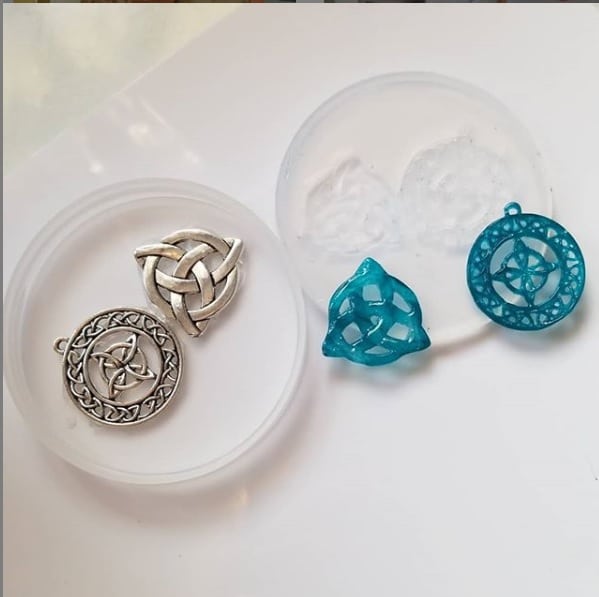
Finished silicone moulds made using both pure and flour-thickened techniques. When fully cured, examine the precision of details, the flexibility for demoulding, and compare surface finish. Flour-thickened rubbers show firmer borders ideal for shallow trays, while pure silicone remains highly flexible for complex casts.
- "Pure Mould" – Translucent Liquid Silicone Rubber for Mould MakingPrice range: £22.85 through £158.85"Pure Mould" is a translucent, fast-casting liquid silicone rubber designed for mould making compatible with various materials.
- "Liquid Mould" – Casting Liquid Silicone Rubber, 5-40 Shores, Bi-Component A+BPrice range: £13.45 through £368.85"Liquid Mould" is a casting liquid silicone rubber suitable for moulds of small objects with fine details under the theme How to make a mould with…
 "I–Gum" – Non-Toxic Silicone Putty for Mould MakingPrice range: £22.85 through £99.85"I–Gum" silicone putty is a two-component, non-toxic product suitable for mould making with resin and other materials.
Frequently Asked Questions
Can I use any silicone rubber with the flour mould method?
Most liquid silicone rubbers and putties can be thickened with flour, but always check the manufacturer’s mixing instructions before use.
How much flour should I add to my silicone mixture?
Add flour sparingly, starting with small amounts. Add just enough to reach a workable, putty-like consistency for your moulding purpose.
Is a release agent necessary for silicone and flour moulds?
A release agent is often necessary for porous masters, but non-stick materials sometimes require none. Test a small area first.
How long should I wait for the mould to cure?
Curing time varies by product, typically from 3–12 hours. Check your silicone’s packaging for the most accurate guidance.
Are silicone and flour moulds reusable?
Yes, silicone moulds made with flour additive can usually be reused many times if handled carefully during casting and demoulding.